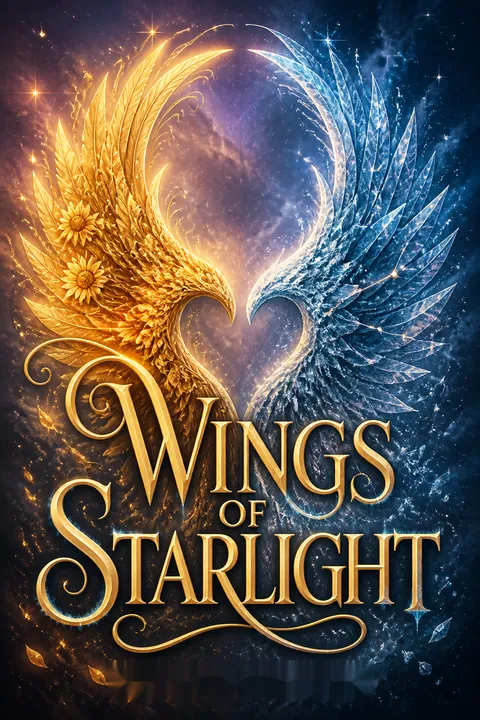

Resumen de la trama
Luz de estrellas y sombras
Pixie Hollow es una tierra de estaciones perpetuas, dividida en cuatro reinos: Primavera, Verano, Otoño y el enigmático Bosque Invernal, cada uno gobernado por hadas con talentos únicos. En su centro se alza el Árbol de Polvo de Hadas, fuente de toda magia. La historia comienza con un aire de asombro y peligro oculto: mientras la mayoría de las hadas viven en armonía, el Bosque Invernal es evitado, rodeado de rumores sobre monstruos y un frío tan intenso que puede quebrar las alas de una hada cálida. Sin que la mayoría lo sepa, una fuerza oscura se agita bajo un lago congelado en Invierno, amenazando con liberarse y alterar el delicado equilibrio de Pixie Hollow.
La heredera solitaria
Clarion, la futura Reina de Pixie Hollow, se presenta como una figura compasiva pero aislada. Formada por la estricta Reina Elvina, se distingue de las demás hadas por su raro talento de gobernar y la luz estelar que brilla en sus alas. Sus días transcurren entre lecciones, ensayos y el peso de las expectativas, dejándola anhelando conexión y comprensión. A pesar de su estatus real, se siente una extraña, luchando por dominar su magia y encontrar su lugar entre sus súbditos, especialmente con la coronación cada vez más cercana.
Una abeja en los girasoles
La empatía de Clarion se manifiesta cuando rescata a una abeja exhausta en el Prado de Girasoles, desafiando el consejo de Elvina de mantenerse distante. Este simple acto de bondad la acerca a las hadas comunes y revela su deseo de pertenecer. Sin embargo, pronto se descubre su identidad, y la distancia entre ella y sus súbditos se reafirma. Este episodio subraya su conflicto interno: el deseo de ayudar y ser conocida frente a las exigencias de su rol real.
Lecciones de liderazgo
El entrenamiento de Clarion con Elvina está lleno de frustración. No logra acceder al poder completo de su talento de gobernar, que se basa en el control emocional, una habilidad que se le escapa. Elvina insiste en que una buena reina debe ser imparcial y distante, pero los instintos de Clarion van en contra de esta filosofía. La tensión entre sus visiones crece, especialmente cuando a Clarion le repiten que debe enfocarse en el "panorama general" y no distraerse con problemas individuales.
El llamado del Bosque Invernal
A pesar de las advertencias, Clarion se siente atraída por el Bosque Invernal, un reino envuelto en miedo y superstición. Cuando un monstruo cruza desde Invierno hacia las estaciones cálidas, el pánico se extiende. El consejo se divide sobre cómo responder, y la solución de Elvina es aislar completamente Invierno. Clarion, sin embargo, no está satisfecha con esta postura y decide buscar respuestas por sí misma, aunque eso implique romper las reglas.
La advertencia del guardián
Clarion visita en secreto la frontera y conoce a Milori, el enigmático Guardián del Bosque Invernal. Él la alerta sobre las Pesadillas, monstruos nacidos de los miedos infantiles, que una vez estuvieron presos bajo el hielo pero ahora escapan. Milori busca su ayuda, revelando que el destino de ambos reinos está entrelazado. Su encuentro está cargado de curiosidad, respeto mutuo y las primeras chispas de algo más profundo, mientras Clarion comprende que Invierno no es tan frío ni cruel como le enseñaron.
Monstruos en la calidez
Las Pesadillas atacan, sumiendo a las hadas en un sueño mágico lleno de terror. Clarion presencia la devastación y se siente consumida por la culpa por no poder proteger a su pueblo. Su magia solo se manifiesta en momentos de desesperación, insinuando un potencial aún por descubrir. El consejo queda paralizado por el miedo, y la respuesta de Elvina es cortar toda relación con Invierno, culpándolos por la incursión. Clarion, en cambio, está convencida de que solo la cooperación puede salvarlos.
El consejo dividido
Las reuniones del consejo se convierten en campos de batalla para filosofías opuestas. Elvina impulsa el aislamiento, mientras Clarion aboga por la unidad y la compasión. Los ministros de Primavera, Verano y Otoño quedan atrapados en medio, cada uno con sus propias prioridades y temores. La ausencia de un representante de Invierno se siente profundamente. Las amistades de Clarion con su guardia Artemis y su amiga inventora Petra se ponen a prueba mientras secretos y lealtades se tensan.
Secretos y conspiraciones
Clarion pide ayuda a Petra para crear un abrigo que le permita cruzar a Invierno con seguridad. Junto a Milori, trabajan para descubrir la verdad sobre las Pesadillas, consultando al excéntrico Guardián del Conocimiento de Hadas en el Salón de Invierno. Descubren que las Pesadillas son restos de hadas con talento de sueños perdidos, y que solo la esperanza—encarnada en la luz estelar de las reinas con talento de gobernar—puede reparar la prisión. Mientras tanto, Elvina encarga a Petra una espada mágica para cortar los puentes entre los reinos, sin saber que Petra la ha saboteado.
A través de la frontera congelada
La relación entre Clarion y Milori se profundiza mientras recorren Invierno, enfrentando peligros y compartiendo momentos de alegría y vulnerabilidad. Clarion aprende a confiar en sus instintos y emociones, desbloqueando nuevas facetas de su magia. Su creciente afecto es agridulce, ensombrecido por la certeza de que sus mundos podrían separarse para siempre. Juntos intentan reparar la prisión de las Pesadillas, pero sus esfuerzos solo tienen éxito parcial.
El libro del Guardián
Con la ayuda de Milori, Clarion desbloquea un libro mágico que revela el origen de las Pesadillas y la clave para derrotarlas: el poder de la esperanza y los sueños, tejidos en el mismo tejido de Pixie Hollow. El libro sugiere que la luz estelar del talento de gobernar, nacida de los deseos infantiles, puede reparar la barrera. La confianza de Clarion crece, pero también el peligro, pues las Pesadillas se fortalecen y la paciencia del consejo se agota.
Pesadillas desatadas
Las Pesadillas se liberan en masa, atacando tanto Invierno como las estaciones cálidas. En una batalla climática en el Salón de Invierno, Clarion, Milori, Artemis y Petra luchan para proteger a las hadas. Clarion desata todo el poder de su magia, pero el costo es alto: muchos resultan heridos o caen en el sueño de las Pesadillas, y Milori queda gravemente herido al arriesgarlo todo para salvarla, rompiéndose un ala al cruzar a las estaciones cálidas.
El precio del poder
Clarion despierta en la clínica de sanadores, consumida por la culpa por las consecuencias de sus decisiones. Elvina también cambia tras la experiencia, admitiendo sus errores y preparándose para ceder la corona a Clarion. El hechizo sobre las hadas dormidas finalmente se rompe, pero las cicatrices—físicas y emocionales—permanecen. Clarion y Milori deben enfrentar la realidad de que su amor, aunque poderoso, es peligroso para ambos reinos.
Lazos y traiciones
Clarion se reconcilia con Petra y Artemis, reconociendo el dolor y los malentendidos que los separaron. Se celebra la lealtad de Artemis y las invenciones de Petra, reafirmando el vínculo del trío. Clarion y Milori comparten una última y desgarradora despedida, conscientes de que sus deberes deben anteponerse a sus deseos. La frontera se cierra, y los reinos se unen en propósito pero separados por necesidad.
La batalla por Invierno
Decidida a acabar con la amenaza de una vez por todas, Clarion se aventura sola bajo el hielo para confrontar a la Reina Pesadilla. Es asediada por ilusiones de sus miedos y fracasos más profundos, pero con la voz de Milori guiándola y el recuerdo de las esperanzas de su pueblo, encuentra la fuerza para desatar su luz estelar y destruir a la Pesadilla en su origen. La prisión queda sellada y la paz regresa a Pixie Hollow.
El sacrificio de la luz estelar
El amor entre Clarion y Milori es su mayor fortaleza y su mayor tristeza. El sacrificio de Milori—romper su ala para salvarla—se convierte en símbolo de la unidad y el dolor que implica unir mundos. Clarion aprende que el verdadero liderazgo implica abrazar tanto el amor como la pérdida, y que la esperanza puede perdurar incluso en la separación. Elvina entrega la corona a Clarion, y los reinos se unen en espíritu, aunque no en cuerpo.
Un nuevo amanecer
Con las Pesadillas derrotadas y los puentes entre reinos restaurados en espíritu, Pixie Hollow entra en una nueva era. Clarion es coronada reina en una ceremonia que reúne a todas las estaciones, incluido Invierno. Las hadas celebran su unidad y resiliencia, y las amistades de Clarion son más fuertes que nunca. Aunque ella y Milori deben permanecer separados, su amor perdura como una luz silenciosa y guía.
La elección de la reina
El reinado de Clarion comienza con una promesa: liderar con compasión, honrar los lazos entre todas las hadas y nunca permitir que el miedo dicte sus decisiones. Forja un nuevo camino para Pixie Hollow, donde la esperanza, el amor y la unidad son más fuertes que cualquier oscuridad. La historia termina con Clarion mirando hacia el futuro, con el corazón lleno de tristeza y alegría, lista para guiar a su pueblo hacia un mundo más brillante y mágico.
Personajes
Clarion
Clarion es la protagonista y futura Reina de Pixie Hollow, marcada por sus alas iluminadas por estrellas y su raro talento de gobernar. Criada en aislamiento y formada por la Reina Elvina, está dividida entre las exigencias del liderazgo y su profundo deseo de conexión. Su viaje es de autodescubrimiento, aprendiendo a confiar en sus instintos, abrazar sus emociones y usar su magia no mediante el control, sino a través de la esperanza y el amor. Sus relaciones—con su mentora, sus amigos y Milori—moldean su crecimiento de heredera vacilante a reina sabia y empática. Su mayor fortaleza es su negativa a abandonar a nadie, incluso a costa propia.
Milori
Milori es el Guardián (luego Señor) del Bosque Invernal, una figura de fuerza silenciosa y profunda soledad. Encargado de custodiar la prisión de las Pesadillas, carga con el peso del aislamiento de su reino y la culpa de fracasos pasados. Su relación con Clarion es transformadora para ambos, pues él le enseña el valor de la esperanza y ella le ayuda a redescubrir la alegría y la conexión. La disposición de Milori a sacrificarse por Clarion y su pueblo es tanto su nobleza como su tragedia; su ala rota se convierte en símbolo del costo del amor y el dolor de unir mundos.
Elvina
La Reina Elvina es la predecesora y mentora de Clarion, encarnando la filosofía de la distancia y la imparcialidad. Su largo reinado le ha enseñado los peligros del apego, y trata de inculcar esto en Clarion, a menudo para frustración mutua. El arco de Elvina es uno de vulnerabilidad gradual, al admitir sus errores y permitirse cuidar a Clarion como a una hija. Su eventual aceptación del cambio y bendición al nuevo enfoque de Clarion marcan su propio crecimiento y el fin de una era.
Petra
Petra es un hada con talento de inventora y la amiga más antigua de Clarion. Brillante pero nerviosa, es la voz de la cautela y la practicidad, a menudo abrumada por la audacia de Clarion. Sus inventos—especialmente el abrigo que permite a Clarion cruzar a Invierno y la espada saboteada—son clave en la trama. El viaje de Petra es aprender a confiar en sí misma y en sus amigos, y su lealtad es inquebrantable incluso cuando el miedo y los malentendidos la ponen a prueba. Su relación con Artemis añade profundidad y calidez a su carácter.
Artemis
Artemis es la guardia personal de Clarion, un hada con talento de exploradora marcada por su competencia, formalidad y vulnerabilidad oculta. Perseguida por un error pasado, está ferozmente dedicada a la seguridad de Clarion, a menudo a costa de sus propios deseos. Sus sentimientos no expresados por Petra y su lucha por equilibrar deber y emoción reflejan el propio viaje de Clarion. El arco de Artemis es de auto-perdón y aceptación, culminando en su decisión de permanecer al lado de Clarion por amor, no por penitencia.
El Guardián
El Guardián del Conocimiento de Hadas es el excéntrico bibliotecario del Salón de Invierno, encargado de una vasta colección de textos y secretos. Ayuda a Clarion y Milori a descubrir la verdad sobre las Pesadillas y los talentos de sueños perdidos. Su entusiasmo por el descubrimiento y su guía amable ofrecen tanto alivio cómico como apoyo crucial. Representa la importancia de la historia, la memoria y la búsqueda de entendimiento.
Rowan
Rowan es el Ministro de Otoño, conocido por su calidez, humor y melancolía ocasional. Sirve como mentor y confidente de Clarion, ofreciendo perspectiva y apoyo durante sus pruebas. Su caída en el sueño de las Pesadillas es un punto de inflexión que impulsa la determinación de Clarion. Rowan encarna la sabiduría de su estación: reflexión, aceptación y la belleza del cambio.
Aurelia
Aurelia es la Ministra de Verano, que encarna la calidez, abundancia y ocasional pereza de la estación. Valora la paz y el confort, brindando a Clarion momentos de descanso y ánimo. Su enfoque del liderazgo contrasta con el de Elvina, enfatizando el disfrute y la presencia. El apoyo de Aurelia ayuda a Clarion a encontrar equilibrio entre el deber y el cuidado personal.
Iris
Iris es la Ministra de Primavera, un hada con talento para la jardinería rebosante de entusiasmo y creatividad. Es responsable de la belleza y renovación de Pixie Hollow, y su optimismo es contagioso. El consejo de Iris a Clarion—ser paciente y cuidadosa, como un bulbo en flor—se convierte en una metáfora guía para el crecimiento de Clarion. Su arte y energía son vitales para la unidad de las estaciones.
Las Pesadillas (Reina Pesadilla)
Las Pesadillas son los antagonistas centrales, monstruos nacidos de los miedos infantiles y sueños corrompidos. La Reina Pesadilla, un dragón bajo el hielo, es la fuente de su poder. Representan los peligros del aislamiento, la represión y la desesperación. Derrotarlas requiere no solo fuerza, sino esperanza, conexión y el valor para enfrentar los miedos más profundos.
Recursos narrativos
Dualidad de luz y sombra
El conflicto central de la historia se basa en la interacción entre la esperanza (luz estelar, sueños, conexión) y el miedo (Pesadillas, aislamiento, desesperación). La magia en Pixie Hollow no es solo una herramienta, sino un reflejo de estados emocionales y psicológicos. La luz estelar del talento de gobernar, nacida de los deseos infantiles, es la única fuerza capaz de contrarrestar a las Pesadillas, que son producto de sueños descuidados o corrompidos. Esta dualidad se refleja en las luchas internas de los personajes y en las divisiones políticas entre los reinos.
Fronteras prohibidas y cruces
La frontera entre Invierno y las estaciones cálidas es tanto una barrera literal como simbólica. Cruzarla es peligroso, requiere inventiva, valentía y sacrificio. El acto de cruzar—ya sea por Clarion, Milori u otros—funciona como metáfora de vulnerabilidad, conexión y los riesgos del amor. El cierre eventual de la frontera es a la vez tragedia y necesidad, subrayando los costos de la unidad y el dolor de la separación imprescindible.
Presagios y profecías
La narrativa está salpicada de leyendas, profecías y la sabiduría del pasado, a menudo transmitidas mediante relatos, libros y el conocimiento del Guardián. Estos elementos anticipan la verdadera naturaleza de las Pesadillas, la importancia de la esperanza y la necesidad de unidad. Sueños y pesadillas no son solo recursos argumentales, sino ventanas al alma de los personajes, revelando sus miedos y deseos más profundos.
Relaciones paralelas y espejos
La historia establece paralelismos entre Clarion y Milori, Elvina y Clarion, Petra y Artemis, y entre los propios reinos. Estas relaciones reflejan las luchas compartidas con el deber, el amor y la autoaceptación. El reflejo se extiende a la estructura de los reinos, el consejo y los sistemas mágicos, reforzando la idea de que la unidad y el entendimiento requieren verse a uno mismo en el otro.
Sacrificio y transformación
Los momentos clave giran en torno a actos de sacrificio—Milori rompiendo su ala, Clarion arriesgando su vida, Petra saboteando la espada, Artemis salvando a sus amigos. Estos sacrificios son transformadores, conduciendo a nuevos entendimientos, sanación y la forja de un nuevo orden. La estructura narrativa sigue el viaje de Clarion desde el aislamiento hacia la conexión, del miedo a la esperanza, culminando en su aceptación tanto del amor como de la pérdida como esenciales para el liderazgo.
Análisis
Wings of Starlight es una fantasía luminosa y emocionalmente resonante que reimagina la narrativa del crecimiento y del elegido a través del prisma de la empatía, la vulnerabilidad y los costos del liderazgo. En su esencia, la novela trata sobre la tensión entre la conexión y el deber: el viaje de Clarion no es solo dominar la magia o vencer monstruos, sino aprender a liderar con el corazón sin dejarse consumir por él. La historia cuestiona el mito del gobernante frío e imparcial, celebrando en cambio el trabajo complejo, doloroso y hermoso de amar y ser amado. Las Pesadillas funcionan como antagonistas literales y metafóricos, encarnando los peligros del miedo, la represión y la división. La lección final es que la esperanza—nutrida por las relaciones, la autoaceptación y el valor para enfrentar la oscuridad—es la magia más poderosa de todas. La representación matizada de la amistad, el romance y el sacrificio ofrece una visión moderna y psicológicamente rica de los tropos de cuentos de hadas, convirtiéndola en una historia no solo de magia, sino de lo que significa ser verdaderamente humano (o hada): anhelar, perder, amar y liderar.
Preguntas frecuentes
Synopsis & Basic Details
What is Wings of Starlight about?
- Journey of a Future Queen: The story follows Clarion, the isolated heir to the throne of Pixie Hollow, as she grapples with the immense pressure of her impending coronation and her struggle to master her unique governing-talent magic, which requires emotional detachment.
- Worlds Divided, Threat United: Pixie Hollow is divided into distinct seasonal realms, with the mysterious Winter Woods long shunned by the warm seasons. When terrifying monsters called Nightmares escape from Winter, Clarion must defy tradition and her mentor, Queen Elvina, to seek help from the enigmatic Warden of the Winter Woods, Milori.
- Hope vs. Fear's Embrace: As the Nightmares spread a sleeping spell fueled by fear, Clarion and Milori uncover ancient secrets about their realms' shared history and the true nature of governing magic, learning that hope and connection, not isolation, are the only forces powerful enough to defeat the darkness.
Why should I read Wings of Starlight?
- Deep Emotional Resonance: The novel offers a poignant exploration of loneliness, duty, and the courage it takes to embrace vulnerability and connection, making Clarion's internal journey as compelling as the external conflict.
- Rich Worldbuilding & Lore: Allison Saft expands the world of Pixie Hollow with intricate details about fairy talents, seasonal magic, and a hidden history of unity and division, creating a setting that feels both familiar and wondrously new.
- Heartfelt Relationships Explored: Beyond the central romance, the story delves into complex friendships and mentorships, highlighting the importance of trust, forgiveness, and finding belonging even when you feel fundamentally different.
What is the background of Wings of Starlight?
- Realm of Perpetual Seasons: Pixie Hollow exists as a magical realm where four distinct seasons (Spring, Summer, Autumn, Winter) coexist simultaneously, each maintained by fairies with specific talents and drawing power from the central Pixie Dust Tree.
- Ancient Conflict & Isolation: The warm seasons and the Winter Woods have been estranged for centuries due to a forgotten conflict and fear, leading to deep-seated prejudice and a lack of understanding between the realms, despite their shared origin from the Pixie Dust Tree's roots.
- Governing Magic & Starlight: Queens of Pixie Hollow are rare governing-talent fairies born from fallen stars, possessing unique magic rooted in starlight. This magic is believed to require emotional control, setting them apart from other fairies whose talents are often tied to nature or emotion.
What are the most memorable quotes in Wings of Starlight?
- "To be a good queen... Is to be as cold and remote as the star from which you were born.": This quote, a tenet Elvina impresses upon Clarion, encapsulates the central philosophical conflict of the story regarding the nature of leadership and the emotional cost of duty, which Clarion ultimately challenges.
- "If you are interested in solving this problem rather than avoiding it, you know where to find me.": Milori's challenge to Clarion at their first meeting defines his proactive nature and willingness to bridge the divide, setting the stage for their alliance and highlighting the contrast between his approach and Elvina's avoidance.
- "You were made for this. I feel it, when I look at you... You command respect, yes, but more than that, you inspire hope.": Milori's words to Clarion after their first attempt to seal the prison are a pivotal moment of affirmation, directly countering her self-doubt and Elvina's teachings, revealing her true strength lies in her capacity for hope and connection.
What writing style, narrative choices, and literary techniques does Allison Saft use?
- Introspective Third-Person POV: The narrative primarily follows Clarion's perspective, offering deep insight into her thoughts, emotions, and internal conflicts, allowing readers to intimately experience her struggles with duty, isolation, and self-worth.
- Sensory and Evocative Prose: Saft employs rich descriptions that appeal to the senses, particularly sight (light, color, sparkle) and touch (cold, warmth, textures), immersing the reader in the distinct atmospheres of each season and the magical nature of Pixie Hollow.
- Symbolism and Metaphor: The novel heavily utilizes symbolism, such as the border representing division and vulnerability, starlight representing hope and inherent worth, and the Nightmares embodying fear and emotional repression, weaving thematic depth into the plot and character arcs.
Hidden Details & Subtle Connections
What are some minor details that add significant meaning?
- Pixie Dust Tree's Sentience: The tree isn't just a source of magic; it actively responds to the fairies' moods and needs, growing specific flowers outside Clarion's window when she's distressed or an orchard of Neverberries for Artemis, subtly reinforcing the theme of interconnectedness and nature's empathy.
- Carvings in the Pixie Dust Tree: The intricate carvings on the palace walls and council chambers, depicting symbols of all four seasons including Winter, hint at a forgotten history of unity and connection long before Clarion and Milori uncover the truth, suggesting the separation was not always absolute.
- Petra's "Ugly" Prototype Coats: Petra's initial, ill-fitting winter coats, described as "patchwork monstrosities," are dismissed as merely functional but prove crucial for Artemis and Petra to follow Clarion into Winter, highlighting how seemingly insignificant or imperfect efforts can have vital consequences in moments of crisis.
What are some subtle foreshadowing and callbacks?
- Milori's "Haunting the Border": Clarion's teasing remark that Milori "haunts the border like a ghost" foreshadows his deep loneliness and constant vigil, but also subtly hints at the idea of him being "stuck" or bound to that liminal space, mirroring the Nightmares' imprisonment.
- Artemis's Past Mistake: Artemis's brief, veiled reference to leading with her heart over her head and a past mistake involving a hawk and a friend foreshadows her eventual act of sacrifice and explains her fierce protectiveness of Clarion, revealing her deep-seated guilt and desire for redemption.
- The Keeper's Mention of Warm Fairies Crossing: The Keeper's casual mention that warm fairies used to cross into Winter for activities like ice-skating subtly foreshadows that crossing the border is not inherently impossible for warm fairies, only dangerous under current conditions, hinting at a lost knowledge or ability that might be rediscovered.
What are some unexpected character connections?
- Artemis and Petra's Unspoken Affection: The subtle interactions between Artemis and Petra—Petra's blushing, Artemis's flustered reactions, their shared glances, and Artemis's later confession of curiosity about Petra's work—reveal a quiet, long-standing mutual attraction that develops in the background of the main plot, adding a layer of personal stakes to their involvement in Clarion's schemes.
- Elvina's Maternal Regret: Elvina's final confession to Clarion, comparing her feelings to a human mother's love for a child and admitting her attempts to shield Clarion from pain only caused a "new kind of scar," reveals a hidden depth of maternal affection and regret beneath her stern exterior, transforming their strained mentorship into a bond of shared understanding.
- Milori Witnessing Clarion's Arrival: Milori's revelation that he saw Clarion's star fall and made a wish upon it creates a profound, unexpected connection that predates their meeting, suggesting their destinies were intertwined from the very beginning and imbuing their relationship with a sense of fate.
Who are the most significant supporting characters?
- Petra, the Ingenious Loyalist: Petra's inventions (the winter coat, the sabotaged sword, the T-bow) are crucial plot devices enabling key actions, while her emotional arc and unwavering loyalty, despite her anxiety and initial betrayal (telling Elvina), highlight the complexities and strength of true friendship under pressure.
- Artemis, the Steadfast Protector: Artemis provides essential physical protection and logistical support, but her internal struggle with duty, her past trauma, and her quiet affection for Petra add significant emotional depth, demonstrating that strength can coexist with vulnerability and that personal growth is a continuous journey.
- The Keeper, Guardian of Lost Knowledge: The Keeper is not just a source of information; his eccentricity and enthusiasm for forgotten history provide crucial exposition about the Nightmares and dream-talents, symbolizing the importance of preserving the past and the potential for hope found in ancient wisdom.
Psychological, Emotional, & Relational Analysis
What are some unspoken motivations of the characters?
- Elvina's Fear of Loss: Beyond protecting Pixie Hollow, Elvina's sternness and insistence on distance are driven by a deep-seated fear of loss, stemming from her long life and the pain of watching those she cares for fade away, motivating her desire to shield Clarion (and herself) from similar heartbreak.
- Milori's Desire for Connection: Milori's eagerness to meet Clarion and his willingness to risk revealing Winter's secrets are fueled by profound loneliness and a yearning for connection, not just for himself but for his isolated realm, motivating his hope that Clarion represents a chance to end their solitude.
- Petra's Need for Validation: Petra's intense focus on her work and her pride in her inventions, coupled with her anxiety, suggest an unspoken need for validation and recognition, motivating her desire to prove her worth, especially to figures of authority like Elvina and, subtly, Artemis.
What psychological complexities do the characters exhibit?
- Clarion's Imposter Syndrome & Self-Doubt: Despite her destiny, Clarion is plagued by deep self-doubt, feeling inadequate compared to Elvina and believing she is a "mistake" because she struggles with her magic and emotional control, a common psychological complexity for "chosen ones" who feel unworthy of their fate.
- Artemis's Atonement & Self-Punishment: Artemis's rigid adherence to duty and her refusal to seek recognition stem from a past trauma where her actions led to others' harm. This manifests as a form of self-punishment and a need for atonement, highlighting the psychological weight of guilt and responsibility.
- Milori's Burden of Responsibility: Milori carries the heavy psychological burden of being the Warden, feeling personally responsible for the Nightmares' escape and the suffering they cause, leading to exhaustion, guilt, and a tendency to shoulder problems alone, reflecting the isolating nature of leadership and perceived failure.
What are the major emotional turning points?
- Clarion's First Encounter with a Nightmare: Witnessing the Nightmare's attack and her inability to fully control her magic in that moment is a major emotional turning point, shattering her confidence and forcing her to confront the true stakes of her impending role and her perceived inadequacy.
- Milori's Sacrifice at the Border: Milori's decision to carry Clarion across the border into Summer, knowing it will break his wing, is a profound emotional turning point, demonstrating the depth of his love and commitment, and forcing Clarion to confront the devastating consequences of their connection and her own vulnerability.
- Elvina's Confession of Waning Power: Elvina revealing her magic is fading and she is nearing the end of her life is a pivotal emotional moment, transforming her relationship with Clarion from one of stern mentorship to one of shared vulnerability and maternal affection, allowing Clarion to finally see and forgive her mentor's flaws.
How do relationship dynamics evolve?
- Clarion and Elvina: From Strain to Understanding: Their relationship evolves from one marked by Elvina's strict expectations and Clarion's frustrated inadequacy to one of mutual understanding and affection, particularly after Elvina reveals her own vulnerabilities and accepts Clarion's different approach to leadership.
- Clarion and Milori: From Curiosity to Tragic Love: Their dynamic shifts from wary curiosity and mutual respect across a divide to deep affection and partnership, culminating in a powerful but ultimately unsustainable love, highlighting the theme that some boundaries, even emotional ones, are necessary for the greater good.
- Clarion, Petra, and Artemis: From Distance to Reaffirmation: The initial distance caused by Clarion's royal status and secrets is tested by conflict and misunderstanding (Petra telling Elvina), but their shared experience in Winter and mutual sacrifices lead to a powerful reaffirmation of their bond, built on honesty, forgiveness, and unwavering loyalty.
Interpretation & Debate
Which parts of the story remain ambiguous or open-ended?
- The Future of Clarion and Milori's Relationship: While the border is closed and they agree to maintain distance, the intense love between Clarion and Milori and their shared purpose as rulers leave open the possibility of future interactions or a different kind of connection, despite the physical barrier.
- The Long-Term Effects of Milori's Broken Wing: The narrative states Milori can still fly with Noctua, but the full physical and emotional impact of his broken wing on his life and role as Lord of Winter is left somewhat open, implying a lasting consequence of his sacrifice.
- The Fate of the Lost Dream-Talents: The book reveals the existence of dream-talents and their connection to governing magic but doesn't fully explain their disappearance or if their magic could ever truly be rekindled beyond its echo in the queens, leaving their legacy and potential return ambiguous.
What are some debatable, controversial scenes or moments in Wings of Starlight?
- Elvina's Plan to Sever the Bridges: Elvina's decision to destroy the bridges to Winter is presented as a pragmatic safety measure but is highly debatable from a moral standpoint, forcing readers to consider whether isolating an entire realm, even for the perceived safety of others, is justifiable.
- Petra Telling Elvina About Clarion: Petra's choice to inform Elvina about Clarion's secret visits to the border is a controversial moment that tests her loyalty to Clarion, sparking debate about whether she acted out of genuine concern for her friend's safety or a fear of consequences for herself.
- Clarion Forbidding Border Crossing: Clarion's final decree to officially forbid crossing the border, despite her love for Milori and newfound understanding of Winter, is a debatable decision that prioritizes safety and the greater good over personal connection, forcing a difficult choice with significant emotional cost.
Wings of Starlight Ending Explained: How It Ends & What It Means
- The Queen Nightmare Defeated: Clarion ventures alone beneath the frozen lake, the source of the Nightmares, and confronts the Queen Nightmare, a dragon embodying fear and despair. Drawing on the collective hope of her subjects (the starlight born from wishes), she unleashes her full power, obliterating the Queen Nightmare and sealing the prison permanently.
- Sacrifice and Separation: The victory comes at a cost. Milori, having crossed into Summer to save Clarion earlier, suffers a broken wing due to the warm season's heat, a physical manifestation of the danger of bridging their worlds. Recognizing this, Clarion, now Queen, makes the difficult decision to officially forbid border crossing between the realms, prioritizing the safety of her subjects over her love for Milori.
- A New Era of Unified Purpose: Despite the physical separation, Clarion unites the realms in spirit and purpose. She appoints Milori as the Lord of Winter and a member of her council, ensuring cooperation and mutual aid. The ending signifies Clarion's growth into a compassionate but resolute leader who embraces hope and connection while accepting the painful necessity of certain boundaries for the well-being of all Pixie Hollow.

Descargar PDF
Descargar EPUB
.epub digital book format is ideal for reading ebooks on phones, tablets, and e-readers.








































