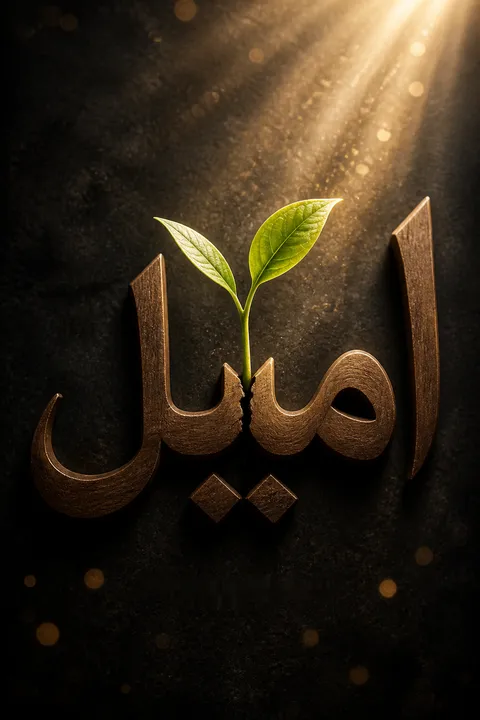

نکات کلیدی
1. مسیر طبیعت: پذیرش رشد طبیعی
خداوند همه چیز را خوب میآفریند؛ انسان در آن دخالت میکند و آن را به شر تبدیل میکند.
حکمت طبیعت. روسو معتقد است که راه طبیعت بهطور ذاتی خوب است و دخالتهای انسانی غالباً این نظم طبیعی را فاسد میکند. بنابراین، آموزش باید از طبیعت پیروی کند و به کودکان اجازه دهد تا با سرعت خود و مطابق با تمایلات طبیعیشان رشد کنند. این به معنای اجتناب از محدودیتهای مصنوعی و فراهم کردن آزادی حرکت و کاوش است.
کودکی بهعنوان یک مرحله منحصر به فرد. ما نباید سعی کنیم کودکان را به بزرگسالان کوچک تبدیل کنیم، بلکه باید به آنها اجازه دهیم که کودکی کنند. هر مرحله از زندگی هدف و ارزشی خاص دارد و نباید حال را برای آیندهای نامشخص قربانی کنیم. این به معنای احترام به کنجکاوی طبیعی، انرژی و نیاز به بازی کودک است.
خطرات دخالت. زمانی که سعی میکنیم ایدهها و انتظارات خود را بر کودکان تحمیل کنیم، رشد طبیعی آنها را مختل کرده و نیازها و خواستههای مصنوعی ایجاد میکنیم. این منجر به تضاد درونی و نارضایتی میشود، زیرا کودک بین تمایلات طبیعی خود و خواستههای جامعه دچار تردید میشود.
2. سه معلم: طبیعت، انسانها و اشیاء
این آموزش از طبیعت، انسانها یا اشیاء به ما میرسد.
سه منبع یادگیری. روسو سه معلم متمایز را شناسایی میکند: طبیعت که رشد درونی اعضا و قابلیتهای ما را هدایت میکند؛ انسانها که به ما میآموزند چگونه از این رشد استفاده کنیم؛ و اشیاء که تجربهای از محیط اطراف ما فراهم میکنند. آموزش واقعی نیازمند هماهنگی این سه منبع است.
تضاد معلمان. زمانی که آموزشهای طبیعت، انسانها و اشیاء با یکدیگر تضاد دارند، کودک بهخوبی آموزش نمیبیند و هرگز با خود در صلح نخواهد بود. این تضاد زمانی به وجود میآید که ما سعی میکنیم کودک را برای جامعه تربیت کنیم نه برای خود او، و او را مجبور میکنیم که بین انسان بودن و شهروند بودن انتخاب کند.
پیروی از راه طبیعت. از آنجا که طبیعت فراتر از کنترل ماست، آموزش انسانها و اشیاء باید از طبیعت پیروی کند. این به معنای آن است که نباید سعی کنیم ایدههای خود را بر کودکان تحمیل کنیم، بلکه باید به آنها اجازه دهیم مطابق با تمایلات طبیعی خود رشد کنند.
3. آزادی و وابستگی: تعادل ظریف
تنها عادت که کودک باید اجازه داشته باشد به آن مبتلا شود، عادت نداشتن به عادتهاست.
آزادی در محدوده. کودکان باید تا حد ممکن آزادی داشته باشند، اما این آزادی باید با شناخت وابستگی آنها به دیگران متعادل شود. آنها باید آزاد باشند که کاوش کنند و یاد بگیرند، اما نباید اجازه دهیم که به طغیانی یا خواستههای بیمورد تبدیل شوند.
وابستگی به اشیاء، نه انسانها. کودک باید به اشیاء وابسته باشد، نه به اراده دیگران. این به معنای آن است که خواستههای او باید محدود به تواناییهای خود و پیامدهای طبیعی اعمالش باشد، نه به قوانین دلخواه بزرگترها.
اجتناب از هوس. با اجازه دادن به کودکان برای تجربه پیامدهای طبیعی اعمالشان، از توسعه هوسها و خواستههای غیرمنطقی جلوگیری میکنیم. آنها یاد میگیرند که بین نیازهای واقعی و هوسهای زودگذر تمایز قائل شوند و آرزوهای خود را در محدوده تواناییهایشان محدود کنند.
4. قدرت تجربه: یادگیری از طریق عمل
تجربه مقدم بر آموزش است.
یادگیری از طریق عمل. روسو بر اهمیت یادگیری از طریق تجربه بهجای کتابها یا سخنرانیها تأکید میکند. کودکان باید اجازه داشته باشند که محیط اطراف خود را کاوش کنند، اشیاء را لمس کنند، احساس کنند و با اشتباهات خود یاد بگیرند.
ارزش حرکت. حرکت برای یادگیری ضروری است، زیرا به کودکان اجازه میدهد حواس و درک فضایی خود را توسعه دهند. آنها باید اجازه داشته باشند که به دلخواه بدوند، بپرند و فریاد بزنند، زیرا این فعالیتها برای رشد جسمی و ذهنی آنها ضروری است.
محدودیتهای آموزش کلامی. کودکان قادر به درک مفاهیم انتزاعی یا استدلالهای پیچیده نیستند. آنها بهترین یادگیری را از طریق تجربیات عینی و با دیدن ارتباط بین اعمال و پیامدهایشان دارند.
5. هنر مشاهده: آموزش حواس
حرکات و فریادهای نوزاد تازه متولد شده بهطور خالص بازتابی است، بدون دانش یا اراده.
حواس بهعنوان پایه دانش. حواس ما ابزار اصلی کسب دانش از جهان هستند. بنابراین، آموزش آنها بهطور دقیق ضروری است تا توانایی ما در درک و تفسیر اطلاعاتی که ارائه میدهند، توسعه یابد.
اهمیت نظم. احساسات باید به کودکان به ترتیبی مناسب ارائه شوند، تا حافظه در آینده بتواند آنها را به همان ترتیب به درک آنها ارائه دهد. این به معنای آن است که نباید آنها را با اطلاعات بیش از حد در یک زمان غرق کنیم، بلکه باید مفاهیم جدید را بهتدریج و بهصورت سیستماتیک معرفی کنیم.
فراتر از ادراک صرف. تنها دیدن، شنیدن یا لمس کردن کافی نیست؛ ما باید همچنین یاد بگیریم که با استفاده از حواس خود قضاوت کنیم، احساسات مختلف را مقایسه و تضاد کنیم و از مشاهدات خود نتیجهگیری کنیم. این نیازمند درگیری فعال و تفکر انتقادی است.
6. قطبنمای اخلاقی: وجدان و خوددوستی
تنها عقل به ما میآموزد که خوب و بد را بشناسیم. بنابراین وجدان، که ما را به دوست داشتن یکی و نفرت از دیگری وادار میکند، هرچند مستقل از عقل است، اما بدون آن نمیتواند توسعه یابد.
خوددوستی بهعنوان یک غریزه طبیعی. خوددوستی، یا تمایل به حفظ خود، یک غریزه طبیعی و ضروری است. این پایهگذار تمام دیگر احساسات ماست و بهطور ذاتی خوب یا بد نیست، بلکه بستگی به نحوه هدایت آن دارد.
وجدان بهعنوان راهنمای درونی. وجدان یک احساس ذاتی است که ما را به دوست داشتن خوب و نفرت از بد وادار میکند. این مستقل از عقل است، اما بدون آن نمیتواند توسعه یابد. وجدان صدای روح است و بهترین راهنما برای اعمال ماست.
نقش عقل. عقل به ما کمک میکند تا تفاوت بین خوب و بد را درک کنیم و انتخابهایی مطابق با وجدان خود انجام دهیم. تنها احساس کردن آنچه درست است کافی نیست؛ ما باید همچنین بدانیم که چرا این درست است.
7. ارزش کار: استقلال و فایده
هدف واقعی مطالعه ما انسان و محیط اوست.
کار بهعنوان وسیلهای برای استقلال. کار دستی برای توسعه قدرت و خودکفایی ضروری است. این به ما میآموزد که نیازهای خود را تأمین کنیم و مستقل از دیگران باشیم. همچنین منبعی از کرامت و احترام به نفس است.
فایده بهعنوان اصل راهنما. ما باید چیزها را بر اساس فایده آنها ارزشگذاری کنیم، نه هزینه یا نادرستی آنها. این به معنای آن است که باید مهارتها و دانشهای عملی را به نظریههای انتزاعی و دستاوردهای توخالی ترجیح دهیم.
خطرات بیکاری. بیکاری منبعی از vice و نارضایتی است. این منجر به کسل شدن، بیقراری و وابستگی به دیگران میشود. با مشغول شدن به کار مفید، میتوانیم از این خطرات اجتناب کنیم و در زندگی خود معنا و هدف پیدا کنیم.
8. نقش اشتیاق: هدایت حساسیت
اشتیاقهای ما اصلیترین وسیله حفظ خود هستند.
اشتیاقها بهعنوان نیروی محرکه. اشتیاقها بهطور ذاتی بد نیستند؛ آنها نیروی محرکه پشت اعمال و خواستههای ما هستند. کلید این است که آنها را به سمت درست هدایت کنیم و به خوبی تبدیل کنیم.
اهمیت حساسیت. حساسیت منبع تمام اشتیاقهای ماست و برای توسعه همدلی و شفقت ضروری است. با پرورش حساسیت خود، میتوانیم شادیها و غمهای دیگران را احساس کنیم و به نیازهای آنها پاسخ دهیم.
کنترل تخیل. تخیل میتواند نیرویی قوی برای خوب یا بد باشد. این میتواند ما را به اعمال نیک و دستاوردهای بزرگ هدایت کند، اما همچنین میتواند ما را به vice و ویرانی سوق دهد. بنابراین، کنترل تخیل و جلوگیری از انحراف آن ضروری است.
9. اهمیت انتخاب: یافتن شریک مناسب
وظایف متقابل دو جنس برابر نیستند و نمیتوانند باشند.
اهمیت تناسب متقابل. ازدواج باید بر اساس محبت متقابل، احترام و درک مشترک از هدف زندگی بنا شود. تنها جذب شدن به کسی کافی نیست؛ ما باید همچنین در ذهن و روح با او سازگار باشیم.
نقش والدین. والدین باید فرزندان خود را در انتخاب شریک زندگی راهنمایی کنند، اما نباید آنها را به ازدواجی که مطابق با خواستههای خودشان نیست، مجبور کنند. بهترین رویکرد این است که به کودکان اجازه دهیم خود انتخاب کنند، اما به آنها دانش و تجربه لازم برای انتخاب عاقلانه را ارائه دهیم.
خطرات کنوانسیونهای اجتماعی. کنوانسیونهای اجتماعی غالباً به ازدواجهای نامناسب منجر میشوند، جایی که افراد به دلایل ثروت، مقام یا وضعیت اجتماعی به هم پیوند میخورند، نه به خاطر عشق و احترام متقابل. این ازدواجها غالباً ناخوشایند و ویرانگر هستند و باید به هر قیمتی از آنها اجتناب کرد.
10. مسیر به سوی حکمت: تعادل عقل و احساس
بهترین راه یادگیری برای درست استدلال کردن، سادهسازی تجربیات ماست.
محدودیتهای عقل. عقل ابزاری ارزشمند است، اما تنها راهنمای اعمال ما نیست. ما باید همچنین به صدای وجدان خود، به احساسات قلبیمان و به حکمت تجربه گوش دهیم.
اهمیت تعادل. حکمت واقعی در تعادل بین عقل و احساس است، در استفاده از ذهنمان برای درک جهان و از قلبمان برای ارتباط با دیگران. نباید اجازه دهیم عقلمان سرد و محاسبهگر شود و نه احساساتمان غیرمنطقی و شتابزده.
جستجوی حقیقت. جستجوی حقیقت یک سفر مادامالعمر است و ما باید آماده باشیم که باورهای خود را زیر سؤال ببریم و از اشتباهات خود بیاموزیم. همچنین باید به اندازه کافی متواضع باشیم که بپذیریم همه چیز را نمیدانیم و بسیاری از چیزها فراتر از درک ماست.
خلاصه نقدها
کتاب امیل با نقدهای متفاوتی مواجه شده است؛ از یک سو به خاطر ایدههای انقلابیاش در زمینهی آموزش و پرورش و تربیت کودک مورد ستایش قرار میگیرد و از سوی دیگر به خاطر دیدگاههای قدیمیاش دربارهی زنان و جامعه مورد انتقاد واقع میشود. خوانندگان بر تأکید روسو بر طبیعت، یادگیری تجربی و توسعه فردی تأکید میکنند و در عین حال به زمینه تاریخی کتاب نیز توجه دارند. برخی آن را تحریککننده و مرتبط مییابند، در حالی که دیگران با طولانی بودن و تناقضات گاه و بیگاه آن دست و پنجه نرم میکنند. با وجود کاستیها، بسیاری این اثر را در تاریخ آموزش و فلسفه مهم میدانند.
دیگران نیز خواندهاند



سؤالات متداول
What is Emile by Jean-Jacques Rousseau about?
- Philosophy of natural education: Emile is a treatise on education that explores how to raise a child in harmony with his natural development, rather than imposing artificial constraints or premature learning.
- Stages of human growth: Rousseau divides childhood into distinct phases, focusing on physical health, sensory experience, and gradual intellectual and moral development.
- Natural man vs. citizen: The book contrasts the development of the individual as a natural being with the demands of society, advocating for personal growth before social conformity.
- Holistic approach: Rousseau’s work addresses not only intellectual education but also physical, moral, social, and emotional development, aiming to form a free, virtuous, and self-sufficient individual.
Why should I read Emile by Jean-Jacques Rousseau?
- Foundational educational philosophy: Emile offers pioneering insights into child development and education that have profoundly influenced modern pedagogy.
- Critique of traditional schooling: Rousseau challenges conventional methods, advocating for learning through experience and respect for natural growth.
- Philosophical depth: The book combines practical advice with deep reflections on human nature, freedom, society, and morality.
- Timeless relevance: Many of Rousseau’s observations about childhood, liberty, and education remain thought-provoking and applicable today.
What are the key takeaways from Emile by Jean-Jacques Rousseau?
- Education by nature: Education should follow the child’s natural development, allowing freedom of movement and sensory exploration before intellectual or moral instruction.
- Threefold education: Rousseau identifies nature, men, and things as the three masters of education, which must be harmonized for successful upbringing.
- Negative education: Early education should protect the child from vice and error, rather than teaching virtue or truth directly, letting the child ripen naturally.
- Freedom within limits: Children should be free to act within their capacities, learning from natural consequences rather than imposed obedience.
How does Rousseau’s method in Emile define the stages of childhood and education?
- Distinct developmental phases: Rousseau divides childhood into stages, each with its own educational focus—physical freedom and health, sensory training, practical skills, and later, intellectual and moral development.
- Respect for readiness: He warns against introducing abstract reasoning or moral instruction before the child is developmentally ready.
- Gradual progression: Education moves from bodily and sensory experiences to intellectual and social preparation, always respecting the child’s pace.
- Preparation for adulthood: The ultimate goal is to cultivate a free, happy, and self-sufficient adult, prepared for both personal and social life.
What is “negative education” in Emile by Jean-Jacques Rousseau?
- Delaying direct instruction: Negative education means withholding formal teaching of virtue, truth, or abstract knowledge until the child is mature enough to understand them.
- Focus on protection: The aim is to shield the child from vice, error, and harmful influences, allowing natural faculties to develop without interference.
- Learning through experience: Children are encouraged to learn from their own actions and the consequences, rather than from imposed rules or punishments.
- Foundation for reason: This approach preserves the child’s innocence and prepares the mind for genuine understanding when reason matures.
How does Emile by Jean-Jacques Rousseau view the roles of parents and tutors in education?
- Mother’s primary role: Early education is entrusted to the mother, especially through nursing and care, emphasizing the importance of maternal affection and presence.
- Father or tutor as guide: The father or a dedicated tutor is responsible for guiding the child from infancy to adulthood, ideally sharing in the child’s activities and interests.
- Unified authority: Parents and tutors must act in harmony, presenting a united front to maintain authority and affection.
- Tutor’s qualities: The tutor should be chosen for zeal and suitability, ideally focusing on one pupil to ensure dedication and effectiveness.
What are Rousseau’s views on physical freedom and health in childhood education in Emile?
- Freedom of movement: Rousseau condemns physical constraints like swaddling, advocating for infants’ freedom to move and develop naturally.
- Hardening the body: Children should be exposed to hardships such as cold, hunger, and fatigue to build strength and resilience.
- Avoiding overprotection: Excessive care and medical intervention are seen as weakening, making children fearful and sickly.
- Exercise and natural rhythms: Physical activity and sleep according to natural cycles are essential for healthy growth and mental development.
How does Emile by Jean-Jacques Rousseau approach the development of reason and knowledge in children?
- Reason develops late: Rousseau argues that reason is the last faculty to mature and should not be forced prematurely.
- Learning by doing: Children should acquire knowledge through direct experience and practice, not through abstract instruction or rote memorization.
- Limited vocabulary: The child’s vocabulary should be limited to words he truly understands, avoiding empty verbal learning.
- Negative education of the mind: Early education should focus on preserving the heart from vice and error until reason is ready for more complex ideas.
What is the “Creed of a Savoyard Priest” in Emile by Jean-Jacques Rousseau?
- Natural religion and conscience: The Creed is a personal confession of faith based on reason, conscience, and the observation of nature, rather than on dogmatic theology.
- Three core beliefs: It asserts the existence of a will that sets the universe in motion, an intelligence that orders it, and the freedom of man as a moral being.
- Skepticism of revelation: The priest expresses doubts about revealed religion and miracles, advocating for a religion of the heart and universal morality.
- Conscience as guide: Conscience is described as the innate, infallible judge of good and evil, preceding reason and experience.
How does Emile by Jean-Jacques Rousseau address the education and role of women, especially through the character of Sophy?
- Education for natural roles: Rousseau advocates educating women for their natural roles, focusing on modesty, household management, and family care rather than abstract knowledge.
- Pleasant accomplishments: Girls are encouraged to learn singing, dancing, and other arts as innocent pleasures that prepare them for social life and marriage.
- Virtue and self-respect: Sophy is portrayed as modest, virtuous, and skilled in practical matters, with education aimed at supporting her future family.
- Women’s social influence: Rousseau highlights women’s unique influence in society through subtle observation, self-possession, and moral strength.
What is Rousseau’s perspective on love, marriage, and virtue in Emile?
- Love as marriage foundation: Marriage should be based on mutual liking and suitability, not just social rank or wealth.
- Virtue and self-control: True love involves enthusiasm for virtue and self-mastery, with chastity and moral strength as central qualities.
- Marriage as partnership: Both partners contribute to mutual happiness, with distinct but complementary roles in the household and society.
- Sustaining love: Couples are advised to keep love alive after marriage through mutual respect, freedom, and shared duties.
What are the best quotes from Emile by Jean-Jacques Rousseau and what do they mean?
- “God makes all things good; man meddles with them and they become evil.” This opening line encapsulates Rousseau’s belief in the goodness of natural development and the corrupting influence of society.
- “We are born weak, we need strength; helpless, we need aid; foolish, we need reason.” This quote summarizes the child’s natural state and the essential needs that education must address.
- “The only moral lesson which is suited for a child... is this: ‘Never hurt anybody.’” Rousseau emphasizes the importance of teaching children the fundamental principle of non-harm before more complex moral ideas.
- “The child should only follow one guide.” This stresses the need for unity in education, where caregivers act in harmony to avoid confusion and loss of authority.
- “Do not save time, but lose it.” This paradox highlights Rousseau’s view that rushing education is harmful and that time spent allowing natural development is never wasted.

دانلود PDF
دانلود EPUB
.epub digital book format is ideal for reading ebooks on phones, tablets, and e-readers.








































