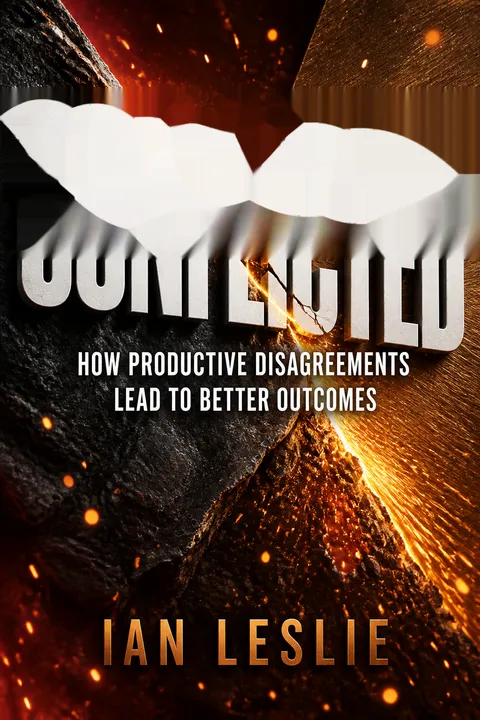

نکات کلیدی
۱. تعارض برای پیشرفت و نوآوری ضروری است
«تعارض چیزی نیست که انسانها گاهی به طور تصادفی درگیر آن شوند. این بخش حیاتی زندگی است – به معنای واقعی کلمه.»
تعارض محرک رشد است. اختلاف نظر نه تنها اجتنابناپذیر، بلکه برای توسعه فردی، حرفهای و اجتماعی ضروری است. تعارض دیدگاههای ما را به چالش میکشد، خلاقیت را تحریک میکند و به تصمیمگیری بهتر منجر میشود. نمونههایی از تعارض سازنده عبارتاند از:
- بحثهای داغ برادران رایت که به پیشرفتهای بزرگ در هوانوردی انجامید
- گفتگوهای سقراطی که مرزهای فکری در آتن باستان را گسترش داد
- تیمهای کاری که از طریق اختلاف نظرهای باز به عملکرد بالاتری دست یافتند
تعارض باعث نزدیکی میشود. برخلاف باور عمومی، تعارض میتواند در صورت مدیریت صحیح، روابط را تقویت کند. پژوهشها نشان میدهد:
- زوجهایی که در بحثهای سازنده شرکت میکنند، اغلب رضایت بیشتری دارند
- کودکانی که با والدین خود اختلاف نظر دارند، مهارتهای اجتماعی بهتری کسب میکنند
- تیمهایی که تفاوتها را به صورت آشکار مطرح میکنند، پیوندها و اعتماد قویتری میسازند
۲. اختلاف نظر مؤثر نیازمند ایجاد اعتماد است
«آغازها اهمیت دارند. پس چگونه شروع کنیم؟»
ایجاد ارتباط. پیش از ورود به مسائل بحثبرانگیز، باید پایهای از اعتماد و تفاهم متقابل بنا کرد. این روش توسط:
- مذاکرهکنندگان گروگان که اولویت را به برقراری ارتباط با گروگانگیران میدهند
- میانجیهای طلاق که با نقاط توافق، هرچند کوچک، آغاز میکنند
- مأموران پلیس موفق که علاقه واقعی به افراد ملاقاتشده نشان میدهند، به کار گرفته میشود
از جایی شروع کنید که طرف مقابل هست. پیش از پیش بردن خواستههای خود، وضعیت عاطفی و دیدگاه طرف مقابل را بپذیرید. این شامل:
- گوش دادن فعال و بازتاب دادن گفتهها
- نشان دادن همدلی نسبت به موضع آنها، حتی در صورت اختلاف نظر
- یافتن زمینههای مشترک یا تجربیات مشابه برای ساختن ارتباط
۳. نیاز به کنترل افکار و احساسات دیگران را رها کنید
«با بحث برای تغییر، احتمال تغییر آنها را کمتر میکنید.»
از واکنش اصلاحگر اجتناب کنید. تمایل به تصحیح یا متقاعد کردن دیگران اغلب نتیجه معکوس دارد و مقاومت آنها را افزایش میدهد. در عوض:
- بر درک دیدگاه آنها تمرکز کنید
- سوالاتی بپرسید که به خوداندیشی آنها کمک کند
- اجازه دهید خودشان به نتیجه برسند
ابهام را بپذیرید. درک کنید که افراد اغلب دیدگاههای متضاد را همزمان دارند. با پذیرش این پیچیدگی:
- فضای بحثهای ظریفتر فراهم میشود
- طرف مقابل احساس شنیده شدن و درک شدن میکند
- تغییر محتملتر میشود چون تعارضات درونی بررسی میشوند
۴. تفاوتهای فرهنگی در اختلافات را بشناسید و احترام بگذارید
«فرهنگ برای انسانها مانند آب برای ماهی است: نمیتوانیم آن را ببینیم چون در آن زندگی میکنیم.»
«عجیب بودن» خود را بشناسید. هنجارهای فرهنگی ما اغلب طبیعی به نظر میرسند اما ممکن است برای دیگران عجیب باشند. برای مدیریت اختلافات بین فرهنگی:
- از تعصبات و فرضیات فرهنگی خود آگاه باشید
- با کنجکاوی به تفاوتها نگاه کنید نه با قضاوت
- سعی کنید ارزشها و باورهای زیربنایی دیدگاههای دیگران را درک کنید
سبک ارتباطی خود را تطبیق دهید. فرهنگهای مختلف هنجارهای متفاوتی برای اختلاف نظر دارند. به موارد زیر توجه کنید:
- سبکهای ارتباطی با زمینه بالا یا پایین
- صراحت یا غیرمستقیم بودن در بیان اختلاف
- نقش سلسلهمراتب و حفظ آبرو در فرهنگهای مختلف
۵. کنجکاوی را پرورش دهید تا تعصب را کنار بزنید و فهم را افزایش دهید
«کنجکاوی بر تعصب غلبه میکند.»
تواضع فکری را بپذیرید. بپذیرید که دیدگاههای شما ممکن است ناقص یا نادرست باشد. این نگرش:
- شما را به اطلاعات و دیدگاههای جدید باز میکند
- از حالت تدافعی در اختلافات میکاهد
- به گفتوگوهای سازنده و پربار منجر میشود
سوالات بهتری بپرسید. به جای اثبات نظر خود، بر یادگیری تمرکز کنید:
- از سوالات باز برای کاوش دلایل دیگران استفاده کنید
- سعی کنید تجربیاتی که دیدگاه آنها را شکل داده بفهمید
- به دنبال نقاط توافق یا زمینههای مشترک به عنوان نقطه شروع باشید
۶. اشتباهات میتوانند روابط را تقویت کنند اگر به درستی مدیریت شوند
«یک خطا اوضاع را تکان میدهد. یا حداقل باید اینگونه باشد.»
به طور مؤثر عذرخواهی کنید. وقتی اشتباهی مرتکب میشوید:
- سریع و صادقانه آن را بپذیرید
- مسئولیت را بدون بهانهجویی قبول کنید
- توضیح دهید چگونه از تکرار آن جلوگیری خواهید کرد
از اشتباهات به عنوان فرصت استفاده کنید. اشتباهات میتوانند:
- شما را انسانیتر و قابل ارتباطتر کنند
- فرصتهایی برای درک عمیقتر و ارتباط بهتر ایجاد کنند
- تواضع و تمایل به یادگیری را نشان دهند
۷. الگوهای تکراری را بشکنید تا بحثها سازندهتر شوند
«اختلافات زمانی سمی میشوند که به نبرد برای کسب جایگاه تبدیل شوند.»
سناریو را تغییر دهید. وقتی بحثها تکراری یا خصمانه میشوند:
- مکان یا زمینه گفتوگو را تغییر دهید
- عناصر غیرمنتظرهای مانند شوخی یا فعالیتهای مشترک وارد کنید
- مسئله را از دیدگاهی متفاوت بازتعریف کنید
بر خلق کردن تمرکز کنید، نه بر پیروزی. به جای تلاش برای شکست دادن طرف مقابل:
- به دنبال راههایی برای ترکیب ایدهها و خلق راهحلهای نو باشید
- فرضیات و سناریوهای «اگر» را بررسی کنید
- لحظات توافق یا بینش غیرمنتظره را جشن بگیرید
۸. قوانین و محدودیتهای مشترک امکان بیان آزادانهتر را فراهم میکنند
«قوانین آزادی میآفرینند.»
قواعد پایه را تعیین کنید. دستورالعملهای روشن برای اختلاف نظر میتوانند:
- فضای امنتری برای بیان صادقانه فراهم کنند
- از تبدیل گفتوگو به حملات شخصی جلوگیری کنند
- اطمینان دهند که همه شرکتکنندگان شنیده و محترم شمرده میشوند
از قالبهای ساختاریافته استفاده کنید. چارچوبهای اختلاف نظر سازنده شامل:
- ساختارهای رسمی مناظره با زمانبندی و نقشهای مشخص
- تکنیک «استیلمن» که قویترین نسخه دیدگاه مخالف را مطرح میکند
- پلتفرمهای آنلاین مانند «تغییر دیدگاه من» با قوانین مشخص برای مشارکت
۹. احساسات خود را مدیریت کنید و زمان خشمگین شدن را انتخاب کنید
«هیچ نظریهای نمیتواند ما را کاملاً برای تجربه عاطفی اختلاف آماده کند.»
آگاهی عاطفی را تمرین کنید. محرکها و واکنشهای فیزیولوژیکی خود به تعارض را بشناسید:
- متوجه شوید چه زمانی ضربان قلبتان افزایش مییابد یا احساس تنش میکنید
- افکار یا باورهایی که واکنشهای عاطفی ایجاد میکنند را شناسایی کنید
- از تکنیکهایی مانند تنفس عمیق برای حفظ آرامش و تمرکز استفاده کنید
خشم را به صورت استراتژیک به کار ببرید. در حالی که خشم کنترلنشده مخرب است، ابراز هدفمند احساسات میتواند:
- اهمیت موضوع را نشان دهد
- موانع ارتباطی را بشکند
- انگیزه برای اقدام یا تغییر ایجاد کند
۱۰. اصالت بر تکنیکها در گفتوگوهای دشوار برتری دارد
«باید واقعاً منظور خود را داشته باشید.»
واقعاً کنجکاو باشید. علاقه یا همدلی ساختگی نشان ندهید:
- سوالاتی بپرسید که واقعاً پاسخ آنها را میخواهید
- افکار و احساسات خود را صادقانه به اشتراک بگذارید
- آماده باشید که گفتوگو شما را تغییر دهد
ابتدا به عنوان انسان ارتباط برقرار کنید. به یاد داشته باشید پشت هر اختلاف نظر، انسانهایی با امیدها، ترسها و تجربیات وجود دارند:
- به دنبال انسانیت مشترک باشید، حتی با کسانی که به شدت مخالفید
- آماده باشید آسیبپذیر باشید و مشکلات خود را به اشتراک بگذارید
- رابطه را بر پیروزی در بحث اولویت دهید
۱۱. اختلاف نظر را بازی بیپایان بدانید، نه نبردی برای پیروزی
«هدف دموکراسی، دموکراسی بیشتر است.»
تمرکز بر ادامه گفتوگو. به جای تلاش برای پیروزی قطعی در هر بحث:
- راههایی برای باز نگه داشتن دیالوگ بیابید
- لحظات پیشرفت یا افزایش فهم را جشن بگیرید
- آماده باشید موضوعات را با ظهور اطلاعات یا دیدگاههای جدید دوباره مطرح کنید
تنش سازنده را بپذیرید. جامعه یا رابطه سالم نیازمند:
- مذاکره مداوم بین منافع و ارزشهای متضاد
- توانایی نگه داشتن چند ایده گاه متناقض به طور همزمان
- تعهد به مواجهه با تفاوتها به جای اجتناب از آنها
خلاصه نقدها
کتاب «درگیری» نوشتهی ایان لزلی با استقبال بسیار مثبت منتقدان روبهرو شده است و بهخاطر بررسی عمیق و دقیق خود دربارهی اختلافنظرهای سازنده مورد تحسین قرار گرفته است. خوانندگان از سبک نوشتاری جذاب لزلی، بهرهگیری از مثالهای ملموس و ارائهی راهکارهای عملی برای مدیریت تعارضها استقبال کردهاند. این کتاب دیدگاه رایج را که اختلافنظرها ذاتاً منفی هستند به چالش میکشد و بهجای آن استدلال میکند که اگر بهصورت سازنده به آنها پرداخته شود، میتوانند موجب رشد، خلاقیت و تصمیمگیری بهتر شوند. بسیاری از منتقدان این اثر را تأملبرانگیز و قابلکاربرد در جنبههای مختلف زندگی، از روابط شخصی گرفته تا محیطهای حرفهای، دانستهاند. برخی نقدها نیز به تکرار مطالب یا کمبود اطلاعات نوآورانه اشاره داشتهاند.
دیگران نیز خواندهاند




سؤالات متداول
What’s Conflicted: How Productive Disagreements Lead to Better Outcomes by Ian Leslie about?
- Core premise: The book explores why disagreements often go wrong and how, when handled productively, they can lead to better outcomes in relationships, workplaces, and society.
- Interdisciplinary approach: Leslie draws on insights from psychology, negotiation, anthropology, and real-world examples like hostage negotiations and political conflicts.
- Focus on connection: Central to the book is the idea that honest human connection, emotional management, and understanding cultural differences are key to productive disagreement.
- Practical philosophy: Leslie offers both a philosophy and a toolkit for transforming toxic arguments into conversations that foster truth, intimacy, and innovation.
Why should I read Conflicted by Ian Leslie?
- Vital life skill: Productive disagreement is essential for personal relationships, workplace success, and the health of democracy, especially in a conflict-prone world.
- Unique insights: The book provides fresh perspectives, showing how conflict can foster closeness, creativity, and smarter decision-making.
- Actionable guidance: Leslie offers practical rules and strategies, not just theory, to help readers navigate difficult conversations with empathy and effectiveness.
- Real-world examples: Case studies from police interrogations, rock bands, and political negotiations illustrate the principles in action.
What are the key takeaways from Conflicted by Ian Leslie?
- Conflict is essential: Disagreement, when managed well, strengthens relationships, improves decisions, and fuels creativity.
- Relationship first: Trust, respect, and emotional connection are prerequisites for fruitful conflict.
- Avoid fight or flight: Instinctive aggression or avoidance is dysfunctional; learning to “let go of the rope” and resist controlling others is crucial.
- Harness bias and emotion: Confirmation bias and emotions can be harnessed for better group decisions if there’s a shared goal and open debate.
What are the “Rules of Productive Argument” in Conflicted by Ian Leslie?
- Nine rules summarized: The book distills productive disagreement into nine rules: First, connect; Let go of the rope; Give face; Check your weirdness; Get curious; Make wrong strong; Disrupt the script; Share constraints; Only get mad on purpose; plus the golden rule: Be real.
- Relationship before content: Establishing trust and making the other person feel valued is essential before tackling the substance of the disagreement.
- Embrace mistakes and curiosity: Acknowledging mistakes and fostering curiosity are key to overcoming bias and building understanding.
- Disrupt negative patterns: Breaking predictable argument scripts with novelty, humor, or empathy can open space for constructive dialogue.
How does Ian Leslie define and explain “productive disagreement” in Conflicted?
- Not just logic: Productive disagreement involves head, heart, and gut—logic, emotion, and intuition all play roles.
- Universal grammar: Leslie identifies a “universal grammar” of disagreement, drawing from experts in interrogation, therapy, and negotiation.
- Focus on growth: The goal is not to win but to learn, update views, and deepen relationships.
- Requires discipline: Productive disagreement is both a philosophy and a discipline, requiring conscious effort and skill.
How does Conflicted by Ian Leslie address the role of culture in disagreements?
- Culture as invisible water: Culture shapes how we see the world and communicate, often without us realizing it.
- WEIRD mindset: Leslie discusses how Western, Educated, Industrialized, Rich, Democratic (WEIRD) cultures differ fundamentally from others in reasoning and fairness perceptions.
- Misunderstandings from cultural clash: Disagreements often stem from clashes between different cultural worldviews and communication styles.
- Recognize your own biases: Understanding others requires seeing your own cultural assumptions, which are often mistaken for universal truths.
What does Conflicted by Ian Leslie say about the emotional dynamics of disagreement?
- Emotions shape thinking: Negative emotions like anger and sadness influence how we process information and respond in conflict.
- Managing escalation: Skilled negotiators control their emotions to prevent spirals of attack and defense, while unskilled ones escalate conflicts.
- Internal goal conflict: Leslie highlights the tension between lower-level goals (winning) and higher-level goals (relationship maintenance), urging readers to “kick the problem up a level.”
- Emotions as tools: Emotions can both help and hinder productive disagreement, so managing them is crucial.
How does Ian Leslie suggest handling mistakes and apologies in disagreements in Conflicted?
- Make wrong strong: Mistakes are inevitable but can strengthen relationships if acknowledged quickly and sincerely.
- Types of apologies: Leslie outlines basic, costly, commitment, and status apologies, each with different impacts.
- Costly apologies work best: Apologies that cost the apologizer something emotionally or materially are more effective at reducing conflict.
- Research-backed advice: Studies show sincere, costly apologies can even reduce malpractice lawsuits and foster trust.
What practical advice does Conflicted by Ian Leslie offer for stimulating curiosity in disagreements?
- Curiosity reduces bias: Scientific curiosity makes people more open to information that challenges their views, reducing partisan bias.
- Ask open questions: Use invitations like “Can you tell me more?” to show genuine interest and encourage elaboration.
- Foster epistemic emotions: Activating surprise and wonder, rather than anger or anxiety, keeps conversations open and productive.
- Model curiosity: Demonstrating curiosity yourself encourages others to reciprocate.
How does Conflicted by Ian Leslie address the impact of social media on disagreement?
- Internet fuels conflict: Social media platforms are designed to encourage disagreement, as it drives engagement and keeps users active.
- Low-context communication: Online interactions lack the rich context of face-to-face communication, making misunderstandings and hostility more likely.
- Echo chambers myth: Users often encounter diverse viewpoints, but this exposure can increase hostility rather than understanding.
- Moral outrage spreads: Platform algorithms incentivize outrage and negative emotions, often at the expense of genuine dialogue.
What are some real-world examples of productive disagreement in Conflicted by Ian Leslie?
- Wright brothers: Their intense but affectionate arguments led to innovation in aviation.
- Southwest Airlines: A culture of open conflict and respect among job functions improved coordination and profitability.
- Mandela and Viljoen: Mandela’s strategic respect transformed a deadly adversary into a political opponent, enabling peaceful democracy.
- Hostage negotiators: Experts use rapport, respect, and careful listening to de-escalate conflict and elicit cooperation.
What is the “infinite game” concept in Conflicted by Ian Leslie, and how does it relate to disagreement?
- Finite vs infinite games: Finite games have winners and losers; infinite games aim to continue play, fostering ongoing dialogue and learning.
- Democracy as infinite game: Democratic systems are designed to prevent permanent victory, encouraging continuous participation and adaptation.
- Disagreement as creativity: The goal is not to “win” but to create new understanding and solutions, making disagreement a creative, nourishing process.
- Sustaining relationships: Productive disagreement is about sustaining and enriching relationships, not ending them with a victory.
درباره نویسنده
کتابهای دیگر از یان لزلی

دانلود PDF
دانلود EPUB
.epub digital book format is ideal for reading ebooks on phones, tablets, and e-readers.








































