
نکات کلیدی
1. خودارضایی: یک عمل طبیعی و سالم در طول تاریخ
"در بیشتر تاریخ بشر، مردم بدون نگرانی یا عواقب، خودارضایی میکردند."
ریشههای باستانی. خودارضایی بخشی از رفتار انسانی برای هزاران سال بوده و شواهدی از دوران پیش از تاریخ به جا مانده است. یافتههای باستانشناسی و مشاهدات نزدیکترین خویشاوندان ما در دنیای پریماتها نشان میدهد که لذتجویی شخصی همیشه جنبهای طبیعی از جنسیت انسانی بوده است.
تغییرات فرهنگی. در حالی که تمدنهای اولیه اغلب خودارضایی را در هنر و اسطورهها بدون قضاوت اخلاقی به تصویر میکشیدند، نگرشها از قرن هجدهم به بعد تغییر کرد. انتشار کتاب "اونانیا" در لندن آغازگر دیدگاه خودارضایی به عنوان یک "بیماری" در عصر مدرن بود که منجر به قرنها اطلاعات نادرست و وحشت اخلاقی شد.
درک مدرن. امروزه، تحقیقات علمی دیدگاه خودارضایی به عنوان یک عمل طبیعی و سالم را تأیید میکند. با این حال، نگرشهای اجتماعی همچنان در حال تحول است و بسیاری از فرهنگها هنوز با مفاهیم قدیمی شرم و گناه در ارتباط با لذتجویی شخصی دست و پنجه نرم میکنند.
2. دیدگاههای مذهبی درباره خودارضایی: از محکومیت تا پذیرش
"اگر فکر میکنید جهنم جعلی است، آزادید که خودارضایی کنید."
نگرشهای سنتی. بسیاری از ادیان بزرگ به طور تاریخی خودارضایی را به عنوان عملی گناهآلود یا ناسالم محکوم کردهاند:
- کاتولیکها: آن را "عملی به شدت نامناسب" میدانند
- مومنان: مصاحبههای "شایستگی" برای جلوگیری از این عمل انجام میدهند
- یهودیت و اسلام: اغلب آن را هدر دادن و مخالف تولید مثل میدانند
نگرشهای در حال تحول. برخی از رهبران مذهبی و جنبشها شروع به پذیرش دیدگاههای پیچیدهتری کردهاند:
- خواهر مارگارت فارلی: برای موضعی پذیرندهتر در کاتولیکها استدلال کرده است
- دکتر روت وستهایمر: فواید خودارضایی را از منظر یهودی ترویج کرده است
- تفسیرهای مذهبی لیبرال: به طور فزایندهای خودارضایی را طبیعی و سالم میدانند
شیطانپرستی و آزادی جنسی. در مقابل ادیان سنتی، شیطانپرستی مدرن به طور صریح خودارضایی را به عنوان شکلی از آزادی و لذت شخصی تأیید میکند.
3. افسانه نگهداری مایع منی و ادعاهای شبهعلمی آن
"مایع منی انرژی و مواد مغذی حیاتی را در خود دارد. سوءتفاهم این است که چه کسی یا چه چیزی از انرژی و مواد مغذی حیاتی بهرهمند میشود."
ریشههای تاریخی. باور به اینکه نگهداری مایع منی فواید سلامتی دارد، به قرنها پیش برمیگردد و شخصیتهایی مانند سیلوستر گراهام در قرن نوزدهم ترویج خودداری را میکردند.
تجلیات مدرن. امروزه، این ایدهها در اشکال مختلفی ادامه دارند:
- جنبش NoFap: ادعا میکند که خودداری تستوسترون و مردانگی را افزایش میدهد
- باورهای الهامگرفته از تائو: استدلال میکنند که انزال انرژی حیاتی را کاهش میدهد
- ایدئولوژی برتریطلبی سفید: نگهداری مایع منی را به "پاکی" نژادی مرتبط میداند
واقعیت علمی. تحقیقات ادعای فواید سلامتی قابل توجهی از نگهداری مایع منی را تأیید نمیکند:
- سطح تستوسترون: شواهدی از افزایش مداوم به دلیل خودداری وجود ندارد
- از دست دادن مواد مغذی: تأثیر ناچیزی بر سلامت کلی
- اثرات جسمی و روانی: اغلب روانتنی یا مبتنی بر باورهای اخلاقی هستند
4. رد "اعتیاد به خودارضایی" و درک ناهماهنگی اخلاقی
"زیرا واقعیت این است که احتمالاً شما بیش از حد خودارضایی نمیکنید. بعید است که مکانیزمهای عصبی اعتیاد به خودارضایی را داشته باشید. احتمالاً شما کاملاً خوب هستید."
مدل اعتیاد. برخی از درمانگران و سازمانها ایده اعتیاد به خودارضایی یا پورن را ترویج میکنند، که اغلب بر اساس اصول اخلاقی به جای علمی است.
کمبود شواهد. تحقیقات کنونی طبقهبندی خودارضایی بیش از حد به عنوان اعتیاد را تأیید نمیکند:
- عدم وجود علائم تحمل یا ترک
- در DSM-5 گنجانده نشده است
- اغلب نشانهای از مسائل دیگر (مانند اضطراب، افسردگی) است
ناهماهنگی اخلاقی. بسیاری از موارد اعتیاد ادراک شده ناشی از تضاد بین ارزشهای شخصی و رفتار است:
- باورهای مذهبی که با تمایلات جنسی در تضاد است
- انگ اجتماعی که باعث شرم و گناه میشود
- انتظارات غیرواقعی درباره رفتار جنسی "طبیعی"
رویکردهای جایگزین. به جای برچسب زدن به خودارضایی به عنوان اعتیاد، بر روی:
- پرداختن به مسائل عاطفی یا روانی زیرین
- به چالش کشیدن باورهای مضر درباره جنسیت
- ترویج نگرشهای سالم نسبت به لذتجویی شخصی تمرکز کنید
5. حقیقت درباره تأثیرات پورن بر افراد و روابط
"پس از پنجاه سال تحقیق درباره پورن، چیزهای کمی میتوان به طور قاطع درباره تأثیر تماشای افراد در حال رابطه جنسی در فیلم گفت."
ادعاهای متضاد. گروههای مختلف ادعا میکنند که پورن به طور ذاتی مضر است:
- سازمانهای مذهبی: ادعا میکنند که غیر اخلاقی و مخرب برای روابط است
- برخی فمینیستها: استدلال میکنند که این امر خشونت علیه زنان را ترویج میکند
- برتریطلبان سفید: باور دارند که این یک توطئه برای تضعیف نژادشان است
محدودیتهای تحقیق. مطالعات درباره تأثیرات پورن اغلب با مشکلات روششناختی مواجه هستند:
- کمبود تعاریف سازگار
- طراحیهای تحقیقاتی مغرضانه
- عدم توجه به تفاوتهای فرهنگی و فردی
درک کنونی. در حالی که تحقیقات بیشتری لازم است، شواهد موجود نشان میدهد:
- هیچ ارتباط واضحی بین استفاده غیرخشونتآمیز از پورن و پرخاشگری جنسی وجود ندارد
- یافتههای مختلط درباره رضایت در روابط
- فواید بالقوه برای برخی افراد و زوجها
- اهمیت در نظر گرفتن باورهای اخلاقی و زمینه فرهنگی
6. کاوش در لذت جنسی: از خودارضایی هدایتشده تا اسباببازیهای جنسی
"خودارضایی ما را آزاد میکند تا لذت جنسی را تنها بر اساس شرایط خود تجربه کنیم و به ما اجازه میدهد که تعریف جدیدی از رابطه جنسی ارائه دهیم."
رویکردهای درمانی. درمانگران جنسی تکنیکهایی را برای کمک به افراد در کاوش و افزایش لذت جنسی خود توسعه دادهاند:
- خودارضایی هدایتشده: به زنان کمک میکند تا به ارگاسم برسند
- تکنیک توقف-شروع: به مردان در کنترل انزال کمک میکند
انقلاب اسباببازیهای جنسی. توسعه و پذیرش عمومی اسباببازیهای جنسی گزینههای لذتجویی شخصی را گسترش داده است:
- زمینه تاریخی: از دildoهای باستانی تا ویبراتورهای مدرن
- گزینههای متنوع: پاسخگویی به سلیقهها و نیازهای مختلف
- نرمالسازی: پذیرش فزاینده در فرهنگ عمومی
کاوش و ایمنی. در حالی که آزمایش با تکنیکها و اسباببازیهای خودارضایی میتواند لذتبخش باشد، مهم است که ایمنی را در اولویت قرار دهید:
- استفاده از مواد ایمن برای بدن
- رعایت شیوههای بهداشتی مناسب
- آگاهی از خطرات بالقوه (مانند وارد کردن اجسام خارجی)
7. خودارضایی در طول زندگی: از کودکی تا پیری
"خودارضایی بخشی از تجربه انسانی از تولد تا مرگ است."
کودکی و نوجوانی. خودارضایی بخشی طبیعی از توسعه جنسی است:
- خودارضایی جنینی: در رحم مشاهده شده است
- کاوش در کودکی: کنجکاوی طبیعی درباره بدنها
- خودشناسی نوجوانی: یادگیری درباره لذت جنسی
بزرگسالی. خودارضایی همچنان نقش مهمی در جنسیت بزرگسالان ایفا میکند:
- کاهش استرس و آرامش
- کاوش جنسی و خودشناسی
- حفظ سلامت جنسی در زمان عدم دسترسی به شریک
سنین بالا. بزرگسالان مسنتر همچنان به خودارضایی ادامه میدهند، هرچند که ممکن است فراوانی آن کاهش یابد:
- سازگاری با تغییرات جسمی
- مدیریت مراقبتهای بهداشتی و زندگی کمکی
- گنجاندن خودارضایی در مراقبتهای پایان عمر
8. تجاریسازی و جرمانگاری خودارضایی
"در نظر گرفتن فروش دildoها به عنوان خطرناکتر از فروش اسلحههای دستی و تفنگهای نیمهخودکار، بهویژه در تگزاس نیست."
نبردهای قانونی. برخی از حوزهها تلاش کردهاند فروش اسباببازیهای جنسی را جرمانگاری کنند:
- مورد تگزاس: زنی به خاطر فروش یک دildo دستگیر شد
- چالشها علیه قوانین محدودکننده بر اساس حقوق اساسی
کار جنسی و خودارضایی. اشکال مختلف فعالیتهای جنسی تجاری شامل خودارضایی هستند:
- نمایشهای دیدنی: در گذشته محبوب، اکنون در حال کاهش
- کمدینگ: افزایش عملکردهای آنلاین
- باشگاههای خودارضایی: فضاهایی برای خودارضایی جمعی
ملاحظات اخلاقی. مباحث مربوط به تجاریسازی خودارضایی شامل:
- حقوق و ایمنی کارگران
- انگ و تبعیض
- تعادل بین آزادی شخصی و سیاست عمومی
9. خودارضایی به عنوان خودمراقبتی و آزادی
"خودارضایی صرفاً یک لحظه لذت است."
زمینه تاریخی. فروشگاههای جنسی فمینیستی اولیه خودارضایی را به عنوان ابزاری برای آزادی و توانمندسازی جمعی میدیدند.
صنعت سلامت مدرن. امروزه، خودارضایی اغلب به عنوان شکلی از خودمراقبتی بازاریابی میشود:
- کاهش استرس و آرامش
- بهبود خواب و خلق و خو
- افزایش آگاهی از بدن و عزت نفس
تعادل در نگرشها. در حالی که خودارضایی میتواند مفید باشد، مهم است که از:
- بزرگنمایی ادعاهای سلامتی
- نادیده گرفتن مسائل سیستمی که باعث استرس میشوند
- تجاریسازی لذت جنسی به قیمت آزادی واقعی پرهیز شود
خودمختاری شخصی. در نهایت، خودارضایی درباره انتخاب و لذت فردی است:
- آزادی از شرم و گناه
- کاوش در بدن و تمایلات خود
- پذیرش ترجیحات و شیوههای جنسی متنوع
خلاصه نقدها
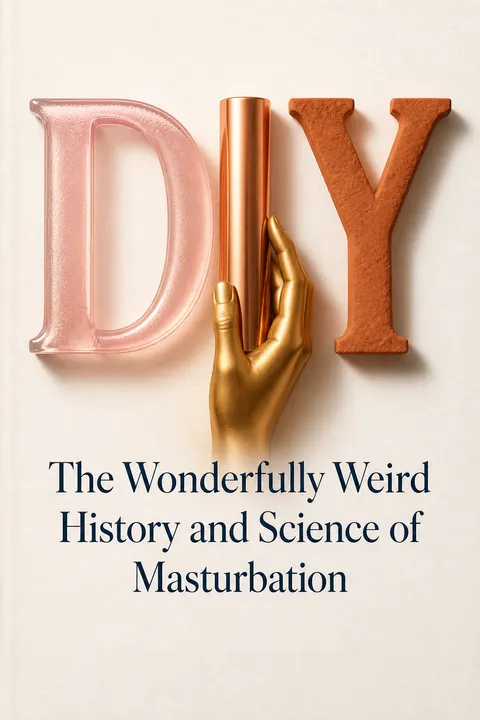
کتاب DIY به دلیل رویکرد آموزنده، طنزآمیز و بدون شرم به موضوع خودارضایی مورد تحسین قرار گرفته است. خوانندگان از ترکیب زمینه تاریخی، تحقیقات علمی و نظرات شوخطبعانهی اسپرانکل قدردانی میکنند. این کتاب به عنوان یک منبع آموزشی شناخته میشود که به افسانهزدایی و پرداختن به تابوهای فرهنگی میپردازد. بسیاری از منتقدان آن را هم سرگرمکننده و هم روشنگر یافتهاند و آن را به مربیان جنسی، درمانگران و هر کسی که به سلامت جنسی علاقهمند است توصیه میکنند. برخی به پتانسیل آن برای درمان شرم مرتبط با لذت شخصی اشاره کردهاند. به طور کلی، این کتاب به دلیل سبک نوشتاری قابل دسترس و پوشش جامع موضوع به خوبی مورد استقبال قرار گرفته است.
سؤالات متداول
What is "DIY: The Wonderfully Weird History and Science of Masturbation" by Eric Sprankle about?
- Comprehensive exploration: The book examines the history, science, and cultural attitudes toward masturbation, debunking myths and highlighting both the oppression and liberation of self-pleasure.
- Blend of genres: It combines health science, narrative storytelling, and prescriptive advice, all delivered with an irreverent and accessible tone.
- Focus on misinformation: Sprankle addresses the persistence of pseudoscientific and moralistic beliefs about masturbation, from religious dogma to modern wellness influencers.
- Advocacy for liberation: The book ultimately aims to normalize masturbation as a healthy, pleasurable, and shame-free part of human sexuality.
Why should I read "DIY: The Wonderfully Weird History and Science of Masturbation" by Eric Sprankle?
- Debunks persistent myths: The book provides evidence-based answers to common misconceptions about masturbation, including health risks and moral judgments.
- Engaging and humorous: Sprankle’s witty, irreverent style makes complex topics approachable and entertaining.
- Inclusive and comprehensive: It covers a wide range of perspectives, from religious and cultural prohibitions to sex-positive movements and scientific research.
- Practical guidance: Readers gain not only historical and scientific context but also advice on healthy attitudes and practices regarding masturbation.
What are the key takeaways from "DIY: The Wonderfully Weird History and Science of Masturbation"?
- Masturbation is normal: Across history, cultures, and even the animal kingdom, masturbation is a common and healthy behavior.
- Myths persist: Despite scientific evidence, pseudoscientific and moralistic myths about masturbation’s dangers remain widespread.
- Shame is learned: Feelings of guilt and shame around masturbation are culturally and religiously constructed, not inherent.
- Liberation is possible: Embracing masturbation as self-care and pleasure can be empowering, and the book encourages readers to reject shame and misinformation.
How does Eric Sprankle address the history of anti-masturbation beliefs in "DIY: The Wonderfully Weird History and Science of Masturbation"?
- Historical roots: The book traces anti-masturbation beliefs from early 18th-century pamphlets like "Onania" to 19th-century figures like Dr. Kellogg and Reverend Graham.
- Religious influence: Sprankle details how major religions (Christianity, Judaism, Islam) have condemned masturbation, often linking it to sin and disease.
- Pseudoscience and moral panic: He explores how medical professionals and wellness gurus have perpetuated unfounded health fears about masturbation.
- Modern parallels: The book connects historical crusades to contemporary anti-masturbation movements, showing how old ideas persist in new forms.
What scientific evidence about masturbation does "DIY: The Wonderfully Weird History and Science of Masturbation" present?
- Health impacts: The book reviews research showing masturbation is not harmful and may even have health benefits, such as stress relief and improved sexual function.
- Semen retention myths: Sprankle debunks claims that ejaculation depletes vital energy or nutrients, explaining the actual biology of semen and orgasm.
- Addiction debate: He discusses the lack of scientific consensus on "masturbation addiction," highlighting the role of moral incongruence over true dependency.
- Porn and the brain: The book critically examines studies on pornography and brain changes, emphasizing the lack of causal evidence for harm.
How does "DIY: The Wonderfully Weird History and Science of Masturbation" by Eric Sprankle address masturbation in childhood and adolescence?
- Early onset: The book explains that masturbation can begin in infancy and is a normal part of child development.
- Parental and societal reactions: Sprankle discusses how adults often misinterpret or punish childhood masturbation due to ignorance or discomfort.
- Sex education: He advocates for comprehensive, age-appropriate sex education that normalizes masturbation and reduces shame.
- Learning shame: The book explores how silence, punishment, and religious teachings instill guilt and confusion about self-pleasure from a young age.
What does Eric Sprankle say about the intersection of religion and masturbation in "DIY: The Wonderfully Weird History and Science of Masturbation"?
- Religious prohibitions: The book details how Catholicism, Mormonism, Judaism, and Islam have historically condemned masturbation as sinful.
- Scriptural interpretations: Sprankle analyzes biblical and Talmudic stories (like Onan) and how they’ve been used to justify anti-masturbation stances.
- Modern religious movements: He examines contemporary religious figures and online communities that continue to promote abstinence and guilt.
- Counterexamples: The book also highlights religious moderates and alternative spiritualities (like Satanism) that embrace or normalize masturbation.
How does "DIY: The Wonderfully Weird History and Science of Masturbation" address the concept of masturbation addiction and its treatment?
- Questioning addiction: Sprankle argues that "masturbation addiction" is not a medically recognized disorder and is often rooted in moral or religious conflict.
- Moral incongruence: The book introduces the concept that distress over masturbation usually arises when behavior conflicts with personal or cultural values.
- Treatment industry critique: He critiques expensive and unproven treatment programs, such as 12-step groups and residential clinics, for over-pathologizing normal behavior.
- Healthy coping: Sprankle suggests that masturbation can be a healthy coping mechanism and that therapy should focus on underlying issues, not just reducing frequency.
What unique or lesser-known concepts about masturbation are explored in "DIY: The Wonderfully Weird History and Science of Masturbation"?
- Semen retention and culture-bound syndromes: The book discusses Dhat syndrome, Taoist beliefs about semen, and the modern NoFap movement.
- Sex toys and legal battles: Sprankle covers the history of dildos, vibrators, and the criminalization of sex toys in places like Texas.
- Masturbation techniques and therapy: He explains directed masturbation, edging, gooning, muffing, and the use of sex toys for self-exploration.
- Communal masturbation: The book explores peep shows, camming, jack-off clubs, and the social aspects of mutual masturbation.
How does "DIY: The Wonderfully Weird History and Science of Masturbation" discuss the role of masturbation in aging and end-of-life care?
- Masturbation in older adults: The book dispels the myth that sexuality ends with age, showing that many older adults continue to masturbate for pleasure and well-being.
- Assisted living challenges: Sprankle addresses issues of privacy, staff attitudes, and the need for sexual autonomy in long-term care facilities.
- Palliative care: He advocates for recognizing sexual needs, including masturbation, as part of quality end-of-life care.
- Grief and remembrance: The book even explores mourning rituals involving masturbation, such as using sex dolls or mementos to honor deceased partners.
What are the best quotes from "DIY: The Wonderfully Weird History and Science of Masturbation" by Eric Sprankle and what do they mean?
- "Sexual progressiveness, from a historical perspective, is not a linear process. It has always been two orgasms forward, one orgasm back." — Highlights the non-linear, often regressive nature of sexual liberation.
- "Masturbation is simply a moment of pleasure." — Emphasizes the book’s core message that masturbation need not be pathologized or overanalyzed.
- "The god assigned to you at birth does not have to be yours for your entire life. If it is religion and spirituality you seek, find a religious and spiritual home that aligns with your pleasure." — Encourages readers to question inherited beliefs and seek personal fulfillment.
- "You should be free to masturbate on your own time when you desire it. The liberty to masturbate in bed. To masturbate in the shower. To masturbate while eating corn flakes and fantasizing about flogging Dr. Kellogg." — Uses humor to advocate for sexual autonomy and freedom from shame.
What practical advice or recommendations does Eric Sprankle offer in "DIY: The Wonderfully Weird History and Science of Masturbation"?
- Embrace pleasure: Masturbation is a healthy, normal, and pleasurable activity that should be free from guilt and shame.
- Question myths: Be skeptical of claims about health risks, addiction, or moral decay associated with masturbation, especially those lacking scientific support.
- Communicate openly: Discuss masturbation and sexual boundaries with partners, children, or caregivers to foster understanding and reduce secrecy.
- Prioritize self-care: Use masturbation as one of many self-care tools, but recognize that it’s not a cure-all for life’s problems—address underlying stressors when possible.
What is the overall message and impact of "DIY: The Wonderfully Weird History and Science of Masturbation" by Eric Sprankle?
- Liberation over shame: The book’s central message is to liberate masturbation from centuries of stigma, misinformation, and moral panic.
- Science over superstition: Sprankle urges readers to rely on scientific evidence and personal experience rather than outdated or pseudoscientific beliefs.
- Celebrate diversity: The book acknowledges the wide range of human sexual expression and encourages acceptance of individual differences.
- Empowerment and autonomy: Ultimately, Sprankle advocates for sexual autonomy, self-acceptance, and the right to enjoy one’s body without interference from external authorities.
دانلود PDF
دانلود EPUB
.epub digital book format is ideal for reading ebooks on phones, tablets, and e-readers.








































