
نکات کلیدی
۱. ماتریالیسم گوتیک و نقشهی خط صاف بیجان
در ماتریالیسم گوتیک، خط صاف جایی است که همهچیز رخ میدهد؛ سوی دیگر، پشت یا فراتر از پردههای (سوژهمندی)، محل فرایند اولیهای که هویت در آن تولید (و گسسته) میشود: «خط بیرون».
فراتر از زندگی و مرگ. ماتریالیسم گوتیک رویکردی است که «خط صاف» را بهعنوان حوزهای از حضور رادیکال مینگرد که در آن تمایز میان جاندار و بیجان فرو میریزد. این دیدگاه به ماوراء طبیعی نمیپردازد بلکه به «تداوم بیارگانیک» اشاره دارد که در آن کنشگری مستقل از مفاهیم سنتی زندگی یا سوژهمندی وجود دارد. این نگرش، ماتریالیسم و ایدهآلیسم مرسوم را به چالش میکشد.
وورینگر و دلوز-گاتاری. ماتریالیسم گوتیک با الهام از ویلهلم وورینگر و دلوز-گاتاری، گوتیک را نه با ارواح یا اشباح، بلکه با «زندگی غیرارگانیک» یا «مکانیک زنده» میشناسد. این ماتریالیسم انتزاعی بر فرایندهای تولید موجودات زنده تمرکز دارد و بدنها را نه بهعنوان اشکال ثابت، بلکه بهعنوان رویدادها یا فرایندها میبیند.
سایبرپانک این را ثبت میکند. داستانهای سایبرپانک، مانند تحلیل مارک فیشر، ورود این تداوم بیارگانیک را در فرهنگ معاصر ثبت میکنند. آثاری چون نورومانسر از اصطلاح «خط صاف» برای توصیف حالتهایی میان زندگی و مرگ یا زندگی شبیهسازیشده بهره میبرند و نشان میدهند چگونه سرمایهداری سایبرنتیک سوژهمندی سنتی را رمزگشایی کرده و این سطح مادی زیرین را آشکار میسازد.
۲. سایبرنتیک واقعیت را از طریق بازخورد و کد بازسازی میکند
کنترل سایبرنتیک، تولید از طریق مدلها، مدولاسیون تفاضلی، بازخورد، پرسش/پاسخ و غیره: این پیکربندی عملیاتی نوین است.
حلقههای بازخورد حاکمند. سایبرنتیک، بهویژه مفهوم بازخورد (چه منفی برای حفظ ثبات و چه مثبت برای فرایندهای فرار)، کلید فهم سیستمهای معاصر است. این مفهوم نشان میدهد چگونه ماشینها، موجودات و نظامهای اجتماعی رفتار آینده را بر اساس عملکرد گذشته تنظیم میکنند و مرزهای سنتی میان آنها را محو میسازد.
فراتر از دوگانگی دکارتی. نوربرت وینر، بنیانگذار سایبرنتیک، آن را بهعنوان چالشی برای جدایی ذهن/بدن و انسان/ماشین دکارتی میدید. با توصیف همه سیستمهای کاری بهصورت ورودی و خروجی اطلاعات، سایبرنتیک «تمثیل عملکردی» را آشکار میکند که به گفته بودریار در سرمایهداری متأخر فراتر از تمثیل صرف میرود.
سرمایهداری سایبرنتیک میشود. فیشر معتقد است سرمایهداری که همواره سیستمی تطبیقی بوده، وارد مرحلهای «سایبرنتیک و اطلاعاتی» شده است که شامل:
- بردگی ماشینی (انسانها به اجزای ماشین بدل میشوند)
- تسلیم اجتماعی (انسانها تحت سلطه ماشینها)
- ترکیب جدیدی از هر دو قطب
- جوامع کنترلی مبتنی بر نظارت مستمر و ارتباط فوری
۳. پسامدرنیته انفجار اسکیزوفرنیک سوژهمندی است
ویژگی [اسکیزو] کمتر از دست دادن واقعیت، سالها دوری از واقعیت، رنج فاصله و جدایی رادیکال است، بلکه برعکس، نزدیکی مطلق، آنی بودن کامل امور، احساس بیدفاعی و عدم عقبنشینی است.
کاهش تأثیر و وجد. نظریه پسامدرن، بهویژه در جیمسون و بودریار، تغییر در تجربه سوژهای را توصیف میکند. جیمسون از «کاهش تأثیر» سخن میگوید که جای خود را به «شدتهایی» داده است که «آزاد و بیشخصیت» هستند و غالباً تحت سلطه نوعی «شیدایی خاص» قرار دارند. بودریار این را «وجد» مینامد که از اتصال به شبکههای سایبرنتیک ناشی میشود.
از دست رفتن فضای خصوصی. مکلوهان، بودریار و لاش شرح میدهند چگونه رسانهها، بهویژه تلویزیون، تمایز میان فضای عمومی و خصوصی را از بین میبرند. خانه به «ترمینال» تبدیل میشود که دنیای عمومی شبیهسازیشده را منتقل میکند. این «صمیمیت زشت» یا «فحشا» به از دست رفتن خود محدود شده منجر میشود.
اسکیزوفرنی بهعنوان وضعیت فرهنگی. این فروپاشی خود بهعنوان نوعی «اسکیزوفرنی» نظریهپردازی میشود، نه لزوماً بالینی بلکه فرهنگی. ویژگیهای آن عبارتاند از:
- فروپاشی زمان متوالی (جیمسون)
- تجربه حالهای خالص و نامرتبط
- نزدیکی مطلق و فقدان عقبنشینی (بودریار)
- احساس غرق شدن در محرکها
۴. نظریه-داستان مرز میان متن و جهان را محو میکند
سرنوشت متزلزل و نامشخص، هم داستان علمی-تخیلی و هم نظریه را بهعنوان ژانرهای مشخص پایان میدهد.
داستان نظری میشود. بودریار معتقد بود با ظهور «شبیهسازیهای مرتبه سوم» (سایبرنتیک)، نظریه و داستان دیگر نمیتوانند بهعنوان ژانرهای جداگانه وجود داشته باشند. متون سایبرپانک مانند بلید رانر و نورومانسر بهشدت نظری دیده میشوند که نه تنها منتظر تفسیر بلکه خود نظریه را اجرا میکنند.
واقعیت داستانی میشود. این فقط متنها نیستند که نظریه میشوند؛ بلکه واقعیت داستانی میشود. مفاهیمی چون «فضای سایبری» گیبسون به دنیای واقعی منتقل میشوند. خود سرمایهداری بهعنوان «داستانی با رشد کمی» (سرمایه) دیده میشود که اجتماع را در فرایند غیرقابل بازگشت مصنوعیسازی جذب میکند.
فراتر از بازنمایی. در این عصر سایبرنتیک، داستان صرفاً بازنمایی نیست. نه تنها جهان را منعکس میکند بلکه با آن «ریزوم» میسازد، «تکامل موازی» که داستان و جهان بهطور متقابل بر هم تأثیر میگذارند و یکدیگر را میسازند. این «رئالیسم سایبرنتیک» یا «رئالیسم درباره ابرواقعی» جایگزین شیوههای قدیمی میشود.
۵. بدن بدون ارگان مادهای انتزاعی و فشرده است
بدن بدون ارگان مادهای است که همیشه فضا را تا درجات مشخصی از شدت پر میکند و اشیاء جزئی این درجات، این بخشهای فشردهاند که واقعیت را در فضا از ماده بهعنوان شدت صفر تولید میکنند.
فراتر از ارگانیسم. ماتریالیسم گوتیک از مفهوم بدن بدون ارگان (BwO) بهره میبرد که از آرتو و اسپینوزا از طریق دلوز-گاتاری گرفته شده است تا مفهوم سنتی بدن بهعنوان موجودی بسته و سازمانیافته را نقد کند. BwO نه فقدان بلکه صفحهای از پتانسیل است، «تداوم بیارگانیک» متمایز از ارگانیسم.
مقادیر فشرده. BwO با «شدتها» پر شده است، نه مقادیر گسترده. با الهام از کانت، شدت بهعنوان درجهای فهمیده میشود که میتواند بینهایت کاهش یابد اما هرگز ناپدید نمیشود. این امکان فهم متفاوتی از فضا و فردیت را فراهم میآورد که در آن کیفیتها با درجات شدت مرتبطاند.
بدنهای سایبرپانک. متون سایبرپانک این مفهوم را از طریق تصاویر بدنهایی که در حالتهای شدید قرار دارند بررسی میکنند:
- حالت کاتاتونیک کیس در نورومانسر («تصویر بدن که در راهروهای آسمان تلویزیون محو میشود»)
- «بدن بدون تصویر» بودریار تحت تأثیر روانگردانها
- بدنهای جهشیافته کروننبرگ در ویدئودروم
اینها بدنهایی هستند که ارگانهایشان لغو شده و به تأثیرات فراارگانی و «سفرهای فشرده» باز میشوند.
۶. تکثیر گوتیک جایگزین تولیدمثل جنسی میشود
تکثیر از طریق همهگیری و سرایت هیچ ربطی به نسب از طریق وراثت ندارد، حتی اگر این دو موضوع در هم تنیده و به هم نیازمند باشند. خونآشام نسب نمیدهد، بلکه آلوده میکند.
فراتر از نسب. تولیدمثل سنتی (جنسی، وراثتی) بهعنوان مدل «نسبی» دیده میشود که ویژگیها را بهصورت سلسلهمراتبی و درختی منتقل میکند. ماتریالیسم گوتیک، پیرو دلوز-گاتاری، این را در برابر «تکثیر» یا «سرایت» قرار میدهد که شیوهای غیرجنسی و ریزومی از بازتولید است.
اتحادات غیرطبیعی. تکثیر از طریق «مشارکتهای غیرطبیعی» یا «ازدواجهای بر ضد طبیعت» رخ میدهد؛ اتحاد میان عناصر ناهمگون (انسان، حیوان، ماشین، ویروس). این موضوع درباره شباهت یا نسب نیست بلکه درباره بهدست آوردن کد و افزایش ظرفیت است، همانطور که در مثال زنبور-ارکیده دیده میشود.
زنوژنز ماشینی. سایبرپانک این را از طریق:
- رپلیکنتها در بلید رانر (تولیدشده از «ماتریس نظامی-صنعتی»، نه یک زوج)
- استدلال ساموئل باتلر که انسانها بخشی از سیستم تولیدمثل ماشینها هستند
- تصویر «کارخانه زنبور» گیبسون در نورومانسر (دترریتواریزاسیون تولیدمثل به بازتولید ماشینی)
کاوش میکند. این «زنوژنز» است، تکثیر بیگانه که از شبکه تولیدمثل جنسی و نسب سنتی فرار میکند.
۷. ابرطبیعتگرایی طبیعت را بهعنوان مصنوعی غیرطبیعی میبیند
ماتریالیسم گوتیک معادل ابرطبیعتگرایی است.
فراتر از طبیعتگرایی و ماوراءطبیعتگرایی. ابرطبیعتگرایی بهعنوان تشدید طبیعتگرایی ارائه میشود که فراتر از بحثهای قدیمی حیاتیگرایی/مکانیکی حرکت میکند. این دیدگاه طبیعت را نه بهعنوان سامانهای منظم بلکه بهعنوان چیزی میبیند که دائماً از طریق «مشارکتهای غیرطبیعی» بر خود غلبه میکند.
تکنوسفر بهعنوان طبیعت دوم. متون سایبرپانک مانند نورومانسر محیط را بهعنوان «طبیعت دوم واسطهای» تصویر میکنند که آسمان رنگ تلویزیون دارد و روی کانال مرده تنظیم شده است. این فقط فناوری نیست که طبیعت را گسترش میدهد؛ بلکه تکنوسفر از اکوسفر غیرقابل تمایز میشود.
مصنوع واقعیت را میسازد. در ابرطبیعتگرایی، تمایز میان طبیعی و مصنوعی فرو میریزد زیرا خود واقعیت از مصنوع تشکیل شده است. این نه توهم معرفتشناختی بلکه شرایط مادی است که در آن:
- سرمایه بهعنوان «داستانی با رشد کمی» عمل میکند
- پروتکلهای زیستی و روانی-اجتماعی هویت تولید میکنند
- تمایز طبیعی از مصنوعی بهشدت ناممکن است
۸. رسانه قدرت لمسی فراتر از نمایش را اعمال میکند
فحشا زمانی آغاز میشود که دیگر نمایشی وجود ندارد. [...]
از نمایش به فحشا. بودریار استدلال میکند که رسانههای معاصر، بهویژه تلویزیون، فراتر از «جامعه نمایش» رفتهاند. رسانهها بهجای بازنمایی واقعیت جداگانه، «فحشا» خلق میکنند؛ وضعیتی از «نزدیکی مطلق» و «صمیمیت زشت» که تمایز میان عمومی و خصوصی را محو میکند.
ارتباط لمسی. ایده مکلوهان درباره تلویزیون بهعنوان «رسانه لمسی» بازتفسیر میشود. لمسی بودن فقط لمس نیست؛ بلکه مدار «مشارکتی» است که بیننده را جذب کرده و بخشی از سیستم میسازد. این جایگزین فاصله و بازتابی میشود که رسانههای قدیمیتر مانند فیلم داشتند.
رسانه بهعنوان دستگاه کنترل. ویدئودروم نمونهای از این تغییر است. سیگنال ویدئودروم فناوری «لمسی» است که نه تنها تحریک میکند بلکه بدن را دگرگون میسازد. رسانه و اعتیاد همگرا میشوند و بهعنوان «ماشینهای درهمتنیده دستکاری بدنی» عمل میکنند که قدرت نه از طریق سرکوب بلکه با اتصال بدنها به مدارهای تحریک بازخورد مثبت اعمال میشود.
۹. شبیهسازی انتقام میگیرد چون اشیاء شورش میکنند
امکان دارد شیء چیزی به ما بگوید، اما بالاتر از همه امکان دارد انتقام خود را بگیرد!
فراتر از شباهت. «نظم شبیهسازی» بودریار تغییر تاریخی از نسخههایی بر اساس شباهت (مرتبه اول) به نسخههایی بر اساس معادل عملکردی (مرتبه دوم) و نهایتاً مدلهایی که واقعیت را پیش میسازند (مرتبه سوم) را توصیف میکند. این به «انتقام شبیهسازی» میانجامد که در آن اشیاء نقش منفعل خود را رد میکنند.
ماشینها بیتفاوت بازتولید میکنند. ساموئل باتلر در ارِوون پیشبینی کرده بود که ماشینها در حال حاضر خود را بازتولید میکنند و انسانها را واسطه قرار میدهند. این فقط تولید انبوه نیست بلکه تکثیر خود ماشینهاست که به «هژمونی ربات» منجر میشود، همانطور که مارکس توصیف کرده است.
پیامدهای غیرمنتظره. مانند گولم یا جاروبرقی شاگرد جادوگر، سیستمهای سایبرنتیک میتوانند «کلمهبهکلمه» عمل کنند و دستورها را بهگونهای اجرا کنند که فاجعه به بار آورد. وینر این را «خطر جادو» میدانست که واگذاری کنترل به برنامهها پیامدهای غیرمنتظره و هولناکی دارد و مفهوم خالق خیرخواه را به چالش میکشد.
۱۰. شگفتی در حال افول است چون دوقلو ناپدید میشود
ما دیگر حتی از «سوی دیگر آینه» عبور نخواهیم کرد، آن هنوز عصر طلایی تعالی بود.
پایان دوقلو. بودریار استدلال میکند که سیستمهای مدلسازی سایبرنتیک دسته شگفتی و «دوقلوی بدوی» (سایه، شبح، بازتاب) را نابود میکنند. این جای خود را به شبکه میدهد که همهچیز را فوقالعاده قابل رؤیت میکند و «سوی دیگر» برای فرار وجود ندارد، چون واقعیت و شبیهسازیهایش بهطور مرگباری در هم میآمیزند.
از شگفتی به ابرواقعی. نظریه ادبی، مانند دیدگاه تودوروف، تغییر از شگفتی (باور ماوراءطبیعی) به فانتزی (تردید) و سپس به ترسناک (توضیح روانشناختی) را توصیف میکند. بودریار ابرواقعی را فراتر از اینها میداند که همه این حوزهها را در شبیهسازی جذب میکند.
روانشناسی جایگزین شیطانی میشود. جکسون اشاره میکند که شیطانی از نیروی ماوراءطبیعی به نیروی درونی و روانشناختی در قرن نوزدهم تبدیل شد. بودریار این را بخشی از فرایندی میداند که فرهنگ غربی مفاهیم قدیمی را مصادره کرده و دوقلوی بدوی را با دوقلوی روانی بیگانه جایگزین میکند که نهایتاً به «پایان اجتماعی» و شبیهسازی آن می
خلاصه نقدها
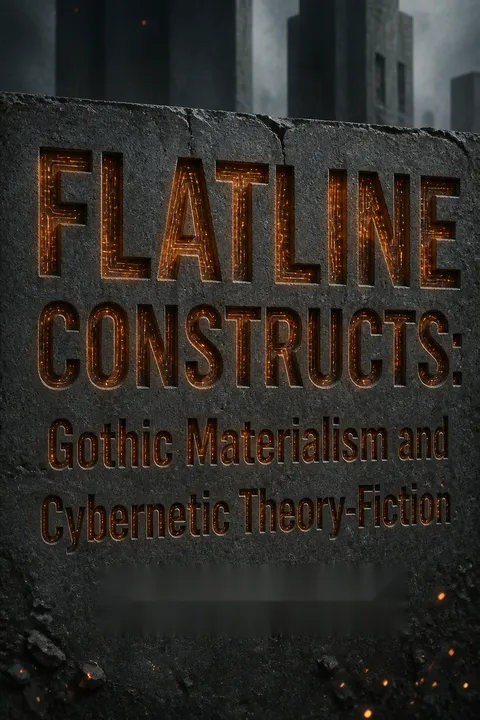
کتاب «ساختارهای فلتلاین» عمدتاً با نقدهای مثبت مواجه شده است و خوانندگان از بررسی موضوعات سایبرپانک و مفاهیم فلسفی توسط فیشر استقبال کردهاند. بسیاری از ارتباطات برقرارشده میان ادبیات، سینما و نظریه قدردانی میکنند. برخی زبان آکادمیک کتاب را چالشبرانگیز اما ارزشمند میدانند. منتقدان اشاره میکنند که قالب پایاننامهای کتاب گاهی اوقات سنگین و پراکنده به نظر میرسد. خوانندگان دیدگاه منحصربهفرد فیشر درباره فناوری، سرمایهداری و پساآدمگرایی را ارج مینهند. این کتاب بهعنوان پیشدرآمدی بر آثار بعدی فیشر و سهمی مهم در نظریه انتقادی و تحلیل فرهنگی شناخته میشود.
دیگران نیز خواندهاند






سؤالات متداول
1. What is Flatline Constructs: Gothic Materialism and Cybernetic Theory-Fiction by Mark Fisher about?
- Explores cybernetic culture: The book investigates how cybernetic systems, media, and technology reshape human experience, focusing on the fusion of body, technology, and media landscapes.
- Gothic Materialism framework: Fisher introduces Gothic Materialism, a theory that rethinks materialism through horror, cybernetics, and postmodernism, emphasizing the breakdown of boundaries between life and nonlife.
- Theory-fictional approach: The work blends theory and fiction, analyzing how trauma, media, and technology coalesce into new forms of cultural and bodily experience.
- Key cultural diagnosis: It offers a critical perspective on late capitalism, subjectivity, and the role of media in shaping contemporary reality.
2. Why should I read Flatline Constructs by Mark Fisher?
- Critical diagnosis of culture: The book provides a unique analysis of cultural melancholia, overstimulation, and the loss of future imaginaries under neoliberal cybernetic capitalism.
- Reframes subjectivity: Fisher challenges humanist and organicist models, proposing a cybernetic, machinic, and Gothic materialist understanding of identity and agency.
- Media critique tools: It equips readers with conceptual tools to analyze how media shapes bodies, desires, and social control in the digital age.
- Engages with influential thinkers: The text draws on and critiques major theorists like Baudrillard, Deleuze-Guattari, and McLuhan, making it essential for those interested in media theory and philosophy.
3. What are the key takeaways from Flatline Constructs by Mark Fisher?
- Blurring of boundaries: The book shows how cybernetic systems dissolve distinctions between animate/inanimate, life/death, and subject/object.
- Gothic Materialism as method: Fisher’s framework reinterprets the Gothic as a materialist, non-supernatural force that interrogates horror, technology, and subjectivity.
- Media as immersive and invasive: Media technologies are analyzed as prosthetic extensions that re-engineer the body and desire, leading to new forms of control and addiction.
- Theory-fiction’s power: Fiction and theory are shown to merge, with cyberpunk and horror texts producing real theoretical insights about contemporary culture.
4. What are the best quotes from Flatline Constructs by Mark Fisher and what do they mean?
- “The Gothic flatline is not simply death but a continuum that enfolds and goes beyond life and death.” This highlights Fisher’s idea that the boundaries between life and death are blurred in cybernetic culture.
- “Theory-fiction is not a merger but a dissolution of the boundary between theory and fiction.” Fisher emphasizes how fiction can produce theoretical insights, especially in cybernetic and postmodern contexts.
- “Media are not just visual but tactile and interactive, stimulating and transforming the body.” This quote underlines the book’s argument that media technologies fundamentally alter bodily experience and subjectivity.
- “Capitalism as anorganic propagation.” Fisher reframes capitalism as a machinic, non-biological process that spreads through feedback and simulation, not just economic relations.
5. How does Mark Fisher define "Gothic Materialism" in Flatline Constructs?
- Materialism meets the Gothic: Gothic Materialism is a theory that focuses on an anorganic continuum, cutting across living and nonliving, animate and inanimate, emphasizing radical immanence.
- Anti-postmodern stance: It opposes postmodernism’s focus on language and representation, instead highlighting the material and affective dimensions of cybernetic systems and horror.
- Inspired by Deleuze-Guattari and Worringer: Fisher draws on these thinkers to frame Gothic Materialism as an abstract materialism concerned with bodies without organs and nonorganic life.
- Disassociates from the supernatural: The approach rethinks the Gothic as a material, not supernatural, force in culture and theory.
6. What is the "Gothic flatline" concept in Flatline Constructs by Mark Fisher?
- Flatline as continuum: The Gothic flatline is a zone where the distinction between animate and inanimate blurs, representing a continuum that enfolds and exceeds life and death.
- Dual meaning: It refers both to the EEG flatline (brain death) and to an immanentizing line of variation, reflecting states between life and death or simulated life.
- Central to cyberpunk: The flatline is a key motif in cyberpunk fiction, symbolizing catatonia, brain death, and bodies without organs.
- Identity and subjectivity: It is used to explore how identity is produced and dismantled in cybernetic and media-saturated environments.
7. How does Flatline Constructs by Mark Fisher relate cybernetics to postmodernism and the Gothic?
- Cybernetics as genealogy: Fisher argues that postmodern theory is deeply influenced by cybernetic concepts like feedback and automatization, which challenge traditional subjectivity.
- Gothic themes in cybernetics: The Gothic is linked to cybernetics through the idea of nonorganic life and the dissolution of boundaries between organic and inorganic, living and dead.
- Materialist critique of postmodernism: Fisher envelops postmodernism within Gothic Materialism, offering a critique that highlights the fragmentation and overstimulation of subjectivity in late capitalism.
- Fusion in literature: Cyberpunk and horror fiction are analyzed as sites where these themes converge and are dramatized.
8. What is the "body without organs" (BwO) and how does Mark Fisher use it in Flatline Constructs?
- Key Gothic Materialist concept: The BwO is a depersonalized, abstract body that resists closure and represents a plane of intensive affects and flows beyond representation.
- Opposition to body image: It contrasts with the body image, which is an overcoding by the subject; the BwO is about potential and continuous process, not fixed form.
- Cybernetic and Spinozist roots: Fisher uses Deleuze-Guattari’s BwO to theorize bodies in cyberpunk and media as open systems affected by circuits, addiction, and overstimulation.
- Central to subjectivity: The BwO is crucial for understanding how subjectivity is dismantled and reconfigured in cybernetic culture.
9. How does Mark Fisher interpret the role of media in shaping the body and desire in Flatline Constructs?
- Media as cybernetic re-engineering: Media, especially television and video, function as mechanisms that re-engineer the body, facilitating immersion and erasing psychic and physical distance.
- Tactility over vision: Fisher, drawing on Baudrillard and McLuhan, highlights tactility as a key mode of media interaction, making the viewer part of a participatory circuit.
- Desire and power fusion: Media circuits blur the lines between desire and control, transforming bodies into sites of cybernetic power and libidinal investment.
- Body horror and addiction: Media overstimulation leads to body horror and cybernetic addiction, where the body becomes a site of mutation and control.
10. What is "theory-fiction" in Flatline Constructs by Mark Fisher and why is it important?
- Dissolution of boundaries: Theory-fiction is the dissolution of the boundary between theory and fiction, where fictional texts produce theoretical insights.
- Cybernetic simulation: In the cybernetic era, theory and fiction circulate as simulacra, shaping social reality and subjectivity in new ways.
- Exemplified by cyberpunk: Fisher analyzes texts like Neuromancer, Videodrome, and The Atrocity Exhibition as theory-fiction that embody cybernetic realism and Gothic Materialism.
- Hyperfiction and feedback: The book introduces hyperfiction, where fiction actively intervenes in reality through feedback loops, erasing authorial authority.
11. How does Mark Fisher use the works of J.G. Ballard, William Burroughs, and David Cronenberg in Flatline Constructs?
- Ballard as Gothic explorer: Ballard’s fiction is read as mapping the continuity between organic bodies and inorganic landscapes, emphasizing trauma and media-induced repetition.
- Burroughs and Cronenberg: Both are used to explore how trauma, media, and technology coalesce into new forms of cultural and bodily experience, especially through body horror and cybernetic addiction.
- Geo-traumatics and media: Ballard’s "The Atrocity Exhibition" is central to Fisher’s argument about media-induced trauma and the breakdown of rational analysis.
- Theory-fictional approach: These authors exemplify the blending of theory and fiction that Fisher sees as central to understanding cybernetic culture.
12. What are the implications of Mark Fisher’s analysis in Flatline Constructs for understanding capitalism and media in the cybernetic age?
- Capitalism as machinic propagation: Fisher interprets capitalism as a system of machinic propagation and hypercontrol, where social relations are simulated and feedback loops govern behavior.
- Hypercontrol and prediction: Hypercontrol replaces traditional control by anticipating and shaping future behaviors through profiles, polls, and simulations.
- Media as fiction and reality: Media and advertising create hyperreal fictions that become real through consumption, eroding historicity and political agency.
- Cultural contagion: The recursive influence of fiction and media produces new forms of cultural contagion, as seen in Ballard’s and Carpenter’s works.
دانلود PDF
دانلود EPUB
.epub digital book format is ideal for reading ebooks on phones, tablets, and e-readers.








































