
نکات کلیدی
1. هستی: پرسش بنیادی وجود
چرا چیزی وجود دارد و نه هیچچیز؟
راز اولیه. فلسفههای هایدگر حول محور پرسش هستی میچرخد - واقعیتی که وجود دارد. این پرسش فراتر از مطالعه موجودات خاص به بررسی ذات وجود خود میپردازد. هایدگر این را به عنوان بنیادیترین پرسش فلسفی میدید، پرسشی که در تفکر غربی بهطور عمده فراموش یا محو شده بود.
تفاوت هستیشناختی. هایدگر بین موجودات (موجوداتی که وجود دارند) و هستی خود (شرایطی که امکان وجود را فراهم میکند) تمایز قائل میشود. این تفاوت هستیشناختی برای درک رویکرد او حیاتی است:
- موجودات: چیزهای خاصی که وجود دارند (انسانها، حیوانات، اشیاء)
- هستی: ذات زیرین یا "هستبودن" که به موجودات اجازه میدهد وجود داشته باشند
بازکشف پرسش. هایدگر در پی بیدار کردن حس شگفتی ما از واقعیت وجود بود. او معتقد بود که با پرسش و تأمل مداوم در مورد هستی، میتوانیم بینشهای عمیقتری دربارهی ذات واقعیت و جایگاه خود در آن به دست آوریم.
2. دازاین: وجود انسانی بهعنوان بودن در جهان
دازاین موجودی است که در هستی خود، بهطور فهمیدهای به آن هستی رفتار میکند.
وجود منحصر به فرد انسانی. دازاین (به معنای واقعی "بودن-در-آنجا") اصطلاح هایدگر برای وجود انسانی است. این مفهوم بر ظرفیت منحصر به فرد ما برای پرسش و درک هستی خود تأکید میکند. برخلاف سایر موجودات، ما همیشه در حال تفسیر و درک وجود خود هستیم.
جداییناپذیر از جهان. هایدگر تقسیم سنتی سوژه-شیء را رد میکند. دازاین بهطور بنیادی "بودن در جهان" است - ما نمیتوانیم در جدایی از زمینه زندگیمان درک شویم:
- پرتابشدگی: ما همیشه در یک وضعیت خاص قرار داریم
- واقعیت: شرایط دادهشدهای که امکانات ما را شکل میدهد
- پیشبینی: توانایی ما برای تصور و پیگیری امکانات آینده
وجود روزمره. هایدگر تحلیل میکند که چگونه معمولاً با جهان درگیر میشویم:
- آمادهبهکار: درگیری عملی و درگیر با ابزارها و تجهیزات
- حاضر-در-دست: مشاهده نظری و جدا (کمتر بنیادی)
- بودن-با: ذات اجتماعی و روابط ما با دیگران
3. اصالت: پذیرش امکانات خود
دازاین تنها به اندازهای که بهعنوان بودندرکنار و بودنبا، خود را بر امکانات خود برای بودن پیش میبرد، اصیل است.
فرار از 'آنها'. هایدگر وجود اصیل را با حالتهای غیر اصیل بودن مقایسه میکند. غیر اصالت با ویژگیهای زیر مشخص میشود:
- "خود-آنها": conforming به انتظارات و هنجارهای اجتماعی
- افتادن: غرق شدن در نگرانیهای روزمره و گفتوگوهای بیمحتوا
- فرار: اجتناب از مواجهه با پرسشهای عمیقتر وجود
اضطراب و آزادی. وجود اصیل از طریق:
- اضطراب: حالتی که بیپایه بودن وجود ما را آشکار میکند
- قاطعیت: پذیرش مسئولیت انتخابهای خود
- پیشبینی: پذیرش ذات محدود و مرگپذیری ما
انتخاب خود. اصالت به معنای رد کامل جامعه نیست، بلکه به معنای:
- مالکیت بر انتخابهای خود و پذیرش مسئولیت زندگیمان
- شناسایی دامنه کامل امکانات خود
- زندگی با درک واضح از ذات محدود خود
4. بودن-بهسویمرگ: مرگ بهعنوان کلید زندگی اصیل
مرگ امکان مطلق عدم امکان دازاین است.
نهایت اجتنابناپذیر. هایدگر مرگ را بهعنوان بنیادیترین واقعیت وجود انسانی میبیند. مرگ تنها یک رویداد نیست که در پایان زندگی اتفاق میافتد، بلکه یک امکان دائمی است که تمام وجود ما را شکل میدهد.
رابطه اصیل با مرگ. بهجای فرار از مرگ یا وسواس در مورد آن، هایدگر پیشنهاد میکند:
- پیشبینی: پیشبرد خود بهسوی مرگ خود
- فردیت: شناسایی مرگ بهعنوان امکان منحصر به فرد خود
- آزادی: پذیرش محدودیتها، امکانات اصیل را باز میکند
آگاهی تحولآفرین. مواجهه واضح با مرگ میتواند:
- دیدگاهی دربارهی آنچه واقعاً در زندگی مهم است، فراهم کند
- ما را از انطباق غیر اصیل با انتظارات اجتماعی آزاد کند
- ما را به اقدام برای دستیابی به امکانات واقعیمان در زمانی که میتوانیم، ترغیب کند
5. مراقبت: ساختار یکپارچه وجود انسانی
هستی دازاین به معنای بودن-پیش از خود-در-(جهان) بهعنوان بودن-درکنار (موجودات مواجهشده در-جهان) است.
نگرانی بنیادی. مراقبت (Sorge) اصطلاح هایدگر برای ساختار بنیادی وجود دازاین است. این مفهوم شامل:
- وجودی: پیشبرد ما بهسوی امکانات آینده
- واقعیت: پرتابشدگی ما به یک وضعیت خاص
- افتادن: غرق شدن در دنیای کنونی نگرانیها
وحدت زمانی. مراقبت سه بعد زمان را در وجود انسانی یکپارچه میکند:
- آینده: پیشبرد خود بهسوی امکانات
- گذشته: وضعیت دادهشدهای که در آن قرار داریم
- حال: درگیری کنونی ما با جهان
حالتهای مراقبت. مراقبت به اشکال مختلفی تجلی مییابد:
- نگرانی: درگیری عملی ما با چیزها
- محبت: روابط ما با دیگران
- اضطراب: مواجهه ما با هستی خود
6. حقیقت بهعنوان آلتِهیا: کشف و افشای هستی
ذات حقیقت آزادی است.
فراتر از تطابق. هایدگر انتقاد میکند از مفهوم سنتی حقیقت بهعنوان تطابق صرف بین بیانات و واقعیتها. او به مفهوم یونانی آلتِهیا (کشف) بازمیگردد.
افشا و پنهانسازی. حقیقت بهعنوان آلتِهیا شامل:
- افشا: ظهور موجودات
- پنهانسازی: عقبنشینی ضروری که به موجودات اجازه میدهد خود را نشان دهند
- روشنسازی: فضای باز که در آن موجودات میتوانند خود را نشان دهند
حقیقت اولیه. آلتِهیا بنیادیتر از حقیقت گزارهای است:
- این شرطی است که به موجودات اجازه میدهد تا بهطور کلی مواجه شوند
- شامل درگیری فعال با جهان است، نه مشاهدهی منفعل
- راز و پنهانسازی ذاتی در هستی را شناسایی میکند
7. زبان: خانهی هستی و راهی بهسوی درک
زبان خانهی هستی است. در آن، انسانها سکونت دارند.
فراتر از ارتباط صرف. هایدگر زبان را فراتر از یک ابزار برای تبادل اطلاعات میبیند. این، راه بنیادی است که هستی خود را به ما افشا میکند.
ذات شاعرانه. زبان اصیل دارای کیفیت شاعرانه است:
- هستی چیزها را افشا میکند نه فقط برچسبگذاری آنها
- به چیزها اجازه میدهد تا بهطور خاص "صحبت" کنند
- فراتر از چارچوبهای مفهومی سخت زبان فنی میرود
گوش دادن و پاسخ دادن. رابطه ما با زبان شامل:
- گوش دادن دقیق به "ندای" هستی
- پاسخ خلاقانه به آنچه افشا میشود
- شناسایی محدودیتهای درک مفهومی ما از واقعیت
8. فناوری: خطر و وعدهی چارچوب مدرن
ذات فناوری به هیچ وجه چیزی فناوری نیست.
چارچوب. هایدگر فناوری مدرن را با یک روش خاص برای افشای جهان توصیف میکند:
- همه چیز بهعنوان منبعی برای بهینهسازی و بهرهبرداری دیده میشود
- طبیعت و حتی انسانها به "ذخیرهی ایستاده" تبدیل میشوند
- این ذهنیت فراتر از ماشینها و دستگاههای فنی است
خطر و قدرت نجاتدهنده. در حالی که به انتقادات از تأثیرات فناوری میپردازد، هایدگر به سادگی آن را رد نمیکند:
- خطر: فناوری میتواند سایر روشهای ارتباط با هستی را پنهان کند
- قدرت نجاتدهنده: شناسایی ذات فناوری میتواند به بینشهای جدید منجر شود
سکونت شاعرانه. هایدگر رابطهای متفاوت با جهان را پیشنهاد میکند:
- اجازه دادن به چیزها برای بودن، بهجای دستکاری مداوم آنها
- پرورش تفکری مدیتاتیو و کمتر محاسباتی
- بازکشف حس شگفتی و پذیرش نسبت به هستی
خلاصه نقدها
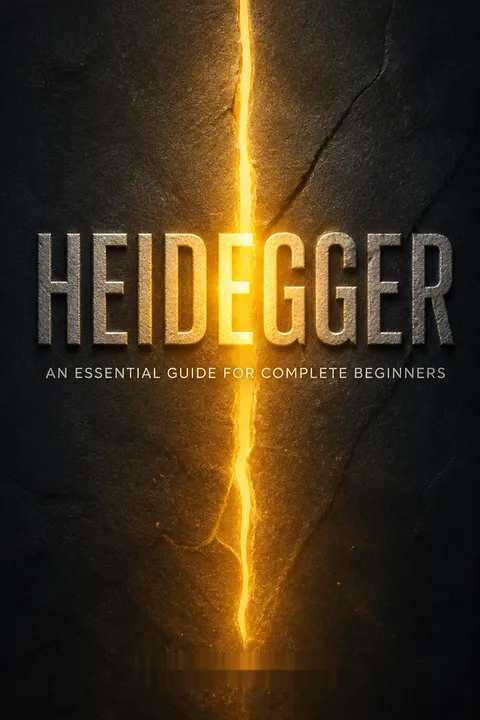
کتاب هایدگر نوشتهی مایکل واتس بهعنوان مقدمهای قابلفهم بر فلسفهی پیچیدهی هایدگر مورد تحسین قرار گرفته است. خوانندگان از وضوح، سادگی و کارایی آن در توضیح مفاهیم دشوار قدردانی میکنند. بسیاری آن را بهعنوان نقطهی شروعی مفید قبل از مطالعهی آثار اصلی هایدگر میدانند. این کتاب ایدههای کلیدی مانند هستی، فناوری و اصالت را پوشش میدهد. در حالی که برخی از منتقدان به محدودیتهای آن در عمق و زمینه اشاره میکنند، اکثر موافقند که بهعنوان راهنمایی برای مبتدیان موفق عمل میکند. بهطور کلی، این کتاب بهخاطر قابلدسترس و قابلفهم کردن افکار هایدگر امتیازات بالایی دریافت میکند.
دیگران نیز خواندهاند








سؤالات متداول
What is "Heidegger: An Essential Guide For Complete Beginners" by Michael Watts about?
- Introductory overview: The book provides a clear, accessible introduction to the philosophy of Martin Heidegger, focusing on his major ideas and their significance.
- Coverage of key works: It explains Heidegger’s most influential work, "Being and Time," and explores his later writings, including his thoughts on language, technology, and Eastern philosophy.
- Biographical context: The guide situates Heidegger’s philosophy within the context of his life, including his upbringing, academic career, and controversial involvement with Nazism.
- Aimed at newcomers: Watts’s approach is designed for readers with little or no background in philosophy, making complex concepts understandable without oversimplification.
Why should I read "Heidegger: An Essential Guide For Complete Beginners" by Michael Watts?
- Clarity and accessibility: Watts excels at translating Heidegger’s notoriously difficult ideas into clear, concrete language, making them approachable for beginners.
- Comprehensive coverage: The book covers both Heidegger’s early and later philosophy, including his views on Being, time, death, language, technology, and connections to Taoism and Zen.
- Balanced perspective: It addresses both the philosophical achievements and the controversies surrounding Heidegger, including his relationship with Nazism.
- Practical relevance: Readers gain insights into existential questions about meaning, authenticity, and the human condition, which remain relevant today.
What are the key takeaways from "Heidegger: An Essential Guide For Complete Beginners" by Michael Watts?
- The question of Being: Heidegger’s central concern is the meaning of Being, which he believes has been neglected by Western philosophy.
- Dasein and authenticity: Human existence (Dasein) is unique in its capacity for self-understanding, and authenticity involves living in awareness of one’s own possibilities and mortality.
- Inauthenticity and the ‘they-self’: Most people live inauthentically, absorbed in social conventions and everyday distractions, rather than confronting their own existence.
- Language, truth, and technology: Heidegger redefines truth as ‘unconcealment’ (aletheia), explores the limitations and power of language, and critiques the technological mindset as a threat to authentic living.
How does Michael Watts explain Heidegger’s concept of "Being" in "Heidegger: An Essential Guide For Complete Beginners"?
- Being vs. beings: Watts clarifies Heidegger’s distinction between ‘Being’ (the fundamental condition that allows things to exist) and ‘beings’ (individual entities).
- Ontology’s forgotten question: Heidegger argues that Western philosophy has focused on beings and ignored the deeper question of Being itself.
- Primordial mystery: Being is not a thing or entity but the ‘isness’ that underlies all existence, and its meaning is ultimately mysterious and inexhaustible.
- Role of questioning: Heidegger believes the value lies not in answering the question of Being, but in continually asking it and remaining open to its mystery.
What is "Dasein" and why is it central in "Heidegger: An Essential Guide For Complete Beginners" by Michael Watts?
- Definition of Dasein: Dasein is Heidegger’s term for human existence, emphasizing our unique way of being that involves self-awareness and engagement with the world.
- ‘Being-there’ explained: The word literally means ‘being there,’ highlighting that humans are always situated in a particular context or world.
- Starting point for inquiry: Heidegger begins his analysis of Being by examining Dasein, since only humans can question and understand Being.
- Dasein as a clearing: Dasein serves as the ‘clearing’ where Being is revealed, making human existence the site of meaning and truth.
How does "Heidegger: An Essential Guide For Complete Beginners" by Michael Watts describe authenticity and inauthenticity?
- Authenticity defined: Authenticity involves living in awareness of one’s own possibilities, mortality, and responsibility for one’s choices, rather than conforming to social norms.
- Inauthenticity and the ‘they-self’: Most people live as the ‘they-self,’ absorbed in the expectations and routines of society, losing sight of their individuality.
- Role of anxiety: Moments of anxiety or existential crisis can disrupt inauthentic living and open the possibility for authentic existence.
- No moral judgment: Watts emphasizes that inauthenticity is not a moral failing but a structural feature of everyday human life.
What is Heidegger’s view of death and "Being-towards-death" as explained in "Heidegger: An Essential Guide For Complete Beginners" by Michael Watts?
- Death as central theme: Heidegger sees the awareness of one’s own mortality as essential for authentic living and understanding the meaning of Being.
- ‘Being-towards-death’: This concept means living with the constant realization that death is inevitable and could occur at any moment.
- Personal responsibility: Death is one’s ‘ownmost’ possibility—no one else can die for you, and it individualizes existence.
- Freedom and meaning: Facing death authentically frees individuals from social conformity and allows them to live more meaningfully.
How does "Heidegger: An Essential Guide For Complete Beginners" by Michael Watts explain Heidegger’s concepts of moods, anxiety, and care?
- Moods as fundamental: Moods are not just emotions but fundamental ways of being ‘tuned into’ the world, shaping our understanding and experience.
- Anxiety’s revealing power: Anxiety (Angst) strips away everyday meanings and confronts us with the Nothingness at the heart of existence, opening the path to authenticity.
- Care as basic structure: ‘Care’ is the unifying feature of Dasein, encompassing concern for oneself, others, and the world, and grounding all other aspects of existence.
- Temporal unity: Care integrates past (thrownness), present (fallenness), and future (projection), showing that human existence is always three-dimensional in time.
What is Heidegger’s critique of technology in "Heidegger: An Essential Guide For Complete Beginners" by Michael Watts?
- Enframing mindset: Heidegger argues that modern technology imposes a ‘mind-set’ (enframing) that reduces everything—including humans—to resources for exploitation.
- Loss of meaning: This technological attitude leads to a ‘forgetting of Being’ and a loss of deeper meaning and connection with the world.
- Not anti-technology: Heidegger does not advocate abolishing technology but calls for a more reflective, ‘poetic’ relationship with it.
- Potential for awareness: The dangers of technology can also awaken us to the need for a more authentic, custodial approach to existence.
How does "Heidegger: An Essential Guide For Complete Beginners" by Michael Watts address Heidegger’s views on language and truth?
- Truth as unconcealment: Heidegger redefines truth (aletheia) as the process of revealing or unconcealing, rather than mere correspondence between statements and facts.
- Language as ‘House of Being’: Language is not just a tool for communication but the medium through which Being is disclosed and understood.
- Dangers of language: Everyday language can become empty and obscure the original experience of Being, necessitating a renewal of language.
- Poetry and authenticity: Poetic language is seen as a privileged way of revealing the truth of Being, going beyond ordinary speech.
What connections does "Heidegger: An Essential Guide For Complete Beginners" by Michael Watts draw between Heidegger and Eastern philosophies like Taoism and Zen?
- Acknowledged affinities: Watts notes that Heidegger himself recognized parallels between his thought and East Asian philosophies, especially Taoism and Zen.
- Shared themes: Both Heidegger and these traditions emphasize the ineffability of ultimate reality, the importance of direct experience, and the limitations of conceptual thinking.
- Letting-be and non-duality: Heidegger’s ideas of ‘letting things be’ and the interconnectedness of beings resonate with Taoist and Zen notions of non-action and non-duality.
- Authenticity and enlightenment: The process of achieving authenticity in Heidegger is likened to Zen enlightenment, involving a break from conventional thinking and a return to the ordinary with new awareness.
What are the best quotes from "Heidegger: An Essential Guide For Complete Beginners" by Michael Watts and what do they mean?
- "To think is to confine yourself to a single thought that one day stands still like a star in the world’s sky." – Emphasizes the depth and focus required for true philosophical inquiry.
- "Being is Being." – Illustrates Heidegger’s view that the meaning of Being is ultimately mysterious and cannot be fully captured in language.
- "Language is the House of Being. Man dwells in this house..." – Highlights the central role of language in shaping human existence and understanding.
- "Where danger is, grows also that which saves." – Suggests that the very threats posed by technology or enframing can also prompt a renewed awareness of Being and authenticity.
دانلود PDF
دانلود EPUB
.epub digital book format is ideal for reading ebooks on phones, tablets, and e-readers.








































