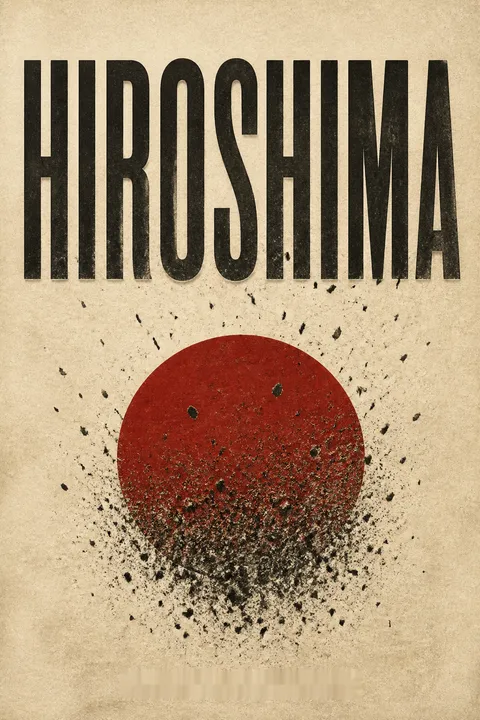

نکات کلیدی
۱. انفجار اتمی: لحظهای از نابودی مطلق
ناگهان نور عظیمی آسمان را درنوردید.
ویرانی آنی. بمب اتمی در ساعت ۸:۱۵ صبح روز ششم اوت ۱۹۴۵ بر فراز هیروشیما منفجر شد و نوری و حرارتی بیسابقه را آزاد کرد. این لحظه نقطهی نابودی یک شهر و آغاز عصر اتمی بود. شدت نور به حدی بود که الگوهایی را روی لباسها سوزاند و سایههای انسانها و اشیاء را بر دیوارها حک کرد، ترس و وحشت را برای همیشه در چشمانداز شهر ثبت نمود.
اشباع حسی. بازماندگان این انفجار را نوری درخشانتر از خورشید به یاد میآورند که بلافاصله پس از آن موج فشاری ساختمانها را ویران و آوار را پراکنده کرد. بسیاری دچار اشباع حسی کامل شدند؛ بینایی، شنوایی و لمس در یک حس ترسناک و واحد ادغام شد. پس از انفجار، تاریکی، گرد و غبار و سکوتی وهمآلود حاکم بود که تنها با نالههای مجروحان شکسته میشد.
نقطهی برخورد. بمب تقریباً در ارتفاع ۱۹۰۰ فوت بالای کلینیک جراحی شیما منفجر شد تا بیشترین شعاع انفجار و قدرت تخریبی را ایجاد کند. مرکز انفجار به منطقهای از ویرانی کامل تبدیل شد که تقریباً هیچ چیزی در آن زنده نماند. این حادثه بلافاصله ساختمانها و انسانها را به بخار تبدیل کرد و تنها بیابانی خالی بر جای گذاشت.
۲. پارادوکس بقا: شانس، اراده و فقدان غیرقابل تصور
هنوز هم نمیدانند چرا آنها زنده ماندند در حالی که بسیاری دیگر جان باختند.
بقای تصادفی. در میان صدها هزار نفر در هیروشیما، عدهای به دلایلی به ظاهر تصادفی از انفجار جان سالم به در بردند. دیواری، چرخشی، قطار دیررس، تصمیم به ماندن در خانه—این انتخابها و شانسهای کوچک تعیینکنندهی زندگی یا مرگ بودند. این تصادفی بودن، حس عمیق گناه بازماندگان را به همراه داشت.
شش بازمانده. هرسی بر شش نفر تمرکز میکند: خانم توشیکو ساساکی، دکتر ماساکازو فوجیی، خانم هاتسویو ناکامورا، کشیش ویلهلم کلینزورگه، دکتر تروفومی ساساکی و کشیش کیوشی تانیموتو. داستانهای آنها تجارب متنوع بقا را نشان میدهد که هر کدام ترکیبی از شانس، مقاومت و تلاش برای درک غیرقابل درک را به تصویر میکشد.
زندگی چندگانه. بازماندگان خود را در دنیایی از رنج و مرگ غیرقابل تصور یافتند. آنها شاهد صحنههای هولناکی بودند که تا ابد در ذهنشان حک شد و مجبور شدند شکنندگی زندگی و تصادفی بودن سرنوشت را بپذیرند. هر بازمانده در عمل بقا، چندین زندگی را تجربه کرد و مرگهایی بیش از آنچه تصور میکرد دید.
۳. طوفان آتش: شهری در شعله، آزمون بشریت
نه فقط بخشی از کوی، بلکه هر آنچه از هیروشیما از میان هوای غبارآلود میدید، دود غلیظ و ترسناکی را به هوا میفرستاد.
آتشسوزی گسترده. انفجار اتمی طوفان آتشی عظیم را در هیروشیما شعلهور کرد. آتشها با آوار ساختمانهای فرو ریخته، خطوط گاز شکسته و حرارت شدید انفجار تغذیه میشدند. این طوفان آتش ساعتها ادامه داشت و همه چیز را در مسیر خود میسوزاند.
پناهگاه رودخانه. بسیاری از بازماندگان به رودخانههایی که هیروشیما را در بر گرفته بودند پناه بردند تا از آتش و گرما فرار کنند. اما آب اغلب با آوار و تشعشعات آلوده بود و بسیاری غرق شدند یا در انتظار نجات به دلیل جراحات جان دادند. رودخانهها نمادی از امید و ناامیدی شدند.
اعمال مهربانی. در میان هرج و مرج و ویرانی، اعمال بیشماری از مهربانی و ایثار نیز رخ داد. مردم به غریبهها کمک کردند، غذای اندک و آب خود را تقسیم کردند و جان خود را به خطر انداختند تا دیگران را از آتش نجات دهند. این اعمال بشردوستانه در برابر تراژدی عظیم، شعلهای از امید را روشن کرد.
۴. پیامدها: چشماندازی از وحشت و مقاومت
از هر خانه دوم یا سوم صدای افرادی که زیر آوار مانده و رها شده بودند به گوش میرسید که با ادب رسمی فریاد میزدند: «لطفاً کمک کنید!»
رنج غیرقابل تصور. بلافاصله پس از بمباران، صحنهای از رنج غیرقابل تصور پدید آمد. مجروحان در میان خرابهها پراکنده بودند، بسیاری با سوختگیهای شدید، شکستگی استخوان و جراحات تهدیدکنندهی حیات. مراکز درمانی غرق در بیماران و کمبود تجهیزات بود.
مجروحان سرگردان. بازماندگان بیشماری که دچار نقص و شوک شده بودند، در خیابانها به دنبال کمک یا عزیزان میگشتند. بسیاری برهنه یا در لباسهای پاره بودند و پوستشان به صورت ورقهای جدا میشد. آنها مجروحان سرگردان بودند، گواهی بر قدرت بیرحمانه بمب.
سکوت مرگ. در کنار نالههای مجروحان، سکوت وهمآلودی حکمفرما بود؛ سکوت مرگ. اجساد در همه جا پراکنده بودند و اغلب از زندگان قابل تشخیص نبودند. بوی گوشت سوخته و اجساد متعفن فضا را پر کرده بود، یادآور دائمی وسعت فاجعه.
۵. بیماری تشعشع: دشمن نامرئی و پنهان
این چهار نفر نمیدانستند که در حال ابتلا به بیماری عجیبی هستند که بعدها به نام بیماری تشعشع شناخته شد.
عوارض تأخیری. در هفتهها و ماههای پس از بمباران، بسیاری از بازماندگان علائم مرموزی مانند ریزش مو، تهوع، تب و خونریزی لثه را تجربه کردند. اینها اثرات بیماری تشعشع بود، بیماریای پنهان و ناشناخته.
سه مرحله بیماری. پزشکان در نهایت سه مرحله بیماری تشعشع را شناسایی کردند:
- مرحله اول: واکنش اولیه به تشعشع (ساعات/روزها)
- مرحله دوم: ریزش مو، تب و اسهال (۱۰-۱۵ روز پس از آن)
- مرحله سوم: اختلالات خونی و عوارض (۲۰-۳۰ روز پس از آن)
پیامدهای بلندمدت. بیماری تشعشع پیامدهای بلندمدتی برای بسیاری از بازماندگان داشت و خطر ابتلا به سرطان، نقصهای مادرزادی و مشکلات دیگر را افزایش داد. ماهیت نامرئی تشعشع، ترس از آن را دوچندان میکرد و یادآور ماندگار اثرات بمب بود.
۶. پرسشهای بیپاسخ: چرا هیروشیما؟ چرا ما؟
هنوز هم نمیدانند چرا آنها زنده ماندند در حالی که بسیاری دیگر جان باختند.
پیامدهای اخلاقی. بمباران هیروشیما پرسشهای عمیق اخلاقی درباره استفاده از سلاحهای اتمی مطرح کرد. آیا کشتن این همه غیرنظامی برای تسریع پایان جنگ توجیهپذیر بود؟ محدودیتهای اخلاقی جنگ چیست؟ این پرسشها تا امروز محل بحث و مناقشهاند.
بار بازماندگان. بازماندگان هیروشیما با زخمهای روانی و عاطفی تجربه خود دست و پنجه نرم کردند. بسیاری دچار گناه بازماندگان شدند و میپرسیدند چرا آنها نجات یافتند و دیگران نه. آنها همچنین در تلاش برای فهم خشونت و ویرانی بیمعنی بودند که شاهد آن بودند.
جستجوی معنا. در برابر چنین فقدان عمیقی، بسیاری از بازماندگان به دنبال معنا و هدف در زندگی خود بودند. برخی به فعالیتهای صلحطلبانه پرداختند تا از وقوع جنگهای هستهای آینده جلوگیری کنند. دیگران در دین یا جامعه آرامش یافتند و تلاش کردند زندگی و شهر خود را بازسازی کنند.
۷. بازسازی از خاکستر: تلاش شهری برای نو شدن
همه به نظر میرسید بسیار مشغول باشند.
بازسازی فیزیکی. پس از بمباران، هیروشیما با وظیفه دشوار بازسازی از نو روبرو شد. شهر به خرابهای از آوار و خاکستر تبدیل شده بود و بیشتر ساختمانها نابود یا به شدت آسیب دیده بودند. بازماندگان باید آوار را پاک میکردند، خانهها را بازسازی و خدمات ضروری را احیا مینمودند.
بهبود روانی. بهبود روانی هیروشیما چالشی بزرگتر بود. بازماندگان باید با تروما، فقدان عزیزان و ترس از بیماری تشعشع مقابله میکردند. آنها به حمایت، مشاوره و امید به آینده نیاز داشتند.
نماد صلح. با وجود ویرانی، هیروشیما مصمم بود خود را به عنوان نمادی از صلح و آشتی بازسازی کند. شهر پارک و موزه یادبود صلح را تأسیس کرد که به قربانیان بمباران اختصاص داشت و ترویج خلع سلاح هستهای را دنبال میکرد. هیروشیما به چراغ امیدی برای جهانی بدون سلاح هستهای تبدیل شد.
۸. زخمهای پایدار: جسمی، عاطفی و اجتماعی
در تمام مسیر، کشیش کلینزورگه با این فکر که تمام این خسارتها در یک لحظه توسط یک بمب ایجاد شده بود، درگیر بود.
تومورهای کلوئید. بسیاری از بازماندگان دچار تومورهای کلوئید شدند؛ جای زخمهای ضخیم و لاستیکی که بر سوختگیهایشان شکل گرفت. این تومورها یادآور دائمی جراحاتشان و منبع درد جسمی و روانی بودند. همچنین نشان قابل مشاهدهای از وضعیت آنها به عنوان هیباکوشا یا «مردم آسیبدیده از بمب» به شمار میرفت.
برچسب اجتماعی. هیباکوشا در جامعه ژاپن با تبعیض و انگ اجتماعی مواجه بودند. برخی به دلیل ترس از تشعشع طرد میشدند و برخی دیگر به عنوان افراد آسیبدیده یا بدشانس دیده میشدند. این انزوای اجتماعی رنج آنها را دوچندان و بازسازی زندگی را دشوار میکرد.
تروما بین نسلی. تروما بمباران به نسلهای بعدی منتقل شد. فرزندان و نوههای هیباکوشا اغلب دچار اضطراب، افسردگی و حس آسیبپذیری بودند. میراث هیروشیما همچنان زندگی کسانی را که مستقیم یا غیرمستقیم تحت تأثیر قرار گرفتند شکل میدهد.
۹. بیداری جهان: قدرت اتمی و مسئولیت اخلاقی
چارهای نیست جز اعتراف به قدرت عظیم این بمب غیرانسانی.
عصر جدید جنگ. بمباران اتمی هیروشیما عصر جدیدی از جنگ را آغاز کرد که در آن قدرت تخریبی سلاحها بقای بشر را تهدید میکرد. جهان مجبور شد با پیامدهای قدرت اتمی و ضرورت همکاری بینالمللی برای جلوگیری از جنگ هستهای روبرو شود.
رقابت تسلیحاتی هستهای. بمباران هیروشیما رقابت تسلیحاتی هستهای بین آمریکا و شوروی را آغاز کرد که منجر به توسعه سلاحهای قدرتمندتر و مخربتر شد. جهان دههها زیر سایه نابودی هستهای زندگی کرد، یادآور دائمی خطر خودویرانگری.
فراخوان برای خلع سلاح. بازماندگان هیروشیما به مدافعان قدرتمند خلع سلاح هستهای تبدیل شدند و از رهبران جهان خواستند این سلاحها را نابود کنند و از فجایع آینده جلوگیری نمایند. صدای آنها در سراسر جهان طنینانداز شد و جنبشی برای صلح و عدالت الهام بخشید. جهان هرگز نباید درسهای هیروشیما را فراموش کند و باید بیوقفه برای آیندهای بدون تهدید جنگ هستهای تلاش نماید.
خلاصه نقدها
«هیروشیما» روایتی قدرتمند و تأثیرگذار است از پیامدهای بمباران اتمی، که زندگی شش بازمانده را دنبال میکند. خوانندگان از زبان موجز و محتاط هرسی و رویکرد انسانگرایانهاش تمجید میکنند، روایتی که وحشت و استقامت قربانیان را به شکلی زنده به تصویر میکشد. بسیاری این اثر را شاهکاری در عرصهی روزنامهنگاری و سندی تاریخی مهم میدانند. تأثیر کتاب در افزایش آگاهی دربارهی سلاحهای هستهای نیز برجسته است. برخی خوانندگان آن را از نظر عاطفی دشوار اما ضروری توصیف کردهاند، در حالی که عدهای دیگر به دلیل تمرکز بر داستانهای فردی به جای مسائل سیاسی، آن را ستودهاند.
دیگران نیز خواندهاند



سؤالات متداول
1. What is "Hiroshima" by John Hersey about?
- Eyewitness account of atomic bombing: "Hiroshima" is a nonfiction account that chronicles the experiences of six survivors of the atomic bomb dropped on Hiroshima, Japan, on August 6, 1945.
- Focus on individual stories: The book follows a diverse group—two doctors, two women, and two religious figures—detailing their lives before, during, and after the bombing.
- Exploration of aftermath: Hersey documents not only the immediate devastation but also the long-term effects of radiation sickness, social upheaval, and psychological trauma.
- Humanizing a historical event: By focusing on personal narratives, the book transforms a massive historical tragedy into an intimate, human story.
2. Why should I read "Hiroshima" by John Hersey?
- Unique journalistic approach: Hersey’s narrative blends literary storytelling with meticulous journalism, making the events accessible and emotionally resonant.
- Historical significance: The book provides a rare, ground-level perspective on one of the most consequential events of the 20th century.
- Moral and ethical reflection: "Hiroshima" prompts readers to consider the ethics of nuclear warfare and its impact on civilians.
- Enduring relevance: The themes of survival, resilience, and the consequences of technological warfare remain pertinent today.
3. Who are the six main survivors featured in "Hiroshima" by John Hersey, and what are their backgrounds?
- Reverend Kiyoshi Tanimoto: A Methodist pastor, educated in the U.S., who is deeply concerned for his family and parishioners.
- Mrs. Hatsuyo Nakamura: A widowed seamstress and mother of three, struggling to support her family.
- Dr. Masakazu Fujii: A prosperous, hedonistic physician who owns a private hospital.
- Father Wilhelm Kleinsorge: A German Jesuit priest living in Japan, weakened by illness and war rationing.
- Dr. Terufumi Sasaki: A young, idealistic surgeon at the Red Cross Hospital, who becomes the only uninjured doctor able to help.
- Miss Toshiko Sasaki: A clerk at the East Asia Tin Works, unrelated to Dr. Sasaki, who suffers a severe leg injury.
4. How does John Hersey structure "Hiroshima," and what is his narrative method?
- Chronological, multi-perspective narrative: The book is divided into four main sections, each following the six survivors through the same time periods.
- Objective, understated prose: Hersey uses a restrained, almost clinical style, letting the facts and personal stories speak for themselves.
- Interweaving stories: The narrative shifts between the six individuals, creating a tapestry of experiences that collectively portray the event’s impact.
- Focus on ordinary people: By choosing non-military, everyday citizens, Hersey emphasizes the bomb’s effect on civilians.
5. What are the key events described in "Hiroshima" by John Hersey?
- The moment of the bombing: The book opens with a detailed account of what each survivor was doing at 8:15 a.m. when the bomb exploded.
- Immediate aftermath: It describes the chaos, destruction, injuries, and confusion as survivors try to comprehend what happened.
- Struggle for survival: The narrative follows the survivors as they search for family, help the wounded, and seek shelter amid fires and devastation.
- Long-term consequences: Hersey details the onset of radiation sickness, the struggle to rebuild lives, and the psychological scars left by the event.
6. What is radiation sickness, and how is it depicted in "Hiroshima" by John Hersey?
- Definition and symptoms: Radiation sickness is a disease caused by exposure to high doses of ionizing radiation, with symptoms including nausea, hair loss, fever, bleeding, and anemia.
- Three stages described: The book outlines the initial acute reaction, a latent period, and a third stage marked by blood disorders and infections.
- Personal impact: Survivors like Mrs. Nakamura and Father Kleinsorge experience hair loss, weakness, and persistent illness, often without understanding the cause.
- Medical confusion: Japanese doctors, including Dr. Sasaki, struggle to diagnose and treat the unprecedented symptoms, highlighting the bomb’s mysterious and insidious effects.
7. What are the main themes explored in "Hiroshima" by John Hersey?
- Survival and resilience: The book highlights the extraordinary endurance and adaptability of ordinary people in the face of catastrophe.
- Moral ambiguity of war: Hersey raises questions about the ethics of using atomic weapons, especially against civilians.
- Randomness of fate: The survivors often reflect on the small decisions that spared their lives, emphasizing chance and luck.
- Community and compassion: Despite suffering, many characters display selflessness, helping others even when resources are scarce.
8. How does "Hiroshima" by John Hersey address the ethical debate over the use of the atomic bomb?
- Diverse perspectives: The book presents a range of views, from acceptance ("Shikata ga nai"—it can’t be helped) to outright condemnation (Dr. Sasaki’s call for war crime trials).
- Jesuit reflection: Father Siemes, a German priest, articulates the moral dilemma, questioning whether total war justifies such weapons.
- Focus on civilian suffering: By detailing the bomb’s impact on non-combatants, Hersey implicitly challenges the justification for its use.
- Absence of easy answers: The narrative avoids didacticism, instead encouraging readers to grapple with the complexities themselves.
9. What is the significance of the title "Hiroshima" and how does John Hersey use the city as a symbol?
- City as protagonist: Hiroshima itself becomes a character, representing both the site of unprecedented destruction and the resilience of its people.
- Symbol of nuclear age: The city’s devastation marks the beginning of the atomic era and the dangers it poses to humanity.
- Rebirth and regrowth: Hersey notes the rapid return of greenery—panic grass and feverfew—amid the ruins, symbolizing hope and renewal.
- Universal warning: Hiroshima stands as a cautionary tale about the consequences of technological warfare.
10. What are the key takeaways from "Hiroshima" by John Hersey?
- Human cost of war: The book personalizes the suffering caused by the atomic bomb, moving beyond statistics to individual stories.
- Lasting effects: The physical, psychological, and social consequences of the bombing persist long after the initial event.
- Importance of bearing witness: Hersey’s work demonstrates the power of journalism to document and humanize historical tragedies.
- Need for ethical reflection: The narrative urges readers to consider the moral implications of scientific and military advancements.
11. What are some of the best quotes from "Hiroshima" by John Hersey, and what do they mean?
- "A hundred thousand people were killed by the atomic bomb, and these six were among the survivors. They still wonder why they lived when so many others died."
- Highlights the randomness of survival and the survivors’ ongoing search for meaning.
- "It would be impossible to say what horrors were embedded in the minds of the children who lived through the day of the bombing in Hiroshima."
- Emphasizes the psychological trauma and the unknowable depth of suffering.
- "Shikata ga nai" ("It can’t be helped. Oh, well. Too bad.")
- Reflects the Japanese cultural attitude of resignation in the face of tragedy.
- "There’s nothing to be done about it."
- Expresses a sense of helplessness and acceptance regarding the use of the bomb.
12. How did "Hiroshima" by John Hersey influence public perception and historical understanding of the atomic bomb?
- Groundbreaking journalism: First published in The New Yorker in 1946, the book brought the realities of nuclear warfare to a global audience.
- Humanized the victims: By focusing on individual stories, Hersey shifted the narrative from military achievement to humanitarian disaster.
- Prompted ethical debate: The book sparked widespread discussion about the morality of atomic weapons and the responsibilities of scientists and governments.
- Enduring legacy: "Hiroshima" remains a foundational text in both journalism and peace studies, shaping how generations understand the atomic age.
دانلود PDF
دانلود EPUB
.epub digital book format is ideal for reading ebooks on phones, tablets, and e-readers.








































