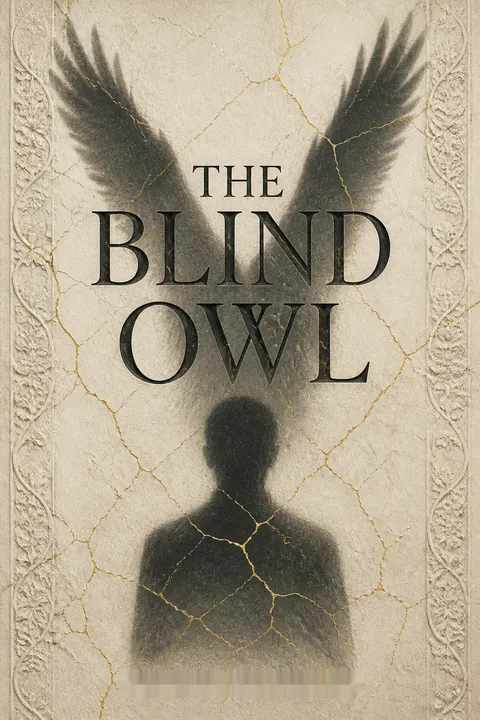

خلاصه داستان
سایههای تنهایی
راوی، هنرمندی منزوی، دچار بیماری مرموزی است که ذهنش را میخورد و او را در حالتی از عذاب مداوم نگه میدارد. او در تنهایی زندگی میکند و تصویری وهمانگیز را بارها روی جعبههای قلم نقاشی میکند؛ صحنهای از یک سرو، مردی سالخورده و زنی جوان که گلی تقدیم میکند. تنها همراه او سایهاش است که گویی موجودی مستقل است و با آن سخن میگوید. زندگی راوی چرخهای است از ناامیدی، گیجی ناشی از تریاک و جستجویی ناامیدانه برای یافتن معنایی در جهانی که به رنج او بیتفاوت به نظر میرسد.
دیدار مرموز
روزی راوی از طریق سوراخ تهویه، تصویری میبیند؛ زنی جوان با چشمانی جذاب که کنار درخت سرو ایستاده و گلی به مرد سالخوردهای تقدیم میکند. این تصویر به وسواس او بدل میشود، چرا که باور دارد او تجسم رویاها و آرزوهایش است. حضور او شعلهای از امید را در وجود خالی و بیروح راوی روشن میکند، اما زن همچنان مرموز باقی میماند و همانگونه که ظاهر شده بود، ناپدید میشود. اشتیاق راوی به او به وسواسی تمامعیار تبدیل میشود که او را بیشتر در انزوا و جنون فرو میبرد.
وسواس و انزوا
وسواس راوی نسبت به زن مرموز شدت مییابد و او را از جهان بیشتر دور میکند. خاطره چشمان او که گمان میکند پاسخ رازهای زندگی را در خود دارد، ذهنش را تسخیر میکند. تلاشهایش برای بازآفرینی تصویر او در هنر خود بینتیجه میماند و او را در ناامیدی و عذاب فرو میبرد. هرچه بیشتر به جنون نزدیک میشود، درباره ماهیت واقعیت، وجود خود و مرزهای میان رویا و بیداری تردید میکند. انزوای او به زندانی بدل میشود که تنها سایهاش همراهش است.
تصویر تسخیرکننده
وسواس راوی نسبت به زن، او را به درکی نگرانکننده میرساند؛ تصویری که از او در ذهن دارد، شباهت عجیبی به نقاشی روی کوزهای باستانی دارد که به دست آورده است. این کشف مرزهای گذشته و حال، واقعیت و توهم را مبهم میکند. او مطمئن میشود که زن تجسم عمیقترین ترسها و آرزوهایش است، نمادی از روان تکهتکه و درهمریختهاش. تصویر تسخیرکننده چشمان او همچنان عذابش میدهد و او را به آستانه جنون میرساند، در حالی که با پیامدهای این کشف دست و پنجه نرم میکند.
سقوط در جنون
وضعیت روانی راوی رو به وخامت میگذارد و او بیش از پیش از واقعیت جدا میشود. او با تصاویر مرگ و فساد تسخیر شده و تعاملاتش با جهان به صحنههایی سورئال و کابوسوار بدل میشود. وسواس او نسبت به زن و تصویر روی کوزه، او را درگیر سلسلهای از تجربیات عجیب و نگرانکننده میکند. در حالی که تلاش میکند واقعیت را از توهم تمییز دهد، به دنیایی تاریک و پیچیده کشیده میشود که مرزهای ذهنش را به چالش میکشد.
حقیقت گشوده میشود
سفر راوی به سوی جنون به کشف شگفتانگیزی درباره هویت خود میانجامد. درمییابد که مرد سالخورده در نقاشیها و رؤیاهایش بازتابی از خود اوست، نمادی از آشفتگی درونی و ناامیدیاش. این درک او را وادار میکند تا با حقیقت وجود و ماهیت رنجش روبرو شود. در مواجهه با این فهم تازه، پرسش نهایی برایش مطرح میشود که آیا میتواند از چرخه جنون رهایی یابد و رستگاری بیابد یا خیر.
رویارویی نهایی
در رویارویی اوجگرفته، وسواس راوی نسبت به زن به پایان تراژیکی میرسد. او که به دنبال پایانبخشی است، تلاش میکند واقعیت خود را با تصویری که او را تسخیر کرده، یکی کند. این عمل نهایی جنون به نتیجهای خشونتآمیز و غیرقابل بازگشت میانجامد، سرنوشتش را رقم میزند و او را تنها با سایههای ذهنش باقی میگذارد. داستان با درک راوی از این حقیقت پایان مییابد که جستجویش برای معنا و ارتباط تنها به انزوای بیشتر و ناامیدی انجامیده است.
شخصیتها
راوی
راوی فردی عمیقاً پریشان است که در افکار و وسواسهای خود غرق شده است. زندگیاش با تنهایی و جستجوی بیوقفه برای یافتن معنا در جهانی که به رنجش بیتوجه است، مشخص میشود. او با رؤیاها و خاطراتی که مرزهای واقعیت و توهم را محو میکنند، تسخیر شده و به آستانه جنون کشیده میشود. شخصیت او نماد موضوعات انزوا، وسواس و تلاش برای یافتن هویت در دنیایی آشفته است.
زن مرموز
زن مرموز نقش مرکزی در زندگی راوی دارد و نمایانگر عمیقترین آرزوها و ترسهای اوست. ظاهر او هم منبع امید و هم عذاب برای راوی است، چرا که او به تصویر و اسراری که گمان میکند در خود دارد، دلبسته میشود. او نمادی از روان تکهتکه راوی و ماهیت گریزپای حقیقت و واقعیت است. شخصیت او محرکی برای سقوط راوی به جنون و رویارویی نهایی با هویت خود به شمار میرود.
مرد سالخورده
مرد سالخورده در رؤیاها و نقاشیهای راوی بارها ظاهر میشود و نمایانگر جنبههای تاریک ذهن اوست. او نمادی از آشفتگی درونی و قدرت مخرب وسواس است. با پیشرفت داستان، مرد سالخورده به عنوان بازتابی از خود راوی شناخته میشود که موضوعات هویت، جنون و تلاش برای فرار از شیاطین درونی را به تصویر میکشد.
سایه
سایه، همراه همیشگی راوی است؛ شاهدی خاموش بر افکار و اعمال او. سایه نمایانگر درون راوی است، بخشی از وجودش که نمیتواند از آن فرار کند یا آن را نادیده بگیرد. سایه استعارهای است برای انزوا و دوگانگی وجود راوی، که با جنبههای متضاد هویت خود و مرزهای واقعیت و توهم دست و پنجه نرم میکند.
پرستار
پرستار یکی از معدود ارتباطهای راوی با دنیای بیرون است. او نمادی از ثبات و مراقبت در زندگی آشفته راوی است و به او حس عادی بودن و روال زندگی میبخشد. شخصیت پرستار موضوع وابستگی و نیاز انسانی به ارتباط را حتی در برابر انزوای شدید و ناامیدی برجسته میکند.
ابزارهای داستانی
تصاویر سورئال
استفاده از تصاویر سورئال یکی از ابزارهای کلیدی داستان «جغد کور» است که فضایی رویایی و مبهم خلق میکند و مرزهای واقعیت و توهم را در هم میآمیزد. این تکنیک بازتاب روان تکهتکه راوی و تلاش او برای تمییز جهان درونی از واقعیت بیرونی است. تصاویر زنده و گاه نگرانکننده، حس اضطراب و سردرگمی را افزایش میدهد و خواننده را در سقوط راوی به جنون همراهی میکند.
نمادگرایی
نمادگرایی در سراسر داستان به کار رفته تا موضوعات هویت، وسواس و جنون را بررسی کند. تصاویر مکرر درخت سرو، مرد سالخورده و زن مرموز نماد آشفتگی درونی راوی و ماهیت گریزپای حقیقت هستند. این نمادها در روایت تنیده شدهاند تا بافتی غنی از معنا بسازند و خواننده را به کاوش عمیقتر در ابعاد روانشناختی و فلسفی داستان دعوت کنند.
راوی غیرقابل اعتماد
راوی غیرقابل اعتماد یکی از ابزارهای مرکزی داستان است که خواننده را به پرسش درباره ماهیت واقعیت و حقیقت وا میدارد. روایت تکهتکه و گاه متناقض راوی حس ابهام و عدم قطعیت ایجاد میکند و بازتاب تلاش او برای فهم تجربیاتش است. این ابزار عمق روایت را افزایش میدهد و خواننده را به تعامل چندلایه با داستان و تأمل در پیامدهای گسترده سفر راوی ترغیب میکند.
تحلیل
«جغد کور» اثری استادانه است که به روان انسان میپردازد و موضوعات انزوا، وسواس و جستجوی هویت را بررسی میکند. با بهرهگیری از تصاویر سورئال، نمادگرایی و راوی غیرقابل اعتماد، داستان خواننده را به پرسش درباره ماهیت واقعیت و مرزهای ذهن وا میدارد. سقوط راوی به جنون بازتابی عمیق از وضعیت انسانی است که شکنندگی خود را نشان میدهد و تلاش برای یافتن معنا در دنیایی آشفته را به تصویر میکشد. جذابیت ماندگار این رمان در توانایی آن برای برانگیختن احساسات عمیق و ارائه تأملی هولناک و اندیشمندانه درباره پیچیدگیهای وجود نهفته است.
دیگران نیز خواندهاند
سؤالات متداول
Synopsis & Basic Details
What is The Blind Owl about?
- A descent into madness: The Blind Owl follows a nameless narrator's spiraling descent into madness, fueled by isolation, opium use, and an obsessive fixation on a mysterious woman.
- Dreamlike, surreal narrative: The story unfolds through a fragmented, dreamlike narrative, blurring the lines between reality and hallucination, past and present.
- Exploration of inner turmoil: It delves into the narrator's psychological landscape, exploring themes of alienation, obsession, and the search for meaning in a seemingly meaningless world.
Why should I read The Blind Owl?
- Unique literary experience: The Blind Owl offers a unique and challenging reading experience due to its experimental structure, surreal imagery, and psychological depth.
- Exploration of dark themes: It provides a profound exploration of dark themes such as isolation, obsession, madness, and the nature of reality, resonating with readers interested in existential questions.
- Masterful prose and symbolism: Hedayat's masterful prose and rich symbolism create a haunting and unforgettable atmosphere, making it a compelling work of modernist literature.
What is the background of The Blind Owl?
- Persian modernist literature: The Blind Owl is considered a seminal work of Persian modernist literature, breaking away from traditional narrative structures and exploring complex psychological themes.
- Hedayat's personal struggles: The novel reflects Hedayat's own struggles with depression, alienation, and a sense of cultural displacement, adding a layer of biographical depth to the story.
- Cultural and historical context: It was written during a period of rapid modernization and cultural change in Iran, reflecting the tensions between tradition and modernity, East and West.
What are the most memorable quotes in The Blind Owl?
- "I am writing only for my shadow...": This quote encapsulates the narrator's profound isolation and his desire to connect with his inner self, highlighting the theme of alienation.
- "I thought to myself: if it's true that every person has a star in the sky, mine must be distant, dim, and absurd. Perhaps I never had a star.": This quote reveals the narrator's deep-seated pessimism and his sense of being fundamentally disconnected from the world.
- "Only death does not lie.": This quote underscores the narrator's disillusionment with life and his belief that only death offers a true escape from the deceptions and suffering of existence.
What writing style, narrative choices, and literary techniques does Sadegh Hedayat use?
- Stream-of-consciousness: Hedayat employs a stream-of-consciousness narrative style, allowing readers direct access to the narrator's fragmented thoughts, emotions, and perceptions.
- Surreal and dreamlike imagery: The novel is characterized by its use of surreal and dreamlike imagery, blurring the lines between reality and hallucination, creating a disorienting and unsettling atmosphere.
- Repetition and mirroring: Hedayat uses repetition of images, scenes, and characters, creating a sense of cyclical time and highlighting the narrator's obsessive and trapped state of mind.
Hidden Details & Subtle Connections
What are some minor details that add significant meaning?
- The recurring motif of the harelip: The harelip, present in the uncle, the old man, and even the narrator's distorted reflection, suggests a shared lineage or a symbolic link to a flawed, perhaps cursed, existence.
- The color black: The pervasive use of black, particularly in the woman's dress and the descriptions of the environment, symbolizes death, mourning, and the narrator's descent into darkness.
- The mention of specific locations: The references to places like Benares and Rey connect the narrator's personal experiences to broader cultural and historical contexts, hinting at a cyclical nature of suffering.
What are some subtle foreshadowing and callbacks?
- The bottle of wine: The bottle of wine, mentioned early on as a family heirloom, foreshadows the narrator's eventual use of it as a means of escape, both literally and symbolically.
- The old man's laughter: The old man's hollow, grating laughter, first heard outside the ventilation hole, recurs throughout the novel, foreshadowing the narrator's own descent into madness and his identification with the old man.
- The pen case painting: The recurring image of the pen case painting, with the cypress tree, old man, and young woman, foreshadows the narrator's obsessive fixation and the cyclical nature of his experiences.
What are some unexpected character connections?
- The narrator and the old man: The narrator's gradual identification with the old man, culminating in his transformation into the old man, reveals a disturbing connection between his conscious self and his repressed, darker impulses.
- The narrator and his uncle/father: The blurring of the lines between the narrator's father and uncle, and the shared trauma of the "trial by cobra," suggests a hereditary pattern of suffering and madness.
- The narrator and the vase painter: The narrator's recognition of the vase painting as identical to his own work suggests a connection across time, implying a shared experience of obsession and despair.
Who are the most significant supporting characters?
- The old man: The old man, a recurring figure, acts as a symbol of the narrator's inner turmoil and his eventual descent into madness, embodying the darker aspects of his psyche.
- The nurse: The nurse, a maternal figure, provides a grounding presence in the narrator's chaotic life, highlighting the themes of dependency and the human need for connection.
- The wife: The wife, a source of both desire and torment for the narrator, represents the unattainable and the destructive nature of obsession, driving him further into isolation.
Psychological, Emotional, & Relational Analysis
What are some unspoken motivations of the characters?
- The narrator's self-destruction: The narrator's actions suggest a subconscious desire for self-destruction, driven by his inability to cope with his isolation and the meaninglessness he perceives in life.
- The wife's cruelty: The wife's cruelty towards the narrator may stem from her own sense of entrapment and her desire to assert her independence, even if it means inflicting pain.
- The old man's mocking laughter: The old man's laughter may be a manifestation of his own suffering and a cynical commentary on the narrator's futile attempts to find meaning.
What psychological complexities do the characters exhibit?
- The narrator's fragmented psyche: The narrator's fragmented thoughts, hallucinations, and shifting identities reveal a deeply troubled psyche, struggling to maintain a coherent sense of self.
- The wife's duality: The wife's portrayal as both a desirable and a repulsive figure highlights the complex and often contradictory nature of human desire and relationships.
- The old man's symbolic ambiguity: The old man's ambiguous nature, as both a real character and a symbolic representation of the narrator's inner demons, adds a layer of psychological complexity to the story.
What are the major emotional turning points?
- The first glimpse of the woman: The narrator's first glimpse of the woman through the ventilation hole marks a turning point, igniting his obsession and setting him on a path of self-destruction.
- The discovery of the vase: The discovery of the vase with the woman's image intensifies the narrator's madness, blurring the lines between reality and illusion and leading to a deeper sense of despair.
- The final encounter with the wife: The final encounter with the wife, culminating in her death, represents the tragic culmination of the narrator's obsession and his complete descent into madness.
How do relationship dynamics evolve?
- The narrator and his shadow: The narrator's relationship with his shadow evolves from a form of self-reflection to a desperate attempt to connect with his inner self, highlighting his profound isolation.
- The narrator and his wife: The relationship between the narrator and his wife deteriorates from a strained marriage to a destructive cycle of desire and hatred, reflecting the corrosive effects of obsession.
- The narrator and the nurse: The narrator's relationship with the nurse, initially a source of comfort, becomes a reminder of his own dependency and his inability to escape his suffering.
Interpretation & Debate
Which parts of the story remain ambiguous or open-ended?
- The nature of the woman: The true nature of the woman, whether she is a real person, a hallucination, or a symbolic representation of the narrator's psyche, remains ambiguous, inviting multiple interpretations.
- The meaning of the old man: The old man's role, as both a separate character and a reflection of the narrator, is open to interpretation, leaving the reader to ponder the nature of identity and madness.
- The ending's implications: The ending, with the narrator's transformation into the old man, leaves the reader to question whether he has truly escaped his suffering or has simply become another manifestation of it.
What are some debatable, controversial scenes or moments in The Blind Owl?
- The narrator's violence towards the wife: The narrator's violent act against his wife is a controversial moment, raising questions about the nature of his madness and the extent of his culpability.
- The narrator's sexual obsession: The narrator's obsessive and often disturbing sexual thoughts and desires are a source of debate, challenging readers to confront the darker aspects of human nature.
- The blurring of reality and hallucination: The constant blurring of reality and hallucination throughout the novel is a source of debate, leaving readers to question the reliability of the narrator and the nature of truth itself.
The Blind Owl Ending Explained: How It Ends & What It Means
- Transformation into the old man: The ending sees the narrator transform into the old man, suggesting a complete loss of self and a merging with the darker aspects of his psyche.
- Cyclical nature of suffering: The cyclical nature of the narrative, with the narrator repeating patterns of behavior and thought, suggests that he is trapped in a cycle of suffering from which there is no escape.
- Ambiguity and despair: The ending's ambiguity and sense of despair leave the reader with a haunting and unsettling feeling, highlighting the novel's exploration of the human condition and the limits of understanding.
دانلود PDF
دانلود EPUB
.epub digital book format is ideal for reading ebooks on phones, tablets, and e-readers.








































