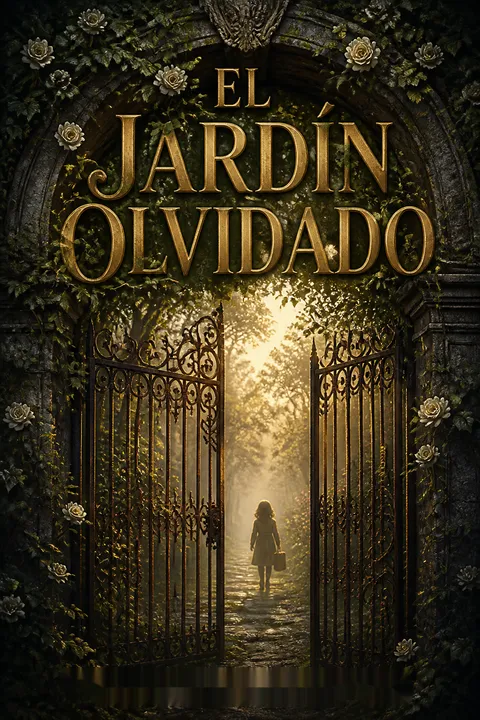
Summary Temporarily Unavailable
This summary is temporarily unavailable and is currently being updated. You can still explore the FAQs and other metadata below.
خلاصه داستان
کودکی بر روی اسکله
در سال ۱۹۱۳، دختربچهای کوچک به تنهایی بر روی اسکله مریبورو در استرالیا پیدا میشود؛ دختری که چمدان کوچکی سفید رنگ در دست دارد و نام یا گذشتهاش را به یاد نمیآورد. هیوج و لیل اوکانر، زوجی بدون فرزند، او را به سرپرستی میپذیرند و نامش را نل میگذارند. تنها سرنخهای نل از گذشتهاش، کتابی از قصههای پریان و چند شیء گرانبهاست. با بزرگ شدن نل، او مورد محبت قرار میگیرد اما همواره حس دیگری بودن و سایهای از گذشتهای گمشده را در خود احساس میکند. اوکانرها منشاء واقعی او را مخفی نگه میدارند، اما حقیقت ناگزیر برملا میشود و زمینهساز جستجویی مادامالعمر برای هویت میگردد.
رازها و افشاگریها
در بیست و یکمین سالگرد تولد نل، هیوج حقیقت را فاش میکند: نل دختر بیولوژیکی آنها نیست بلکه کودکی یتیم است. این افشاگری نل را در هم میشکند، حس هویت او را متزلزل میسازد و باعث میشود نامزدیاش را لغو کند و از خانوادهی پذیرفته شده کنارهگیری نماید. این راز که سالها پنهان مانده بود، تأثیرات عمیقی بر نسلها میگذارد و روابط نل و زندگی نوهاش، کاساندرا، را دههها بعد شکل میدهد. بار سنگین حقایق پنهان و اشتیاق به تعلق، موضوعات اصلی داستان میشوند و جستجوی نل برای کشف ریشههایش آغاز میگردد.
هزارتو و نویسنده
اولین خاطرات نل با زنی مرموز به نام نویسنده همراه است که به او گفته بود منتظر کشتی بماند. نویسنده، الیزا میکپیس، نویسنده قصههای پریان و شخصیتی پوشیده در راز است. هزارتوی عمارت بلکهارست در کورنوال، هم به معنای واقعی و هم استعاری، رازهای گذشته را در خود پنهان کرده است. باغ ممنوعه در قلب این هزارتو، مکانی جادویی، سرشار از فقدان و دگرگونی است که نسلهای زنان را از طریق داستانها، اشتیاق و غم به هم پیوند میدهد.
میراثی از رمز و راز
در سال ۲۰۰۵، کاساندرا، نوه نل، پس از مرگ مادربزرگش در شوک فرو میرود. او نه تنها خانه و داراییهای نل را به ارث میبرد، بلکه سند کلبهای مرموز در کورنوال انگلستان را نیز دریافت میکند. کاساندرا که خود درگیر تراژدیهای شخصی است، به شبکهای از رازها کشیده میشود که زندگی نل را شکل دادهاند. این میراث فراتر از اموال مادی است؛ دعوتی است برای گشودن رازهای گذشته، یافتن حقیقت درباره منشاء نل و در این مسیر، التیام زخمهای خود.
هویت گمشده
سفر نل برای کشف هویت واقعیاش از استرالیا به انگلستان میرسد. او درمییابد که تنها سرنخهایش—کتاب قصههای پریان نوشته الیزا میکپیس، طرحی و لباسی کودکانه—با عمارت بلکهارست و خانواده مونترشه مرتبطاند. نل با کاوش در آرشیوها، مصاحبه با اهالی محل و بازدید از مکانهای خاطرات اولیهاش، داستانی از عشق، خیانت و فداکاری را کنار هم میچیند. جستجوی هویت در زندگی کاساندرا نیز بازتاب مییابد؛ مبارزهای برای عبور از غم و فقدان.
نگهبان باغ مخفی
باغ دیواری کلیف کاتج که زمانی توسط الیزا میکپیس نگهداری میشد، مکانی است پر از زیبایی و اندوه. اینجا نقطه تلاقی رشتههای گذشته است: قصههای پریان الیزا، کودک گمشده و رازهای خانواده مونترشه. باغی که سالها رها شده بود، نمادی از حافظه و امید میشود. با بازسازی باغ توسط کاساندرا، سرنخهای عینی و احساسی کشف میشود که او را به حقیقت درباره والدین نل و سرنوشت الیزا نزدیکتر میکند.
معمای چمدان
چمدان کوچک سفید رنگی که همراه نل پیدا شد، شامل کتاب قصههای پریان، سنجاق سینهای برای عزاداری و دستهای مو است. این اشیاء بیش از یادگاریاند؛ کلیدهایی برای رمزگشایی منشاء نل. کاساندرا و پیش از او نل، با تحقیق و شهود درمییابند که محتوای چمدان داستانی پنهان از عشق، فقدان و فداکاری را بازگو میکند. چمدان به ظرفی برای حافظه بدل میشود که زندهها را به مردگان و حال را به گذشته پیوند میدهد.
بیداری گذشته
در جریان تحقیقات، کاساندرا با اهالی روستا، مورخان و نوادگان کسانی که زمانی در بلکهارست زندگی میکردند ملاقات میکند. او داستان تراژیک الیزا را میآموزد: عشق او به دخترخالهاش رز، نقش مادر جانشین و ناپدید شدن نهاییاش. گذشته مرده نیست؛ در مناظر، داستانها و غمهای حل نشده بازماندگان زنده است. سفر کاساندرا هم به اندازه کشف حقیقت، سفری برای التیام است و او با فقدانهای خود کنار میآید.
معامله و حق تولد
رز مونترشه، که قادر به بچهدار شدن نیست، از دخترخالهاش الیزا میخواهد که برایش فرزندی به دنیا آورد. الیزا که در جستجوی عشق و تعلق است، میپذیرد. ناتانیل واکر، همسر رز، پدر کودک است و الیزا به طور مخفیانه در کلبه دیواری زایمان میکند. نوزاد، نل، به رز سپرده میشود که او را به عنوان فرزند خود بزرگ میکند. این توافق که برای خوشبختی بود، بذرهای غم، حسادت و تراژدی را میکارد، چرا که حقیقت نمیتواند برای همیشه پنهان بماند.
بهای تخم طلایی
داستان الیزا با عنوان «تخم طلایی» تمثیلی باریک از فداکاری خودش است: دختری که حق تولدش را برای خوشبختی دیگری فدا میکند و در نهایت تنها و خالی میماند. قصههای پریان در سراسر روایت نه تنها داستانهایی ساده بلکه اعترافاتی رمزگذاری شده و نقشههای احساسی زندگی درونی شخصیتها هستند. بهای تخم طلایی—فدا کردن فرزند، نادیده گرفتن نیازهای خود برای دیگری—دلشکستگی و فقدان است، اما همچنین امکان رستگاری را به همراه دارد.
گشایش حقیقت
کاساندرا با نامهها، دفترچهها و شهادت کسانی که به یاد دارند، حقیقت را کشف میکند: نل دختر الیزا بود، نه رز. الیزا پس از بازپسگیری نل پس از مرگ رز، ربوده و کشته میشود پیش از آنکه بتواند با دخترش دیدار کند. نل که تنها بر روی کشتی به استرالیا فرستاده شده بود، هرگز عشق واقعی مادرش را نمیشناسد. این افشاگری هم ویرانگر و هم رهاییبخش است و به کاساندرا اجازه میدهد درد مادربزرگش را درک کند و گذشته را به آرامش برساند.
بازگشت به خانه و التیام
در زمان حال، کاساندرا باغ مخفی را بازسازی میکند و به طور نمادین زخمهای گذشته را التیام میبخشد. او تصمیم میگیرد در کورنوال بماند و میراث زنانی را که پیش از او آمدهاند بپذیرد. باغ که زمانی مکانی پر از راز و اندوه بود، به پناهگاهی از امید و نو شدن تبدیل میشود. با درک و همدلی، کاساندرا آرامش مییابد و داستان به نقطه آغاز خود بازمیگردد: کودک گمشده پیدا میشود، باغ فراموششده دوباره شکوفا میگردد و طلسم گذشته سرانجام شکسته میشود.
شخصیتها
نل (آیووری) اندروز
نل شخصیت محوری داستان است که منشاء مرموزش روایت را پیش میبرد. او پس از پیدا شدن تنها بر روی اسکله توسط اوکانرها در استرالیا بزرگ میشود؛ دختری که با وجود محبت، همواره احساس متفاوت بودن دارد. افشای سرپرستی او، حس هویتاش را متلاشی میکند و جستجویی مادامالعمر برای کشف هویت واقعیاش آغاز میشود. از نظر روانشناختی، نل با حس عمیق ترکشدگی و اشتیاق به ارتباط مشخص میشود. سفر او تکههای گذشتهای پراکنده را کنار هم میچیند و میراثش به نوهاش کاساندرا منتقل میشود که در نهایت داستان نل را به پایان میرساند.
کاساندرا اندروز
کاساندرا، نوه نل، خود درگیر فقدان است—مرگ همسر و فرزندش. او خانه نل و سند کلبه کلیف را به ارث میبرد و به رازهای گذشته نل کشیده میشود. سفر روانشناختی او بازتابی از نل است: از انزوا و غم تا التیام و خودشناسی. از طریق تحقیقاتش، کاساندرا نه تنها حقیقت درباره نل را کشف میکند بلکه راهی برای پیش رفتن در زندگی خود مییابد، باغ را بازسازی میکند و آیندهای نو را میپذیرد.
الیزا میکپیس
الیزا نویسنده قصههای پریان است؛ زنی که با فقدان، مقاومت و اشتیاق شناخته میشود. او در کودکی یتیم شده و توسط خویشاوندان اشرافیاش در عمارت بلکهارست پذیرفته میشود. پیوند عمیق او با دخترخالهاش رز و نقش مادر جانشین برای نل، زندگیاش را شکل میدهد. پیچیدگی روانی الیزا از طریق داستانهایش آشکار میشود که هم اعتراف و هم تخلیه احساسیاند. سرنوشت نهایی او—ربوده و کشته شدن پیش از بازپسگیری دخترش—سایهای بر روایت میافکند، اما عشقش از طریق قصهها و باغی که پرورش داده، باقی میماند.
رز مونترشه واکر
رز دخترخاله الیزاست که در رفاه بزرگ شده اما از بیماری و نازایی رنج میبرد. اشتیاق او به داشتن فرزند، او را به معاملهای ناامیدانه با الیزا میکشاند تا برایش فرزندی به دنیا آورد. شکنندگی روانی رز، حسادت و وابستگیاش به الیزا، بخش عمدهای از تراژدی را رقم میزند. مرگ او در حادثه قطار، جرقهای برای افشای رازها و بازپسگیری نل توسط الیزا میشود.
ناتانیل واکر
ناتانیل، همسر رز، هنرمندی با استعداد و اصالت ساده است. او در شبکه رازهای خانواده گرفتار میشود و به درخواست رز، پدر فرزند الیزا میشود. کشمکش روانی ناتانیل میان وفاداریهای متضاد است: عشق به رز، ارتباط با الیزا و آرزوهای شخصیاش. تصاویر او برای قصههای پریان الیزا، هم راهی برای خلاقیت و هم بیان احساسات است. مرگ او همراه با رز، نل را یتیم میکند و زمینهساز راز مرکزی داستان میشود.
آدلین مونترشه
آدلین، مادر رز، وسواس شدیدی بر آداب، شهرت و کنترل دارد. او سرپرستی مخفی را سازماندهی میکند، اطرافیان را دستکاری مینماید و در نهایت حقیقت را پنهان نگه میدارد. از نظر روانشناختی، آدلین با ترس—از رسوایی، از دست دادن و ناکافی بودن خود—هدایت میشود. اقدامات او، هرچند برای محافظت از خانواده است، پیامدهای ویرانگری برای همه به همراه دارد.
لینوس مونترشه
لینوس، پدر رز و عمو الیزا، مردی است که با فقدان و وسواس شناخته میشود. ناتوانیاش در نجات خواهرش جورجیانا، تمرکز بر الیزا به عنوان جانشین و مشارکت در رازهای خانواده، او را به شخصیتی تراژیک بدل میکند. از نظر روانی، لینوس در گناه و اشتیاق غرق است و نمیتواند از الگوهای گذشته رها شود.
مری مارتین
مری خدمتکار بلکهارست و رازدار الیزاست. بارداری و اخراجش از خدمت، داستان الیزا را بازتاب میدهد و او نقش کلیدی در سرپرستی مخفی ایفا میکند. قدرت روانی مری در وفاداری و دلسوزیاش است، اما او نیز با درد فقدان و بار رازها نشانهگذاری شده است.
ویلیام مارتین
ویلیام، برادر مری، ماهیگیری است که از دور الیزا را دوست دارد. نقش او به عنوان ناظر و گاه رازدار، بینشهایی درباره وقایع بلکهارست به او میدهد اما در نهایت ناتوان از تغییر مسیر آنهاست. از نظر روانی، ویلیام با اشتیاق و پشیمانی تعریف میشود و داستانش پژواکی کوچک از تراژدیهای بزرگتر اطرافش است.
کریستین بلیک
در زمان حال، کریستین باغبان محلی است که به کاساندرا در بازسازی باغ مخفی کمک میکند. تاریخچه او از فقدان و التیام، موازی با کاساندرا است و رابطه رو به رشد آنها نویدبخش تجدید حیات است. سفر روانی کریستین عبور از غم، یافتن هدف در بازسازی و گشودن خود به عشق نو است.
ابزارهای داستانی
خطوط زمانی درهمتنیده
ساختار رمان بین سه خط زمانی اصلی جابجا میشود: ۱۹۱۳ (کودکی نل)، ۱۹۷۵ (جستجوی نل) و ۲۰۰۵ (تحقیقات کاساندرا). این درهمتنیدگی امکان افشای تدریجی رازها، بازتاب گذشته و حال و بررسی چگونگی پژواک عشق و آسیب در نسلها را فراهم میآورد. تغییر دیدگاهها تعلیق ایجاد میکند و خواننده را به کنار هم گذاشتن پازل همراه با شخصیتها دعوت میکند.
قصههای پریان به عنوان استعاره
قصههای پریان الیزا در سراسر رمان جای گرفتهاند و به مثابه تمثیلهایی برای تجربههای شخصیتها عمل میکنند. داستانهایی مانند «چشمان پیرزن» و «تخم طلایی» فداکاریها، فقدانها و امیدهای الیزا، رز و نل را بازتاب میدهند. این قصهها هم ابزارهای داستانی و هم نقشههای روانشناختیاند که بینشهایی درباره زندگی درونی شخصیتها و پیچیدگیهای اخلاقی انتخابهایشان ارائه میدهند.
باغ مخفی
باغ دیواری کلیف کاتج هم مکانی واقعی و هم استعارهای از رازها، درد و زیباییهای پنهان در شخصیتهاست. بازسازی آن در زمان حال، بازگشایی گذشته را منعکس میکند و رهاشدگیاش، زخمهای عاطفی نادیده گرفته شده را نشان میدهد. باغ مکانی برای دگرگونی است، جایی که فقدان پذیرفته میشود و التیام ممکن میگردد.
اشیاء به عنوان سرنخ
چمدان، سنجاق سینه عزاداری، کتاب قصههای پریان و دسته مو بیش از یادگاریاند؛ کلیدهای رواییاند. هر شیء بار احساسی دارد و پیوندی ملموس بین گذشته و حال است که شخصیتها (و خواننده) را به سوی حقیقت هدایت میکند. کشف قبر الیزا و اشیاء دفن شده با او، قطعه نهایی پازل است.
پیشنمایی و موازیسازی
رمان سرشار از پیشنمایی است؛ رویدادها و تصاویر اولیه (هزارتو، کودک گمشده، باغ ممنوعه) در خطوط زمانی بعدی تکرار میشوند. سفرهای موازی نل و کاساندرا، هر دو در جستجوی هویت و التیام، موضوعات میراث، آسیب و رستگاری را تقویت میکنند. تکرار موتیفها—باغها، هزارتوها، قصههای پریان—حسی از سرنوشت و پیوستگی ایجاد میکند.
تحلیل
«باغ فراموششده» داستانی چندنسلی است که به بررسی چگونگی انتقال رازها، آسیبها و عشق در خانوادهها میپردازد. در قلب رمان، پرسشی درباره معنای تعلق، شناخت خود و التیام زخمهای گذشته مطرح میشود. با ساختار پیچیده، استفاده از قصههای پریان و فضاهای تأثیرگذار، کتاب هزینههای فداکاری و ضرورت مواجهه با حقایق دردناک را بررسی میکند. بازسازی باغ مخفی هم به معنای واقعی و هم نمادین است: کاساندرا با کشف رازهایی که زندگی مادربزرگش را شکل دادهاند، فراتر از غم خود میرود و آیندهای نو را میپذیرد. رمان نشان میدهد که گذشته هرگز به طور کامل بازپس گرفته نمیشود، اما فهم و همدلی میتوانند طلسم اندوه را بشکنند و رشد نو را ممکن سازند. در نهایت، «باغ فراموششده» گواهی است بر قدرت پایدار داستانها—آنهایی که به ارث میبریم، برای خود میگوییم و انتخاب میکنیم بازنویسی کنیم.
آخرین بروزرسانی:
Report Issueخلاصه نقدها
دیگران نیز خواندهاند





سؤالات متداول
```markdown
Synopsis & Basic Details
What is The Forgotten Garden about?
- A Multi-Generational Quest: The Forgotten Garden weaves together the stories of three women across a century, beginning with Nell, a child found abandoned in Australia in 1913, and her granddaughter Cassandra, who inherits a mysterious cottage in Cornwall in 2005. The novel explores their intertwined journeys to uncover a hidden family history, revealing secrets of identity, love, and sacrifice.
- Unraveling a Family Mystery: At its core, the narrative follows Cassandra's investigation into her grandmother Nell's origins, which leads her to the enigmatic figure of Eliza Makepeace, a Victorian authoress of fairy tales, and the aristocratic Mountrachet family of Blackhurst Manor. The story delves into the complex relationships and desperate choices that led to Nell's abandonment and Eliza's disappearance.
- The Power of Place and Memory: The novel uses the atmospheric setting of Cornwall, particularly the secluded Cliff Cottage and its walled garden, as a central metaphor for buried truths and forgotten lives. As Cassandra restores the neglected garden, she unearths the emotional and historical layers of her family's past, ultimately finding healing and a new sense of belonging for herself.
Why should I read The Forgotten Garden?
- Intricate, Layered Mystery: Readers who enjoy complex family sagas with a strong sense of mystery will be captivated by the novel's interwoven timelines and gradual revelation of secrets. Kate Morton masterfully builds suspense, inviting readers to piece together the puzzle alongside the characters, making for a deeply immersive experience.
- Rich Character Depth: The book offers a profound psychological exploration of its characters, particularly the women, delving into their unspoken motivations, emotional wounds, and resilience. Their struggles with identity, loss, and societal expectations resonate deeply, creating a powerful emotional connection.
- Evocative Atmosphere & Symbolism: Morton's descriptive prose brings the Cornish landscape and the historical settings vividly to life, imbuing them with symbolic meaning. The recurring motifs of gardens, mazes, and fairy tales enrich the narrative, offering layers of interpretation that elevate the story beyond a simple mystery.
What is the background of The Forgotten Garden?
- Edwardian and Victorian Societal Norms: The historical backdrop is crucial, highlighting the rigid class structures, strict moral codes, and societal pressures of late 19th and early 20th century England. These norms, particularly around illegitimacy and female propriety, directly drive the desperate choices made by characters like Adeline and Rose, and the need for profound secrecy.
- Early Medical Practices & Ethics: A subtle but significant background element is the nascent field of X-ray technology in the late 1800s. Dr. Matthews's ambitious, yet reckless, use of a "sixty-minute exposure" on young Rose, leading to her infertility, underscores the era's limited understanding of medical risks and the devastating, unforeseen consequences of scientific advancement.
- Post-War Australian Immigration: The Australian timeline reflects the country's role as a destination for British migrants, often seeking new beginnings. Nell's arrival on the Maryborough wharf in 1913, amidst a wave of European immigration, grounds her abandonment in a specific historical context of displacement and the challenges faced by new arrivals.
What are the most memorable quotes in The Forgotten Garden?
- "Secrets had a way of making themselves known and it was better, surely, that she learned the truth from him." (Hugh, Chapter 2): This quote encapsulates the central theme of hidden truths and their inevitable surfacing. It highlights Hugh's moral dilemma and foreshadows the profound impact of Nell's origins on her life and subsequent generations, driving the entire narrative's quest for identity.
- "You make a life out of what you have, not what you're missing." (Ruby, Chapter 43): Spoken by Ruby to Cassandra, this line serves as a powerful thematic statement on resilience and acceptance. It directly addresses Cassandra's grief and sense of incompleteness, offering a philosophy of moving forward by embracing the present rather than dwelling on past losses, a lesson Nell also grappled with.
- "Memory is a cruel mistress with whom we all must learn to dance." (Eliza, Chapter 42): This poignant quote from Eliza reflects the complex and often painful nature of memory throughout the novel. It speaks to the characters' struggles to reconcile their pasts, highlighting how memories can haunt, mislead, or ultimately, with acceptance, become a source of strength and understanding.
What writing style, narrative choices, and literary techniques does Kate Morton use?
- Lush, Evocative Prose: Morton employs a rich, descriptive writing style that immerses the reader in the sensory details of each setting, from the "fusty smell" of London tenements to the "salt-licked" air of the Cornish coast. This creates a strong sense of atmosphere, making the locations feel like characters themselves and enhancing the emotional resonance of the story.
- Non-Linear, Multi-Perspective Narrative: The novel's intricate structure, shifting between three distinct timelines (1913, 1975, 2005) and multiple character perspectives, is a key narrative choice. This fragmented approach mirrors the fragmented nature of memory and identity, gradually revealing pieces of the puzzle and building suspense as the reader connects the dots across generations.
- Symbolism and Allegory: Beyond the explicit use of fairy tales as metaphors, Morton subtly weaves in recurring symbols like the maze, the walled garden, and specific objects (the brooch, the X-ray images). These elements carry deeper thematic weight, representing hidden truths, confinement, transformation, and the enduring legacy of the past, inviting readers to interpret their layered meanings.
Hidden Details & Subtle Connections
What are some minor details that add significant meaning?
- Linus's Lameness and Photography: Linus Mountrachet's childhood lameness and his subsequent obsession with photography are subtle but crucial details. His physical "imperfection" and the trauma of being lost in the maze as a child shape his withdrawn, controlling personality and his fixation on capturing Georgiana (and later Eliza) through his lens, revealing a deep-seated need for control and a desire to possess what he perceives as perfect.
- The "Fairyland" Luster Vase: Nell's prized "Fairyland" luster vase, kept hidden and cherished, symbolizes her own hidden identity and the elusive magic of her forgotten past. Its material value is secondary to its symbolic representation of her "first nugget" of discovery, mirroring her lifelong quest for her true origins and the "gold" of self-knowledge.
- The Rose Thorn in Adeline's Palm: During Eliza's burial, Adeline is pricked by a rose thorn, drawing blood. This seemingly minor detail is highly symbolic, representing the "curse" or karmic retribution for her cruel actions and the "blood" on her hands from orchestrating Eliza's confinement and death. It foreshadows her eventual descent into madness and the unraveling of her carefully constructed facade.
What are some subtle foreshadowing and callbacks?
- Eliza's "Cuckoo" Fairy Tale: The final fairy tale, "The Cuckoo's Flight," published posthumously, subtly foreshadows Eliza's ultimate fate and Nell's journey. The cuckoo bird, known for laying its eggs in other birds' nests, mirrors Eliza's act of giving her child to Rose, while the bird's eventual flight to a "new land of hope" directly parallels Nell's journey to Australia and her eventual self-discovery.
- The "Keep Out" Sign at Cliff Cottage: The sign reading "Keep Out or the risk be all yours" at the cottage gate initially seems a simple warning. However, it subtly foreshadows the dangerous secrets hidden within the property and the emotional "risk" Cassandra takes by delving into the past, echoing the Mountrachet family's desperate attempts to keep their secrets contained.
- Nell's Childhood Memory of "Ivory": Nell's fragmented memory of her name being "sharp and jagged like a star cut from cardboard with pointed scissors" (Chapter 33) is a powerful callback to Ivory Walker's perspective in Chapter 42, where she describes her name as a "weapon." This shared, visceral perception of the name subtly links Nell to her true identity long before it is explicitly revealed.
What are some unexpected character connections?
- Nathaniel Walker's Illustrations for Eliza's Tales: The revelation that Nathaniel, Rose's husband, secretly illustrated Eliza's fairy tales creates an unexpected artistic and emotional bond between them. This collaboration, born of Nathaniel's suppressed passion for sketching and Eliza's need for an outlet, hints at a deeper, unspoken connection that transcends their formal family roles and Rose's jealousy.
- Christian Blake's Childhood Connection to Nell: Christian's revelation that he met Nell as a child, when she caught him trespassing in the walled garden, establishes a poignant, pre-destined connection between him and Cassandra's quest. His memory of Nell as a "sad face" and his own mother's death from cancer provide a shared understanding of loss that draws him to Cassandra and the garden's restoration.
- Harriet Swindell's Witness Account: The seemingly minor character of Harriet Swindell, the daughter of Eliza's London landlords, becomes a crucial witness. Her detailed letter to Nell, describing Eliza's abduction by Mansell, provides the missing link in the mystery of Eliza's disappearance, transforming a peripheral figure into a pivotal one who holds the key to a century-old secret.
Who are the most significant supporting characters?
- Henry Mansell, the Detective: Mansell, initially hired by Linus to find Georgiana and later Eliza, is a shadowy figure who embodies the darker side of the Mountrachet family's secrets. His role in Eliza's abduction and subsequent death is pivotal, making him the unwitting instrument of Adeline's desperate plan to bury the truth. His "steady voice" and "pince-nez" become symbols of cold, calculated control.
- Mary Martin, the Loyal Maid: Mary serves as Eliza's confidante and a silent witness to the secret pregnancy and adoption. Her loyalty to Eliza, despite her own dismissal and personal loss, highlights the deep bonds formed outside the rigid class system. Her later "unburdening" to her daughter Clara is crucial for Cassandra's final discovery.
- William Martin, the Unrequited Lover: Mary's brother, William, provides a grounded, empathetic perspective on Eliza. His unrequited love for her and his "addiction" to her presence reveal Eliza's captivating nature and the profound impact she had on those around her. His initial reluctance to speak about Eliza's disappearance, and his later hints to Nell, underscore the lingering power of the past and the burden of secrets in a small community.
Psychological, Emotional, & Relational Analysis
What are some unspoken motivations of the characters?
- Adeline's Fear of Social Ruin: Beyond simply maintaining appearances, Adeline's deepest unspoken motivation is a profound fear of social ruin, stemming from her own humble origins and her husband Linus's family scandal (Georgiana's elopement). Her relentless pursuit of propriety and control, culminating in Eliza's murder, is driven by a desperate need to secure her family's fragile social standing and prevent any further "stain" on the Mountrachet name.
- Linus's Obsession with Georgiana's "Replacement": Linus's fixation on Eliza, and later Ivory, as replacements for his lost sister Georgiana, is an unspoken motivation rooted in his childhood trauma and feelings of inadequacy due to his lameness. His photography, initially a hobby, becomes a means to "capture" and control these women, reflecting his inability to cope with loss and his desperate longing for a perfect, unchanging "poupée."
- Eliza's Desire for Unconditional Belonging: While Eliza agrees to bear Rose's child out of love and a desire to be "needed," an unspoken motivation is her deep-seated longing for unconditional belonging, a feeling denied by her orphaned status and transient childhood. Her hope that this sacrifice will "cement their bond forever" with Rose reveals her vulnerability and desperate need for a permanent family connection.
What psychological complexities do the characters exhibit?
- Rose's Fragility and Self-Deception: Rose exhibits the psychological complexity of a "delicate child" whose ill health has fostered a self-centeredness and a tendency towards self-deception. Her desperate longing for a child, coupled with her inability to accept her infertility, leads her to rationalize the unethical "bargain" with Eliza. Her subsequent withdrawal from Eliza and her denial of the truth highlight her psychological fragility and her inability to confront uncomfortable realities.
- Nathaniel's Artistic Compromise and Guilt: Nathaniel is a complex character torn between his artistic integrity and his desire for social acceptance and financial stability. His "pumping out portraits" for the elite, while secretly illustrating Eliza's fairy tales, reveals his internal conflict. His guilt over his complicity in the secret adoption and his "betrayal" of Eliza's trust contribute to his eventual withdrawal and the "stunted" nature of his later work.
- Cassandra's Grief and Avoidance: Cassandra's psychological complexity lies in her profound grief over the loss of her husband and child, which manifests as a desire for isolation and an avoidance of her past. Her feeling of being "half-light" and her initial reluctance to engage with Nell's mystery reflect a protective mechanism. Her journey is one of gradually dismantling these emotional walls, finding healing not by forgetting, but by confronting and understanding loss.
What are the major emotional turning points?
- Nell's 21st Birthday Revelation: Hugh's confession on Nell's 21st birthday is a pivotal emotional turning point, shattering her established identity and sense of belonging. This moment of profound shock and betrayal sets Nell on her lifelong quest for truth, transforming her from a contented young woman into a "prickly" and independent seeker.
- Eliza's Decision to Bear Rose's Child: Eliza's agreement to carry Rose's child marks a significant emotional turning point, driven by her deep love for Rose and her own longing to be needed. This decision, born of sacrifice and a desire for an unbreakable bond, sets in motion the central tragedy of the novel, leading to her own profound loneliness and eventual death.
- Cassandra's Dream of Pregnancy: Cassandra's vivid dream of being pregnant in the walled garden, feeling the baby kick, is a powerful emotional turning point. It forces her to confront her own unresolved grief over Leo's death and her suppressed maternal instincts, signaling a shift from passive mourning to active engagement with life and the possibility of new beginnings.
How do relationship dynamics evolve?
- Rose and Eliza's Shifting Friendship: The relationship between Rose and Eliza evolves from a deep, almost symbiotic childhood friendship, where Eliza fills the void in Rose's isolated life, to one strained by jealousy and betrayal. Rose's increasing possessiveness and Eliza's sacrifice for her ultimately fracture their bond, leading to Eliza's self-imposed exile and Rose's denial of their shared past.
- Nell and Hugh's Adoptive Bond: The relationship between Nell and her adoptive father, Hugh, is initially one of deep, unquestioning love. However, Hugh's delayed revelation of Nell's true origins creates a lasting rift, transforming their bond from one of easy affection to one marked by unspoken hurt and distance, despite his enduring love and guilt.
- Cassandra and Christian's Healing Connection: Cassandra's relationship with Christian evolves from a professional acquaintance to a deep emotional connection. Their shared experiences of loss (Christian's mother, Cassandra's husband and child) and their mutual involvement in restoring the forgotten garden create a foundation of empathy and understanding, allowing them to heal together and forge a new, hopeful future.
Interpretation & Debate
Which parts of the story remain ambiguous or open-ended?
- The Full Extent of Linus's Complicity: While Linus's obsession with Georgiana and his desire for a "replacement" are clear, the full extent of his knowledge and direct involvement in Eliza's abduction and murder remains somewhat ambiguous. Adeline orchestrates the final act, but Linus's earlier hiring of Mansell and his general detachment suggest a deeper, though perhaps passive, complicity in the family's dark secrets.
- Eliza's Final Moments and Intentions: Eliza's death, as described in Harriet Swindell's letter and her own fragmented memories, leaves some ambiguity about her precise intentions. While she clearly intended to reclaim Ivory and reunite her with Mary, the exact plan for her own future and how she would navigate life with her reclaimed daughter remains open to interpretation, cut short by her tragic end.
- The "Curse" of the Mountrachets: The "curse" mentioned by William Martin, stemming from the Mountrachet family's violent origins (smuggling, murder), is presented as a local superstition. While the family certainly experiences tragedy and psychological torment, it remains ambiguous whether this is a literal curse or a metaphorical representation of the destructive consequences of their actions and secrets.
What are some debatable, controversial scenes or moments in The Forgotten Garden?
- Rose's Bargain with Eliza for a Child: The most controversial moment is Rose's desperate request for Eliza to bear Nathaniel's child, and Eliza's agreement. This act raises significant ethical questions about bodily autonomy, exploitation, and the commodification of life, sparking debate about the morality of their choices and the societal pressures that led to such a desperate pact.
- Adeline's Orchestration of Eliza's Murder: Adeline's calculated decision to have Eliza abducted and murdered, ensuring her silence and the continued secrecy of Nell's true parentage, is a highly controversial and shocking moment. It highlights the extreme lengths to which characters will go to protect reputation and control, forcing readers to confront the dark side of human nature and the devastating consequences of unchecked power.
- Hugh O'Connor's Decision to Keep Nell's Origins Secret: Hugh's choice to conceal Nell's true identity for over two decades, despite his love for her, is debatable. While motivated by a desire to protect Lil and Nell, it ultimately causes profound psychological damage to Nell, raising questions about the ethics of withholding truth, even with good intentions, and the long-term impact of such secrets on identity.
The Forgotten Garden Ending Explained: How It Ends & What It Means
- Eliza's Tragic Fate and Nell's Abandonment: The ending reveals that Eliza Makepeace was Nell's biological mother, not Rose. After Rose and Nathaniel's deaths, Eliza reclaimed Nell (Ivory) and intended to take her to Mary Martin, Nell's biological aunt, in Australia. However, Eliza was abducted and murdered by Henry Mansell, likely at Adeline Mountrachet's command, to prevent the truth from surfacing. Eliza's body was secretly buried in the walled garden of Cliff Cottage, and Nell was left alone on the ship to Australia, leading to her adoption by the O'Connors. This explains [Nell's](#nell
دانلود PDF
دانلود EPUB
.epub digital book format is ideal for reading ebooks on phones, tablets, and e-readers.








































