
نکات کلیدی
۱. تجربههای نزدیک به مرگ گواهی بر وجود آگاهی فراتر از عملکرد مغز هستند.
تجربههای نزدیک به مرگ نشان میدهند که تجربهی آگاهانه در زمانی که مغز بهطور موقت دچار اختلال عملکرد است، ممکن است.
ناهنجاری آگاهی. تجربههای نزدیک به مرگ زمانی رخ میدهند که افراد در حالی که مغزشان از نظر بالینی مرده است، تجربههای آگاهانهای دارند؛ این موضوع دیدگاه مادیگرایانه که آگاهی صرفاً محصول عملکرد مغز است را به چالش میکشد. این تجربهها با فراوانی قابل توجه گزارش شده و اغلب شامل ادراکات واقعی هستند.
ویژگیهای مشترک. تجربههای نزدیک به مرگ در گزارشهای متنوع، ویژگیهای اصلی مشترکی دارند؛ از جمله خروج از بدن، دید تونلی، ملاقات با عزیزان درگذشته یا موجودات نورانی، و مرور زندگی به صورت پانوراما. روایتهای تاریخی مانند داستان اَر افلاطون نشان میدهد که این تجربهها پدیدهای نوظهور نیستند.
موارد مستند. مطالعات پژوهشگرانی مانند پیم ون لومل و مایکل سابوم و مواردی مانند عمل جراحی پام رینولدز، شواهد بالینی از تجربههای پیچیدهی آگاهانه در دورههایی که فعالیت مغزی قابل اندازهگیری صفر است ارائه میدهند؛ این امر نشان میدهد که آگاهی میتواند مستقل از مغز وجود داشته باشد.
۲. ظهور ارواح و ارتباط پس از مرگ نشان میدهد که آگاهی پس از مرگ ادامه مییابد.
به نظر میرسد پدیدههای رؤیاها و ظهور ارواح استثنایی نیستند.
ارتباط با درگذشتگان. گزارشهای ظهور ارواح و ارتباط پس از مرگ (ADC) تماسهای خودبهخودی یا القایی با افرادی که دیگر زنده نیستند را توصیف میکنند. این مواجههها در فرهنگها و تاریخهای مختلف گستردهاند.
اطلاعات واقعی. بسیاری از موارد شامل انتقال اطلاعات واقعی است که در زمان وقوع برای شاهد زنده ناشناخته بوده و بعدها تأیید شده است. نمونههایی مانند رؤیاهای بالین مرگ از بستگان تازه درگذشته که برای فرد در حال مرگ ناشناخته بودهاند یا جزئیاتی درباره شرایط مرگ.
مطالعه نظاممند. سازمانهایی مانند انجمن تحقیقات روانی و پروژه ADC هزاران گزارش جمعآوری کردهاند که پایهای برای مطالعه این پدیدهها فراهم میآورد و نشان میدهد نوعی آگاهی میتواند پس از مرگ جسمانی ظاهر شده و ارتباط برقرار کند.
۳. ارتباط از طریق واسطه امکان تماس با موجودات بیجسد را فراهم میکند.
به نظر میرسد موجود تماسگرفته شده آگاهی نیمهزندهای است که متعلق به فرد زنده حاضر نیست.
پیامرسانی از طریق واسطه. ارتباط با درگذشتگان میتواند از طریق واسطهای که معمولاً در حالت خلسه است انجام شود و پیامهایی را به حاضران زنده منتقل کند. این نوع ارتباط با تماس خودبهخودی متفاوت است زیرا شخص ثالثی ارتباط را تسهیل میکند.
شواهد اصالت. موارد معتبر احتمال تقلب یا تلهپاتی از سوی افراد زنده را با ارائه اطلاعات ناشناخته برای واسطه یا حاضران کاهش میدهند؛ گاهی شامل دانش یا زبانهای ناآشنا. آزمایشهای مکاتبات متقاطع نمونه برجستهای هستند.
ارتباط هدفمند. برخی موجودات واسطهای هدفمندی نشان میدهند و جزئیات خاص و قابل تأییدی ارائه میکنند (مانند جزئیات سقوط کشتی هوایی R101 یا معمای رودن نوئل) یا در تعاملات پیچیدهای شرکت میکنند (مانند بازی شطرنج با گزا ماروچی) که نشان میدهد آنها شخصیتهای آگاه و متمایزی هستند.
۴. ارتباط ابزاری امکان تماس الکترونیکی با درگذشتگان را فراهم میآورد.
به نظر میرسد آگاهی میتواند به شکلی وجود داشته باشد که سیگنالهایی تولید کند که دستگاههای الکترونیکی قادر به تبدیل آنها به صدا و تصویر باشند.
صداهای الکترونیکی. ارتباط ابزاری (ITC)، بهویژه پدیدههای صوتی الکترونیکی (EVP)، شامل ضبط صداها یا تصاویر غیرعادی از طریق دستگاههای الکترونیکی مانند رادیو، تلویزیون یا کامپیوتر است که ادعا میشود از درگذشتگان میآید.
پژوهشهای پیشگام. پژوهشگران اولیه مانند کنستانتین رادیو و فریدریش یورگنسون هزاران صدای ضبط شده گزارش کردند که اغلب شامل کلمات قابل شناسایی و پیامهای شخصی بود. تحقیقات بعدی توسط هانس اتو کونیگ و آنابلا کاردوسو با تجهیزات تخصصی و شرایط کنترلشده انجام شد.
جزئیات قابل تأیید. برخی موارد ITC شامل اطلاعات قابل تأیید مانند نامها، رویدادها یا جزئیات فنی است که برای آزمایشکنندگان ناشناخته بوده و نشان میدهد منبعی خارجی و هوشمند وجود دارد. صداهای رادیویی مارچلو باچی نمونهای قوی است که توسط بسیاری مشاهده شده است.
۵. خاطرات زندگیهای گذشته، یادآور خاطراتی هستند که از زندگی کنونی نیستند.
چه این خاطرات متعلق به زندگیهای قبلی خود فرد باشند یا قطعاتی از زندگی دیگران، خاطراتی ظاهر میشوند که از زندگی کنونی فرد نیستند.
تحلیل بازگشت به گذشته. بازگشت درمانی رواندرمانی، اغلب با هیپنوتیزم، میتواند خاطراتی را برانگیزد که به نظر میرسد از زندگیهای گذشته باشند؛ گاهی شامل صحبت به زبانهای ناشناخته یا توصیف جزئیات تاریخی که بعدها تأیید شدهاند.
روایتهای تاریخی. پژوهشگرانی مانند آلبرت دو روشاس مواردی را مستند کردهاند که افراد در حالت خلسه زندگیها و رویدادهایی را توصیف کردهاند که با سوابق تاریخی مطابقت دارد و نشاندهنده دسترسی به اطلاعات فراتر از دانش کنونی آنهاست.
فراتر از حافظه شخصی. صرفنظر از اینکه این خاطرات زندگیهای شخصی واقعی گذشته باشند یا دسترسی به منبع گستردهتری از آگاهی، این پدیده نشان میدهد که خاطرات و تجربیات دقیق که متعلق به زندگی کنونی فرد نیستند، میتوانند در حالات تغییر یافته ظاهر شوند.
۶. تجربههای نوع تناسخ نشان میدهد آگاهی در بدنهای جدید ظاهر میشود.
فراتر از هر شک معقولی است که فرد درگذشته میتواند توسط فرد زندهای دوباره تجربه و ظاهراً زندگی شود.
پدیدههای کودکی. تجربههای مرتبط با تناسخ بیشتر در کودکان دو تا شش ساله رایج است و اغلب شامل یادآوریهای زنده از زندگی قبلی است که گاهی با رفتارها یا ترسهای متناظر همراه است.
جزئیات قابل تأیید. پژوهشهای پیشگام ایان استیونسون و سپس جیم تاکر هزاران مورد را مستند کردهاند که در آن کودکان جزئیات مشخصی درباره زندگی، خانواده و مرگ فرد درگذشته ارائه دادهاند که بعدها توسط شاهدان مستقل و اسناد تأیید شده است.
همبستگیهای فیزیکی. برخی موارد شامل نشانها یا نقصهای مادرزادی در کودک است که با زخمها یا ویژگیهای شخصیت قبلی مطابقت دارد و پیوند فیزیکی بین دو زندگی را نشان میدهد و شواهد را تقویت میکند.
۷. علم معاصر در حال بازکشف بعد بنیادی و غیرمادی است.
در پارادایم جدیدی که در اینجا مطرح میکنیم، ماتریکس بعد عمیق کیهانی است: «آکاشا.»
فراتر از فضا-زمان. فیزیک پیشرفته، بهویژه نظریه میدان کوانتومی و کیهانشناسی، نشان میدهد که جهان قابل مشاهده واقعیت نهایی نیست بلکه تجلی یک ماتریکس یا میدان زیربنایی است که ذاتاً غیرقابل مشاهده است.
اطلاعات بهعنوان اصل. این پارادایم نوظهور اطلاعات را بهجای ماده، واقعیت بنیادی میداند. موجودات در فضا-زمان بهعنوان تحریکات یا تجلیاتی در این بعد عمیقتر دیده میشوند که پیش از فضا و زمان وجود دارد.
مفاهیم علمی. کشفیاتی مانند حالت FQH، نظریههای رشتهای و آمپلیتوهدرون به یک بستر بنیادی و به هم پیوسته اشاره دارند که زیرساخت جهان فیزیکی است و با مفاهیم باستانی مبنی بر وجود زمینه کیهانی همصداست.
۸. این بعد عمیق، آکاشا، اساس واقعیت و آگاهی است.
پارادایم آکاشا رویدادهای فضا-زمان را بهعنوان تجلی روابط بنیادی در بعد عمیق آکاشیک مینگرد.
آگاهی کیهانی. آکاشا بهعنوان آگاهی یکپارچه کیهان مطرح میشود، نه صرفاً یک میدان اطلاعاتی. آگاهی فردی ما بهعنوان تجلی موضعی یا تصویر هولوگرافیک این آگاهی کیهانی واحد دیده میشود.
توضیح «مسئله سخت». این دیدگاه معمای چگونگی تولید آگاهی غیرمادی توسط مغز مادی را با فرض اینکه آگاهی توسط مغز تولید نمیشود بلکه بهطور مستقل در آکاشا وجود دارد، حل میکند.
ارتباط ذاتی. آگاهی فردی ما بهطور ذاتی با آکاشا پیوند خورده است، به این معنا که همه چیز در آگاهی ما با این بعد کیهانی یکپارچه است و امکان دسترسی به اطلاعات فراتر از تجربه شخصی را فراهم میآورد.
۹. آگاهی پدیدهای کیهانی است که توسط مغز منتقل و نمایش داده میشود.
مغز آگاهی را تولید نمیکند؛ آن را منتقل و نمایش میدهد.
انتقال، نه تولید. همانند رادیویی که سمفونی را پخش میکند، مغز بهعنوان ابزاری دیده میشود که آگاهی را دریافت و نمایش میدهد؛ آگاهی که بهطور مستقل در آکاشای کیهانی وجود دارد. وقتی مغز از کار میافتد، انتقال متوقف میشود اما آگاهی ادامه دارد.
فراتر از مشاهده. ما آگاهی خود را بهصورت ذهنی تجربه میکنیم؛ آن را بهعنوان یک شیء فیزیکی مشاهده نمیکنیم. به همین ترتیب، آکاشا مشاهده نمیشود اما اثرات آن تجربه میشود که نشان میدهد در سطحی متفاوت از مغز فیزیکی عمل میکند.
پیوند کوانتومی. نظریههایی مانند Orch OR پنروز و هامرآف مکانیزمهایی را پیشنهاد میکنند که آگاهی از بعد عمیق میتواند در سطح کوانتومی در ساختارهای زیرنورونی مغز با جهان فیزیکی تعامل داشته باشد.
۱۰. مرگ بازگشت آگاهی موضعی به آکاشای کیهانی است.
مرگ پایان وجود نیست؛ بازگشت آگاهی موضعی فرد به کیهان است.
حفظ اطلاعات. هر فکر، احساس و تجربه آگاهی فرد بهطور ذاتی با آکاشا پیوند خورده و در آن حفظ میشود. این انتقال نیست بلکه یک ادغام مستمر است.
ارتباط پیوسته. در هنگام مرگ، بدن فیزیکی از کار میافتد اما ارتباط بین آگاهی فردی و آگاهی کیهانی قطع نمیشود. کل آگاهی فرد از پیش بخشی از آکاشاست.
مسیر فراتر از بدن. در حالی که اجزای بدن مسیر فیزیکی خود را دنبال میکنند، آگاهی که کل بدن را شکل داده است از بین نمیرود بلکه بهعنوان بخشی ذاتی از آگاهی کیهانی به حیات خود ادامه میدهد.
۱۱. تجربههای پس از مرگ متنوعاند و مسیر آگاهی را تعیین میکنند.
به نظر میرسد آگاهی انسان هنگام ترک بدن میتواند بیش از یک مسیر را طی کند.
تجربههای متنوع. تجربههای نزدیک به مرگ اغلب با آرامش، نور و شادی همراه است و افراد را از بازگشت بازمیدارد. با این حال، خاطرات وقفه در موارد تناسخ میتوانند دورههایی از ناراحتی یا رنج را توصیف کنند.
دیدگاههای معنوی. سنتهای دینی و معنوی مانند حالات باردو در بودیسم تبتی یا مفاهیم بهشت و جهنم در غرب، سفرهای پس از مرگ متنوعی را توصیف میکنند که تحت تأثیر زندگی و اعمال فرد (کارما) هستند.
مسیرهای بازگشت یا پیشرفت. آگاهی ممکن است برای توسعه بیشتر یا اصلاح اعمال گذشته به زندگی زمینی بازگردد یا به عوالم بالاتر پیشرفت کند و در نهایت به آگاهی یکپارچه آکاشا بپیوندد.
۱۲. شناخت جاودانگی آگاهانه میتواند عصر نوینی برای بشریت رقم بزند.
درک این که آگاهی ما جاودانه است، اطمینان لازم برای تجربه شادی در زندگی و آرامش در مرگ را به ما میدهد.
فراتر رفتن از مرگ آگاهانه. بشریت از دوره ناآگاهی به شهود و اکنون به دوره مرگ آگاهانه رسیده است که در آن مرگ پایان وجود تلقی میشود و اغلب منجر به ترس و تمرکز بر لذتهای فوری میگردد.
چشمانداز نوین. شواهد علمی که استمرار آگاهی فراتر از مغز را پشتیبانی میکند، پایهای برای عصر جدیدی به نام جاودانگی آگاهانه فراهم میآورد. این صرفاً باور نیست بلکه امکان معتبری است.
تأثیر تحولآفرین. آگاهی از ذهن جاودانه میتواند ارزشها و رفتارهای انسانی را بهطور بنیادین تغییر دهد، مسئولیتپذیری نسبت به دیگران و محیط زیست را افزایش دهد، ترس از مرگ را کاهش دهد و حس عمیقتری از هدف و تداوم فراهم آورد.
خلاصه نقدها
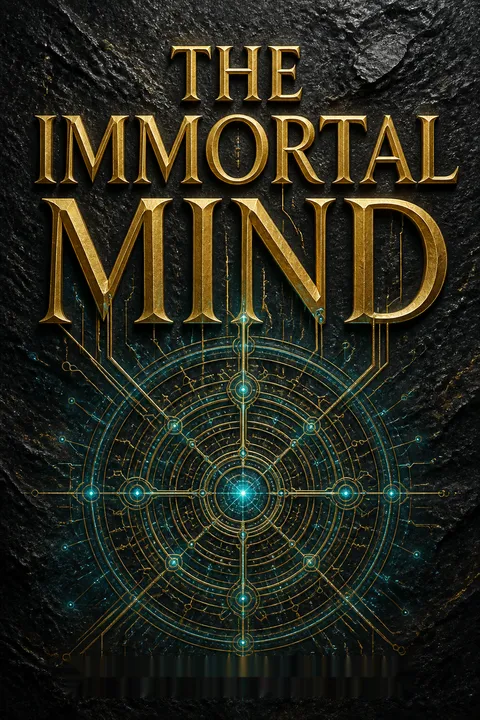
کتاب «ذهن جاودان» با نظرات متفاوتی روبهرو شده است و میانگین امتیاز آن ۴.۰۲ از ۵ است. بسیاری از خوانندگان این اثر را جذاب و برانگیزانندهی تفکر میدانند و از بررسی آگاهی فراتر از مغز و رویکرد علمی آن تمجید میکنند. نقدهای مثبت به موضوع جذاب کتاب، مطالعات موردی و تلفیق فیزیک کوانتوم اشاره دارند. در مقابل، منتقدان معتقدند که کتاب شواهد علمی کافی ندارد و بیش از حد بر تجربیات شخصی تکیه کرده است. برخی خوانندگان سبک نگارش را خشک یا پیچیده میدانند، در حالی که عدهای دیگر به بررسی دقیق تجربههای نزدیک به مرگ، تناسخ و امکان وجود آگاهی جاودان ارزش مینهند.
دیگران نیز خواندهاند


سؤالات متداول
1. What is "The Immortal Mind" by Ervin Laszlo about?
- Explores Consciousness Beyond Death: The book investigates whether consciousness, mind, or soul continues after the death of the physical body, drawing on scientific evidence and case studies.
- Challenges Materialist Paradigm: Laszlo questions the mainstream scientific view that the brain produces consciousness, proposing instead that consciousness may exist independently of the brain.
- Presents Multidisciplinary Evidence: The book reviews data from near-death experiences (NDEs), apparitions, after-death communications, mediumship, past-life recollections, and reincarnation cases.
- Introduces the Akasha Paradigm: Laszlo integrates findings from quantum physics and cosmology, suggesting that consciousness is part of a deeper, non-material dimension called the Akasha.
- Offers a New Vision of Immortality: The book concludes with the idea that understanding the immortality of consciousness could transform individual and collective human life.
2. Why should I read "The Immortal Mind" by Ervin Laszlo?
- Evidence-Based Exploration: The book provides a comprehensive, evidence-driven examination of life after death, appealing to both skeptics and believers.
- Interdisciplinary Approach: It bridges science, philosophy, and spirituality, offering insights from neuroscience, physics, psychology, and parapsychology.
- Paradigm-Shifting Ideas: Laszlo challenges conventional scientific dogma, encouraging readers to reconsider the nature of consciousness and reality.
- Personal and Societal Impact: Understanding the continuity of consciousness could reduce fear of death and inspire more meaningful, responsible living.
- Accessible and Engaging: The book is written for a general audience, with clear explanations, real-life cases, and thought-provoking arguments.
3. What are the key takeaways from "The Immortal Mind" by Ervin Laszlo?
- Consciousness May Survive Death: Multiple lines of evidence suggest that consciousness can exist independently of the brain and persist after physical death.
- The Brain as a Receiver: Rather than producing consciousness, the brain may act as a transmitter or receiver of a more fundamental, nonlocal consciousness.
- The Akasha Field: Laszlo proposes that consciousness is rooted in the Akasha, a deep dimension of reality that underlies space and time, as supported by modern physics.
- Empirical Support: Case studies of NDEs, mediumship, reincarnation, and instrumental transcommunication provide robust, cross-cultural evidence for survival.
- Implications for Humanity: Accepting the immortality of consciousness could usher in a new era of human understanding, ethics, and purpose.
4. How does "The Immortal Mind" by Ervin Laszlo define and explain the Akasha paradigm?
- Ancient and Modern Roots: The Akasha is described as a concept from Indian philosophy, representing a fundamental, all-pervading field or dimension.
- Scientific Correlates: Laszlo connects the Akasha to modern scientific ideas such as the quantum field, holographic universe, and information theory.
- Source of Consciousness: The Akasha is posited as the origin and repository of consciousness, where all experiences and information are stored and accessible.
- Explains Nonlocal Phenomena: The paradigm accounts for phenomena like entanglement, telepathy, and past-life memories as interactions with the Akashic field.
- Integrative Framework: The Akasha paradigm unites spiritual traditions and cutting-edge science, offering a holistic view of mind and cosmos.
5. What evidence does "The Immortal Mind" present for consciousness existing beyond the brain?
- Near-Death Experiences (NDEs): Documented cases where individuals report veridical perceptions and experiences while clinically brain-dead.
- Apparitions and After-Death Communication: Accounts of people receiving information from deceased individuals, sometimes with verifiable details unknown to the living.
- Medium-Transmitted Communication: Investigations into mediums who convey messages from the dead, including cross-correspondences and proxy sittings with robust controls.
- Instrumental Transcommunication: Reports of electronic voice phenomena (EVP) and other technological means allegedly enabling contact with the deceased.
- Past-Life Recollections and Reincarnation: Cases, especially in children, where memories, behaviors, and birthmarks correspond to previous lives, often verified by independent sources.
6. How does "The Immortal Mind" by Ervin Laszlo interpret near-death experiences (NDEs)?
- Consciousness During Clinical Death: NDEs provide evidence that conscious experience can occur when the brain is nonfunctional or clinically dead.
- Common Traits: NDEs often include out-of-body experiences, encounters with deceased relatives, life reviews, and a reluctance to return to the body.
- Veridical Perceptions: Some NDEs involve accurate observations of events or objects that the experiencer could not have known by normal means.
- Scientific Studies: The book cites research by Pim van Lommel, Bruce Greyson, and others, showing significant percentages of NDEs among cardiac arrest survivors.
- Challenges to Materialism: NDEs are presented as anomalies that cannot be explained by current materialist neuroscience.
7. What are apparitions and after-death communications according to "The Immortal Mind," and what evidence supports them?
- Spontaneous and Induced Contact: Apparitions involve the perceived presence of deceased individuals, sometimes providing verifiable information; after-death communications (ADCs) can be spontaneous or induced in therapy.
- Historical and Modern Cases: The book reviews cases from the 19th century to the present, including deathbed visions and messages with factual content unknown to the recipient.
- Large-Scale Studies: Surveys by researchers like Karlis Osis and Emily Williams Kelly show a significant percentage of dying patients report visions of the deceased.
- Cross-Cultural Phenomenon: Such experiences are reported worldwide, across different cultures and belief systems.
- Implications for Survival: The evidence suggests that a form of consciousness or self persists and can interact with the living after bodily death.
8. How does "The Immortal Mind" by Ervin Laszlo address mediumship and medium-transmitted communication?
- Types of Mediumship: The book distinguishes between physical and mental mediumship, focusing on the latter due to its greater evidential value.
- Controlled Investigations: It highlights cases where mediums, under strict controls, conveyed information unknown to themselves or anyone present, such as the Leonora Piper and cross-correspondence cases.
- Proxy Sittings and Group Communication: Describes methods to rule out fraud or telepathy, including using proxies and multiple independent mediums.
- Notable Cases: Includes examples like the chess game with a deceased grandmaster and the Edgar Vandy case, where detailed, verifiable information was transmitted.
- Super-ESP vs. Survival: While acknowledging the super-ESP hypothesis, the book argues that the evidence more plausibly supports genuine communication with discarnate consciousness.
9. What is instrumental transcommunication (ITC) in "The Immortal Mind," and what are its most compelling cases?
- Definition and Methods: ITC refers to the use of electronic devices (radios, tape recorders, computers, TVs) to receive messages from the deceased.
- Historical Development: The book traces ITC from early 20th-century experiments to modern research by figures like Konstantin Raudive, Friedrich Jürgenson, and Anabela Cardoso.
- Notable Experiments: Includes cases where voices or images appeared under controlled conditions, sometimes recognized by relatives or containing personal information.
- Cross-Verification: Some ITC events were witnessed by multiple people, recorded, and analyzed by independent engineers to rule out fraud or technical error.
- Implications: ITC is presented as further evidence that consciousness can interact with the physical world after death, supporting the Akasha paradigm.
10. How does "The Immortal Mind" by Ervin Laszlo approach past-life recollections and reincarnation?
- Regression and Spontaneous Memories: The book discusses both hypnotic regression and spontaneous past-life memories, especially in young children.
- Verifiable Details: Many cases involve specific names, places, and events later confirmed by independent investigation, sometimes including birthmarks matching fatal wounds.
- Cross-Cultural Evidence: Reincarnation-type experiences are found worldwide, not limited to cultures with a belief in reincarnation.
- Notable Researchers: Highlights the work of Ian Stevenson and Jim Tucker, who documented thousands of cases with rigorous methodology.
- Alternative Explanations: While acknowledging possible alternative explanations (e.g., super-ESP, Akashic recall), the book argues that the evidence strongly supports the survival and continuity of consciousness.
11. What scientific theories and concepts does "The Immortal Mind" use to explain the persistence of consciousness?
- Quantum Physics and Nonlocality: The book draws on quantum entanglement, holographic spacetime, and the amplituhedron to suggest a reality beyond space and time.
- The Brain as a Transmitter: Proposes that the brain receives and displays consciousness, rather than generating it, analogous to a radio or computer accessing the cloud.
- Akasha as Information Field: The Akasha is likened to a cosmic information field where all experiences are stored and accessible, explaining phenomena like past-life recall and mediumship.
- Orchestrated Objective Reduction: References Penrose and Hameroff’s Orch OR theory as a possible mechanism for consciousness interacting with the physical brain.
- Integration of Science and Spirituality: The book argues that modern science is converging with ancient spiritual insights about the fundamental nature of mind and reality.
12. What are the broader implications and key quotes from "The Immortal Mind" by Ervin Laszlo?
- Transforming Worldview: Accepting the immortality of consciousness could lead to a new era of conscious immortality, changing how individuals and societies view life, death, and purpose.
- Ethical and Existential Impact: A belief
درباره نویسنده
کتابهای دیگر از اروین لاسزلو
دانلود PDF
دانلود EPUB
.epub digital book format is ideal for reading ebooks on phones, tablets, and e-readers.








































