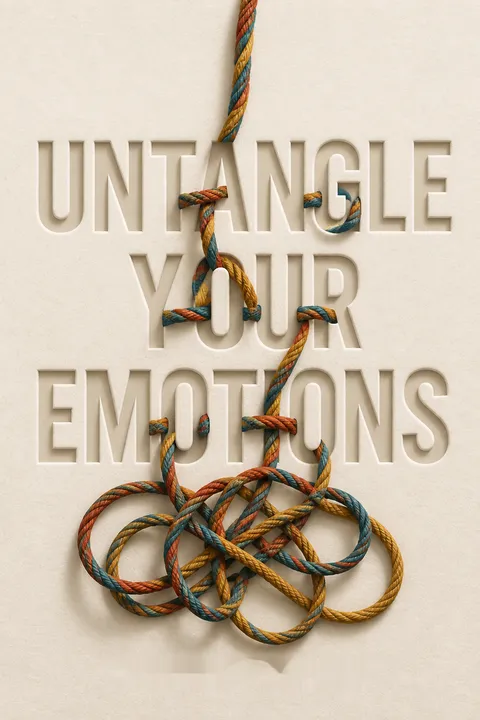

نکات کلیدی
۱. احساسات پیامآورند، نه فرمانروایان
احساسات شما قصد کنترلتان را ندارند؛ آنها میخواهند چیزی به شما بگویند.
طراحیشده برای ارتباط. احساسات قرار نیست سرکوب یا نادیده گرفته شوند، بلکه باید درک و پذیرفته شوند. آنها بهعنوان سیگنالهای حیاتی عمل میکنند که ما را به خودمان، دیگران و خداوند متصل میکنند. درک این موضوع دیدگاه ما را از دشمنی با احساسات به منبع ارزشمند اطلاعات تغییر میدهد.
فراتر از سرکوب. رویکرد رایج که احساسات را سرکوب یا کماهمیت جلوه میدهد، در نهایت زیانآور است. این احساسات پردازشنشده ناپدید نمیشوند؛ بلکه به شکلهای دیگری مانند علائم جسمی، روابط پرتنش یا رفتارهای مخرب بروز میکنند. رویکرد سالمتر، پذیرش و کاوش در پیامهای نهفته در احساسات است.
طرح خداوند. احساسات ذاتاً گناهآلود یا غیرقابل اعتماد نیستند. آنها بخشی از طرح خداوند برای انسانیتاند و بازتابدهنده ظرفیت احساس او هستند. فهم این نکته به ما امکان میدهد با کنجکاوی و دلسوزی به احساسات خود نگاه کنیم، نه با قضاوت یا ترس.
۲. گرهگشایی با توجه آغاز میشود
جایی در مسیر، شاید از آنچه در کلیسا شنیدم یا فقط از بزرگشدن، یاد گرفتم که نباید غمگین، عصبانی یا ترسیده باشم.
گام نخست. اولین گام در گرهگشایی احساسات، صرفاً توجه به آنهاست. این شامل دقت به حسهای جسمی، افکار و رفتارهایی است که همراه با احساسات مختلف ظاهر میشوند. هدف آگاه شدن از دنیای درونی بدون قضاوت یا تلاش فوری برای تغییر آن است.
آگاهی از بدن. بدن ما اغلب اولین نشانههای وضعیت احساسی را ارائه میدهد. توجه به علائمی مانند تپش قلب، تنش عضلانی یا ناراحتی معده میتواند به شناسایی احساسات پنهان کمک کند.
مقاومت در برابر تمایل به رفع فوری. توجه به احساسات ممکن است دشوار باشد چون برخلاف تمایل طبیعی ما برای حل یا اجتناب از ناراحتی است. اما مقاومت در برابر این تمایل و اجازه دادن به تجربه کامل احساس، راه را برای پردازش سالمتر هموار میکند.
۳. نامگذاری احساسات، وضوح میآورد
اگر میخواهی آن را رام کنی، نامش را ببر.
کلمات اهمیت دارند. نامگذاری احساسات، عملی قدرتمند برای آوردن وضوح و درک به تجربه درونی است. این کار شامل شناسایی دقیق احساس خاصی است که داریم، نه استفاده از اصطلاحات مبهم یا کلی.
گسترش دایره واژگان. بسیاری از ما دایره واژگان احساسی محدودی داریم که توصیف دقیق احساسات را دشوار میکند. گسترش این دایره به ما امکان میدهد بین احساسات مشابه تمایز قائل شویم و درک دقیقتری از وضعیت درونی خود پیدا کنیم.
رام کردن هیولا. نامگذاری یک احساس میتواند به «رام کردن» آن کمک کند و قدرتش را بر ما کاهش دهد. با دادن نام به احساس، فاصله و عینیت ایجاد میکنیم که اجازه میدهد بدون غرق شدن در آن، آن را مشاهده کنیم.
۴. احساس کردن، درمان است
احساسات هرگز برای اصلاح شدن نیامدهاند؛ احساسات برای تجربه شدن آمدهاند.
اجازه احساس کردن. اجازه دادن به خود برای تجربه کامل احساسات، بدون قضاوت یا مقاومت، برای درمان ضروری است. این شامل دادن اجازه به خود برای تجربه تمام گستره احساسات انسانی، حتی احساسات ناخوشایند، میشود.
مقاومت در برابر کنترل. تمایل به کنترل یا سرکوب احساسات اغلب از ترس غرق شدن ناشی میشود. اما مقاومت در برابر این تمایل و اجازه دادن به احساسات برای طی کردن مسیر طبیعیشان میتواند به حل سریعتر منجر شود.
حکمت بدن. بدن ما برای پردازش احساسات طراحی شده است و اجازه دادن به خود برای احساس کامل آنها میتواند به آزادسازی انرژی و تنش انباشته کمک کند. این ممکن است شامل ابرازهای جسمی مانند گریه، لرزش یا تنفس عمیق باشد.
۵. به اشتراک گذاشتن احساسات، ارتباط را عمیق میکند
لازم نیست به همه بگویی؛ باید به کسی بگویی.
آسیبپذیری کلید است. به اشتراک گذاشتن احساسات با افراد مورد اعتماد، راهی قدرتمند برای عمیقتر کردن ارتباط و ایجاد صمیمیت است. آسیبپذیری یعنی ریسک دیده شدن و شناخته شدن را پذیرفتن، حتی وقتی ترسناک یا ناراحتکننده است.
روابط امن. به اشتراک گذاشتن احساسات نیازمند محیطی امن و حمایتکننده است. این یعنی انتخاب افرادی که قابل اعتماد، همدل و بدون قضاوت باشند. کسانی که میتوانند گوش دهند بدون اینکه بخواهند احساسات ما را اصلاح یا کماهمیت کنند.
بار یکدیگر را به دوش کشیدن. به اشتراک گذاشتن احساسات به دیگران امکان میدهد کنار ما باشند و بارهای ما را به دوش بکشند. این حمایت متقابل میتواند آرامش، تشویق و حس تعلق را فراهم کند و یادآوری کند که در مبارزاتمان تنها نیستیم.
۶. انتخاب مسیر پیش رو
احساسات گناه نیستند؛ آنچه با آنها میکنیم گناه است.
احساسات بهعنوان ابزار. احساسات ذاتاً خوب یا بد نیستند، بلکه ابزارهاییاند که میتوانند برای اهداف سازنده یا مخرب به کار روند. نکته کلیدی در نحوه پاسخ ما به احساسات نهفته است.
اراده و انتخاب. ما قدرت انتخاب نحوه واکنش به احساساتمان را داریم. این شامل همسویی رفتارها با ارزشها و جستجوی هدایت از خداوند است. یعنی اتخاذ تصمیمات آگاهانه که به رشد و ارتباط منجر شود، نه تخریب و انزوا.
جستجوی هدایت الهی. هنگام مواجهه با احساسات دشوار، ضروری است که از خداوند هدایت بخواهیم. این میتواند شامل دعا، خواندن کتاب مقدس یا مشورت با مربیان معنوی مورد اعتماد باشد. یعنی تسلیم کردن احساسات به خدا و درخواست حکمت او در مدیریت آنها.
۷. ارتباط بدن و احساسات
آیا میدانستید ساختارهای ذهنی که احساسات را پردازش میکنند، عمیقتر از جایی هستند که ساختارهای تفکر قرار دارند؟
سلامت جسمانی. سلامت جسمی ما تأثیر عمیقی بر سلامت احساسی دارد. مراقبت از بدن از طریق تغذیه مناسب، ورزش و خواب کافی میتواند توانایی ما در مدیریت احساسات را بهطور قابل توجهی بهبود بخشد.
تعادل هورمونی. عدم تعادل هورمونی میتواند احساسات ما را مختل کند. مشورت با متخصص بهداشت برای ارزیابی و رفع مشکلات هورمونی میتواند گامی مهم در گرهگشایی احساسات باشد.
تمرینات ذهن-بدن. تمریناتی مانند یوگا، مدیتیشن و تنفس عمیق میتوانند به اتصال ما با بدن و تنظیم سیستم عصبی کمک کنند. این تمرینات آرامش، کاهش استرس و بهبود مدیریت احساسات را ترویج میکنند.
۸. رحمت در مسیر
من از اتاق بیرون نمیروم.
پیشرفت، نه کمال. مسیر گرهگشایی احساسات یک فرایند مادامالعمر است، نه یک مقصد. در این راه شکستها و چالشهایی وجود دارد و مهم است که به خود و دیگران رحمت بورزیم.
دلسوزی و پذیرش. برخورد با خود و دیگران با دلسوزی و پذیرش برای ایجاد محیطی امن و حمایتکننده جهت رشد احساسی ضروری است. این یعنی درک اینکه همه ما با آنچه داریم بهترین تلاشمان را میکنیم.
محبت بیقید و شرط خداوند. محبت خداوند نسبت به ما بیقید و شرط است، فارغ از وضعیت احساسیمان. آرامش در محبت و رحمت او میتواند در مسیر زندگی، قوت قلب، قدرت و امید فراهم آورد.
خلاصه نقدها
کتاب «گشایش احساسات» عمدتاً با بازخوردهای مثبت مواجه شده است و خوانندگان از رویکرد عملی آن در فهم احساسات از دیدگاه مسیحی استقبال میکنند. بسیاری این اثر را برای کسانی که تازه با آگاهی عاطفی آشنا میشوند، مفید میدانند، هرچند برخی خواستار عمق بیشتری در مطالب هستند. منتقدان به شجاعت آلن در بیان تجربیات شخصی و داستانهای قابل ارتباط او تحسین میورزند. تأکید کتاب بر پیوند دادن احساسات با خدا و دیگران، در میان خوانندگان بازتاب گستردهای دارد. با این حال، برخی از تکرار مکررات و کمبود عمق در آیات کتاب مقدس گلایهمندند. در مجموع، این کتاب نقطهی شروع مناسبی برای مسیحیانی است که به دنبال درک بهتر سلامت عاطفی خود هستند.
دیگران نیز خواندهاند




سؤالات متداول
1. What is "Untangle Your Emotions" by Jennie Allen about?
- Exploring Emotional Health: The book guides readers through understanding, naming, and processing their emotions from both a psychological and Christian spiritual perspective.
- Framework for Emotions: Jennie Allen introduces a five-step framework—Notice, Name, Feel, Share, Choose—to help readers engage with their feelings in a healthy, connected way.
- Connection Focus: The central theme is that emotions are designed to connect us to God, others, and ourselves, rather than being problems to fix or avoid.
- Personal and Practical: Through personal stories, biblical insights, and practical exercises, Allen encourages readers to move from emotional numbness or chaos to wholehearted living.
2. Why should I read "Untangle Your Emotions" by Jennie Allen?
- Break Harmful Patterns: The book helps readers unlearn unhelpful or harmful messages about emotions, especially those picked up from family, church, or culture.
- Christian Perspective: It offers a unique integration of psychological research and Christian theology, showing that God created emotions for a purpose.
- Practical Tools: Readers receive actionable steps and reflective exercises to notice, name, and process their emotions, making emotional health attainable.
- Deeper Relationships: By following Allen’s approach, readers can experience deeper connection with God, themselves, and others, leading to greater freedom and joy.
3. What are the key takeaways from "Untangle Your Emotions" by Jennie Allen?
- Emotions Are Not Sinful: Emotions themselves are not sinful or bad; it’s what we do with them that matters, and God Himself experiences emotions.
- Feelings Are Meant to Be Felt: Rather than fixing, controlling, or suppressing emotions, we are meant to feel them and let them inform us.
- Connection Is the Goal: Emotions are designed to connect us to God, others, and our own hearts, not to isolate or overwhelm us.
- Practical Process: The five-step process—Notice, Name, Feel, Share, Choose—provides a roadmap for emotional health and healing.
- Healing Is Possible: Even deeply tangled emotions can be untangled with time, support, and intentional practice, leading to a more wholehearted life.
4. What is Jennie Allen’s five-step framework for emotional health in "Untangle Your Emotions"?
- Notice: Pay attention to what you’re feeling, even if it’s just “Okay” or “Not Okay,” and recognize physical and emotional cues.
- Name: Develop emotional granularity by accurately naming your feelings (e.g., sad, angry, joyful, afraid) and their intensity.
- Feel: Give yourself permission to fully experience your emotions without judgment, allowing them to run their natural course.
- Share: Express your feelings with safe, trusted people, which fosters connection and healing.
- Choose: Decide what to do with your emotions—bring them to God, seek help if needed, and make healthy choices for moving forward.
5. How does "Untangle Your Emotions" by Jennie Allen integrate Christian faith with emotional health?
- God as Emotional: The book emphasizes that God feels emotions and created us in His image to feel as well, making emotions a good gift.
- Biblical Examples: Allen uses stories from Scripture (e.g., David’s Psalms, Jesus’ grief) to show that expressing emotions is both biblical and healthy.
- Spiritual Practices: Readers are encouraged to bring their emotions to God in prayer, confession, and community, trusting Him with their inner life.
- Faith and Feelings Together: The book dispels the myth that strong faith means suppressing emotions, instead teaching that faith grows through honest emotional engagement.
6. What are the most common unhealthy ways people deal with emotions, according to "Untangle Your Emotions"?
- Control: Trying to manage or suppress emotions to maintain a sense of order or avoid discomfort, often leading to emotional shutdown.
- Cope: Distracting oneself with busyness, addictions, or numbing behaviors to avoid facing difficult feelings.
- Conceal: Hiding emotions from others (and sometimes oneself), using “I’m fine” as a mask, which leads to isolation and unresolved pain.
- Generational Patterns: Many of these habits are learned from family, culture, or church, and can be unlearned with intentional effort.
7. How does "Untangle Your Emotions" define the purpose of emotions?
- Connection: Emotions are meant to connect us to God, others, and our own hearts, serving as signals for what matters most.
- Information, Not Control: Feelings are not meant to control us, but to inform us about our needs, desires, and experiences.
- Pathway to Healing: When processed healthily, emotions can lead to healing, growth, and deeper relationships.
- Motivation for Action: Emotions like anger can motivate us to address injustice, while sadness can draw us to seek comfort and support.
8. What are the "Big Four" emotions in "Untangle Your Emotions," and why are they important?
- Joy: Represents happiness, delight, and gratitude; essential for experiencing the fullness of life and reflecting God’s image.
- Anger: Signals when something is wrong or unjust; not inherently sinful, but must be processed and expressed healthily.
- Sadness: Often linked to loss or disappointment; allows for lament, healing, and drawing near to God and others.
- Fear: Designed to keep us safe and alert us to danger; can also point to deeper needs for trust and security in God.
- Emotional Granularity: Naming these core emotions and their nuances helps us process them more effectively and communicate with others.
9. How does "Untangle Your Emotions" address the role of community and sharing feelings?
- Healing in Community: Sharing emotions with safe people is essential for healing, as it breaks isolation and fosters empathy.
- Vulnerability Builds Connection: Expressing feelings honestly invites others to do the same, deepening relationships and mutual support.
- Biblical Mandate: The book references Galatians 6:2 (“Bear one another’s burdens”) as a call to share and carry each other’s emotional loads.
- Practical Exercises: Allen provides conversation starters and group exercises to help readers practice sharing and responding to emotions in community.
10. What practical advice does Jennie Allen give for dealing with stubborn or overwhelming emotions in "Untangle Your Emotions"?
- Start with the Body: Get a physical checkup, address sleep, nutrition, exercise, and screen time, as physical health impacts emotional health.
- Seek Professional Help: Therapy or counseling is encouraged for untangling deep or persistent emotional knots; it’s a sign of strength, not weakness.
- Lifestyle Adjustments: Limit screen time, practice silence, get outside, and build healthy routines to support emotional regulation.
- Be Patient with Progress: Healing takes time, and it’s normal for old feelings to resurface; persistence and self-compassion are key.
11. What are the main gifts or benefits of emotional health, according to "Untangle Your Emotions"?
- Restored Hope: Emotional health brings renewed hope and resilience, even in difficult circumstances.
- Greater Grace: We grow in compassion for ourselves and others, accepting imperfection and extending forgiveness.
- Deeper Relationship with God: Bringing emotions to God leads to intimacy, peace, and a sense of safety under His care.
- Healthy Control: We learn to control what we can and release what we can’t, reducing anxiety and striving.
- Creativity and Energy: As we untangle emotions, we free up energy for creativity, service, and meaningful living.
12. What are the best quotes from "Untangle Your Emotions" by Jennie Allen, and what do they mean?
- “Feelings were never meant to be fixed; feelings are meant to be felt.” – Emphasizes that emotions are not problems to solve, but experiences to engage with for growth and connection.
- “Your feelings aren’t trying to control you—they are trying to tell you something.” – Reminds readers that emotions are signals, not enemies, and should be listened to with curiosity.
- “Emotions are the gifts that connect it all. Us to ourselves. Us to God. Us to one another.” – Highlights the central theme that emotions are designed for connection, not isolation.
- “You can feel all your feelings and not sin. And you can feel all your feelings and sin. … Feeling them isn’t a sin.” – Clarifies that emotions themselves are not sinful; it’s our choices in response that matter.
- “To live is to feel, and to feel is to live.” – Captures the book’s call to wholehearted, vibrant living through embracing the full range of human emotion.
درباره نویسنده

دانلود PDF
دانلود EPUB
.epub digital book format is ideal for reading ebooks on phones, tablets, and e-readers.








































