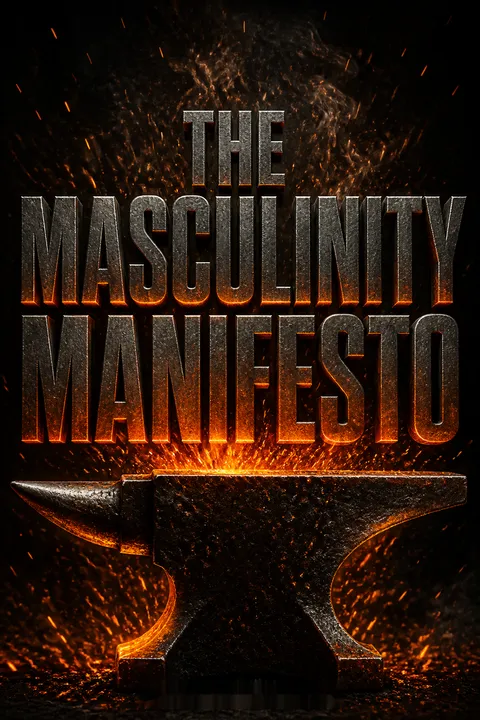

Points clés
1. La masculinité est une construction biologique, non sociétale
Être un homme biologiquement est une question de naissance. Devenir un homme véritable est une question de choix.
Biologie versus construction sociale. La masculinité ne relève pas d’une simple construction sociale, mais d’une réalité biologique que la société reconnaît et soutient. Cette distinction est essentielle pour comprendre les qualités innées et les tendances propres aux hommes. Les similitudes des traits masculins à travers des cultures qui n’ont jamais interagi entre elles témoignent de cette base biologique.
Définir la masculinité. La masculinité englobe des qualités considérées comme caractéristiques des hommes, telles que :
- Le stoïcisme
- La compétitivité
- La dominance
- L’agressivité
- La vigilance
- La violence
- L’honnêteté
- Le respect de soi
Ces traits ne sont ni intrinsèquement bons ni mauvais, mais des outils que l’on peut utiliser à des fins constructives ou destructrices. L’essentiel est d’apprendre à canaliser ces qualités masculines de manière efficace, pour son propre bénéfice et celui des autres.
2. Acceptez le fardeau de la responsabilité pour devenir un homme
Ne priez pas pour une vie facile. Priez pour devenir des hommes plus forts.
La responsabilité, chemin vers la virilité. Devenir un homme passe par l’acceptation de la responsabilité et la capacité à surmonter les épreuves. Cela implique de :
- Protéger ceux qui sont sous votre protection
- Subvenir aux besoins de votre famille et de votre communauté
- Assumer un rôle de leader dans divers domaines de la vie
Affronter l’adversité. Les hommes doivent être prêts à faire face aux difficultés plutôt que de rechercher la facilité. Cette attitude forge le caractère, la résilience et la capacité à diriger avec efficacité. En portant volontairement ces fardeaux, ils développent la force nécessaire pour affronter les épreuves inévitables de la vie et devenir des leaders compétents.
3. Développez influence, crédibilité et autorité par le leadership
Aucun homme ne sera un grand leader s’il veut tout faire lui-même ou recevoir tout le mérite.
Qualités essentielles du leadership. Un leadership masculin efficace requiert de cultiver :
- L’influence : la capacité à impacter les pensées et comportements d’autrui
- La crédibilité : la confiance et la fiabilité bâties par des actions constantes
- L’autorité : le droit de diriger, souvent accordé par les autres
Le leadership au service des autres. Le vrai leadership ne consiste pas à dominer, mais à servir. Cela signifie :
- Mettre les besoins des autres avant les siens
- Donner aux autres les moyens d’atteindre leur potentiel
- Créer des situations gagnant-gagnant pour le leader et ses suiveurs
En se concentrant sur ces aspects, les hommes peuvent bâtir une influence durable et un respect sincère, plutôt que de recourir à la coercition ou à la manipulation.
4. Surmontez les conforts modernes pour forger résilience et force
Nous ne nous élevons pas au niveau de nos attentes, nous tombons au niveau de notre entraînement.
Les dangers du confort. La vie moderne a rendu de nombreux aspects plus faciles, ce qui peut engendrer complaisance et faiblesse. Pour y remédier, les hommes doivent :
- Chercher délibérément des défis
- Créer des difficultés dans des environnements contrôlés
- Sortir régulièrement de leur zone de confort
Construire la résilience. En affrontant volontairement les difficultés, ils développent :
- La force mentale
- La force physique
- La stabilité émotionnelle
- La profondeur spirituelle
Cette préparation garantit qu’au moment des épreuves inévitables, ils seront prêts à les affronter efficacement, plutôt que d’être submergés par des circonstances pour lesquelles ils ne sont pas préparés.
5. Dirigez avant d’avoir le titre en comblant les vides et en prenant l’initiative
L’opportunité se cache là où la responsabilité a été abandonnée.
Leadership proactif. Les hommes ne doivent pas attendre un titre officiel ou une permission pour diriger. Ils doivent :
- Identifier les domaines où le leadership fait défaut
- Prendre l’initiative pour combler ces vides
- Montrer leur compétence par l’action
Construire la crédibilité. En s’engageant avant d’être sollicités, ils peuvent :
- Prouver leur capacité à diriger
- Gagner le respect de leurs pairs et supérieurs
- Créer des opportunités pour des rôles de leadership formels
Cette démarche demande du courage et une volonté de prendre des risques, mais elle est indispensable pour développer de véritables compétences et une influence durable.
6. Exploitez les vertus masculines pour des résultats productifs
Un homme inoffensif n’est pas un homme bon. Un homme bon est un homme très dangereux qui maîtrise cela volontairement.
Canaliser les traits masculins. Plutôt que de réprimer ces qualités, les hommes doivent apprendre à les utiliser efficacement :
- Stoïcisme : contrôle émotionnel et résilience
- Compétitivité : moteur d’amélioration personnelle et d’innovation
- Dominance : affirmation de soi dans la poursuite d’objectifs dignes
- Agressivité : dévouement passionné aux objectifs
- Vigilance : conscience et préparation
- Violence : capacité à se défendre légitimement
- Honnêteté : intégrité et sincérité
- Respect de soi : confiance et estime personnelle
Équilibrer force et maîtrise. Le but n’est pas d’éliminer ces traits, mais de développer la sagesse et le contrôle de soi nécessaires pour les utiliser de manière constructive. Cet équilibre permet aux hommes d’être des forces puissantes pour le bien au sein de leur famille, de leur communauté et de la société.
7. Cultivez le respect de soi comme fondement du leadership masculin
La victoire la plus difficile est celle sur soi-même.
Le respect de soi, pierre angulaire. Développer un véritable respect de soi est essentiel pour un leadership masculin efficace. Cela implique de :
- Remporter la bataille intérieure contre sa nature faible
- Faire des choix cohérents avec ses valeurs
- Poursuivre la croissance personnelle et l’excellence
Attirer le respect des autres. Les hommes qui se respectent naturellement :
- Inspirent le respect autour d’eux
- Attirent des relations positives et des opportunités
- Motivant leur entourage à s’améliorer
En se concentrant sur l’amélioration personnelle et en maintenant des standards élevés, ils posent une base solide pour un leadership que les autres souhaitent suivre. Ce respect de soi devient le socle d’une influence, d’une crédibilité et d’une autorité durables dans tous les domaines de la vie.
Résumé des avis
Le Manifeste de la Masculinité recueille des avis extrêmement positifs, les lecteurs saluant ses conseils concrets pour adopter les vertus masculines traditionnelles. Beaucoup apprécient la vision de Michler sur le leadership, l’épanouissement personnel et l’importance pour les hommes d’assumer leurs responsabilités. Les critiques soulignent la clarté de la structure et du style d’écriture, ainsi que la présence d’exercices pratiques facilitant la mise en œuvre. Certains relèvent la pertinence de l’ouvrage dans le contexte culturel actuel, le percevant comme une réponse aux représentations négatives de la masculinité. Quelques voix évoquent des nuances religieuses, mais dans l’ensemble, ce livre est considéré comme un guide précieux pour les hommes en quête de développement personnel et d’impact positif.
Les lecteurs ont aussi lu









FAQ
What is "The Masculinity Manifesto" by Ryan Michler about?
- Explores Modern Masculinity: The book examines what it means to be a man in today’s world, challenging cultural narratives that masculinity is inherently toxic or outdated.
- Framework for Leadership: Michler presents a framework for men to establish influence, credibility, and authority in their families, workplaces, and communities.
- Action-Oriented Approach: The book is structured to help men move from self-improvement to leading others, emphasizing practical steps and mindsets.
- Biological and Archetypal Foundations: It argues that masculinity is rooted in biology and universal archetypes, not just social constructs.
- Path to Fulfillment: The core message is that fulfillment for men comes from responsibility, service, and overcoming adversity, not from the pursuit of happiness alone.
Why should I read "The Masculinity Manifesto" by Ryan Michler?
- Addresses Modern Male Challenges: The book tackles the confusion and lack of direction many men feel in a rapidly changing society.
- Practical and Actionable: Michler provides clear, actionable advice and frameworks rather than abstract theory.
- Focus on Service and Leadership: It emphasizes that true masculinity is about serving others and leading effectively, not dominance or selfishness.
- Personal Transformation: The author shares his own journey from despair to fulfillment, making the advice relatable and grounded.
- Counter-Narrative to Mainstream Views: For readers seeking an alternative to mainstream discussions on masculinity, the book offers a biologically and historically grounded perspective.
What are the key takeaways from "The Masculinity Manifesto" by Ryan Michler?
- Masculinity Is Earned: Being male is a birthright, but being a man is a choice and requires action, responsibility, and service.
- Three Archetypes: The core roles of a man are to protect, provide, and preside (lead), which are biologically and culturally universal.
- Influence, Authority, Credibility: Effective leadership is built on these three pillars, which must be earned through consistent action and service.
- Mindsets Matter: Four key mindsets—overcoming comfort, not being a superhero, leading before the title, and rendering oneself obsolete—are essential for masculine leadership.
- Harness Masculine Virtues: Traits like stoicism, competitiveness, dominance, aggression, vigilance, violence, honesty, and self-respect are not inherently toxic but must be channeled productively.
How does Ryan Michler define masculinity and manliness in "The Masculinity Manifesto"?
- Masculinity vs. Manliness: Masculinity is a set of biological traits and tendencies, while manliness is the productive harnessing of those traits for the benefit of self and others.
- Not a Birthright: Being a man is not automatic with age or gender; it’s a status earned through choices and actions.
- Service-Oriented: Manliness is defined by a man’s ability to protect, provide, and preside—serving those he is responsible for.
- Biological and Archetypal: The book grounds masculinity in both biological differences (hormones, personality traits) and universal cultural archetypes.
- Fulfillment Through Responsibility: True masculinity is expressed in bearing meaningful burdens and responsibilities, not in the pursuit of comfort or happiness.
What are the "Three Ps" (Protect, Provide, Preside) in "The Masculinity Manifesto" and why are they important?
- Protect: Men are biologically and psychologically wired to defend themselves and those they care about, which is foundational to their role.
- Provide: A man is expected to produce more than he consumes, ensuring the well-being of his family and community.
- Preside: Leadership is a natural extension of masculinity, involving guidance, vision, and selfless service to others.
- Universal Archetypes: These roles are found across cultures and history, indicating their deep-rooted importance.
- Well-Rounded Man: True manliness requires proficiency in all three areas, not just one, to be fully effective and fulfilled.
How does "The Masculinity Manifesto" by Ryan Michler address influence, authority, and credibility?
- Influence: Defined as the ability to impact others’ thoughts and behaviors without coercion; it is granted, not taken.
- Authority: Comes from recognized or granted power, often from external sources (bosses, society, God), and is necessary for effective leadership.
- Credibility: Built through a consistent track record of results and reliability; it is the foundation for both influence and authority.
- Compliance vs. Commitment: The book distinguishes between gaining mere compliance (through power) and true commitment (through influence and credibility).
- Practical Steps: Michler offers advice on building these qualities from the ground up, starting with small, consistent actions.
What are the four "Mindsets of Masculine Leadership" in "The Masculinity Manifesto"?
- Overcome the Ease of Modernity: Embrace discomfort and hardship to build resilience and avoid complacency.
- Don’t Be a Superhero: Avoid the savior complex; instead, empower others to solve their own problems and learn from failure.
- Lead Before the Title: Leadership is about action and responsibility, not waiting for permission or a formal title.
- Render Yourself Obsolete: The ultimate goal of leadership is to build other leaders, not create dependence on yourself.
- Internal Focus: These mindsets start with self-mastery and extend outward to effective leadership of others.
How does "The Masculinity Manifesto" suggest men should harness masculine virtues for productive outcomes?
- Embrace, Don’t Suppress: Traits like stoicism, competitiveness, dominance, and aggression are not inherently bad; they must be channeled constructively.
- Eight Masculine Virtues: The book details stoicism, competitiveness, dominance, aggression, vigilance, violence, honesty, and self-respect as key virtues.
- Biological and Social Utility: These virtues have evolutionary and societal value when used for service, protection, and leadership.
- Avoid Extremes: Each virtue can be destructive if misapplied; balance and intentionality are crucial.
- Practical Application: Michler provides tactics and exercises for developing and applying these virtues in daily life.
What practical advice does Ryan Michler give for building self-respect and fulfillment in "The Masculinity Manifesto"?
- Self-Respect Is Earned: It comes from consistent action, discipline, and overcoming the “natural man” (the weaker, passive self).
- Focus on Self-Improvement: Train your body, mind, and soul daily to build confidence and capability.
- Avoid Desperation: Pursue goals and relationships with purpose, not neediness or emotional dependence.
- Set Boundaries: Don’t allow yourself or others to treat you poorly; enforce standards for yourself and your environment.
- Serve Others: True fulfillment and self-respect are found in service, leadership, and empowering others.
How does "The Masculinity Manifesto" by Ryan Michler challenge the concept of "toxic masculinity"?
- Masculinity Is Amoral: The book argues that masculinity itself is neither good nor bad; it’s how it’s used that matters.
- Critique of "Toxic" Label: Michler rejects the blanket use of “toxic masculinity,” noting that both men and women can misuse their traits.
- Productive Channeling: The focus is on harnessing masculine traits for positive, productive outcomes rather than suppressing them.
- Biological and Cultural Roots: Masculinity is rooted in biology and universal archetypes, not just social constructs or negative behaviors.
- Societal Consequences: Suppressing masculinity leads to passivity, lack of fulfillment, and societal decline, according to the author.
What are some of the best quotes from "The Masculinity Manifesto" by Ryan Michler and what do they mean?
- “Being a male is a matter of birthright, being a man is earned.” — Highlights the distinction between biological sex and the earned status of manhood.
- “A man is not defined by what he thinks, his intentions, and/or what he hopes to accomplish someday. A man is defined by what he does or, more accurately, what he produces.” — Emphasizes action and results over intentions.
- “The work of men isn’t comfortable or convenient. But anything worth pursuing never is.” — Stresses the importance of embracing hardship and responsibility.
- “People don’t follow watered-down versions of men. They do, however, follow those with influence, credibility, and authority.” — Underlines the need for authenticity and strength in leadership.
- “If you want to build credibility, which is a requirement of leadership, be credible. Start small. Be consistent. Don’t fall backward.” — Encourages practical, incremental steps toward building trust and respect.
How can readers implement the lessons from "The Masculinity Manifesto" by Ryan Michler in their own lives?
- Create a Personal Manifesto: The book encourages readers to reflect on key questions and write their own guiding principles for manhood and leadership.
- Daily Practice: Implement the mindsets and virtues through daily habits—physical training, mental growth, and service to others.
- Share and Review: Share your manifesto with those impacted by your actions and regularly review your progress, adjusting as needed.
- Focus on Action: Move beyond reading and theory to consistent, practical action in all areas of life.
- Build Community: Seek out or create a band of brothers or supportive community (like Michler’s Iron Council) for accountability and growth.
À propos de l'auteur
Autres livres de Ryan Michler

Télécharger le PDF
Télécharger l'EPUB
.epub digital book format is ideal for reading ebooks on phones, tablets, and e-readers.








































