Summary Unavailable
This book is not suitable for a summary (it may be a textbook, workbook, cookbook, reference book, or collection). However, you can still explore the FAQs, about author, and other metadata below!
मुख्य बातें
1. श्रम विभाजन से उत्पादकता में अभूतपूर्व वृद्धि होती है
श्रम की उत्पादक शक्तियों में सबसे बड़ा सुधार, और वह कौशल, निपुणता तथा निर्णय क्षमता जो कहीं भी दिखाई देती है, श्रम विभाजन के प्रभाव प्रतीत होते हैं।
विशेषीकरण के माध्यम से उत्पादकता। श्रम विभाजन आर्थिक उत्पादन को इस तरह बदल देता है कि जटिल कार्यों को सरल, विशिष्ट कार्यों में बांट दिया जाता है। इस विधि से दक्षता और उत्पादन में जबरदस्त वृद्धि होती है क्योंकि कामगार किसी विशेष कार्य में विशेषज्ञ बन जाते हैं।
पिन बनाने का उदाहरण। स्मिथ इस विचार को पिन निर्माण के विश्लेषण से समझाते हैं। यदि श्रम विभाजन न हो तो एक कामगार दिन में मुश्किल से एक पिन बना पाएगा। लेकिन जब प्रक्रिया को तार खींचना, सीधा करना, काटना और सिर बनाना जैसे विशिष्ट कार्यों में बांटा जाता है, तो दस कामगार मिलकर प्रतिदिन 48,000 पिन बना सकते हैं — जो लगभग 50,000% की वृद्धि है।
श्रम विभाजन के मुख्य तंत्र:
- बार-बार एक ही कार्य करने से कामगार की निपुणता बढ़ती है
- विभिन्न कार्यों के बीच बदलाव में लगने वाला समय कम होता है
- विशिष्ट उपकरण और मशीनरी का विकास होता है
- केंद्रित अभ्यास से कौशल में सुधार होता है
2. बाजार और विनिमय से विशेषज्ञता और धन सृजन संभव होता है
हर व्यक्ति उस हद तक अमीर या गरीब होता है, जितना वह मानव जीवन की आवश्यकताओं, सुविधाओं और मनोरंजन का आनंद उठा सकता है।
आर्थिक परस्पर निर्भरता। बाजार व्यक्तियों को अपनी विशेषज्ञता के अनुसार उत्पादों का आदान-प्रदान करने की अनुमति देते हैं, जिससे वे अपनी व्यक्तिगत क्षमताओं से परे वस्तुएं और सेवाएं प्राप्त कर पाते हैं। यह पारस्परिक विनिमय का तंत्र धन सृजन करता है क्योंकि हर व्यक्ति अपनी सबसे उत्पादक गतिविधियों पर ध्यान केंद्रित कर सकता है।
विनिमय के सिद्धांत। व्यापार की क्षमता व्यक्तिगत श्रम को सामूहिक समृद्धि में बदल देती है। लोग केवल अपनी खपत के लिए नहीं, बल्कि अतिरिक्त उत्पादन को दूसरों के साथ विनिमय करने के लिए प्रेरित होते हैं, जिससे आर्थिक संबंधों का जाल बनता है और समाज की समृद्धि बढ़ती है।
बाजार की गतिशीलताएं:
- विशेषज्ञता को प्रोत्साहित करता है
- नवाचार के अवसर पैदा करता है
- संसाधनों का कुशल आवंटन सुनिश्चित करता है
- पारस्परिक आर्थिक लाभ को बढ़ावा देता है
3. श्रम ही आर्थिक मूल्य का सच्चा मापदंड है
श्रम वह पहला मूल्य था, वह मूल खरीद-राशि थी जो सभी वस्तुओं के लिए चुकाई गई। यह सोने या चांदी से नहीं, बल्कि श्रम से था कि दुनिया की सारी संपत्ति मूल रूप से खरीदी गई।
आर्थिक आधार के रूप में श्रम। स्मिथ का तर्क है कि किसी भी वस्तु का वास्तविक मूल्य उस श्रम की मात्रा से निर्धारित होता है जो उसे बनाने में लगा हो। यह क्रांतिकारी विचार बताता है कि आर्थिक मूल्य का मूल निर्धारण मनमाने मौद्रिक मानों से नहीं, बल्कि मानव प्रयास से होता है।
मूल्य मापन के सिद्धांत:
- उत्पादन की वास्तविक लागत श्रम समय है
- श्रम की गुणवत्ता (कौशल, कठिनाई, समय) मूल्य को प्रभावित करती है
- मूल्य केवल मौद्रिक नहीं, बल्कि मानव प्रयास का प्रतिनिधित्व करता है
- आर्थिक लेन-देन श्रम के अंतर्निहित मूल्य को दर्शाते हैं
व्यावहारिक प्रभाव:
- कामगारों के योगदान को मान्यता देता है
- आर्थिक मूल्य का सार्वभौमिक माप प्रदान करता है
- मौजूदा आर्थिक मूल्यांकन विधियों को चुनौती देता है
4. मुद्रा एक सार्वभौमिक विनिमय माध्यम के रूप में उभरी
मुद्रा सभ्य राष्ट्रों में वाणिज्य का सार्वभौमिक उपकरण बन गई है, जिसके माध्यम से सभी प्रकार की वस्तुएं खरीदी, बेची या एक-दूसरे के लिए बदली जाती हैं।
आर्थिक विनिमय का विकास। जैसे-जैसे समाज जटिल होते गए, मुद्रा स्वाभाविक रूप से विकसित हुई और सीधे वस्तु विनिमय की जगह एक लचीला, सार्वभौमिक रूप से स्वीकार्य विनिमय माध्यम बन गई। इस नवाचार ने आर्थिक दक्षता में जबरदस्त वृद्धि की क्योंकि इससे सीधे वस्तु व्यापार की सीमाएं दूर हो गईं।
मुद्रा के महत्वपूर्ण कार्य:
- जटिल आर्थिक लेन-देन को सुगम बनाती है
- मूल्य का मानक प्रदान करती है
- आर्थिक मूल्य के भंडारण की अनुमति देती है
- अधिक परिष्कृत आर्थिक अंतःक्रियाओं को सक्षम बनाती है
ऐतिहासिक विकास:
- वस्तु व्यापार से उत्पन्न हुई
- प्रारंभ में कीमती धातुओं पर आधारित थी
- धीरे-धीरे सरकारी तंत्रों द्वारा मानकीकृत हुई
- समय के साथ अधिक अमूर्त होती गई
5. वस्तुओं की कीमत मजदूरी, लाभ और किराए से मिलकर बनती है
किराया, लाभ और मजदूरी सभी राजस्व के साथ-साथ सभी विनिमेय मूल्य के तीन मूल स्रोत हैं।
आर्थिक वितरण तंत्र। हर आर्थिक लेन-देन में तीन मूल घटक होते हैं: कामगारों को दी जाने वाली मजदूरी, व्यवसाय मालिकों द्वारा अर्जित लाभ, और भूमि मालिकों द्वारा प्राप्त किराया। यह ढांचा बताता है कि आर्थिक मूल्य समाज के विभिन्न वर्गों में कैसे वितरित होता है।
आर्थिक घटकों का आपसी संबंध:
- मजदूरी श्रम का प्रतिफल है
- लाभ उद्यमशीलता के जोखिम और निवेश का पुरस्कार है
- किराया भूमि स्वामित्व और संसाधन उपयोग को दर्शाता है
- प्रत्येक घटक समग्र आर्थिक गतिशीलता को प्रभावित करता है
प्रणालीगत अंतःक्रियाएं:
- संतुलित वितरण आर्थिक स्थिरता को समर्थन देता है
- एक घटक में बदलाव अन्य को प्रभावित करता है
- जटिल आर्थिक संबंधों को प्रतिबिंबित करता है
6. बाजार की कीमतें आपूर्ति और मांग के आधार पर बदलती हैं
किसी भी विशेष वस्तु की बाजार कीमत उस मात्रा और उन लोगों की मांग के अनुपात से नियंत्रित होती है जो वस्तु की प्राकृतिक कीमत चुकाने को तैयार हैं।
मूल्य निर्धारण तंत्र। बाजार की कीमतें स्थिर नहीं होतीं, बल्कि उपलब्ध आपूर्ति और प्रभावी मांग के बीच अंतःक्रिया से गतिशील रूप से निर्धारित होती हैं। यह सिद्धांत बताता है कि कैसे कीमतें स्वाभाविक रूप से बदलती आर्थिक परिस्थितियों के अनुसार समायोजित होती हैं।
मूल्य नियंत्रण की गतिशीलताएं:
- कमी कीमतों को बढ़ाती है
- प्रचुरता कीमतों को घटाती है
- प्रभावी मांग बाजार तंत्र को संचालित करती है
- प्रतिस्पर्धा मूल्य स्थिरता को प्रभावित करती है
आर्थिक संतुलन:
- संसाधनों के कुशल आवंटन को प्रोत्साहित करता है
- उत्पादन और खपत के लिए संकेत प्रदान करता है
- बदलती आर्थिक परिस्थितियों के अनुकूल होता है
7. आर्थिक प्रगति पूंजी संचय पर निर्भर करती है
उन्हें काम पर लगाने में प्रयुक्त पूंजी की मात्रा, और जिस विशेष तरीके से इसका उपयोग किया जाता है।
पूंजी एक आर्थिक उत्प्रेरक है। आर्थिक विकास के लिए निरंतर पूंजी संचय आवश्यक है, जो उत्पादकता बढ़ाने वाली तकनीकों, अवसंरचना और कार्यबल विकास में निवेश की अनुमति देता है। पूंजी संग्रहीत आर्थिक संभावनाओं का प्रतिनिधित्व करती है जो उपयोग के लिए तैयार होती हैं।
पूंजी संचय के सिद्धांत:
- तकनीकी नवाचार को सक्षम बनाता है
- कार्यबल विकास का समर्थन करता है
- आर्थिक उत्पादकता बढ़ाता है
- भविष्य की वृद्धि के लिए आधार प्रदान करता है
निवेश रणनीतियाँ:
- लाभों का पुनर्निवेश करें
- कुशल उत्पादन विधियों का विकास करें
- आर्थिक अवसंरचना में निरंतर सुधार करें
8. विभिन्न आर्थिक अभिनेता प्रतिस्पर्धी हित रखते हैं
एक ही व्यापार के लोग शायद ही कभी मिलते हैं, चाहे मनोरंजन के लिए ही क्यों न, लेकिन बातचीत अंततः जनता के खिलाफ साजिश या कीमतें बढ़ाने की योजना में बदल जाती है।
आर्थिक संघर्ष की गतिशीलताएं। विभिन्न आर्थिक समूह — कामगार, नियोक्ता, भूमि मालिक — स्वाभाविक रूप से अलग और कभी-कभी विरोधी आर्थिक हित रखते हैं। इन गतिशीलताओं को समझना आर्थिक तनावों और नीतिगत चुनौतियों की व्याख्या में मदद करता है।
हित समूहों की विशेषताएं:
- कामगार उच्च मजदूरी चाहते हैं
- नियोक्ता श्रम लागत कम करना चाहते हैं
- भूमि मालिक संपत्ति मूल्यों में वृद्धि चाहते हैं
- सरकार प्रतिस्पर्धी हितों के बीच संतुलन बनाने का प्रयास करती है
प्रणालीगत चुनौतियां:
- निरंतर बातचीत की आवश्यकता होती है
- संतुलित नीति निर्माण की मांग होती है
- अंतर्निहित आर्थिक तनावों को स्वीकार करता है
9. भूमि किराया एक महत्वपूर्ण आर्थिक तंत्र है
भूमि के उपयोग के लिए चुकाया गया किराया स्वाभाविक रूप से वह उच्चतम मूल्य होता है जो किरायेदार वर्तमान परिस्थितियों में चुका सकता है।
किराया एक आर्थिक आवंटन उपकरण है। भूमि किराया भूमि संसाधनों के आवंटन का एक मौलिक तंत्र है, जो भूमि की उत्पादकता, स्थान और संभावित आर्थिक मूल्य को दर्शाता है। यह भूमि के कुशल उपयोग को सुनिश्चित करता है और भूमि मालिकों के लिए आय प्रदान करता है।
किराया निर्धारण के कारक:
- भूमि की उर्वरता
- भौगोलिक स्थान
- संभावित आर्थिक उत्पादकता
- बाजार की मांग
- अवसंरचना की पहुँच
आर्थिक प्रभाव:
- उत्पादक भूमि उपयोग को प्रोत्साहित करता है
- आर्थिक संकेत प्रदान करता है
- संपत्ति विकास का समर्थन करता है
10. आर्थिक सुधार उत्पादकता बढ़ाने से होता है
श्रम का उदार पुरस्कार उन्हें अपने बच्चों के लिए बेहतर प्रदान करने में सक्षम बनाता है, और परिणामस्वरूप अधिक संतान पालन करने की प्रवृत्ति को बढ़ाता है, जो स्वाभाविक रूप से उन सीमाओं को विस्तृत करता है।
उत्पादकता आर्थिक विकास का इंजन है। श्रम उत्पादकता में निरंतर सुधार, जो तकनीकी नवाचार, कौशल विकास और कुशल संगठनात्मक तरीकों से प्रेरित होता है, आर्थिक विकास और सामाजिक समृद्धि को आगे बढ़ाता है।
उत्पादकता सुधार की रणनीतियाँ:
- तकनीकी नवाचार
- कार्यबल शिक्षा
- कुशल श्रम संगठन
- निरंतर प्रक्रिया सुधार
- प्रोत्साहन का समन्वय
सामाजिक लाभ:
- आर्थिक उत्पादन में वृद्धि
- जीवन स्तर में सुधार
- आर्थिक अवसरों का विस्तार
- सतत सामाजिक विकास
अंतिम अपडेट:
Report Issueसमीक्षा सारांश
राष्ट्रों की समृद्धि के स्वभाव और कारणों की एक जाँच अर्थशास्त्र के क्षेत्र में एक मूलभूत ग्रंथ माना जाता है, जिसे आर्थिक प्रणालियों और सिद्धांतों के व्यापक विश्लेषण के लिए सराहा जाता है। पाठक स्मिथ की स्पष्ट लेखनी और व्यावहारिक उदाहरणों की प्रशंसा करते हैं, हालांकि कुछ लोग इसे कभी-कभी पुराना या उबाऊ भी पाते हैं। इस पुस्तक का पूंजीवादी विचारधारा पर गहरा प्रभाव माना जाता है, और इसके अर्थ तथा आधुनिक प्रासंगिकता को लेकर व्यापक बहस होती रहती है। आलोचक स्मिथ के मुक्त बाजार और श्रम विभाजन पर केंद्रित दृष्टिकोण को उजागर करते हैं, जबकि कुछ का तर्क है कि उनके विचारों को समकालीन विमर्श में गलत तरीके से प्रस्तुत या अत्यंत सरलीकृत किया गया है।
लोग यह भी पढ़ते हैं










अक्सर पूछे जाने वाले प्रश्न
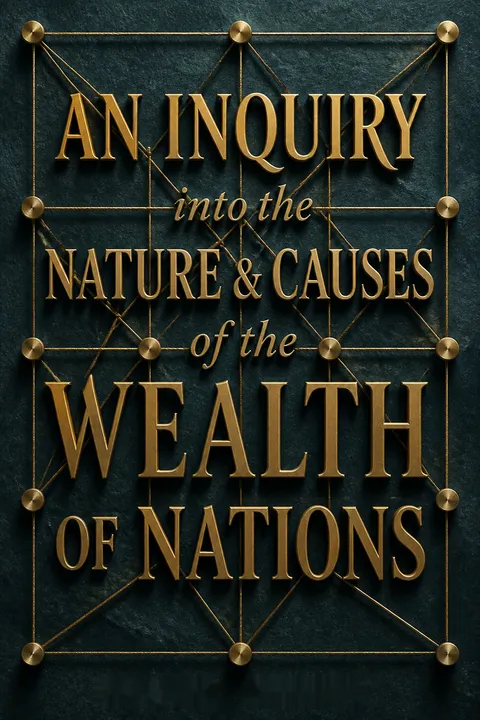
What's An Inquiry into the Nature and Causes of the Wealth of Nations about?
- Economic Principles: The book explores fundamental economic principles, focusing on how wealth is generated and distributed in society.
- Division of Labor: Adam Smith emphasizes the importance of the division of labor, which enhances productivity and efficiency in manufacturing and agriculture.
- Role of Markets: It discusses how free markets operate, the significance of competition, and the invisible hand that guides economic transactions.
- Critique of Mercantilism: Smith critiques the mercantile system, arguing for wealth measurement through productivity rather than gold and silver accumulation.
Why should I read An Inquiry into the Nature and Causes of the Wealth of Nations?
- Foundational Economic Text: This book is a cornerstone of modern economics, providing insights that remain relevant today.
- Understanding Market Dynamics: It offers a comprehensive understanding of how markets operate, the role of competition, and the impact of government policies on economic activity.
- Influence on Economic Thought: Reading this work allows you to appreciate the historical context of economic theories and their evolution, influencing many contemporary economists.
- Practical Applications: Smith's ideas on free markets, competition, and the division of labor are applicable to current economic discussions and policies.
What are the key takeaways of An Inquiry into the Nature and Causes of the Wealth of Nations?
- Importance of Free Markets: Smith advocates for free markets, arguing that they lead to more efficient resource allocation and wealth creation.
- Invisible Hand Concept: The idea that individuals pursuing their self-interest inadvertently contribute to the overall good of society is a central theme.
- Role of Specialization: Specialization and the division of labor lead to increased efficiency and productivity, foundational to modern economic practices.
- Critique of Mercantilism: The book critiques mercantilist policies, promoting the benefits of trade and specialization.
What are the best quotes from An Inquiry into the Nature and Causes of the Wealth of Nations and what do they mean?
- "The division of labor is limited by the extent of the market.": This quote underscores the idea that specialization can only occur when there is sufficient demand for goods, linking market size to economic efficiency.
- "It is not from the benevolence of the butcher, the brewer, or the baker that we expect our dinner.": Smith illustrates that self-interest drives economic activity, as individuals work to fulfill their own needs, ultimately benefiting society.
- "The invisible hand": This phrase encapsulates Smith's belief that individuals pursuing their own interests inadvertently contribute to the overall economic good.
How does Adam Smith define wealth in An Inquiry into the Nature and Causes of the Wealth of Nations?
- Broader Definition: Smith defines wealth not just in terms of money or gold but as the totality of goods and services produced in a society.
- Production and Labor: Wealth is generated through productive labor and the efficient use of resources, emphasizing the importance of economic activity.
- Quality of Life: A wealthy nation provides for the needs and comforts of its citizens, not just in material terms but also in quality of life.
- Focus on Productivity: The true measure of a nation's wealth is its ability to produce goods and services efficiently.
What is the division of labor according to Adam Smith in An Inquiry into the Nature and Causes of the Wealth of Nations?
- Increased Productivity: Dividing tasks among workers leads to greater efficiency and output, as seen in the example of a pin factory.
- Specialization Benefits: Workers become more skilled and faster at their specific tasks, enhancing overall production capabilities.
- Market Limitations: The extent of the division of labor is limited by the size of the market; larger markets allow for greater specialization.
- Economic Growth: This principle is foundational to modern manufacturing and economic organization, driving economic growth.
What is the "invisible hand" concept in An Inquiry into the Nature and Causes of the Wealth of Nations?
- Self-Interest Driving Economy: The invisible hand refers to the self-regulating nature of the marketplace, where individuals pursuing their own interests inadvertently benefit society.
- Market Efficiency: This concept illustrates how competition leads to efficient resource allocation, as businesses strive to meet consumer demands.
- Moral Implications: Smith suggests that this mechanism aligns personal gain with the public good, promoting overall economic welfare without the need for direct intervention.
- Foundation for Capitalism: It highlights the importance of individual choice in driving economic growth.
How does Adam Smith define the role of money in An Inquiry into the Nature and Causes of the Wealth of Nations?
- Medium of Exchange: Money serves as a universally accepted medium of exchange, facilitating trade and commerce.
- Measure of Value: It provides a standard measure of value, allowing for easier comparison of the worth of different goods and services.
- Store of Value: Money acts as a store of value, enabling individuals to save and defer consumption until a later time.
- Economic Functionality: These roles of money are crucial for the functioning of markets and economic transactions.
How does An Inquiry into the Nature and Causes of the Wealth of Nations address the concept of free markets?
- Advocacy for Free Trade: Smith advocates for minimal government intervention in markets, arguing that free trade leads to greater prosperity.
- Competition Benefits: He explains that competition in free markets drives innovation, improves quality, and lowers prices for consumers.
- Natural Order: Smith believes that free markets operate according to natural laws, where supply and demand determine prices without the need for external control.
- Economic Growth: Free markets encourage economic growth by allowing for efficient resource allocation and innovation.
What are the effects of government policies on the economy as discussed in An Inquiry into the Nature and Causes of the Wealth of Nations?
- Interference in Markets: Smith criticizes government interventions that distort market operations, such as tariffs and monopolies, which can hinder economic growth.
- Promotion of Free Trade: He advocates for free trade policies that allow for competition and innovation, ultimately benefiting consumers and the economy.
- Role of Regulation: While acknowledging the need for some regulation, Smith argues that excessive control can lead to inefficiencies and reduced prosperity.
- Economic Efficiency: The book suggests that minimal government intervention allows markets to function more efficiently.
How does Adam Smith explain the relationship between wages and profits in An Inquiry into the Nature and Causes of the Wealth of Nations?
- Inverse Relationship: As wages increase, profits tend to decrease, and vice versa, due to the competition for resources and labor.
- Market Dynamics: The balance between supply and demand for labor influences both wages and profits, with higher demand for labor driving wages up and profits down.
- Impact of Stock: The amount of capital available for investment also affects this relationship, as more stock can lead to higher wages but lower profits due to increased competition.
- Economic Balance: Understanding this relationship is crucial for analyzing economic conditions and business strategies.
What are the implications of Smith's ideas for modern economic policy?
- Foundation for Capitalism: Smith's principles laid the groundwork for modern capitalism, emphasizing the importance of free markets and competition.
- Focus on Productivity: Modern economic policy often reflects Smith's emphasis on productivity and efficiency as key drivers of economic growth.
- Critique of Government Intervention: Smith's skepticism of government intervention remains relevant today, as many economists argue for limited government roles in markets.
- Policy Influence: His work encourages a focus on individual entrepreneurship and market dynamics, influencing economic policies worldwide.
लेखक के बारे में
एडम स्मिथ FRSA FRS FRSE एक स्कॉटिश दार्शनिक और अर्थशास्त्री थे, जिनका जन्म 1723 में हुआ था। वे स्कॉटिश एन्लाइटनमेंट के महत्वपूर्ण स्तंभों में से एक माने जाते हैं और राजनीतिक अर्थशास्त्र में उनके योगदान के लिए विख्यात हैं। स्मिथ ने दो महत्वपूर्ण ग्रंथ लिखे: द थ्योरी ऑफ मोरल सेंटिमेंट्स और एन इनक्वायरी इंटू द नेचर एंड कॉजेस ऑफ द वेल्थ ऑफ नेशंस। इनमें से बाद वाला ग्रंथ, जिसे आमतौर पर द वेल्थ ऑफ नेशंस कहा जाता है, उनकी प्रमुख कृति मानी जाती है और इसे आधुनिक अर्थशास्त्र की पहली व्यापक अकादमिक पुस्तक माना जाता है। मुक्त बाजार, श्रम विभाजन और "अदृश्य हाथ" के उनके विचारों ने सदियों से आर्थिक सोच और नीतियों पर गहरा प्रभाव डाला है।


PDF डाउनलोड करें
EPUB डाउनलोड करें
.epub digital book format is ideal for reading ebooks on phones, tablets, and e-readers.








































