
मुख्य बातें
Characters
Plot Devices
Analysis
2. व्यक्तिगत निवेशकों ने शेयर बाज़ार के परिदृश्य को पूरी तरह बदल दिया
"डेली (किराने की दुकान) में काम करने वाले जो स्मिथ के पास वही जानकारी क्यों नहीं होनी चाहिए जो किसी इन्वेस्टमेंट बैंक में काम करने वाले जो स्मिथ के पास होती है?"
निवेश का लोकतंत्रीकरण। 1990 के दशक में एक अभूतपूर्व बदलाव देखा गया जहाँ व्यक्तिगत निवेशक बाज़ार के प्रमुख भागीदार बन गए, मुख्य रूप से 401(के) योजनाओं और ऑनलाइन ट्रेडिंग प्लेटफॉर्म के माध्यम से। इस बदलाव ने बाज़ार की गतिशीलता को मौलिक रूप से बदल दिया।
प्रमुख निवेशक प्रवृत्तियाँ:
- सेवानिवृत्ति योजनाओं ने ज़िम्मेदारी को व्यक्तिगत निवेशकों पर स्थानांतरित कर दिया
- ऑनलाइन ट्रेडिंग ने शेयर बाज़ार तक पहुँच को आसान बना दिया
- निवेशकों ने शेयरों को एक प्राथमिक बचत माध्यम के रूप में देखना शुरू कर दिया
- कम ब्याज दरों ने लोगों को इक्विटी निवेश की ओर धकेला
निवेशक मनोविज्ञान। व्यक्तिगत निवेशक सेवानिवृत्ति को लेकर चिंता, अवसरों को खोने के डर और इस विश्वास से प्रेरित थे कि अब दहाई अंक का रिटर्न मिलना एक सामान्य बात है। इस मानसिकता ने एक शक्तिशाली गति पैदा की जिसने शेयर की कीमतों को और ऊपर धकेल दिया।
3. वॉल स्ट्रीट के शोध और विश्लेषण ने अपनी निष्पक्षता खो दी
"यदि विकल्प (ऑप्शंस) मुआवज़े का एक रूप नहीं हैं, तो वे और क्या हैं?"
समझौतापरक शोध पारिस्थितिकी तंत्र। वॉल स्ट्रीट का शोध तेजी से प्रभावित और समझौतापरक होता गया क्योंकि विश्लेषकों का मुआवज़ा इन्वेस्टमेंट बैंकिंग शुल्क और कॉर्पोरेट ग्राहकों के साथ सकारात्मक संबंध बनाए रखने से जुड़ गया था।
शोध की निष्पक्षता में गिरावट:
- विश्लेषकों ने "बेचने" (सेल) की सिफारिशें जारी करने से परहेज किया
- इन्वेस्टमेंट बैंकिंग शुल्क ने स्टॉक रेटिंग को प्रभावित किया
- दीर्घकालिक विश्लेषण की तुलना में अल्पकालिक प्रदर्शन अधिक महत्वपूर्ण हो गया
- स्वतंत्र शोध को हाशिए पर धकेल दिया गया
हितों का टकराव। वित्तीय उद्योग ने एक ऐसी प्रणाली का निर्माण किया जहाँ सच बोलना आर्थिक रूप से नुकसानदेह हो गया, जिससे बाज़ार के मूल्यांकन और कॉर्पोरेट प्रदर्शन को लेकर एक सामूहिक इनकार की स्थिति पैदा हो गई।
4. म्यूचुअल फंड प्रबंधकों ने निवेश जोखिम के बजाय करियर के जोखिम को प्राथमिकता दी
"क्रय शक्ति को बनाए रखना और पूंजी पर रिटर्न अर्जित करना ग्राहक के लिए अच्छा है। गलत होने और अकेले रह जाने के जोखिम को कम करना प्रबंधकों के लिए अच्छा है।"
संस्थागत दबाव। म्यूचुअल फंड प्रबंधक एक ऐसी प्रणाली में फंस गए थे जो स्वतंत्र सोच के बजाय अनुरूपता को पुरस्कृत करती थी। उनके करियर का अस्तित्व बाज़ार के सूचकांकों की बराबरी करने या उन्हें पछाड़ने पर निर्भर था, भले ही इसके लिए अत्यधिक जोखिम क्यों न उठाना पड़े।
प्रबंधन की गतिशीलता:
- प्रबंधकों को "गलत और अकेले" होने का डर सताता था
- प्रदर्शन का आकलन अल्पकालिक त्रैमासिक परिणामों के आधार पर किया जाता था
- पूंजी संरक्षण की तुलना में संपत्ति जुटाना अधिक महत्वपूर्ण हो गया
- रणनीतिक सोच पर गति-आधारित निवेश (मोमेंटम इन्वेस्टिंग) का दबदबा रहा
प्रणालीगत चुनौतियाँ। म्यूचुअल फंड उद्योग ने ऐसे विकृत प्रोत्साहन तैयार किए जिन्होंने प्रबंधकों को स्वतंत्र निर्णय लेने के बजाय भेड़चाल का हिस्सा बनने के लिए प्रोत्साहित किया, जिससे अंततः दीर्घकालिक निवेशकों के हितों को नुकसान पहुँचा।
5. फेडरल रिजर्व और वाशिंगटन ने बाज़ार की गतिशीलता में एक महत्वपूर्ण भूमिका निभाई
"फेड हमेशा खबरों में रहता है, मानो केवल उसी के पास समृद्धि की कुंजी हो।"
मनोवैज्ञानिक बाज़ार हेरफेर। फेडरल रिजर्व, विशेष रूप से एलन ग्रीनस्पैन ने बाज़ार की धारणा पर भारी मनोवैज्ञानिक प्रभाव डाला। उनके बयानों और कदमों का निवेशकों के भरोसे पर नाटकीय असर पड़ सकता था।
प्रमुख सरकारी प्रभाव:
- ब्याज दर नीतियों ने निवेश रणनीतियों को आकार दिया
- नियामक माहौल ने रचनात्मक लेखांकन (क्रिएटिव अकाउंटिंग) को बढ़ावा दिया
- राजनीतिक बयानों ने बाज़ार के आशावाद का समर्थन किया
- वाशिंगटन और वॉल स्ट्रीट के बीच संबंध लगातार गहरे होते गए
भरोसे का खेल। सरकार की भूमिका बाज़ार पर सीधे नियंत्रण के बजाय सावधानीपूर्वक प्रबंधित संचार और नीति के माध्यम से निवेशकों का भरोसा बनाए रखने के बारे में अधिक थी।
6. प्रौद्योगिकी और "नई अर्थव्यवस्था" को बढ़ा-चढ़ाकर पेश किया गया
"महान तकनीकें अनिवार्य रूप से अच्छे शेयर साबित नहीं होतीं।"
प्रौद्योगिकी का बुलबुला। डॉट-कॉम का दौर एक क्लासिक सट्टा बुलबुला था जहाँ निवेशकों ने तकनीकी क्षमता को तत्काल आर्थिक मूल्य समझने की भूल की। कई कंपनियों का मूल्यांकन उनके वर्तमान प्रदर्शन के बजाय भविष्य के वादों के आधार पर किया गया था।
तकनीकी निवेश की वास्तविकताएँ:
- अधिकांश तकनीकी प्रगति से उपभोक्ताओं को लाभ होता है, निवेशकों को नहीं
- बहुत कम तकनीकी कंपनियाँ दीर्घकालिक और निरंतर रिटर्न दे पाती हैं
- अत्यधिक पूंजी के कारण कई क्षेत्रों में ज़रूरत से ज़्यादा क्षमता का निर्माण हुआ
- नवाचार का मतलब स्वतः ही मुनाफ़ा नहीं होता
बदलाव बनाम निवेश। हालांकि तकनीकी नवाचार वास्तव में क्रांतिकारी थे, लेकिन वे सफल निवेश परिणामों की गारंटी नहीं देते थे।
7. कॉर्पोरेट लेखांकन तेजी से रचनात्मक और भ्रामक होता गया
"आप जितना अधिक झूठ बोलेंगे, इस झूठे खेल को जारी रखने के लिए आपको उतना ही अधिक झूठ बोलना पड़ेगा।"
लेखांकन में हेरफेर। कॉर्पोरेट जगत ने वित्तीय जानकारी प्रस्तुत करने के ऐसे परिष्कृत तरीके विकसित किए जो अंतर्निहित आर्थिक वास्तविकताओं को छुपा देते थे।
लेखांकन रणनीतियाँ:
- खर्चों को टालना
- स्टॉक ऑप्शंस को वैकल्पिक मुआवज़े के रूप में उपयोग करना
- जटिल वित्तीय संरचनाओं का निर्माण करना
- कमाई के अनुमानों में हेरफेर करना
प्रणालीगत भ्रष्टाचार। वित्तीय पारिस्थितिकी तंत्र ने उन कंपनियों को पुरस्कृत किया जो अंतर्निहित आर्थिक बुनियादी सिद्धांतों की परवाह किए बिना सबसे आशावादी तस्वीर पेश कर सकती थीं।
8. बाज़ार चक्र समय और मूल्य के महत्व को दर्शाता है
"यदि कोई निवेशक तकनीकी शेयर खरीद रहा है, तो उसे व्यवसाय के अर्थशास्त्र और तकनीक दोनों को अच्छी तरह से समझना चाहिए।"
बाज़ारों की चक्रीय प्रकृति। इस तेज़ी के दौर ने यह स्पष्ट किया कि निवेश की सफलता निरंतर विकास में आँख बंद करके विश्वास करने के बजाय सही समय और मूल्यांकन पर अधिक निर्भर करती है।
बाज़ार चक्र के सिद्धांत:
- बाज़ार विस्तार और संकुचन के दीर्घकालिक चक्रों में चलते हैं
- आप क्या खरीदते हैं, इससे अधिक महत्वपूर्ण यह है कि आप उसे सही कीमत पर खरीदें
- ऐतिहासिक परिप्रेक्ष्य बाज़ार की गतिशीलता को समझने में मदद करता है
- विविधीकरण और धैर्यपूर्वक निवेश करना अत्यंत महत्वपूर्ण रणनीतियाँ हैं
निवेशक की बुद्धिमत्ता। बाज़ार के चक्रों को समझने के लिए बौद्धिक विनम्रता और प्रचलित धारणा के विपरीत जाने की इच्छा की आवश्यकता होती है।
9. मीडिया और सूचना के विस्फोट ने बाज़ार के उन्माद को बढ़ावा दिया
"जब बाज़ारों पर रोज़ाना चर्चा होती है, तो समाचार केवल बकवास बनकर रह जाते हैं।"
सूचना का अतिप्रवाह। वित्तीय मीडिया और वास्तविक समय की जानकारी के प्रसार ने निरंतर शोर का एक ऐसा माहौल तैयार किया जिसने सार्थक विश्लेषण को धुंधला कर दिया।
मीडिया का प्रभाव:
- 24 घंटे चलने वाले वित्तीय समाचार चक्र
- अल्पकालिक प्रदर्शन पर अत्यधिक ज़ोर
- सेलिब्रिटी विश्लेषक और बाज़ार के गुरु
- गंभीर और विश्लेषणात्मक सोच में कमी
मनोवैज्ञानिक हेरफेर। मीडिया ने निवेश को एक विचारशील प्रक्रिया से बदलकर एक भावनात्मक और गति-संचालित गतिविधि में तब्दील कर दिया।
10. उत्पादकता में वृद्धि काफी हद तक काल्पनिक थी
"उत्पादकता के आँकड़ों ने अत्यधिक खर्च को बढ़ी हुई दक्षता समझने की भूल की।"
उत्पादकता का भ्रम। उत्पादकता लाभ के बारे में सरकारी और कॉर्पोरेट दावे अक्सर रचनात्मक लेखांकन और तकनीकी निवेशों की गलत समझ पर आधारित थे।
उत्पादकता की वास्तविकताएँ:
- अधिकांश क्षेत्रों में वास्तविक उत्पादकता में न्यूनतम सुधार देखा गया
- तकनीकी निवेश स्वतः ही दक्षता में परिवर्तित नहीं हुए
- अत्यधिक क्षमता ने संभावित उत्पादकता लाभ को कमजोर कर दिया
- सांख्यिकीय मापों में अक्सर हेरफेर किया जाता था
आर्थिक जटिलता। वास्तविक उत्पादकता के लिए केवल तकनीकी निवेश से अधिक की आवश्यकता होती है—इसके लिए रणनीतिक कार्यान्वयन और वास्तविक नवाचार की आवश्यकता होती है।
समीक्षा सारांश
बुल की इसकी जीवंत कहानी और 1990 के दशक के तकनीकी बुलबुले (टेक बबल) के व्यावहारिक विश्लेषण के लिए प्रशंसा की जाती है। पाठक इस पुस्तक के ऐतिहासिक दृष्टिकोण, बाजार के प्रतिभागियों के विस्तृत परीक्षण और आधुनिक निवेशकों के लिए सीख की सराहना करते हैं। कई लोग वर्तमान बाजार की स्थितियों के साथ इसकी समानताएं पाते हैं और बुलबुले के मनोविज्ञान के बारे में पुस्तक की चेतावनियों को मूल्यवान मानते हैं। कुछ लोग दोहरावदार होने या तकनीकी गहराई की कमी के लिए पुस्तक की आलोचना भी करते हैं। कुल मिलाकर, समीक्षक इसे बाजार के चक्रों और निवेशक के व्यवहार को समझने के लिए एक अनिवार्य पुस्तक मानते हैं, जिसमें उस दौर के व्यापक कवरेज की विशेष रूप से प्रशंसा की गई है।
अक्सर पूछे जाने वाले प्रश्न
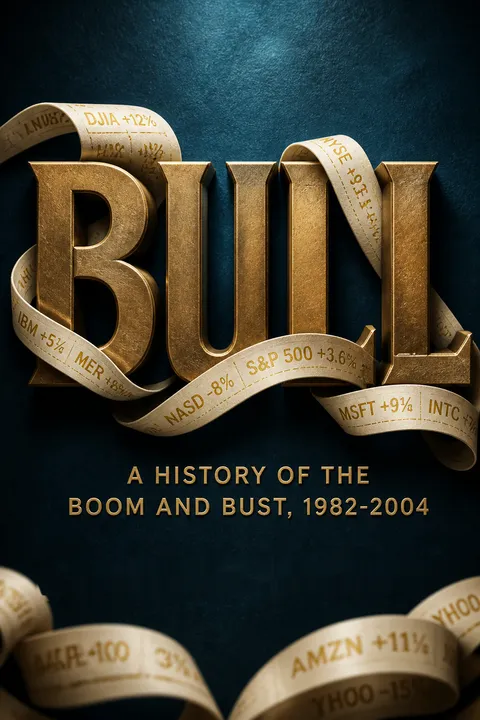
What's Bull: A History of the Boom and Bust, 1982-2004 about?
- Market Cycles Overview: The book chronicles the stock market's cycles from 1982 to 2004, focusing on the boom and bust periods. It examines how investor psychology, economic conditions, and corporate behavior influenced these cycles.
- Impact of Key Events: It highlights significant events like the 1987 crash and the 2000 dot-com bubble, illustrating their effects on market dynamics and investor behavior.
- Lessons for Investors: Maggie Mahar emphasizes the importance of understanding historical market behaviors to navigate future investments, offering both a historical account and a guide for investors.
Why should I read Bull: A History of the Boom and Bust, 1982-2004?
- Insightful Analysis: The book provides a comprehensive analysis of the stock market's behavior over two decades, valuable for both novice and experienced investors.
- Cautionary Tale: Mahar's exploration of unchecked speculation serves as a warning about the risks of following trends without critical analysis.
- Engaging Narrative: The author uses anecdotes and insights from key financial figures, making complex concepts accessible and engaging.
What are the key takeaways of Bull: A History of the Boom and Bust, 1982-2004?
- Inevitable Market Cycles: Financial markets operate in cycles, and understanding these can help investors anticipate market movements.
- Investor Psychology: Emotions like greed and fear drive market behavior, often leading to irrational investment decisions.
- Media Influence: Financial media can create feedback loops that amplify market trends, highlighting the need for critical evaluation of information sources.
What are the best quotes from Bull: A History of the Boom and Bust, 1982-2004 and what do they mean?
- “The stock market is not the kind of game in which one party loses what another wins.”: This underscores the collective nature of market dynamics, emphasizing the importance of understanding broader trends.
- “The news was becoming noise.”: It highlights how constant market updates can drown out meaningful information, leading to poor investment decisions.
- “The riskiest time to buy stocks is during a roaring bull market.”: This warns of the dangers of investing when prices are high, underscoring the importance of timing and valuation.
How did the media influence the market during the boom years in Bull: A History of the Boom and Bust, 1982-2004?
- 24/7 Financial News: The rise of networks like CNBC created a constant stream of information, influencing investor behavior and often leading to heightened market volatility.
- Promotion of Stocks: Media coverage often focused on high-flying stocks, creating a bandwagon effect that contributed to inflated stock prices and market bubbles.
- Shaping Investor Sentiment: The media played a crucial role in shaping public perception, amplifying both optimism and fear, which significantly impacted market dynamics.
What role did individual investors play in the market's rise in Bull: A History of the Boom and Bust, 1982-2004?
- Increased Participation: Individual investors became more active, particularly through vehicles like 401(k) plans, marking a democratization of investing.
- Chasing Returns: Many were drawn by the prospect of high returns, often investing in popular stocks without fully understanding the risks.
- Emotional Decision-Making: Decisions were often based on emotions rather than fundamentals, leading to buying at peaks and selling at lows.
How did the 1987 crash impact investor behavior according to Bull: A History of the Boom and Bust, 1982-2004?
- Increased Caution: The crash led many investors to become more cautious, with some pulling out of the market entirely, creating a more risk-averse environment.
- Long-Term Skepticism: Many developed a long-term skepticism towards the stock market, reflected in reduced participation rates.
- Shift to Fixed Income: Investors favored fixed-income investments over equities, seeking safety and stability, highlighting the psychological scars left by the crash.
What does Bull: A History of the Boom and Bust, 1982-2004 say about the role of analysts in the market?
- Influence on Stock Prices: Analysts significantly shaped market perceptions and influenced stock prices through their recommendations.
- Conflicts of Interest: Analysts often faced conflicts of interest, as their firms relied on investment banking fees, leading to biased recommendations.
- Emergence of Star Analysts: The rise of star analysts marked a shift in perception, often overshadowing fundamental analysis and contributing to market trends.
How did corporate behavior contribute to the boom and bust described in Bull: A History of the Boom and Bust, 1982-2004?
- Focus on Short-Term Gains: Executives prioritized short-term performance metrics, often at the expense of long-term sustainability.
- Creative Accounting Practices: Prevalent creative accounting allowed companies to present inflated earnings, misleading investors.
- Impact on Investor Trust: Erosion of trust in corporate governance and financial reporting had lasting effects on investor confidence.
How does Bull: A History of the Boom and Bust, 1982-2004 address the concept of "irrational exuberance"?
- Definition and Prevalence: Irrational exuberance refers to overly optimistic market conditions, leading to inflated asset prices, prevalent during the 1990s bull market.
- Consequences of Overconfidence: It can result in significant market corrections when reality sets in, with severe financial consequences for unprepared investors.
- Role of Central Bankers: Central bankers, like Alan Greenspan, contributed to this culture by maintaining low interest rates, encouraging speculative behavior.
What lessons can investors learn from Bull: A History of the Boom and Bust, 1982-2004?
- Critical Thinking: Investors should critically evaluate information and avoid being swayed by media hype, developing disciplined strategies based on fundamentals.
- Understanding Market Cycles: Recognizing the cyclical nature of markets and being prepared for corrections can help navigate volatility.
- Focus on Long-Term Value: Prioritizing intrinsic value over short-term trends can lead to more sustainable investment outcomes.
PDF डाउनलोड करें
EPUB डाउनलोड करें
.epub digital book format is ideal for reading ebooks on phones, tablets, and e-readers.








































