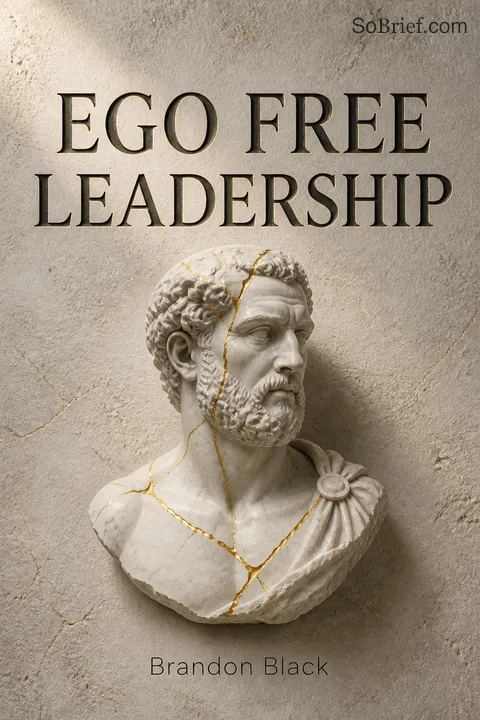
मुख्य बातें
1. आपका अहंकार अनजाने में विनाशकारी व्यवहार उत्पन्न करता है
"हमारे अहंकार तंत्र की प्रतिक्रियाएं हमारे सहकर्मियों और कंपनी की संस्कृति पर हमारी समझ से कहीं अधिक नकारात्मक प्रभाव डालती हैं।"
छिपे हुए मनोवैज्ञानिक पैटर्न। अहंकार एक अनजाने रक्षा तंत्र के रूप में कार्य करता है जो हमारी आत्म-मूल्य की रक्षा करता है, और यह स्वाभाविक प्रतिक्रियाओं के माध्यम से होता है। जब हमें खतरा महसूस होता है, तो ये प्रतिक्रियाएं स्वतः ही उत्पन्न हो जाती हैं, जिससे हम टकराव से बचते हैं, दूसरों को दोष देते हैं या अत्यधिक रक्षात्मक हो जाते हैं, बिना यह जाने कि हम ऐसा कर रहे हैं।
अहंकार ट्रिगर की विशेषताएं:
- स्वचालित और अनजाने प्रतिक्रियाएं
- निर्णय के डर से प्रेरित
- आत्म-मूल्य की रक्षा के लिए डिज़ाइन किया गया
- व्यक्तिगत और संगठनात्मक लक्ष्यों को लगातार कमजोर करता है
अहंकार की अनदेखी का प्रभाव। ये अनजाने व्यवहार पेशेवर संबंधों, टीम की गतिशीलता और संगठन की समग्र कार्यक्षमता को गंभीर रूप से नुकसान पहुंचा सकते हैं। जब नेता इन पैटर्न से अनजान रहते हैं, तो वे अनजाने में विषाक्त कार्यस्थल बनाते हैं जो रचनात्मकता, सहयोग और व्यक्तिगत क्षमता को दबा देता है।
2. आत्म-मूल्य के डर कार्यस्थल की विकृति को जन्म देते हैं
"जब अपने मनचाहे और भयभीत छवियों की रक्षा उनके मस्तिष्क का डिफ़ॉल्ट लक्ष्य बन गई, तो उसने सीखने, दूसरों के साथ सहयोग करने और अपनी जिम्मेदारियों को पूरा करने की इच्छा को पीछे छोड़ दिया।"
मनोवैज्ञानिक रक्षा तंत्र। संगठन में व्यक्ति लगातार इस जटिल आंतरिक कथा का प्रबंधन करते हैं कि वे कैसे देखे जाना चाहते हैं और कैसे देखे जाने से डरते हैं। ये "मनचाही और भयभीत छवियां" जटिल मनोवैज्ञानिक बाधाएं बनाती हैं जो वास्तविक संवाद और सहयोग को रोकती हैं।
आत्म-मूल्य के सामान्य डर:
- अक्षम दिखने का डर
- कमजोर समझे जाने का भय
- स्थिति या सम्मान खोने का डर
- सीमाओं को स्वीकार करने में हिचकिचाहट
- पेशेवर प्रतिष्ठा को जोखिम में डालना
अनजाने प्रदर्शन की सीमाएं। छवि प्रबंधन को वास्तविक विकास और टीम वर्क से ऊपर रखने से पेशेवर स्वयं पर प्रतिबंध लगाते हैं, जिससे व्यक्तिगत और सामूहिक प्रदर्शन में भारी कमी आती है। अहंकार की रक्षा में लगने वाली ऊर्जा को नवाचार, सीखने और समस्या समाधान में लगाया जा सकता था।
3. कार्यस्थल की राजनीति व्यक्तिगत अहंकार ट्रिगर से उत्पन्न होती है
"दुर्भाग्य से, हमारे अहंकार प्रेरित व्यवहार अविश्वास और अंदरूनी लड़ाई की लहरें पैदा करते हैं, जो आपकी अधिकांश कार्यशक्ति की ऊर्जा को चुपचाप निगल जाते हैं।"
संगठनात्मक गतिशीलता। कार्यस्थल की राजनीति व्यक्तिगत अहंकार ट्रिगर से उत्पन्न होती है जो "हम बनाम वे" की मानसिकता को जन्म देती है। ये गतिशीलताएं विभागीय सीमाओं, रक्षात्मक व्यवहारों और प्रतिस्पर्धात्मक अंतःक्रियाओं के रूप में प्रकट होती हैं, जो संगठनात्मक उद्देश्यों को कमजोर करती हैं।
राजनीतिक व्यवहार के सामान्य रूप:
- विभागीय संघर्ष
- दोषारोपण
- सूचना छुपाना
- क्षेत्रीय व्यवहार
- क्रॉस-फंक्शनल सहयोग का विरोध
प्रणालीगत प्रदर्शन लागत। ये अहंकार प्रेरित गतिशीलताएं संगठनात्मक संसाधनों का भारी उपभोग करती हैं, जिससे दक्षता, नवाचार और समग्र प्रदर्शन कम हो जाता है। व्यक्तिगत अहंकार ट्रिगर को पहचानकर और संबोधित करके, संगठन विषाक्त राजनीतिक माहौल को सहयोगी और उच्च प्रदर्शन वाले वातावरण में बदल सकते हैं।
4. संवेदनशीलता और सहानुभूति संगठनात्मक संस्कृति को बदल देती हैं
"टीम के माहौल में भावनात्मक सुरक्षा बनाना एक नेता की सबसे महत्वपूर्ण जिम्मेदारियों में से एक है।"
मनोवैज्ञानिक सुरक्षा। सच्ची संवेदनशीलता ऐसे वातावरण बनाती है जहां टीम के सदस्य बिना निर्णय के डर के अपनी चुनौतियां साझा कर सकते हैं, गलतियां स्वीकार कर सकते हैं और मदद मांग सकते हैं। यह भावनात्मक खुलापन विश्वास, सीखने और सामूहिक विकास की नींव बन जाता है।
संवेदनशीलता की रणनीतियाँ:
- व्यक्तिगत कमियों को मॉडल करना
- व्यक्तिगत चुनौतियां साझा करना
- गैर-निर्णयात्मक स्थान बनाना
- प्रामाणिक संवाद को प्रोत्साहित करना
- सहानुभूति दिखाना
सांस्कृतिक परिवर्तन। भावनात्मक सुरक्षा को प्राथमिकता देकर, नेता रक्षात्मक संगठनात्मक व्यवहारों को व्यवस्थित रूप से खत्म कर सकते हैं और उन्हें पारस्परिक समर्थन, निरंतर सीखने और साझा जवाबदेही की संस्कृतियों से बदल सकते हैं।
5. रचनात्मक संवाद के लिए सही होने की चाह छोड़नी होती है
"सही होना ऐसा है जैसे ज़हर पीना और उम्मीद करना कि दूसरा व्यक्ति मर जाए।"
संवाद में बदलाव। प्रभावी संवाद के लिए सही होने की आवश्यकता को छोड़कर पारस्परिक समझ, सीखने और सहयोगी समस्या समाधान पर ध्यान केंद्रित करना जरूरी है। यह दृष्टिकोण संभावित टकरावपूर्ण बातचीत को सामूहिक विकास के अवसरों में बदल देता है।
संवाद का ढांचा:
- संवेदनशील बनें
- सहानुभूति का अभ्यास करें
- सीधे संवाद करें
- खोजपूर्ण बने रहें
- सच्ची परवाह दिखाएं
संबंधात्मक बुद्धिमत्ता। सही होने से अधिक जुड़ाव को प्राथमिकता देकर, नेता ऐसे संवाद वातावरण बना सकते हैं जो संगठन के सभी स्तरों पर विश्वास, रचनात्मकता और नवाचार को बढ़ावा देते हैं।
6. दूसरों को "अच्छा" बनाना संगठन की क्षमता खोलता है
"अच्छा बनाना हमारी रचनात्मक शक्ति को वापस लेना है।"
परिवर्तनकारी नेतृत्व दृष्टिकोण। दूसरों की सीमाओं पर ध्यान देने के बजाय, नेता टीम के सदस्यों में संभावनाओं को देखना और पोषित करना चुन सकते हैं। इसके लिए आलोचनात्मक और निर्णयात्मक मानसिकता से समर्थन और विकास की मानसिकता में जानबूझकर बदलाव करना होता है।
दूसरों को अच्छा बनाने की रणनीतियाँ:
- सकारात्मक इरादे मानना
- रचनात्मक प्रतिक्रिया देना
- सीखने के अवसर बनाना
- व्यक्तिगत ताकतों का जश्न मनाना
- व्यक्तिगत विकास का समर्थन करना
संगठनात्मक सशक्तिकरण। लगातार "दूसरों को अच्छा बनाने" का विकल्प चुनकर, नेता सकारात्मक परिवर्तन की श्रृंखला बना सकते हैं, जो संगठन में पहले अप्रकट संभावनाओं को खोलती है।
7. एक महान उद्देश्य की खोज अहंकार की सीमाओं से ऊपर उठती है
"हर नौकरी, चाहे कोई भी पेशा हो, एक गहरे उद्देश्य की सेवा करती है—लेकिन हमें इसे अपने अहंकार तंत्र की सीमाओं से परे देखना पड़ सकता है।"
उद्देश्य-प्रेरित प्रदर्शन। जब संगठन और व्यक्ति एक सार्थक, व्यापक लक्ष्य से जुड़ते हैं जो व्यक्तिगत उपलब्धियों या वित्तीय मापदंडों से परे होता है, तो वे उच्च स्तर की प्रेरणा और प्रदर्शन प्राप्त करते हैं।
उद्देश्य खोज के तत्व:
- मुख्य संगठनात्मक मूल्यों की पहचान
- कार्य को व्यापक सामाजिक प्रभाव से जोड़ना
- प्रेरणादायक मिशन वक्तव्य बनाना
- व्यक्तिगत भूमिकाओं को सामूहिक उद्देश्य के साथ संरेखित करना
- सार्थक योगदान संप्रेषित करना
प्रेरणादायक नेतृत्व। टीमों को उनके कार्य के गहरे महत्व को समझाने में मदद करके, नेता सामान्य कार्यों को सार्थक योगदानों में बदल सकते हैं जो ऊर्जा और प्रेरणा प्रदान करते हैं।
8. जिम्मेदारी लेना खुद को साबित करने से अधिक महत्वपूर्ण है
"हमारी जिम्मेदारी हमारे अनुभव और विकास की शुरुआत होना है, चाहे बाहरी परिस्थितियां कैसी भी हों।"
सक्रिय नेतृत्व मानसिकता। सच्चा नेतृत्व संगठनात्मक चुनौतियों, व्यक्तिगत विकास और सामूहिक उन्नति की पूरी जिम्मेदारी लेने में निहित है, न कि व्यक्तिगत प्रतिष्ठा की रक्षा करने या जवाबदेही से बचने में।
जिम्मेदारी के सिद्धांत:
- व्यक्तिगत सीमाओं को स्वीकार करना
- सक्रिय रूप से प्रतिक्रिया मांगना
- निरंतर सीखने को अपनाना
- पारदर्शी संवाद बनाना
- जवाबदेही का मॉडल प्रस्तुत करना
सांस्कृतिक परिवर्तन। जब नेता लगातार व्यक्तिगत जिम्मेदारी का उदाहरण देते हैं, तो वे ऐसे संगठनात्मक संस्कृतियों का निर्माण करते हैं जो विश्वास, सीखने और सामूहिक समस्या समाधान से परिपूर्ण होती हैं।
9. प्रामाणिक नेतृत्व के लिए निरंतर आत्म-चिंतन आवश्यक है
"आत्म-जागरूकता नेतृत्व का सर्वोच्च कार्य है।"
व्यक्तिगत विकास यात्रा। प्रभावी नेतृत्व निरंतर आत्मनिरीक्षण, व्यक्तिगत मान्यताओं को चुनौती देने और व्यक्तिगत विकास तथा परिवर्तन के लिए खुले रहने की मांग करता है।
आत्म-चिंतन के अभ्यास:
- नियमित व्यक्तिगत कोचिंग
- विविध दृष्टिकोणों की खोज
- ईमानदार आत्म-मूल्यांकन
- व्यक्तिगत पूर्वाग्रहों को चुनौती देना
- सीखने की मानसिकता बनाए रखना
नेतृत्व का विकास। निरंतर व्यक्तिगत विकास के प्रति प्रतिबद्ध होकर, नेता अपनी सहानुभूति, समझ और परिवर्तनकारी नेतृत्व की क्षमता को धीरे-धीरे बढ़ा सकते हैं।
10. परिवर्तन की शुरुआत व्यक्तिगत जागरूकता से होती है
"इन प्रवृत्तियों को—व्यक्तिगत और टीम दोनों स्तरों पर—खत्म करने से आप और आपकी टीम की प्राकृतिक प्रतिभाएं, साहस और रचनात्मकता मुक्त हो जाएगी।"
जागरूकता एक उत्प्रेरक के रूप में। व्यक्तिगत और संगठनात्मक परिवर्तन अनजाने व्यवहार पैटर्न, अहंकार ट्रिगर और प्रणालीगत सीमाओं की गहन जागरूकता विकसित करने से शुरू होता है।
जागरूकता विकास की रणनीतियाँ:
- माइंडफुलनेस का अभ्यास करें
- नियमित आत्म-चिंतन में संलग्न हों
- बाहरी दृष्टिकोणों की खोज करें
- मौजूदा मानसिक मॉडलों को चुनौती दें
- ईमानदार संवाद के लिए सुरक्षित स्थान बनाएं
समग्र विकास। गहरी व्यक्तिगत जागरूकता को विकसित करके, व्यक्ति और संगठन स्व-लगाए गए प्रतिबंधों को व्यवस्थित रूप से खत्म कर सकते हैं और असाधारण संभावनाओं को खोल सकते हैं।
अक्सर पूछे जाने वाले प्रश्न
What's Ego Free Leadership about?
- Ego Dynamics: Ego Free Leadership delves into how ego-driven behaviors can undermine leadership effectiveness and team dynamics. It highlights the importance of recognizing and managing egos to foster a healthier workplace culture.
- Transformational Journey: The book follows Brandon Black's journey as CEO of Encore Capital, detailing how he transformed the company by addressing ego-related dysfunctions with the help of executive coach Shayne Hughes.
- Practical Framework: It introduces frameworks and models, such as the VEDEC model, to guide leaders in creating a more collaborative and productive environment.
Why should I read Ego Free Leadership?
- Real-World Application: The book offers actionable insights based on Brandon Black's real experiences, which readers can apply to their own leadership challenges.
- Cultural Transformation: It provides a roadmap for transforming toxic workplace cultures into environments of trust and collaboration, crucial for improving team morale and performance.
- Personal Growth: The book encourages self-reflection and personal development, helping readers understand their own ego triggers, which is essential for effective leadership.
What are the key takeaways of Ego Free Leadership?
- Ego Awareness: Recognizing how ego influences behavior is essential for effective leadership. Leaders must confront their ego to unlock their potential and that of their teams.
- Vulnerability and Empathy: The book highlights the power of vulnerability in leadership, fostering trust and creating a safe environment for teams.
- Collaboration Over Competition: It advocates for breaking down silos and fostering collaboration among teams, leading to improved performance and a cohesive organizational culture.
What are the best quotes from Ego Free Leadership and what do they mean?
- “If you can’t find the mark, you’re it.”: This quote emphasizes the importance of self-reflection in leadership, suggesting leaders should first examine their own contributions to team issues.
- “Working on your ego is the highest act of leadership.”: It highlights that addressing one’s ego is crucial for effective leadership and that personal growth directly impacts organizational success.
- “The more we got people’s real concerns on the table, the less we got spun up in personality conflicts.”: This illustrates the importance of open communication in reducing workplace drama and fostering a productive environment.
How does Ego Free Leadership address workplace dysfunction?
- Identifying Dysfunction: The book discusses common dysfunctions arising from ego-driven behaviors, such as blame and mistrust, and emphasizes recognizing these patterns to address them effectively.
- Strategies for Change: It provides practical strategies for transforming dysfunctional teams into high-performing ones, including fostering open dialogue and aligning on collective goals.
- Cultural Impact: Addressing ego-related issues can lead to a healthier corporate culture, improving team dynamics and overall organizational performance.
What is the VEDEC model in Ego Free Leadership?
- VEDEC Defined: The VEDEC model stands for Vulnerable, Empathetic, Direct, Exploratory, and Caring, serving as a framework for constructive communication.
- Vulnerability and Empathy: It emphasizes being open about feelings and understanding others’ perspectives, fostering trust and encouraging team members to share their thoughts.
- Directness and Exploration: Leaders are encouraged to communicate clearly and explore different viewpoints, creating a culture of curiosity and collaboration.
How does Ego Free Leadership redefine success in leadership?
- Beyond Performance Metrics: The book suggests true success in leadership goes beyond financial results, emphasizing creating a positive impact on employees and consumers.
- Emotional Connection: Success is redefined as the ability to connect with others and foster a supportive environment, leading to higher engagement and better outcomes.
- Long-Term Vision: It advocates for a long-term perspective on success, focusing on sustainable practices and ethical leadership, benefiting both the organization and society.
What role does vulnerability play in effective leadership according to Ego Free Leadership?
- Building Trust: Vulnerability allows leaders to connect with their teams on a deeper level, fostering trust and creating a safe space for open communication.
- Encouraging Growth: When leaders model vulnerability, it encourages team members to acknowledge their weaknesses and seek help, promoting personal and professional growth.
- Enhancing Collaboration: Vulnerability leads to more authentic and productive conversations, breaking down silos and encouraging collaboration across teams.
How can leaders apply the lessons from Ego Free Leadership in their own organizations?
- Self-Reflection: Leaders should regularly engage in self-reflection to identify their ego-driven behaviors and their impact on the team, which is the first step toward personal growth.
- Foster a Collaborative Culture: Implement practices that encourage collaboration and open communication, such as regular feedback sessions and team-building activities.
- Commit to Continuous Learning: Embrace a mindset of continuous learning and improvement, seeking feedback, being open to change, and investing in personal and team development.
What challenges might I face when implementing the ideas from Ego Free Leadership?
- Resistance to Change: Employees may resist new communication styles or cultural shifts, so it's important to address concerns and provide support during the transition.
- Ego Reactions: Individuals may struggle with their own ego triggers, leading to defensiveness or conflict, requiring ongoing training and support to mitigate these reactions.
- Sustaining Momentum: Maintaining changes over time can be challenging, especially in high-pressure environments, necessitating regular check-ins and reinforcement of principles.
How does Ego Free Leadership address workplace politics?
- Identifying Dysfunction: The book highlights how ego-driven behaviors contribute to workplace politics and dysfunction, emphasizing the need for leaders to recognize their role in creating a toxic environment.
- Encouraging Transparency: By promoting a culture of transparency and open communication, organizations can reduce political maneuvering, allowing for more constructive interactions.
- Building Trust: Trust is essential for overcoming workplace politics, and leaders must model vulnerability and empathy to create an environment where team members feel safe to express concerns.
What is the Learning as Leadership methodology mentioned in Ego Free Leadership?
- Focus on Self-Awareness: This methodology emphasizes understanding one’s ego and its impact on behavior, encouraging leaders to explore past experiences shaping their leadership styles.
- Transformative Coaching: It involves working with coaches to identify and address personal and organizational dysfunctions, aiming to create a culture of accountability and continuous improvement.
- Collaborative Learning: The approach promotes learning in a group setting, allowing leaders to share experiences and insights, fostering a sense of community and support.
PDF डाउनलोड करें
EPUB डाउनलोड करें
.epub digital book format is ideal for reading ebooks on phones, tablets, and e-readers.








































