
मुख्य बातें
1. तानाशाही कमजोर होती है और रणनीतिक अहिंसात्मक संघर्ष से इसे समाप्त किया जा सकता है
तानाशाही स्थायी नहीं होती। तानाशाही के अधीन रहने वाले लोग कमजोर बने रहने के लिए बाध्य नहीं हैं, और तानाशाहों को अनिश्चित काल तक शक्तिशाली बने रहने की अनुमति नहीं दी जानी चाहिए।
तानाशाही में कमजोरियाँ होती हैं। अपनी दिखने वाली ताकत के बावजूद, तानाशाही जनता और उन संस्थाओं की सहयोग और आज्ञाकारिता पर निर्भर करती है जिन्हें वे नियंत्रित करते हैं। यह निर्भरता स्वाभाविक कमजोरियाँ पैदा करती है, जिन्हें रणनीतिक अहिंसात्मक कार्रवाई के माध्यम से भुनाया जा सकता है। कुछ मुख्य कमजोरियाँ हैं:
- समर्थन और संचालन के लिए कई समूहों पर निर्भरता
- आंतरिक सत्ता संघर्ष और संस्थागत टकराव
- वैचारिक विरोधाभास और वैधता का क्षरण
- नौकरशाही और निर्णय लेने में अक्षमताएँ
अहिंसात्मक संघर्ष शक्तिशाली होता है। इन कमजोरियों को समन्वित अहिंसात्मक क्रियाओं के माध्यम से व्यवस्थित रूप से लक्षित करके, लोकतांत्रिक ताकतें प्रभावी ढंग से जड़ें जमा चुकी तानाशाहियों को चुनौती दे सकती हैं और अंततः उन्हें समाप्त कर सकती हैं। पोलैंड के सॉलिडैरिटी आंदोलन से लेकर सोवियत संघ के पतन तक, इस दृष्टिकोण ने कई ऐतिहासिक मामलों में सफलता पाई है।
2. तानाशाही को चुनौती देने में राजनीतिक अवज्ञा हिंसा से अधिक प्रभावी है
राजनीतिक अवज्ञा, हिंसा के विपरीत, शक्ति के उन स्रोतों को काटने के लिए विशेष रूप से उपयुक्त है।
अहिंसात्मक तरीकों के फायदे। राजनीतिक अवज्ञा हिंसात्मक प्रतिरोध की तुलना में कई रणनीतिक लाभ प्रदान करती है:
- हताहतों और सामाजिक विनाश को कम करती है
- समाज के व्यापक हिस्से को भागीदारी का अवसर देती है
- नैतिक उच्चता और वैधता बनाए रखती है
- शासन के भीतर बगावत को प्रोत्साहित करती है
- लोकतांत्रिक स्व- संगठन में अनुभव बनाती है
हिंसा हानिकारक है। सशस्त्र संघर्ष तानाशाह की सैन्य शक्ति को बढ़ावा देता है और अक्सर दमन को जायज ठहराता है। यह संभावित समर्थकों को दूर कर सकता है और स्थायी लोकतांत्रिक परिवर्तन की संभावना कम होती है। इसके विपरीत, राजनीतिक अवज्ञा तानाशाह के समर्थन स्तंभों को व्यवस्थित रूप से कमजोर करती है और जनता को सशक्त बनाती है।
3. तानाशाह की शक्ति के स्रोतों को व्यवस्थित रूप से कमजोर किया जा सकता है
जब ये स्रोत उपलब्ध नहीं रहेंगे, तो शासकों की शक्ति कमजोर होकर अंततः समाप्त हो जाएगी।
शक्ति के स्रोतों की पहचान करें। तानाशाह कई मुख्य शक्ति स्रोतों पर निर्भर करते हैं:
- अधिकार और वैधता
- मानव संसाधन और समर्थक
- सहयोगियों के कौशल और ज्ञान
- भौतिक संसाधन और आर्थिक नियंत्रण
- दंडात्मक कार्रवाई की क्षमता
व्यवस्थित रूप से लक्षित करें। इन स्रोतों का विश्लेषण करके, प्रतिरोध आंदोलनों को प्रत्येक को कमजोर करने की रणनीतियाँ विकसित करनी चाहिए। उदाहरण के लिए:
- प्रतीकात्मक अवज्ञा के माध्यम से वैधता को कमजोर करना
- समर्थकों के बीच बगावत और असहयोग को प्रोत्साहित करना
- आवश्यक कौशल/सेवाएँ प्रदान करने के लिए समानांतर संस्थान विकसित करना
- भौतिक संसाधनों को सीमित करने के लिए आर्थिक बहिष्कार और हड़तालें
- दंडात्मक कार्रवाई को अप्रभावी बनाने के लिए व्यापक अवज्ञा
4. तानाशाही के खिलाफ सफल प्रतिरोध के लिए रणनीतिक योजना आवश्यक है
ऐसी कार्रवाई की योजना बनाने के लिए, स्थिति और प्रभावी कार्रवाई के विकल्पों का सावधानीपूर्वक मूल्यांकन आवश्यक है।
रणनीतिक योजना के तत्व:
- दोनों पक्षों की ताकत और कमजोरियों का विश्लेषण
- स्पष्ट, प्राप्त करने योग्य लक्ष्य निर्धारित करना
- उपयुक्त तरीके और रणनीतियाँ चुनना
- संसाधनों का प्रभावी आवंटन
- शासन की प्रतिक्रियाओं का पूर्वानुमान और मुकाबला योजना बनाना
योजनाओं के स्तर। प्रभावी प्रतिरोध के लिए कई स्तरों पर योजना बनानी होती है:
- व्यापक रणनीति: मुक्ति के लिए समग्र रूपरेखा
- अभियान रणनीतियाँ: प्रमुख मुद्दों पर लक्षित विशिष्ट अभियानों की योजना
- सामरिक योजनाएँ: व्यक्तिगत क्रियाओं और तरीकों का विवरण
रणनीतिक योजना प्रतिरोध आंदोलनों को प्रतिक्रियाशील और अप्रभावी कार्यों से बचाती है और इसके बजाय एक समन्वित, शक्तिशाली आंदोलन बनाती है जो तानाशाही को कमजोर कर सके।
5. चयनात्मक प्रतिरोध अभियान बड़े पैमाने पर अवज्ञा के लिए गति बनाते हैं
"चयनात्मक प्रतिरोध" की रणनीति बनाते समय, तानाशाही के सामान्य उत्पीड़न का प्रतीकात्मक प्रतिनिधित्व करने वाले विशिष्ट सीमित मुद्दों या शिकायतों की पहचान आवश्यक है।
छोटे और केंद्रित से शुरू करें। प्रारंभिक अभियान को चाहिए कि:
- विशिष्ट, प्राप्त करने योग्य लक्ष्यों को निशाना बनाएं
- व्यापक जन समर्थन वाले मुद्दों पर ध्यान केंद्रित करें
- प्रतिरोध में आत्मविश्वास और अनुभव बनाएं
- शासन की प्रतिक्रियाओं और प्रतिरोध क्षमता का परीक्षण करें
रणनीतिक रूप से वृद्धि करें। जैसे-जैसे अभियान सफल होते हैं, प्रतिरोध को विस्तार देना चाहिए:
- समाज के अधिक क्षेत्रों को शामिल करें
- अधिक महत्वाकांक्षी लक्ष्यों को अपनाएं
- क्रियाओं के पैमाने और आवृत्ति को बढ़ाएं
- प्रतीकात्मक से अधिक विघटनकारी तरीकों की ओर बढ़ें
यह क्रमिक दृष्टिकोण आंदोलन को ताकत और क्षमता में बढ़ने देता है, जबकि जल्दबाजी में टकराव से बचाता है जो हार का कारण बन सकता है।
6. प्रभावी राजनीतिक अवज्ञा के लिए अहिंसात्मक अनुशासन आवश्यक है
हिंसक विरोधियों के खिलाफ अहिंसात्मक अनुशासन बनाए रखना अहिंसात्मक संघर्ष में परिवर्तन के चार तंत्रों के कामकाज को सुगम बनाता है।
अनुशासन का महत्व। अहिंसात्मक अनुशासन बनाए रखने से:
- शासन के साथ नैतिक विरोध स्पष्ट होता है
- भागीदारी और समर्थन को प्रोत्साहन मिलता है
- शासन से बगावत की संभावना बढ़ती है
- हिंसात्मक दमन के लिए औचित्य सीमित होता है
परिवर्तन के तंत्र। अहिंसात्मक अनुशासन चार मुख्य प्रक्रियाओं को सक्षम बनाता है:
- परिवर्तन: विरोधियों को जीतना
- समायोजन: रियायतें लेना
- अहिंसात्मक दबाव: शासन के कार्यों को बाधित करना
- विघटन: तानाशाही का पतन
प्रतिरोध के नेता प्रशिक्षण और संचार को प्राथमिकता दें ताकि अनुशासन बना रहे, चाहे उकसावे या शासन की हिंसा का सामना हो।
7. लोकतंत्र में संक्रमण के लिए योजना बनाना आवश्यक है ताकि नई तानाशाही न उभर सके
तानाशाही कमजोर होने या गिरने पर लोकतंत्र में संक्रमण के लिए विशिष्ट योजनाएँ तैयार होनी चाहिए।
संक्रमण के जोखिम। तानाशाही के पतन से सत्ता का वैक्यूम बनता है, जिससे हो सकता है:
- अराजकता और अस्थिरता
- अवसरवादी सत्ता हथियाना
- नई तानाशाही का उदय
प्रमुख संक्रमण तत्व:
- अस्थायी लोकतांत्रिक सरकार की शीघ्र स्थापना
- दमनकारी संरचनाओं (जैसे गुप्त पुलिस) का विघटन
- लोकतांत्रिक शासन के लिए संवैधानिक ढांचा
- स्वतंत्र और निष्पक्ष चुनावों की योजना
- जवाबदेही और मेल-मिलाप के तंत्र
इन तत्वों के लिए पूर्व योजना यह सुनिश्चित करती है कि प्रतिरोध में किए गए बलिदान वास्तविक लोकतांत्रिक परिवर्तन में बदलें, न कि केवल एक तानाशाही की जगह दूसरी।
8. स्वतंत्र संस्थाओं का निर्माण समानांतर लोकतांत्रिक समाज बनाता है
जैसे-जैसे समाज की नागरिक संस्थाएँ तानाशाही के मुकाबले मजबूत होती हैं, वैसे-वैसे जनता धीरे-धीरे उनकी नियंत्रण से बाहर एक स्वतंत्र समाज का निर्माण कर रही होती है।
समानांतर संरचनाएँ। प्रतिरोध आंदोलनों को स्वतंत्र संस्थाओं के निर्माण और सुदृढ़ीकरण पर ध्यान देना चाहिए:
- नागरिक समाज संगठन
- स्वतंत्र मीडिया और संचार नेटवर्क
- वैकल्पिक आर्थिक प्रणालियाँ
- शैक्षिक पहल
- सांस्कृतिक और धार्मिक संस्थान
इस दृष्टिकोण के लाभ:
- जनता को आवश्यक सेवाएँ प्रदान करता है
- लोकतांत्रिक स्व- संगठन में अनुभव बनाता है
- शासन नियंत्रण से बाहर शक्ति केंद्र बनाता है
- समाज में शक्ति संतुलन को धीरे-धीरे बदलता है
जैसे-जैसे ये समानांतर संरचनाएँ बढ़ती हैं, वे तानाशाही की समाज नियंत्रण क्षमता को सीमित करती हैं, जिससे शासन गिरने से पहले ही एक वास्तविक लोकतांत्रिक क्षेत्र बन जाता है।
9. व्यापक असहयोग तानाशाही के विघटन का कारण बन सकता है
यदि जनता के बड़े हिस्से द्वारा असहयोग किया जाए, तो शासन गंभीर संकट में पड़ जाएगा।
असहयोग की शक्ति। जब समाज के महत्वपूर्ण हिस्से सहयोग करने से इनकार करते हैं, तो तानाशाही को कई संकटों का सामना करना पड़ता है:
- प्रशासनिक विफलता
- आर्थिक पक्षाघात
- सूचना प्रवाह पर नियंत्रण खोना
- सुरक्षा बलों और नौकरशाही से बगावत
असहयोग को बढ़ाना। प्रतिरोध आंदोलनों को चाहिए कि वे:
- असहयोग के पैमाने को धीरे-धीरे बढ़ाएं
- समाज के अधिक क्षेत्रों को शामिल करें
- शासन के मुख्य समर्थन स्तंभों को निशाना बनाएं
- अधिकतम प्रभाव के लिए क्रियाओं का समन्वय करें
जैसे-जैसे असहयोग फैलता है, शासन अपनी नीतियाँ लागू करने, चुनौतियों का सामना करने और नियंत्रण बनाए रखने में असमर्थ हो जाता है, अंततः इसका पतन हो जाता है।
10. तानाशाही के बाद सतर्कता आवश्यक है ताकि स्थायी लोकतंत्र सुनिश्चित हो सके
राजनीतिक अवज्ञा से तानाशाही के सफल विघटन के बाद भी, पुराने शासन के पतन के बाद उत्पन्न भ्रम से नए दमनकारी शासन के उदय को रोकने के लिए सावधानी बरतनी चाहिए।
जारी चुनौतियाँ। तानाशाही का पतन अपने आप स्थिर लोकतंत्र नहीं बनाता। मुख्य मुद्दे हैं:
- तख्तापलट या सत्ता हथियाने को रोकना
- लोकतांत्रिक संस्थाओं और प्रथाओं की स्थापना
- लंबे समय से चले आ रहे सामाजिक और आर्थिक समस्याओं का समाधान
- मेल-मिलाप और पूर्व दुरुपयोगों से निपटना
लोकतांत्रिक संस्कृति को बनाए रखना। स्थायी परिवर्तन सुनिश्चित करने के लिए:
- नागरिक भागीदारी और प्रतिरोध की क्षमता बनाए रखें
- मजबूत नागरिक समाज और स्वतंत्र मीडिया विकसित करें
- जनता को लोकतांत्रिक अधिकारों और जिम्मेदारियों के बारे में शिक्षित करें
- सरकारी संरचनाओं में संतुलन और नियंत्रण बनाएं
वही अहिंसात्मक तरीके जो तानाशाही को गिराने में काम आए, नए लोकतंत्र की रक्षा के लिए भी उपयोग किए जा सकते हैं ताकि पीछे हटाव या नए तानाशाही खतरे से बचा जा सके।
समीक्षा सारांश
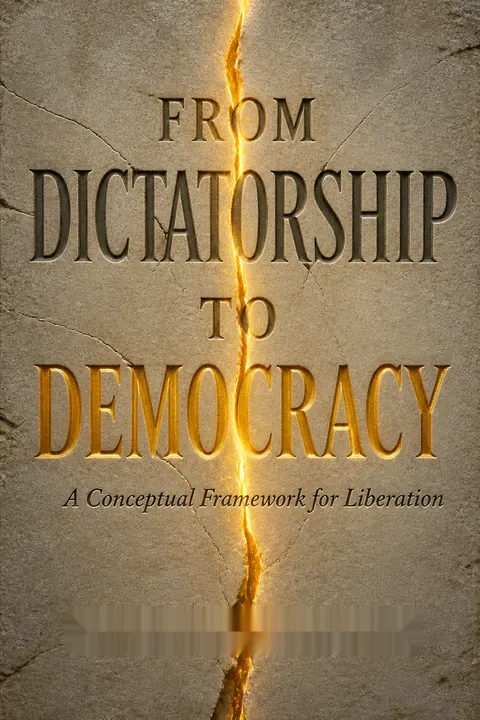
तानाशाही से लोकतंत्र तक एक व्यावहारिक मार्गदर्शिका है जो तानाशाहों के खिलाफ अहिंसात्मक प्रतिरोध की कला सिखाती है। पाठक डीन शार्प की रणनीतिक सोच की प्रशंसा करते हैं, जिसमें योजना बनाना, असहयोग करना और हिंसा से बचना सबसे महत्वपूर्ण बताया गया है। यह पुस्तक हाल के वैश्विक घटनाक्रम और लोकतांत्रिक आंदोलनों के संदर्भ में अत्यंत प्रासंगिक मानी जाती है। कुछ आलोचक इसे तानाशाही के बाद के दौर की चुनौतियों पर पर्याप्त ध्यान न देने और जटिल राजनीतिक परिस्थितियों को सरल बनाने की संभावना के लिए आलोचना करते हैं। कुल मिलाकर, यह पुस्तक शांति पूर्ण शासन परिवर्तन और लोकतंत्र निर्माण में रुचि रखने वालों के लिए एक अमूल्य साधन साबित होती है।
अक्सर पूछे जाने वाले प्रश्न
What's "From Dictatorship to Democracy" about?
- Conceptual framework for liberation: The book provides a strategic framework for overthrowing dictatorships and establishing democratic systems through nonviolent means.
- Focus on nonviolent struggle: It emphasizes the power of nonviolent resistance and political defiance as effective tools against oppressive regimes.
- Historical examples: The book draws on historical instances where nonviolent action has successfully challenged dictatorships, offering insights into their vulnerabilities.
- Strategic planning: It highlights the importance of strategic planning and preparation in organizing resistance movements to ensure successful outcomes.
Why should I read "From Dictatorship to Democracy"?
- Understanding nonviolent resistance: The book offers a comprehensive understanding of how nonviolent struggle can be a powerful tool for political change.
- Practical guidance: It provides practical advice and strategies for those involved in or supporting movements against authoritarian regimes.
- Inspiration for activists: The book serves as an inspiration for activists by showcasing successful examples of nonviolent resistance.
- Global relevance: Its principles are applicable to various contexts worldwide, making it a valuable resource for anyone interested in democracy and human rights.
What are the key takeaways of "From Dictatorship to Democracy"?
- Power of noncooperation: The book emphasizes that dictatorships rely on the cooperation of the populace, and withdrawing this cooperation can weaken their power.
- Strategic planning is crucial: Effective resistance requires careful planning and strategic thinking to exploit the weaknesses of dictatorships.
- Role of independent institutions: Strengthening independent social, economic, and political institutions is vital for resisting and eventually dismantling dictatorships.
- Nonviolent discipline: Maintaining nonviolent discipline is essential to avoid playing into the hands of dictators who are better equipped for violent confrontation.
What are the best quotes from "From Dictatorship to Democracy" and what do they mean?
- "Dictatorships are not permanent." This quote underscores the book's central message that oppressive regimes can be challenged and overthrown through strategic nonviolent action.
- "The degree of liberty or tyranny in any government is...a reflection of the relative determination of the subjects to be free." It highlights the power of the populace in determining the nature of their governance.
- "Nonviolent struggle provides the means by which the population can wield power against repressive police and military action." This emphasizes the effectiveness of nonviolent methods in countering state violence.
- "Liberation from dictatorships ultimately depends on the people’s ability to liberate themselves." It stresses the importance of self-reliance and internal strength in achieving freedom.
How does Gene Sharp define political power in "From Dictatorship to Democracy"?
- Sources of power: Sharp identifies key sources of political power, including authority, human resources, skills, material resources, and sanctions.
- Dependence on cooperation: He argues that dictatorships rely on the cooperation and obedience of the populace to maintain power.
- Withdrawing support: By withdrawing cooperation and support, the populace can weaken and eventually dismantle the regime's power.
- Role of nonviolent action: Nonviolent struggle is presented as a means to sever the sources of power and challenge the legitimacy of dictatorships.
What is the "Monkey Master" fable in "From Dictatorship to Democracy"?
- Story summary: The fable tells of a monkey master who controls monkeys by taking a portion of their gathered fruits, until one monkey questions the need for their servitude.
- Moral lesson: The story illustrates how rulers maintain power through the cooperation of the ruled, and how questioning this can lead to liberation.
- Application to dictatorships: It serves as a metaphor for how dictatorships rely on the submission of the populace and how awareness can lead to resistance.
- Empowerment message: The fable encourages people to recognize their own power and potential to challenge oppressive systems.
What are the weaknesses of dictatorships according to "From Dictatorship to Democracy"?
- Dependence on cooperation: Dictatorships require the cooperation of various societal groups and institutions, which can be withdrawn.
- Internal inefficiencies: Bureaucratic inefficiencies and personal rivalries can weaken the regime's effectiveness.
- Ideological erosion: Over time, the regime's ideology may lose its influence, leading to decreased support.
- Vulnerability to noncooperation: Strategic noncooperation can exploit these weaknesses and lead to the regime's disintegration.
How does "From Dictatorship to Democracy" suggest planning a strategic resistance?
- Grand strategy development: The book emphasizes the need for a comprehensive grand strategy that coordinates all available resources and efforts.
- Campaign strategies: Specific strategies for campaigns should be developed to achieve incremental objectives and weaken the dictatorship.
- Role of nonviolent methods: The use of diverse nonviolent methods is crucial to effectively challenge the regime's power.
- Adaptability and assessment: Continuous assessment and adaptation of strategies are necessary to respond to changing circumstances and opportunities.
What role do independent institutions play in "From Dictatorship to Democracy"?
- Centers of power: Independent institutions serve as centers of power that can resist and challenge dictatorial control.
- Building democratic space: Strengthening these institutions helps expand democratic space and reduce the regime's influence.
- Support for resistance: They provide organizational support and resources for resistance movements.
- Foundation for democracy: These institutions are essential for establishing and maintaining a democratic society post-dictatorship.
How does "From Dictatorship to Democracy" address the transition to democracy?
- Preventing new dictatorships: The book emphasizes the need for careful planning to prevent the rise of new oppressive regimes.
- Constitutional framework: Establishing a democratic constitution with checks and balances is crucial for a stable transition.
- Role of nonviolent struggle: The experience of nonviolent struggle empowers the populace to defend democracy and resist future threats.
- Building democratic institutions: Strengthening democratic institutions and civil society is essential for a durable democratic system.
What is the significance of nonviolent discipline in "From Dictatorship to Democracy"?
- Avoiding violent confrontation: Nonviolent discipline prevents the struggle from escalating into violence, where dictatorships have an advantage.
- Maintaining legitimacy: It helps maintain the moral high ground and legitimacy of the resistance movement.
- Facilitating change mechanisms: Nonviolent discipline is crucial for the effective operation of change mechanisms like conversion and nonviolent coercion.
- Encouraging participation: It encourages broader participation by reducing the risks associated with violent conflict.
How does "From Dictatorship to Democracy" propose handling success after a dictatorship's fall?
- Orderly transition: The book stresses the importance of planning for an orderly transition to prevent chaos and the rise of new dictators.
- Establishing a new government: Quick establishment of a new government is necessary, but it must not replicate the old regime's structures.
- Addressing former officials: Policies toward former regime officials should be considered to avoid retribution and ensure stability.
- Building a democratic society: The focus should be on constructing a democratic society with strong institutions and respect for human rights.
PDF डाउनलोड करें
EPUB डाउनलोड करें
.epub digital book format is ideal for reading ebooks on phones, tablets, and e-readers.








































