
मुख्य बातें
1. फर्मी विरोधाभास: ब्रह्मांडीय एकाकीपन का एक कठोर प्रश्न
सरल शब्दों में कहें तो, ब्रह्मांड मृत सा प्रतीत होता है।
विरोधाभास का मूल। फर्मी विरोधाभास इस तथ्य को उजागर करता है कि ब्रह्मांड की विशालता और प्राचीनता को देखते हुए, परग्रही सभ्यताओं के अस्तित्व की संभावना अत्यंत अधिक है, फिर भी उनके अस्तित्व के कोई प्रमाण नहीं मिलते। इस प्रमाण की अनुपस्थिति हमारे उन मान्यताओं को चुनौती देती है जो परग्रही जीवन की व्यापकता और पहचान की संभावना पर आधारित हैं।
दो विरोधाभासी संख्याएँ। यह विरोधाभास जीवन के संभावित स्थानों की विशाल संख्या और ब्रह्मांड की अपार प्राचीनता के बीच के तनाव पर टिका है। यदि जीवन सहजता से उत्पन्न होता है और सभ्यताएँ तेजी से फैल सकती हैं, तो आकाशगंगा पर उनकी उपस्थिति के प्रमाणों से भरी होनी चाहिए।
स्वतंत्र खोज। फर्मी विरोधाभास को कई बार स्वतंत्र रूप से खोजा गया है, जो इसकी मौलिकता को दर्शाता है। इसे त्सिओल्कोव्स्की-फर्मी-व्यूइंग-हार्ट विरोधाभास के नाम से भी जाना जाता है।
2. "वे यहाँ हैं" आधारित समाधान: विश्वासों की एक श्रृंखला
एक व्यक्ति जो कल्पना कर सकता है, दूसरा उस पर विश्वास करेगा।
यूएफओ और प्राचीन अंतरिक्ष यात्री। इस श्रेणी में वे मान्यताएँ शामिल हैं कि एलियंस वर्तमान में पृथ्वी पर यूएफओ के रूप में आ रहे हैं, या वे पहले आ चुके हैं और प्राचीन संरचनाओं और कलाकृतियों में अपने निशान छोड़ गए हैं। ये विचार आम जनता में लोकप्रिय हैं, लेकिन वैज्ञानिक समर्थन से वंचित हैं।
"हंगेरियन" मज़ाक। फर्मी के प्रश्न का एक प्रारंभिक उत्तर एक हास्यपूर्ण सुझाव था कि एलियंस पहले से ही हमारे बीच हैं, हंगेरियन के रूप में छिपे हुए, जो लॉस अलामोस में हंगरी के प्रतिभाशाली वैज्ञानिकों की उच्च संख्या का संदर्भ देता है।
प्रभावशाली प्रमाणों की कमी। कई दावों और दृष्टांतों के बावजूद, पृथ्वी पर एलियंस के वर्तमान या पूर्व में मौजूद होने का कोई सत्यापित वैज्ञानिक प्रमाण नहीं है। अधिकांश यूएफओ दृष्टांत प्राकृतिक घटनाओं, मानव निर्मित वस्तुओं या धोखाधड़ी से समझाए जा सकते हैं।
3. "वे मौजूद हैं, लेकिन..." आधारित समाधान: ब्रह्मांडीय बाधाओं का सामना
मुझे लगा कि यह विरोधाभास दो बड़ी संख्याओं के बीच प्रतिस्पर्धा है: जीवन के संभावित स्थानों की विशाल संख्या बनाम ब्रह्मांड की अपार प्राचीनता।
दूरी और समय। इस समाधान की श्रेणी में परग्रही सभ्यताओं के अस्तित्व को स्वीकार किया जाता है, लेकिन यह सुझाव दिया जाता है कि विभिन्न कारणों से वे हम तक पहुँचने या हमसे संवाद करने में असमर्थ हैं। इनमें शामिल हैं:
- तारों के बीच अपार दूरी
- अंतरतारकीय यात्रा में लगने वाला समय
- तकनीकी सीमाएँ
- सामाजिक या व्यवहारिक विकल्प
ड्रेक समीकरण। ड्रेक समीकरण एक संभाव्य तर्क है जिसका उपयोग मिल्की वे आकाशगंगा में सक्रिय, संवादात्मक परग्रही सभ्यताओं की संख्या का अनुमान लगाने के लिए किया जाता है। यह समीकरण परग्रही बुद्धिमत्ता खोजने की संभावना के अनुमान में कई अनिश्चितताओं को उजागर करता है।
ड्रेक समीकरण: N = R * fp * ne * fl * fi * fc * L
- N = संवादात्मक सभ्यताओं की संख्या
- R = तारा निर्माण की दर
- fp = ग्रहों वाले तारों का अनुपात
- ne = जीवन के लिए उपयुक्त ग्रहों की संख्या प्रति तारा
- fl = उन ग्रहों पर जीवन के उत्पन्न होने का अनुपात
- fi = जीवन वाले ग्रहों में बुद्धिमान जीवन के विकसित होने का अनुपात
- fc = संवाद विकसित करने वाली बुद्धिमान सभ्यताओं का अनुपात
- L = संवाद करने वाली सभ्यता का औसत जीवनकाल
4. "हम अकेले हैं" आधारित समाधान: क्या ब्रह्मांड हमारे लिए बनाया गया है?
कभी-कभी मैं सोचता हूँ कि हम अकेले हैं। कभी-कभी नहीं। दोनों ही मामलों में, यह विचार चौंकाने वाला है।
एंथ्रोपिक सिद्धांत। इस समाधान की श्रेणी में यह माना जाता है कि पृथ्वी किसी न किसी तरह से अद्वितीय है, जिससे बुद्धिमान जीवन का उद्भव दुर्लभ या एकल घटना हो सकता है। इसके कारण हो सकते हैं:
- विशिष्ट ग्रहीय परिस्थितियाँ
- दुर्लभ भूवैज्ञानिक घटनाएँ
- अनूठे विकासात्मक मार्ग
"भगवान का अस्तित्व" समाधान। कुछ लोग प्रस्तावित करते हैं कि ब्रह्मांड विशेष रूप से मानवता के लिए बनाया गया है, जिसका अर्थ है कि हम ही एकमात्र बुद्धिमान जीवन हैं।
"हम पहले हैं" समाधान। यह सुझाव देता है कि हम आकाशगंगा में पहली बुद्धिमान सभ्यता हैं, और अन्य सभ्यताएँ अभी तक विकसित नहीं हुई हैं।
5. दुर्लभ पृथ्वी परिकल्पना: सौभाग्यशाली घटनाओं का संगम
जुड़वाँ विरोधाभास, जो विशेष सापेक्षता के समय विस्तार के सिद्धांत से जुड़ा है, भौतिकी में सबसे प्रसिद्ध है।
कारकों का संगम। दुर्लभ पृथ्वी परिकल्पना कहती है कि जटिल जीवन के उद्भव और टिकाऊपन के लिए आवश्यक कारकों का संयोजन अत्यंत दुर्लभ है। इनमें शामिल हैं:
- संकीर्ण रहने योग्य क्षेत्र में स्थिर ग्रहीय कक्षा
- अक्षीय झुकाव को स्थिर करने के लिए बड़ा चंद्रमा
- जलवायु नियंत्रित करने के लिए प्लेट टेक्टोनिक्स
- क्षुद्रग्रहों से सुरक्षा के लिए "अच्छा बृहस्पति"
- विकिरण और अन्य खतरों से बचाव के लिए विशिष्ट आकाशगंगीय स्थान
बृहस्पति का महत्व। बृहस्पति का क्षुद्रग्रहों और धूमकेतुओं को पृथ्वी से दूर मोड़ने में महत्वपूर्ण भूमिका है, जो जीवन के लिए स्थिर वातावरण बनाए रखने में सहायक है। बृहस्पति के बिना, पृथ्वी पर विनाशकारी प्रभाव अधिक बार होते।
पृथ्वी की विशिष्टता। दुर्लभ पृथ्वी परिकल्पना यह सुझाव देती है कि पृथ्वी के विशिष्ट कारकों का संयोजन अत्यंत असंभव है, जिससे अन्य ग्रहों पर जटिल जीवन के विकसित होने की संभावना कम होती है।
6. प्रगति के खतरे: आत्म-विनाश एक सार्वभौमिक नियम
ज्ञान को आगे बढ़ने से रोकना व्यर्थ है। अज्ञानता कभी ज्ञान से बेहतर नहीं होती।
आत्म-विनाश परिदृश्य। यह समाधान बताता है कि उन्नत सभ्यताएँ अंततः निम्न कारणों से स्वयं को नष्ट कर देती हैं:
- परमाणु युद्ध
- जैविक या रासायनिक युद्ध
- अधिक जनसंख्या
- पर्यावरणीय क्षरण
- नैनोप्रौद्योगिकी का नियंत्रण से बाहर होना
- उच्च-ऊर्जा भौतिकी प्रयोग
"संक्षिप्त जीवनकाल" तर्क। यह तर्क कहता है कि संवादात्मक सभ्यता का औसत जीवनकाल अपेक्षाकृत छोटा होता है, जिससे यह संभावना कम होती है कि हम अपनी तकनीकी क्षमता के संक्षिप्त समय में किसी अन्य सभ्यता से मिलेंगे।
"ग्रे गू" समस्या। यह उस संभावना को दर्शाता है कि स्व-प्रजनन नैनोबॉट्स सभी संसाधनों को खा सकते हैं, जिससे पृथ्वी "ग्रे गू" यानी नैनोमशीनों के एक धुंधलाए हुए रूप में बदल सकती है।
7. महान फ़िल्टर: एक आने वाली परीक्षा?
जब तक विरोधाभास का स्पष्ट समाधान नहीं मिलता, लोग विभिन्न तर्कों का अनुसरण करने के लिए स्वतंत्र हैं।
महान फ़िल्टर की अवधारणा। महान फ़िल्टर एक काल्पनिक बाधा है जो अधिकांश या सभी जीवन को विकास के एक निश्चित स्तर तक पहुँचने से रोकती है, जैसे अंतरतारकीय यात्रा या संवाद। यह फ़िल्टर हमारे अतीत में है या भविष्य में, इसका पता लगाना हमारे ब्रह्मांड में स्थान की समझ के लिए महत्वपूर्ण है।
तीन संभावनाएँ:
- फ़िल्टर हमारे पीछे है: हमने पहले ही कठिन चरण पार कर लिए हैं, जिससे हमारा अस्तित्व दुर्लभ है।
- फ़िल्टर वर्तमान में है: हम वर्तमान में ऐसी चुनौती का सामना कर रहे हैं जिसे अधिकांश सभ्यताएँ पार नहीं कर पातीं।
- फ़िल्टर हमारे आगे है: भविष्य में कोई घटना हमें हमारी पूरी क्षमता तक पहुँचने से रोक सकती है।
परिणाम। यदि महान फ़िल्टर हमारे आगे है, तो हमारा भविष्य अस्थिर है और हम विनाश के कगार पर हो सकते हैं। यदि यह हमारे पीछे है, तो हमने पहले ही महत्वपूर्ण बाधाएँ पार कर ली हैं और हमारा भविष्य अधिक आशाजनक है।
8. चिड़ियाघर परिकल्पना और प्रतिबंध परिदृश्य: क्या हम देखे या संरक्षित हैं?
किसी ने कहा कि यह सब चिड़ियाघर में हो रहा है। मैं मानता हूँ, यह सच है।
चिड़ियाघर परिदृश्य। यह परिकल्पना कहती है कि परग्रही सभ्यताएँ हमारे अस्तित्व से अवगत हैं, लेकिन उन्होंने हमसे संपर्क न करने का निर्णय लिया है, या तो हमारे विकास को देखने के लिए या बाहरी हस्तक्षेप से बचाने के लिए।
प्रतिबंध परिदृश्य। यह चिड़ियाघर परिदृश्य का विस्तार है, जिसमें कहा गया है कि उन्नत सभ्यताओं का एक "गैलेक्टिक क्लब" जीवन वाले ग्रहों के साथ हस्तक्षेप न करने की नीति अपनाता है, जिससे वे प्राकृतिक रूप से विकसित हो सकें।
"कोडेक्स गैलेक्टिका"। प्रतिबंध परिदृश्य को लागू करने के लिए एक "कोडेक्स गैलेक्टिका" की आवश्यकता होती है, जो आकाशगंगा के एक छोर से दूसरे छोर तक नियमों और परंपराओं को लागू कर सके। सापेक्षतावादी ब्रह्मांड में यह अत्यंत कठिन है।
9. ग्रहशाला परिकल्पना: क्या हमारी वास्तविकता एक सिमुलेशन है?
देवताओं के सपने वास्तविक होते हैं।
वास्तविकता का स्वरूप। यह परिकल्पना प्रस्तावित करती है कि हमारी पूरी वास्तविकता एक उन्नत सभ्यता द्वारा बनाई गई सिमुलेशन है, जो हमें यह भ्रम देती है कि हम ब्रह्मांड में अकेले हैं।
सिमुलेशन का परीक्षण। ग्रहशाला परिकल्पना को वास्तविकता के ताने-बाने में विसंगतियों की खोज करके परखा जा सकता है, जैसे भौतिक नियमों का उल्लंघन या अंतरिक्ष के कुछ क्षेत्रों की खोज में सीमाएँ।
ऊर्जा की मांग। हमारे ब्रह्मांड की एक पूर्ण सिमुलेशन बनाने के लिए आवश्यक ऊर्जा अत्यंत विशाल होगी, संभवतः एक कार्डशेव प्रकार 3 सभ्यता की भी क्षमता से परे।
10. एलियन उद्देश्यों को जानने की असंभवता: समझ की एक बाधा
मुझे स्वीकार करना होगा कि मैं ऐसे तर्कों पर प्रतिक्रिया देना नहीं जानता। मुझे अपने सबसे करीब के लोगों की योजनाओं और प्रतिक्रियाओं की भविष्यवाणी करने में भी कठिनाई होती है।
मानवीयकरण की सीमाएँ। फर्मी विरोधाभास के कई समाधान परग्रही सभ्यताओं की प्रेरणाओं और व्यवहारों के बारे में मान्यताओं पर आधारित हैं। हालांकि, यह जानना असंभव है कि एलियन मस्तिष्क क्या रुचिकर पाएंगे या वे कौन सी तकनीकें अपनाएंगे।
जीवन की विविधता। पृथ्वी पर जीवन की विशाल विविधता यह दर्शाती है कि विकास के लिए कोई एकल, अनिवार्य मार्ग नहीं है। परग्रही सभ्यताएँ पूरी तरह से अलग विकास पथों पर विकसित हो सकती हैं, जिससे उनकी प्रेरणाएँ और व्यवहार हमारे लिए समझ से बाहर हो सकते हैं।
खोज जारी है। चुनौतियों के बावजूद, परग्रही बुद्धिमत्ता की खोज एक सार्थक प्रयास है। भले ही हम कभी परग्रही जीवन का निर्णायक प्रमाण न पाएं, खोज की प्रक्रिया हमें स्वयं और ब्रह्मांड में हमारी जगह के बारे में महत्वपूर्ण सबक सिखा सकती है।
समीक्षा सारांश
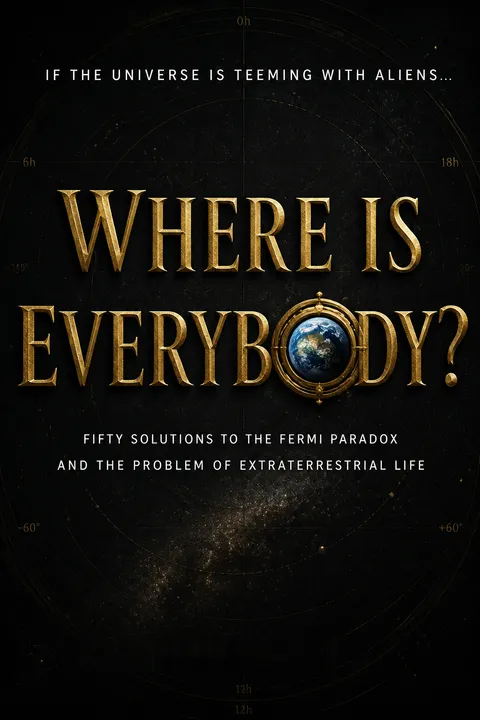
"अगर ब्रह्मांड में एलियंस की भरमार है... तो फिर सब लोग कहाँ हैं?" इस पुस्तक में फर्मी विरोधाभास को 75 संभावित समाधानों के माध्यम से समझाया गया है। पाठक वेब की इस किताब की व्यापकता और जटिल वैज्ञानिक अवधारणाओं को सरल भाषा में प्रस्तुत करने के तरीके की प्रशंसा करते हैं, हालांकि कुछ लोग इसे दोहरावपूर्ण भी पाते हैं। यह पुस्तक खगोल भौतिकी से लेकर जीवविज्ञान तक के विषयों को छूती है और विज्ञान कथा के संदर्भ भी देती है। जबकि कुछ आलोचक इसे पुरानी जानकारी और लेखक के पक्षपात के कारण नकारते हैं, कई लोग इसकी विचारोत्तेजक प्रकृति और बाह्यजीव जीवन के प्रति जिज्ञासा जगाने की क्षमता की सराहना करते हैं। कुल मिलाकर, यह उन लोगों के लिए एक रोचक पुस्तक मानी जाती है जो एलियन सभ्यताओं की संभावना और ब्रह्मांड के रहस्यों में रुचि रखते हैं।
अक्सर पूछे जाने वाले प्रश्न
1. What is If the Universe Is Teeming with Aliens ... WHERE IS EVERYBODY? by Stephen Webb about?
- Exploration of the Fermi Paradox: The book investigates the contradiction between the high probability of extraterrestrial civilizations and the lack of evidence for their existence, famously known as the Fermi paradox.
- Fifty Solutions Presented: Stephen Webb analyzes fifty possible scientific, philosophical, and sociological solutions to the paradox, offering a comprehensive overview of the debate.
- Interdisciplinary Approach: The book draws on astronomy, biology, physics, and anthropology to examine the conditions for life, the evolution of intelligence, and the challenges of interstellar communication.
- Implications for Humanity: Webb discusses what these ideas mean for our understanding of humanity’s place in the cosmos and our future.
2. Why should I read If the Universe Is Teeming with Aliens ... WHERE IS EVERYBODY? by Stephen Webb?
- In-Depth and Accessible: The book provides a detailed yet approachable exploration of one of science’s most profound questions, making it suitable for general readers.
- Balanced and Critical Perspective: Webb presents both optimistic and pessimistic viewpoints, encouraging readers to think critically about the evidence and uncertainties.
- Engaging and Well-Referenced: The text is filled with historical context, scientific explanations, and extensive notes for further study, making it both informative and thought-provoking.
- Broader Relevance: The book’s insights extend beyond astronomy, touching on philosophy, the future of humanity, and our search for meaning in the Universe.
3. What is the Fermi Paradox as explained in If the Universe Is Teeming with Aliens ... WHERE IS EVERYBODY? by Stephen Webb?
- Definition of the Paradox: The Fermi paradox highlights the contradiction between the high likelihood of extraterrestrial civilizations and the absence of observable evidence for them.
- Origin of the Question: Named after physicist Enrico Fermi, who famously asked, “Where is everybody?” in response to the apparent silence of the cosmos.
- Scientific Significance: The paradox challenges assumptions about the abundance of life and technological expansion, raising questions about our uniqueness and the nature of the Universe.
- Central Theme of the Book: Webb uses the paradox as the foundation for exploring a wide range of scientific and philosophical ideas.
4. Who was Enrico Fermi and why is the paradox named after him in Stephen Webb’s book?
- Fermi’s Scientific Legacy: Enrico Fermi was a pioneering physicist known for his work on nuclear reactions and for blending theory with experiment.
- Origin of the Paradox: The paradox is named after Fermi due to his famous 1950 question about the absence of extraterrestrial visitors, posed during a lunch conversation.
- Fermi Questions: Fermi was known for “Fermi questions,” which estimate quantities through rough approximations, such as the number of communicating civilizations.
- Influence on the Book: Webb uses Fermi’s logical approach as a model for analyzing the paradox and its possible solutions.
5. What are the three main classes of solutions to the Fermi Paradox in If the Universe Is Teeming with Aliens ... WHERE IS EVERYBODY? by Stephen Webb?
- Aliens Are or Were Here: This class includes ideas that extraterrestrials have visited Earth or the Solar System, or that we are descended from alien life (e.g., panspermia).
- Aliens Exist but Haven’t Communicated: These solutions suggest that extraterrestrials are out there but, for various reasons—distance, technology, or choice—we have not detected their signals or presence.
- Aliens Do Not Exist: This class argues that intelligent extraterrestrial life is extremely rare or unique to Earth, due to factors like the rarity of habitable planets or the difficulty of life’s emergence.
6. How does Stephen Webb use the Drake Equation in If the Universe Is Teeming with Aliens ... WHERE IS EVERYBODY??
- Purpose of the Equation: The Drake Equation estimates the number of communicating extraterrestrial civilizations in the Galaxy by multiplying several astrophysical and biological factors.
- Equation Components: Webb explains the equation as N = R × fp × ne × fl × fi × fc × L, where each term represents a key factor influencing the number of civilizations.
- Highlighting Uncertainties: Many of the equation’s factors are highly uncertain, but even optimistic values predict many civilizations, deepening the paradox.
- Framework for Discussion: The equation serves as a tool for structuring the debate and understanding where the biggest unknowns lie.
7. What is the "Sieve of Fermi" and how does it help explain the Fermi Paradox in Stephen Webb’s book?
- Conceptual Filtering Process: The "Sieve of Fermi" is an analogy to the Sieve of Eratosthenes, sequentially filtering out planets based on astrophysical, biological, and evolutionary criteria.
- Stepwise Reduction: Starting from all planets, the sieve removes those outside the galactic habitable zone, those orbiting unsuitable stars, those lacking habitable zones, those without life, and those where life fails to evolve intelligence or technology.
- Explains Rarity: After applying all filters, Webb suggests only Earth remains as a planet with intelligent, communicating life, providing a plausible resolution to the paradox.
- Integration of Multiple Factors: The sieve concept helps readers visualize how many hurdles must be overcome for intelligent life to arise.
8. What is the Galactic Habitable Zone (GHZ) and what role does it play in If the Universe Is Teeming with Aliens ... WHERE IS EVERYBODY??
- Definition of GHZ: The GHZ is an annular region in the Galaxy where conditions are favorable for life, balancing metallicity and protection from harmful radiation.
- Limiting Factor for Life: Only about 20% of stars lie within the GHZ, significantly reducing the number of stars that can host life-bearing planets.
- Part of the Sieve: The GHZ is one of the first filters in the "Sieve of Fermi," helping explain why, despite many stars, the number of planets suitable for complex life is much smaller.
- Implications for the Paradox: The concept supports the idea that the conditions for life are more restrictive than previously thought.
9. What are the key scientific and evolutionary hurdles for extraterrestrial life discussed in Stephen Webb’s book?
- Biological Evolution Timescales: The book explores how the development of life, from simple microbes to intelligent beings, involves many slow and improbable steps.
- Prokaryote-Eukaryote Transition: The transition from simple to complex cells is highlighted as a major evolutionary bottleneck.
- Development of Intelligence and Language: Webb discusses the rarity of toolmaking, intelligence, and especially complex language, which may be unique to humans.
- Astrobiological Challenges: Factors like the need for a stable environment, protective ozone layers, and the cosmic production of carbon are also considered significant hurdles.
10. What dangers in the galaxy and planetary systems might prevent the development or survival of extraterrestrial civilizations according to Stephen Webb?
- Cosmic Catastrophes: Events such as supernovae, gamma-ray bursts, and active galactic nuclei can sterilize planets or cause mass extinctions.
- Planetary Hazards: Meteorite impacts, super-volcanoes, and unstable planetary orbits can disrupt or prevent the evolution of complex life.
- Environmental and Geological Factors: The presence of plate tectonics and a large stabilizing moon may be crucial for maintaining stable climates and magnetic fields.
- Resetting Evolutionary Progress: These dangers can repeatedly reset or halt the development of intelligent life, contributing to the silence we observe.
11. What are some of the most plausible solutions to the Fermi Paradox according to Stephen Webb in If the Universe Is Teeming with Aliens ... WHERE IS EVERYBODY??
- They Exist but Are Silent: Advanced civilizations may be signaling in ways we do not recognize, or at frequencies we have not yet searched, or may choose not to communicate.
- They Haven’t Had Time to Reach Us: The vast distances and timescales involved in interstellar travel and colonization may mean no civilization has yet arrived or contacted us.
- We Are Alone or Nearly Alone: The combination of astrophysical, biological, and sociological filters may make Earth uniquely suited for intelligent life, possibly making us the first or only such civilization in the Galaxy.
- Multiple Filters at Work: Webb emphasizes that no single factor explains the paradox, but rather a combination of many unlikely steps and dangers.
12. What is Stephen Webb’s personal conclusion or resolution to the Fermi Paradox in If the Universe Is Teeming with Aliens ... WHERE IS EVERYBODY??
- We Are Likely Alone: Webb concludes that Earth is probably unique in hosting intelligent, technological life due to the combined effect of many rare and improbable factors.
- No Single Explanation: The rarity arises from multiple filters, including the genesis of life, the prokaryote-eukaryote transition, and the evolution of intelligence, language, and science.
- A Sober but Hopeful View: While the Universe may be silent now, Webb encourages humanity to appreciate our uniqueness and to strive for exploration and communication.
- Responsibility and Opportunity: The conclusion highlights the profound responsibility and opportunity humanity has as possibly the only intelligent, technological species in the Galaxy.
PDF डाउनलोड करें
EPUB डाउनलोड करें
.epub digital book format is ideal for reading ebooks on phones, tablets, and e-readers.








































