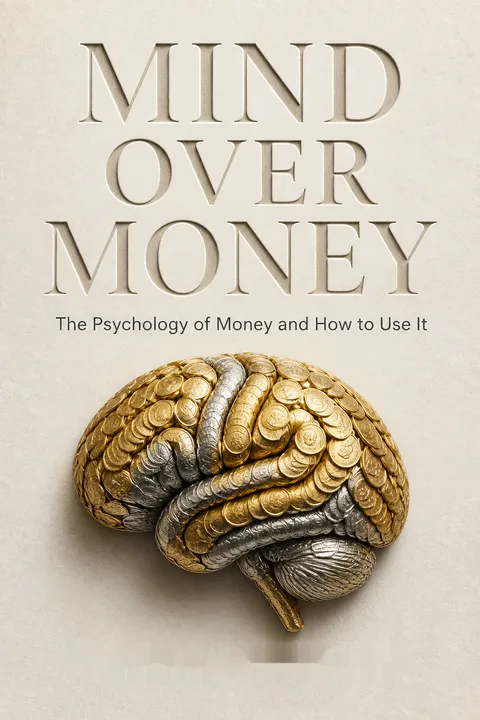

मुख्य बातें
1. पैसा हमारे मनोवैज्ञानिक परिदृश्य में एक दवा और एक उपकरण दोनों की तरह काम करता है
पैसा दवा की तरह काम करता है, रासायनिक रूप से नहीं, बल्कि मनोवैज्ञानिक रूप से।
तंत्रिका तंत्र का पुरस्कार प्रणाली। जब लोगों को पैसा या पैसे का प्रतिनिधित्व करने वाले वाउचर दिए जाते हैं, तो उनके मस्तिष्क के लिम्बिक सिस्टम से डोपामाइन निकलता है, जो स्वादिष्ट भोजन या नशे की वस्तुओं के प्रति प्रतिक्रिया के समान होता है। यह प्रतिक्रिया इस तथ्य के बावजूद होती है कि पैसा एक अमूर्त अवधारणा है जिसका तत्काल उपभोग्य मूल्य नहीं होता।
पैसे की द्वैत प्रकृति। जबकि पैसा मनोवैज्ञानिक उत्तेजक के रूप में काम कर सकता है, यह लक्ष्यों को प्राप्त करने और आवश्यकताओं को पूरा करने के लिए एक व्यावहारिक उपकरण भी है। यह द्वैतता हमारे पैसे के साथ जटिल संबंध को प्रभावित करती है, जो हमारे दृष्टिकोण, भावनाओं और व्यवहारों को कभी-कभी विरोधाभासी तरीकों से प्रभावित करती है।
- पैसा एक दवा के रूप में: डोपामाइन रिलीज करता है, सुख और इच्छा उत्पन्न करता है
- पैसा एक उपकरण के रूप में: लक्ष्य प्राप्ति में मदद करता है, सुरक्षा और विकल्प प्रदान करता है
2. भौतिक रूप में पैसे के प्रति हमारी लगाव वित्तीय निर्णयों को प्रभावित करता है
पहले हम £50 के नोटों को एक-एक करके निकालते हैं, उन्हें आग में आराम से डालते हैं, जैसे कि वे बतखों को रोटी फेंक रहे हों।
भौतिक पैसे से लगाव। लोग अक्सर सिक्कों और नोटों जैसे मूर्त रूपों के प्रति गहरा भावनात्मक जुड़ाव महसूस करते हैं। यह लगाव वित्तीय निर्णयों और व्यवहारों को प्रभावित कर सकता है, कभी-कभी तर्कहीन रूप से।
खर्च करने की आदतों पर प्रभाव। शोध से पता चलता है कि लोग नकद के मुकाबले क्रेडिट कार्ड या डिजिटल भुगतान का उपयोग करते समय अधिक स्वतंत्रता से खर्च करते हैं। पैसे सौंपने की भौतिक क्रिया नुकसान की भावना को मजबूत करती है, जिससे खर्च में सावधानी आती है।
- नकद खर्च अधिक संयमित होता है
- क्रेडिट कार्ड का उपयोग अधिक खर्च और बड़े टिप्स की ओर ले जाता है
- डिजिटल भुगतान हमें हमारे खर्च की वास्तविकता से अलग कर सकता है
3. मानसिक लेखांकन यह निर्धारित करता है कि हम पैसे के विभिन्न स्रोतों को कैसे देखते और उपयोग करते हैं
हम अपने पैसे के विभिन्न हिस्सों को अलग-अलग गुण और उद्देश्य देते हैं।
मनोवैज्ञानिक पैसे के थैले। लोग अक्सर पैसे को उसके स्रोत या उपयोग के आधार पर अलग-अलग मानसिक खातों में बाँटते हैं, जैसे "खर्च करने के पैसे," "बचत," या "अचानक प्राप्त धन।" यह वर्गीकरण तर्कहीन वित्तीय निर्णयों को जन्म दे सकता है।
असंगत मूल्यांकन। मानसिक लेखांकन के कारण, हम वस्तुनिष्ठ रूप से समान राशि के पैसों को अलग-अलग तरीके से मानते हैं। उदाहरण के लिए, टैक्स रिफंड को "मुफ्त पैसा" समझकर बेपरवाही से खर्च किया जा सकता है, जबकि नियमित आय के समान राशि को सावधानी से बजट किया जाता है।
- मानसिक खाते हो सकते हैं: दैनिक आवश्यकताएं, विलासिता, शिक्षा, सुरक्षा, मनोरंजन
- लोग अक्सर मानसिक खातों के बीच पैसे स्थानांतरित करने से बचते हैं, भले ही यह वित्तीय रूप से लाभकारी हो
- मानसिक लेखांकन प्रभावी धन प्रबंधन में मदद और बाधा दोनों बन सकता है
4. नुकसान से बचाव हमारी वित्तीय व्यवहार को संभावित लाभों से अधिक प्रभावित करता है
हम सभी जीतने का मौका पसंद करते हैं, लेकिन हारने से बचने के लिए अधिक प्रयास करते हैं।
मनोवैज्ञानिक प्रभाव। शोध लगातार दिखाता है कि पैसे खोने का दर्द पैसे जीतने की खुशी से लगभग दोगुना अधिक होता है। इस सिद्धांत को नुकसान से बचाव कहा जाता है, जो वित्तीय निर्णयों को गहराई से प्रभावित करता है।
वास्तविक जीवन में उपयोग। नुकसान से बचाव कई सामान्य वित्तीय व्यवहारों को समझाता है, जैसे नुकसान में निवेश बेचने से हिचकिचाहट और लॉयल्टी प्रोग्रामों की प्रभावशीलता, जो उपयोग न करने को लाभों के नुकसान के रूप में प्रस्तुत करते हैं।
- लोग अक्सर $150 जीतने के मौके से ज्यादा $100 हारने से बचना पसंद करते हैं
- नुकसान से बचाव निवेश में जोखिम-रहित व्यवहार को जन्म दे सकता है
- विपणन रणनीतियाँ अक्सर नुकसान से बचाव का फायदा उठाती हैं (जैसे "मौका न गवाएं!" प्रचार)
5. अमीर लोग जरूरी नहीं कि अधिक स्वार्थी हों, लेकिन धन सामाजिक व्यवहार को प्रभावित कर सकता है
जो लोग सफल होते हैं, वे मितव्ययी होते हैं।
धन और उदारता। धन और उदारता के बीच संबंध पर शोध मिश्रित परिणाम दिखाता है। कुछ अध्ययनों के अनुसार, अमीर लोग अपनी आय का कम हिस्सा दान करते हैं, जबकि अन्य अध्ययनों में आय स्तरों के बीच उदारता में कोई महत्वपूर्ण अंतर नहीं पाया गया।
धन के मनोवैज्ञानिक प्रभाव। पैसा होने से आत्मनिर्भरता की भावना बढ़ सकती है और दूसरों पर निर्भरता कम हो सकती है, जिससे सहानुभूति और सामाजिक जागरूकता में कमी आ सकती है। हालांकि, ये प्रभाव सार्वभौमिक नहीं हैं और जागरूक प्रयास से इन्हें कम किया जा सकता है।
- कुछ अध्ययन दिखाते हैं कि अमीर लोग पैदल यात्रियों के लिए रुकने या दूसरों की मदद करने की संभावना कम रखते हैं
- अन्य शोध में आय स्तरों के बीच दान देने में कोई महत्वपूर्ण अंतर नहीं पाया गया
- धन स्वतंत्रता की भावना बढ़ा सकता है और सामाजिक जुड़ाव की आवश्यकता को कम कर सकता है
6. गरीबी संज्ञानात्मक कार्य और निर्णय लेने की क्षमता को प्रभावित करती है
समस्या यह नहीं है कि दो लोगों के पास एक मिलियन पाउंड था और फिर नहीं था। समस्या यह है कि इस विशाल राशि से कुछ भी नहीं निकला।
गरीबी का संज्ञानात्मक भार। वित्तीय कमी मानसिक संसाधनों को खपत करती है, जिससे अन्य संज्ञानात्मक कार्यों के लिए "बैंडविड्थ" कम हो जाती है। इससे विशेष रूप से दीर्घकालिक वित्तीय योजना में खराब निर्णय हो सकते हैं।
गरीबी का चक्र। गरीबी का संज्ञानात्मक तनाव ऐसे निर्णयों को जन्म देता है जो वित्तीय कठिनाइयों को बनाए रखते हैं, जिससे एक आत्म-प्रबलित चक्र बनता है। यह समझ गरीबी को केवल खराब निर्णयों का परिणाम मानने वाले सरल विचारों को चुनौती देती है।
- अध्ययन दिखाते हैं कि गरीबी अस्थायी रूप से IQ को 13 अंक तक कम कर सकती है
- वित्तीय तनाव अल्पकालिक सोच और भविष्य की योजना बनाने में कठिनाई पैदा कर सकता है
- गरीबी के संज्ञानात्मक प्रभाव को संबोधित करना गरीबी के चक्र को तोड़ने की कुंजी हो सकता है
7. अनुभवों पर खर्च करने से भौतिक वस्तुओं की तुलना में अधिक स्थायी खुशी मिलती है
यदि आप अच्छी जिंदगी चाहते हैं, तो अपने पैसे चीजों पर नहीं, अनुभवों पर खर्च करें।
सुख की अनुकूलता। लोग नई भौतिक वस्तुओं के लिए जल्दी अनुकूल हो जाते हैं, जिससे उनकी दीर्घकालिक खुशी पर प्रभाव कम हो जाता है। वहीं, अनुभव हमारे व्यक्तित्व का हिस्सा बन जाते हैं और स्थायी यादें और कहानियाँ प्रदान करते हैं।
सामाजिक जुड़ाव। अनुभव अक्सर सामाजिक बातचीत से जुड़े होते हैं, जो खुशी का एक महत्वपूर्ण कारक है। ये आमतौर पर अधिक अनोखे होते हैं और दूसरों की वस्तुओं से तुलना में कम असंतोषजनक होते हैं।
- भौतिक खरीदारी: प्रारंभिक उत्साह जल्दी फीका पड़ जाता है
- अनुभवात्मक खरीदारी: स्थायी यादें और कहानियाँ प्रदान करती है
- अनुभव की प्रत्याशा भी अनुभव जितनी ही आनंददायक हो सकती है
- नकारात्मक अनुभव समय के साथ सकारात्मक यादों में बदल सकते हैं
समीक्षा सारांश
मनी पर मन का प्रभाव धन की मनोविज्ञान को अनेक अध्ययनों और प्रयोगों के माध्यम से समझाने का प्रयास करता है। पाठकों ने इसे ज्ञानवर्धक पाया, हालांकि कभी-कभी शोध की विस्तृत जानकारी से थोड़ा बोझिल भी महसूस किया। कई लोगों ने वित्तीय व्यवहार के पीछे छिपी मानवीय प्रवृत्तियों को समझने की सराहना की, जबकि कुछ ने अधिक व्यावहारिक सुझावों की अपेक्षा जताई। यह पुस्तक मानसिक लेखांकन, हानि से बचाव की प्रवृत्ति और गरीबी के निर्णय लेने पर पड़ने वाले प्रभाव जैसे विषयों को समेटे हुए है। जहाँ कुछ पाठकों को यह रोचक और विचारोत्तेजक लगा, वहीं कुछ ने इसे एकजुटता और स्पष्ट निष्कर्षों की कमी भी महसूस की। कुल मिलाकर, यह हमारे धन के साथ जटिल संबंधों की एक दिलचस्प झलक प्रस्तुत करती है, भले ही यह हमेशा व्यावहारिक उपयोगिता पर खरा न उतर पाए।
लोग यह भी पढ़ते हैं









अक्सर पूछे जाने वाले प्रश्न
What's Mind Over Money about?
- Explores psychology of money: Mind Over Money by Claudia Hammond examines how our psychological relationship with money influences our behavior, decisions, and emotions.
- Focus on human behavior: The book investigates psychological concepts like loss aversion and mental accounting to explain irrational financial decisions.
- Practical applications: Hammond provides strategies for gaining control over financial decisions, promoting a healthier relationship with money.
Why should I read Mind Over Money?
- Gain financial insight: The book offers a unique perspective on money, helping readers understand psychological factors driving financial behaviors.
- Applicable to everyday life: Concepts are relevant to anyone, making it valuable for a broad audience to improve financial decision-making.
- Engaging storytelling: Real-life examples and research studies make the book both informative and enjoyable.
What are the key takeaways of Mind Over Money?
- Money as a psychological construct: Money is not just physical but a mental construct we invest with meaning and value.
- Loss aversion principle: We fear losing money more than we enjoy gaining it, leading to irrational decision-making.
- Mental accounting: How we categorize money influences spending behavior, leading to inconsistencies in valuing money.
What is loss aversion, as defined in Mind Over Money?
- Fear of losing more: Loss aversion is the phenomenon where losing money feels more painful than gaining the same amount feels pleasurable.
- Impact on decision-making: It can lead individuals to avoid risks, even when potential gains outweigh losses.
- Real-life examples: The book illustrates loss aversion's influence through examples like reactions to late deliveries or financial losses.
What is mental accounting in Mind Over Money?
- Categorizing money: Mental accounting involves categorizing and evaluating financial resources based on subjective criteria.
- Influence on spending: People treat money differently based on its source, affecting their willingness to spend.
- Practical implications: Recognizing mental accounting helps manage finances more effectively, ensuring rational decisions.
How does Mind Over Money explain the endowment effect?
- Value of ownership: The endowment effect is the tendency to assign greater value to items we own compared to those we don't.
- Psychological attachment: Emotional attachment to possessions can cloud judgment regarding their true market value.
- Real-world examples: Examples illustrate the endowment effect's impact on financial decisions, helping individuals make more objective choices.
What are some practical tips from Mind Over Money?
- Be aware of biases: Recognize psychological biases like loss aversion and the endowment effect when making financial decisions.
- Use mental accounting wisely: Manage mental accounts consciously to ensure rational financial choices.
- Focus on experiences over possessions: Spending on experiences rather than material goods tends to bring more lasting happiness.
How does Mind Over Money relate to financial decision-making?
- Understanding psychological influences: Insights into psychological factors like biases and mental accounting affect financial decisions.
- Encouraging rational choices: Concepts like loss aversion and the endowment effect highlight the importance of rational financial choices.
- Practical applications: Lessons can be applied to everyday financial situations, empowering readers to take control of their finances.
What are some specific concepts discussed in Mind Over Money?
- Temporal Construal Theory: Explains how time perception affects financial decisions, influencing saving behavior.
- Tainted Altruism: Discusses skepticism about charitable actions when motives are questioned.
- Hyperbolic Discounting: Describes preference for immediate rewards over larger, delayed ones, affecting saving behavior.
How does Mind Over Money address the relationship between poverty and decision-making?
- Cognitive Load of Poverty: Financial scarcity can impair cognitive function, making sound decisions harder.
- Impact on Self-Control: Poverty can lead to impulsive decision-making, prioritizing immediate needs over future savings.
- Need for Supportive Structures: Advocates for systems that help individuals in poverty save and manage finances better.
What strategies does Mind Over Money suggest for improving saving habits?
- Commitment Devices: Use savings accounts that restrict access to funds to help save more effectively.
- Setting Clear Goals: Specific savings goals can motivate individuals to save, enhancing commitment.
- Simplifying Savings: Fewer accounts and straightforward goals make it easier to track progress and stay motivated.
What are the best quotes from Mind Over Money and what do they mean?
- “Money is a mental construct.” Highlights the importance of understanding psychological aspects of money.
- “We fear losing money more than we enjoy gaining it.” Reflects loss aversion, emphasizing mindfulness in financial choices.
- “The way we use money can lead to a good life or a bad one.” Underscores the complex impact of money on well-being, encouraging a healthier mindset.
लेखक के बारे में




PDF डाउनलोड करें
EPUB डाउनलोड करें
.epub digital book format is ideal for reading ebooks on phones, tablets, and e-readers.








































