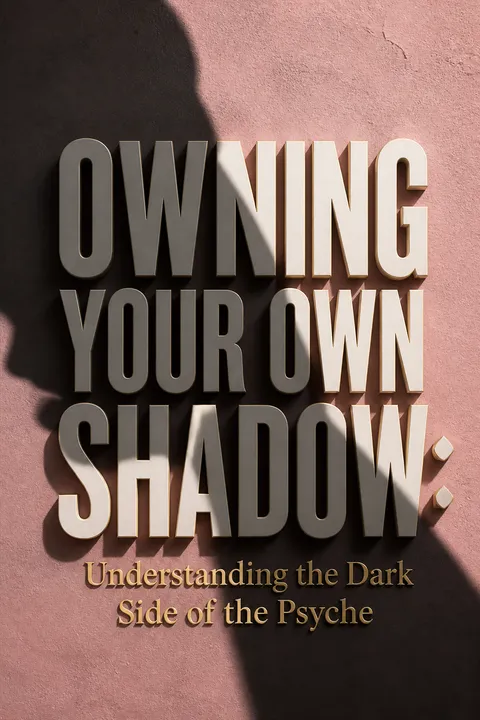

मुख्य बातें
1. छाया: हमारा छिपा हुआ स्व और उसकी महत्वपूर्ण भूमिका
छाया वह हिस्सा है जिसे हम देख नहीं पाते या जान नहीं पाते।
छाया की परिभाषा। छाया हमारे व्यक्तित्व के उन पहलुओं का प्रतिनिधित्व करती है जिन्हें हमने दबा दिया है, अनदेखा किया है या अस्वीकार कर दिया है। यह सामाजिक मानदंडों और अपेक्षाओं के अनुरूप बनने की हमारी आवश्यकता से उत्पन्न होती है, जिसके कारण हम कुछ ऐसे गुणों को दबा देते हैं जिन्हें अस्वीकार्य माना जाता है। सभ्य व्यवहार के लिए यह छाया बनाना आवश्यक है, लेकिन इसके साथ एक कीमत भी जुड़ी होती है।
प्रभाव और महत्व। छाया, भले ही छिपी हुई हो, हमारी मानसिकता में एक शक्तिशाली ताकत बनी रहती है। जब इसे अनदेखा किया जाता है, तो यह अप्रत्याशित विस्फोट, अवसाद या दुर्घटनाओं के रूप में प्रकट हो सकती है। विरोधाभासी रूप से, छाया में वे सकारात्मक गुण भी होते हैं जिन्हें हम अपने बारे में स्वीकार करने में कठिनाई महसूस करते हैं। अपनी छाया को पहचानना और उसे आत्मसात करना व्यक्तिगत विकास और आध्यात्मिक उन्नति के लिए अत्यंत आवश्यक है।
- छाया की उत्पत्ति: बचपन की सामाजिकता, सांस्कृतिक मानदंड
- छाया की सामग्री: दबे हुए इच्छाएं, अनदेखे प्रतिभाएं, स्वयं के भयभीत पहलू
- प्रकट होना: अप्रत्याशित व्यवहार, दूसरों पर प्रक्षेपण, मनोवैज्ञानिक लक्षण
- छाया कार्य के लाभ: आत्म-जागरूकता में वृद्धि, व्यक्तिगत विकास, आध्यात्मिक उन्नति
2. प्रकाश और अंधकार का संतुलन: पूर्णता की आवश्यकता
प्रकाश बनाने का अर्थ है छाया बनाना; एक के बिना दूसरा संभव नहीं।
झूला का उदाहरण। हमारे व्यक्तित्व को एक झूले के रूप में देखा जा सकता है, जिसमें एक ओर हमारे स्वीकार किए गए गुण होते हैं और दूसरी ओर हमारी छाया। यह संतुलन मानसिक स्थिरता के लिए अत्यंत महत्वपूर्ण है। जब हम एक ओर के गुणों में लिप्त होते हैं, तो हमें संतुलन बनाए रखने के लिए दूसरी ओर समान वजन देना होता है।
पूर्णता प्राप्त करना। सच्ची पूर्णता का अर्थ है अपने व्यक्तित्व के दोनों, प्रकाश और अंधकार, पहलुओं को स्वीकार करना और उन्हें एकीकृत करना। यह एक अधिक प्रामाणिक और संतुलित स्व के लिए मार्ग प्रशस्त करता है। इसका मतलब छाया को समाप्त करना नहीं, बल्कि उसे सचेत रूप से इस तरह से अपनाना है जो विकास और आत्म-समझ को बढ़ावा दे।
- झूला मॉडल: स्वीकार किए गए गुण बनाम छाया के गुण
- संतुलन का महत्व: मानसिक स्थिरता, प्रामाणिकता
- एकीकरण प्रक्रिया: छाया को स्वीकारना, सचेत सहभागिता
- पूर्णता के लाभ: आत्म-जागरूकता में वृद्धि, व्यक्तिगत विकास, आध्यात्मिक उन्नति
3. रोमांटिक प्रेम के रूप में छाया का प्रक्षेपण: दूसरों में दिव्यता
प्रेम में पड़ना अपने अस्तित्व के सबसे महान और अनमोल हिस्से को किसी अन्य व्यक्ति पर प्रक्षेपित करना है।
रोमांटिक प्रेम की प्रकृति। प्रेम में पड़ना अक्सर हमारे अपने दिव्य गुणों को किसी अन्य व्यक्ति पर प्रक्षेपित करने जैसा होता है। यह प्रक्षेपण एक तीव्र, लगभग धार्मिक अनुभव उत्पन्न कर सकता है, जहाँ हम दूसरे व्यक्ति को सब कुछ पवित्र और महान का वाहक मानते हैं।
चुनौतियाँ और विकास। यह प्रक्षेपण एक शक्तिशाली भावनात्मक अनुभव तो बना सकता है, लेकिन जब वास्तविकता हमारे आदर्शीकृत दृष्टिकोण से मेल नहीं खाती, तो यह मोहभंग का कारण भी बन सकता है। चुनौती यह है कि हम इस प्रक्षेपण को पहचानें, उसे वापस लें, और एक अधिक यथार्थवादी और परिपक्व प्रेम विकसित करें जो दूसरे व्यक्ति को उनकी सच्चाई के साथ देखे और स्वीकार करे।
- रोमांटिक प्रेम के रूप में छाया प्रक्षेपण: दूसरों में दिव्यता देखना
- प्रेम के चरण: प्रक्षेपण, मोहभंग, परिपक्व प्रेम
- चुनौतियाँ: अवास्तविक अपेक्षाएँ, वास्तविकता को स्वीकारने में कठिनाई
- विकास का अवसर: अधिक प्रामाणिक संबंध विकसित करना, आत्म-समझ
4. विरोधाभास की शक्ति: जीवन की विरोधाभासों को अपनाना
अपनी उलझन को सहना ही उपचार की पहली सीढ़ी है।
विरोधाभास को समझना। विरोधाभास का अर्थ है दो प्रतीत होने वाले विरोधी विचारों या अनुभवों को एक साथ धारण करने की क्षमता। यह दुनिया को देखने का एक अधिक परिपक्व और सूक्ष्म तरीका है, जो काले-से-सफेद सोच से परे है।
विकास के लिए विरोधाभास को अपनाना। विरोधाभास को अपनाने से गहरा व्यक्तिगत और आध्यात्मिक विकास हो सकता है। यह हमें सरल या/या सोच से ऊपर उठने और जीवन की जटिलता की सराहना करने में मदद करता है। यह दृष्टिकोण आंतरिक संघर्षों को सुलझाने और एक अधिक समेकित स्व की अनुभूति प्रदान कर सकता है।
- विरोधाभास की परिभाषा: विरोधी विचारों को एक साथ रखना
- विरोधाभास को अपनाने के लाभ: आंतरिक संघर्षों का समाधान, आध्यात्मिक विकास
- विरोधाभास के उदाहरण: प्रेम और शक्ति, स्वतंत्रता और जिम्मेदारी
- विरोधाभास के साथ काम करने की तकनीकें: ध्यान, चिंतन, संवाद
5. मंडोरला: विरोधाभासों के मेल से उपचार
मंडोरला उस चीज़ को जोड़ती है जो टूटी हुई और अधूरी—अपवित्र—हो गई थी।
मंडोरला का प्रतीक। मंडोरला, दो वृत्तों के ओवरलैप से बनने वाला बादाम के आकार का क्षेत्र, विरोधाभासों के मेल का प्रतीक है। यह वह स्थान दर्शाता है जहाँ विरोधी तत्व सह-अस्तित्व और एकीकरण कर सकते हैं।
एकीकरण के माध्यम से उपचार। मंडोरला मनोवैज्ञानिक और आध्यात्मिक उपचार के लिए एक शक्तिशाली रूपक प्रदान करता है। अपने विरोधी पहलुओं को सामंजस्य में लाकर हम पूर्णता और आंतरिक शांति की अनुभूति प्राप्त कर सकते हैं।
- मंडोरला की परिभाषा: दो वृत्तों का बादाम के आकार में ओवरलैप
- प्रतीकात्मक अर्थ: विरोधाभासों का मेल, एकीकरण
- अनुप्रयोग: मनोवैज्ञानिक उपचार, आध्यात्मिक विकास
- कला और संस्कृति में उदाहरण: मध्यकालीन ईसाई कला, मंडला जैसे प्रतीक
6. भाषा एक एकीकृत शक्ति के रूप में: शब्दों की उपचारात्मक शक्ति
सारी भाषा एक मंडोरला है; एक सुव्यवस्थित वाक्य इसी प्रकृति का होता है।
भाषा के रूप में एकीकरण। भाषा, विशेषकर सुव्यवस्थित वाक्य, हमारे अनुभव के विभिन्न तत्वों को जोड़ने वाली एक एकीकृत शक्ति के रूप में कार्य कर सकती है। भाषा की यह एकीकृत भूमिका हमारी मानसिकता पर उपचारात्मक प्रभाव डाल सकती है।
क्रियाओं की शक्ति। क्रियाएं, विशेषकर "होना" क्रिया, इस एकीकरण प्रक्रिया में महत्वपूर्ण भूमिका निभाती हैं। वे संबंध बनाती हैं और पहचान स्थापित करती हैं, जिससे हमारी समझ और अनुभव के बीच की खाई पाटती है।
- भाषा एक एकीकृत शक्ति के रूप में: विभिन्न तत्वों को जोड़ना
- वाक्य संरचना की भूमिका: सामंजस्य और अर्थ बनाना
- क्रियाओं का महत्व: संबंध और पहचान स्थापित करना
- भाषा के माध्यम से उपचार: वार्तालाप चिकित्सा, डायरी लेखन, कहानी कहने
7. मध्यजीवन और छाया का एकीकरण: आध्यात्मिक विकास का मार्ग
मध्यजीवन तक सांस्कृतिक प्रक्रिया लगभग पूरी हो चुकी होती है—और बहुत सूखी। ऐसा लगता है जैसे हमने अपने चरित्र से सारी ऊर्जा निकाल ली हो और इस बिंदु पर छाया की ऊर्जा बहुत अधिक होती है।
मध्यजीवन की चुनौतियाँ। मध्यजीवन अक्सर एक संकट लेकर आता है जब हमारे पूर्व वर्षों का सावधानीपूर्वक निर्मित व्यक्तित्व संकुचित महसूस होने लगता है। यह अवधि छाया के तत्वों के प्रबल उदय से चिह्नित हो सकती है, जो संभावित उथल-पुथल के साथ-साथ विकास के अवसर भी प्रदान करती है।
एकीकरण और नवीनीकरण। इस अवधि को सफलतापूर्वक पार करने के लिए हमें अपने छाया पहलुओं के साथ सचेत रूप से जुड़ना होता है। यह प्रक्रिया ऊर्जा, रचनात्मकता और प्रामाणिकता की गहरी अनुभूति का नवीनीकरण कर सकती है। इसमें अक्सर हमारे मूल्यों, संबंधों और जीवन दिशा का पुनर्मूल्यांकन शामिल होता है।
- मध्यजीवन संकट: छाया तत्वों का उदय, संकुचित महसूस करना
- विकास के अवसर: आत्म-चिंतन, जीवन विकल्पों का पुनर्मूल्यांकन
- एकीकरण प्रक्रिया: छाया पहलुओं को स्वीकारना, सचेत सहभागिता
- परिणाम: ऊर्जा का नवीनीकरण, रचनात्मकता में वृद्धि, अधिक प्रामाणिकता
समीक्षा सारांश
अपने छायादार पक्ष को अपनाना जंग के छाया स्व की अवधारणा की गहराई से पड़ताल करता है, जिसमें अपने अंधकारमय पक्ष को स्वीकार कर उसे अपने व्यक्तित्व में समाहित करने की महत्ता पर ज़ोर दिया गया है। पाठक जॉनसन की सरल और सहज भाषा शैली की सराहना करते हैं, साथ ही उनके विरोधाभास और आध्यात्मिक विकास पर दिए गए सूक्ष्म विचारों को भी महत्वपूर्ण मानते हैं। कई लोग इस पुस्तक को सोचने पर मजबूर करने वाली और व्यक्तिगत विकास के लिए उपयोगी पाते हैं। हालांकि, कुछ आलोचक इसे व्यावहारिक सलाहों की कमी और धार्मिक संदर्भों पर अत्यधिक निर्भरता के कारण कमतर आंकते हैं। कुछ पाठकों के लिए यह एक मूल्यवान संदर्भ है, तो कुछ इसे अत्यंत सरलीकृत या उलझन भरा भी मानते हैं। कुल मिलाकर, यह पुस्तक मिली-जुली प्रतिक्रियाएँ प्राप्त करती है, लेकिन आमतौर पर इसे छाया कार्य की एक संक्षिप्त परिचयात्मक कृति के रूप में देखा जाता है।
लोग यह भी पढ़ते हैं








अक्सर पूछे जाने वाले प्रश्न
What's "Owning Your Own Shadow" about?
- Exploration of the Shadow: The book delves into the concept of the shadow, a part of the psyche that contains the aspects of ourselves we reject or deny.
- Integration of the Shadow: It emphasizes the importance of acknowledging and integrating the shadow to achieve personal wholeness and spiritual growth.
- Cultural and Personal Impact: Johnson discusses how the shadow affects both individual lives and broader cultural dynamics.
- Spiritual Discipline: The book presents the integration of the shadow as a profound spiritual discipline necessary for personal development.
Why should I read "Owning Your Own Shadow"?
- Self-Understanding: It offers insights into understanding the hidden parts of your personality and how they influence your behavior.
- Personal Growth: The book provides guidance on how to integrate these aspects for personal and spiritual growth.
- Cultural Relevance: Johnson's exploration of the shadow is relevant to understanding societal issues and conflicts.
- Practical Advice: It includes practical advice on how to work with your shadow in everyday life.
What are the key takeaways of "Owning Your Own Shadow"?
- Shadow's Origin: The shadow is formed by the traits and desires we reject due to societal and cultural conditioning.
- Integration is Essential: Integrating the shadow is crucial for achieving personal wholeness and avoiding psychological imbalance.
- Cultural Shadows: Different cultures have varying shadows, which can lead to misunderstandings and conflicts.
- Spiritual Wholeness: Embracing the shadow is a path to spiritual wholeness and enlightenment.
What is the shadow according to Robert A. Johnson?
- Definition: The shadow is the part of the psyche that contains the traits and desires we reject or deny.
- Formation: It forms early in life as we learn to conform to societal norms and expectations.
- Energy Potential: The shadow holds significant energy, which can manifest as rage, depression, or creativity if not integrated.
- Cultural Influence: Different cultures have different shadows, affecting how individuals within those cultures behave.
How does "Owning Your Own Shadow" explain the concept of romantic love as shadow?
- Projection of Divinity: Falling in love involves projecting our idealized image of divinity onto another person.
- Temporary Experience: This projection is temporary and often leads to disillusionment when reality sets in.
- Path to Growth: Recognizing and integrating this projection can lead to more mature and stable relationships.
- Cultural Shift: The book discusses how romantic love became a powerful force in Western culture, starting in the twelfth century.
What is the mandorla, and how is it used in "Owning Your Own Shadow"?
- Definition: The mandorla is an almond-shaped overlap of two circles, symbolizing the reconciliation of opposites.
- Healing Symbol: It represents the healing of the split between opposing forces, such as heaven and earth.
- Cultural Significance: The mandorla is used in Christian art to depict the overlap of divine and human realms.
- Practical Application: Johnson suggests using the mandorla as a tool for personal healing and integration of the shadow.
How does Robert A. Johnson suggest balancing culture and shadow?
- Cultural Process: Culture demands we live out only part of our nature, creating a shadow with the rest.
- Balance is Key: Maintaining a balance between the ego and shadow is crucial for psychological health.
- Symbolic Acts: Engaging in symbolic acts or rituals can help balance the shadow without causing harm.
- Personal Responsibility: Individuals must take responsibility for their shadow to prevent projecting it onto others.
What role does paradox play in "Owning Your Own Shadow"?
- Embracing Paradox: Paradox is seen as a source of spiritual insight and growth, allowing for the coexistence of opposites.
- Beyond Contradiction: Moving from contradiction to paradox involves accepting and integrating opposing forces.
- Religious Experience: Paradox is central to religious experience, offering a path to unity and enlightenment.
- Practical Exercise: Johnson encourages readers to list their personal contradictions and work towards embracing them as paradoxes.
What are the best quotes from "Owning Your Own Shadow" and what do they mean?
- "To own one's own shadow is to reach a holy place—an inner center—not attainable in any other way." This quote emphasizes the spiritual significance of integrating the shadow.
- "The balance of light and dark is ultimately possible—and bearable." It highlights the necessity of balancing opposing forces within oneself.
- "The mandorla binds together that which was torn apart and made unwhole—unholy." This illustrates the healing power of the mandorla in reconciling opposites.
- "To suffer one's confusion is the first step in healing." This suggests that embracing confusion and paradox is essential for personal growth.
How does "Owning Your Own Shadow" address the projection of the shadow?
- Projection Mechanism: The shadow is often projected onto others, leading to misunderstandings and conflicts.
- Cultural Projections: Societies project their collective shadows onto other groups, causing large-scale conflicts.
- Personal Responsibility: Individuals must recognize and reclaim their projections to achieve personal wholeness.
- Healing Relationships: Understanding and integrating projections can lead to healthier and more authentic relationships.
What is the significance of the shadow in middle age according to Robert A. Johnson?
- Midlife Crisis: Middle age often brings a crisis as the shadow demands recognition and integration.
- New Vitality: Integrating the shadow can lead to renewed energy and creativity in the second half of life.
- Dangerous Moments: Failure to integrate the shadow can result in destructive behavior or depression.
- Opportunity for Growth: Middle age is an opportunity to embrace the shadow and achieve personal wholeness.
How does "Owning Your Own Shadow" relate to modern societal issues?
- Collective Shadow: The book discusses how societal issues like war and racism are manifestations of the collective shadow.
- Cultural Differences: Different cultures have different shadows, leading to misunderstandings and conflicts.
- Personal Responsibility: Individuals can contribute to societal healing by integrating their personal shadows.
- Path to Peace: Johnson suggests that personal shadow work is essential for achieving peace and harmony in society.
लेखक के बारे में
अन्य किताबें — रॉबर्ट ए. जॉनसन




PDF डाउनलोड करें
EPUB डाउनलोड करें
.epub digital book format is ideal for reading ebooks on phones, tablets, and e-readers.








































