
Trama
Section 1Profezie e Occhi Viola
In un orfanotrofio sperduto, un’anziana cieca predice che un ragazzo di nome Vad un giorno troverà degli "occhi viola" e che ciò sarà segnato da molte morti. Nel frattempo, una ragazza solitaria chiamata Corvina cresce isolata con la madre eccentrica e mentalmente instabile, ereditando gli intensi occhi violetti della madre e un’innata affinità con l’oscurità. Entrambi i bambini sono segnati come emarginati, plasmati dal trauma e dalla diversità, e avviati verso un misterioso castello—l’Università di Verenmore—dove i loro destini si incroceranno.
Section 2L’Emarginata Arriva
Corvina, ormai giovane donna, riceve un invito criptico per l’Università di Verenmore, un’istituzione isolata e gotica nota per attrarre anime fuori posto. Lascia alle spalle la sua vita chiusa, in cerca di appartenenza e di un nuovo inizio. Al suo arrivo, è accolta con sospetto e curiosità, stringendo subito amicizia con la sua compagna di stanza eccentrica, Jade, e incontrando un gruppo di studenti, ognuno con i propri segreti. L’atmosfera inquietante del castello e le voci su presenze e sparizioni creano un senso di disagio palpabile.
Section 3Ombre nel Castello
Corvina scopre che Verenmore è segnato da una storia di suicidi, sparizioni e leggende sussurrate sugli "Slayers"—un gruppo di studenti che un secolo prima commise omicidi rituali. L’architettura del castello, i passaggi segreti e i corvi sempre presenti contribuiscono a un’atmosfera di presagio. La sensibilità di Corvina verso energie e voci si intensifica, e comincia a vivere visioni inquietanti e sussurri, confondendo il confine tra realtà e follia.
Section 4Il Diavolo dagli Occhi d’Argento
Il professore di letteratura di Corvina, Vad Deverell, è enigmatico, magnetico e temuto—conosciuto come il "diavolo dagli occhi d’argento". Il loro legame è immediato ed elettrico, ma carico di pericoli: le relazioni studente-insegnante sono severamente vietate, e il passato di Vad è avvolto nel mistero. Mentre Corvina viene attratta dall’oscurità e dall’intelletto di Vad, la loro fascinazione reciproca si trasforma in una passione intensa e tabù, nonostante entrambi lottino con i propri traumi e con l’atmosfera opprimente del castello.
Section 5Morte sul Tetto
Uno studente, Troy—amico di Corvina—si getta dal tetto della torre, replicando un precedente suicidio. Corvina, tormentata da voci e visioni, percepisce qualcosa di innaturale in gioco. L’evento frantuma il fragile senso di sicurezza tra gli studenti, e il sospetto ricade su Vad, che si dice sia stato coinvolto con altri studenti scomparsi o morti. La presa di Corvina sulla realtà vacilla mentre si chiede se il castello sia maledetto o se sia lei stessa a perdere la ragione.
Section 6Ossessionata dalle Voci
Le esperienze soprannaturali di Corvina si intensificano: sente voci, vede ombre tremolanti e riceve avvertimenti criptici dal suo "amico immaginario" di sempre, Mo. La storia di violenza e follia del castello sembra infiltrarsi in lei, e teme di ereditare la malattia della madre. Nel frattempo, il suo rapporto con Vad si fa più intenso e complicato, mentre entrambi cercano di proteggersi dalla oscurità dentro e intorno a loro.
Section 7Lezioni Proibite
La relazione tra Corvina e Vad diventa un segreto travolgente, un miscuglio di connessione intellettuale, risveglio sessuale e guarigione emotiva. I loro incontri sono carichi di rischio, poiché la scoperta significherebbe espulsione e disonore. Attraverso la letteratura, la musica e la vulnerabilità condivisa, trovano conforto l’uno nell’altra, mentre i misteri del castello—e la minaccia del prossimo Black Ball—si fanno sempre più pressanti.
Section 8Il Segreto Oscuro del Lago
Spinti da visioni e leggende locali, Corvina e altri indagano sul lago del castello, ritenuto il luogo di un antico male. Una squadra scandaglia il lago e scopre una fossa comune: i resti delle vittime degli Slayers, confermando la storia sanguinosa del castello. La scoperta porta un senso di chiusura ad alcuni, ma risveglia anche nuove paure e domande irrisolte sull’origine delle tragedie che ancora affliggono il luogo.
Section 9Il Respiro del Diavolo
La compagna di stanza di Corvina, Jade, si rivela discendente degli originali Slayers, e usa una droga rara chiamata "Respiro del Diavolo" per manipolare le vittime al suicidio. L’ossessione di Jade per Vad e il desiderio di reclamare l’eredità familiare la spingono a prendere di mira Corvina, orchestrando morti e sparizioni per aprirsi la strada. La vera natura della maledizione del castello si svela come un intreccio di male umano e manipolazione psicologica, più che una forza soprannaturale pura.
Section 10Maschere e Follia
Il ballo annuale, tenuto nella notte della potente Luna d’Inchiostro, si trasforma in una febbrile mascherata di desiderio e pericolo. Nell’anonimato delle maschere, le inibizioni cadono e l’oscurità repressa del castello esplode. L’amore tra Corvina e Vad viene messo alla prova mentre il piano di Jade giunge al culmine, e i confini tra realtà, allucinazione e presenze si confondono. La notte si conclude con violenza, rivelazioni e la rottura di vecchi schemi.
Section 11Il Black Ball si Disfa
Jade attira Corvina sul tetto della torre, intenzionata a farne la prossima vittima. Sotto l’effetto del Respiro del Diavolo, Corvina lotta per mantenere il controllo della mente, tormentata da voci e dal peso della storia del castello. Vad interviene, smascherando i crimini di Jade e salvando Corvina, ma non prima che Jade cada a morte. Il ciclo di violenza si spezza, ma non senza conseguenze: la psiche di Corvina si frantuma, e lei resta a interrogarsi su cosa sia reale.
Section 12La Strega e il Diavolo
Corvina viene ricoverata in un istituto psichiatrico, dove Vad resta al suo fianco mentre lei si riprende dal trauma e dagli effetti della droga. Il loro amore resiste alla prova, e Corvina lentamente ritrova se stessa. La maledizione del castello si rivela un’eredità di trauma generazionale, segreti e della capacità umana di crudeltà e resilienza. Vad sceglie Corvina invece di Verenmore, abbandonando la sua casa ancestrale per costruire una nuova vita insieme a lei.
Section 13Follia sul Tetto
Corvina torna a confrontarsi con la madre, in cerca di chiusura e comprensione. Le due condividono un momento di connessione, colmando il divario tra follia e amore. Corvina e Vad riaffermano il loro impegno reciproco, promettendo di affrontare insieme qualunque futuro, anche se il rischio di malattia ereditaria rimane. La storia si chiude con la promessa di speranza, guarigione e il potere trasformativo dell’amore.
Section 14Verità tra le Rovine
Le rovine di Verenmore diventano simbolo di distruzione e rinascita. Corvina e Vad tornano sul luogo di tanto dolore e passione, scambiandosi segni d’amore e giurando di costruire un futuro insieme. I fantasmi del passato sono riconosciuti ma non hanno più potere su di loro. Il castello, un tempo luogo di morte e disperazione, diventa un ricordo—un capitolo chiuso.
Section 15Guarigione e Ritorno a Casa
Anni dopo, Corvina e Vad hanno costruito una vita insieme, lontano da Verenmore. Hanno trovato pace, scopo e persino gioia, nonostante le cicatrici che portano. Corvina trasforma le sue esperienze in arte e scrittura, convertendo il trauma in creatività. Il loro amore, nato nel segreto e nel pericolo, è ora aperto e duraturo, testimonianza di sopravvivenza e della possibilità di felicità dopo l’orrore.
Section 16Amore Oltre l’Oscurità
La storia si conclude con Corvina e Vad che tornano finalmente a Verenmore—non come vittime, ma come sopravvissuti e artefici del proprio destino. L’eredità del castello viene riscritta, non più come luogo di follia e morte, ma come sfondo di un amore che ha resistito e trasformato. Il messaggio finale è di speranza: anche nei luoghi più oscuri, amore e guarigione sono possibili, e il passato non deve condizionare il futuro.
Personaggi
Section 17Corvina Clemm
Corvina è una giovane donna segnata dai suoi occhi violetti, dalla malattia mentale della madre e da una vita di isolamento. Sensibile, intuitiva e profondamente empatica, è però anche afflitta da paure di follia e abbandono. Il suo percorso è di scoperta di sé, mentre affronta i pericoli gotici di Verenmore, combatte i propri demoni psicologici e trova amore e accettazione con Vad. L’arco di Corvina è un viaggio di riconquista del proprio potere, trasformando il trauma in forza e imparando che essere diversi non è una maledizione, ma una fonte di potere.
Section 18Vad Deverell
Vad è il "diavolo dagli occhi d’argento" di Verenmore: brillante, cupo e gravato da un’eredità familiare violenta. Orfano e adottato da un nonno dal passato oscuro, Vad è al contempo prodotto e critico della storia del castello. La sua relazione con Corvina è trasformativa, permettendogli di affrontare la propria oscurità e scegliere l’amore invece dell’eredità. L’arco di Vad è la rottura dei cicli di violenza, l’abbraccio della vulnerabilità e la creazione di un rifugio sicuro per un’altra persona.
Section 19Jade Prescott
Jade è la compagna di stanza e prima amica di Corvina a Verenmore, ma si rivela discendente degli Slayers e vera antagonista. Mossa da ossessione, gelosia e un senso distorto del destino, Jade usa il Respiro del Diavolo per manipolare e uccidere, cercando di reclamare il potere della sua famiglia e l’affetto di Vad. Jade incarna la natura seducente e insidiosa del male: indossa un volto amichevole, sfrutta la fiducia e perpetua i cicli di danno.
Section 20Mo
Mo è la misteriosa voce maschile che Corvina ascolta fin dall’infanzia—possibile manifestazione del suo subconscio, o forse qualcosa di più. Mo rappresenta la saggezza interiore, la resilienza e la parte di Corvina che rifiuta di cedere alla disperazione. È ancoraggio psicologico e simbolo del confine sfumato tra follia e magia.
Section 21Troy Hunter
Troy è uno studente brillante e leale che diventa amico di Corvina e vittima dei piani di Jade. La sua morte è catalizzatore per lo svelamento dei segreti del castello e simbolo del costo del trauma generazionale. Il messaggio postumo di Troy al fratello e a Corvina sottolinea l’importanza della verità e della giustizia.
Section 22Ajax Hunter
Ajax è il fratello maggiore di Troy, ex studente e ora investigatore. Rappresenta la forza razionale ed esterna che cerca di dare senso ai misteri di Verenmore. La sua presenza porta responsabilità e aiuta a smascherare le radici umane, più che soprannaturali, delle tragedie del castello.
Section 23Celeste Clemm
La madre di Corvina è figura di profondo amore e trauma. La sua schizofrenia e isolamento plasmano le paure di Corvina riguardo alla propria mente, ma la sua devozione e saggezza offrono anche forza. L’arco di Celeste esplora con delicatezza i costi della malattia mentale non curata e il potere duraturo dell’amore materno.
Section 24Erica, Jax, Ethan
Questi personaggi secondari offrono supporto, contrasto e contesto al percorso di Corvina. Rappresentano la gamma di risposte al trauma—negazione, curiosità, resilienza—e aiutano a radicare la storia nella complessità della giovinezza.
Section 25Kaylin Cross
Kaylin è la specialista del reclutamento dell’università e figura di autorità ambigua. Aiuta Corvina a orientarsi tra regole e segreti dell’istituzione, incarnando la tensione tra protezione e complicità nei sistemi di potere.
Section 26Gli Slayers
Sebbene da tempo scomparsi, le azioni e l’ideologia degli Slayers infestano Verenmore, perpetuando i cicli di danno attraverso mito, memoria e sangue. Simboleggiano i pericoli del potere incontrollato, del pensiero di gruppo e del fascino oscuro.
Strumenti Narrativi
Section 27Ambientazione e Atmosfera Gotica
Verenmore è più di uno sfondo: è un labirinto di segreti, un deposito di traumi e un crogiolo di trasformazione. Architettura, clima e paesaggio esternalizzano gli stati psicologici dei personaggi, confondendo il confine tra interno ed esterno, reale e irreale.
Section 28Narrazione Inaffidabile e Horror Psicologico
Le esperienze di Corvina sono filtrate dalle sue paure di malattia mentale, inducendo il lettore a dubitare di ciò che è reale. Voci, visioni ed elementi soprannaturali restano ambigui, aumentando suspense ed empatia. Questo espediente esplora anche lo stigma e la complessità della salute mentale.
Section 29Romanzo Proibito
La relazione tabù tra Corvina e Vad è fonte di rischio e guarigione. Il loro legame è carico di squilibri di potere, segretezza e minaccia di scoperta, ma offre anche un modello di vulnerabilità e crescita reciproca. Il romanzo è motore narrativo e metafora della lotta per l’accettazione.
Section 30Trauma Generazionale e Cicli di Violenza
L’eredità degli Slayers, la storia del castello e la ripetizione di morti e sparizioni illustrano come il trauma non affrontato si perpetui. La trama si struttura sull’indagine e la rottura di questi cicli, con ogni rivelazione che porta pericolo ma anche possibilità di guarigione.
Section 31Il Respiro del Diavolo
La rara droga usata da Jade è sia espediente narrativo (spiegando i suicidi) sia metafora dei modi in cui le persone sono manipolate dalla storia, dalla famiglia e dalla propria mente. Esternalizza il tema dell’agenzia contro il destino.
Section 32Il Black Ball e la Mascherata
Il ballo mascherato annuale è il momento in cui tutte le tensioni della storia esplodono: anonimato, desiderio, violenza e crollo dei confini. È una vera e propria "danza macabra" letterale e figurata, dove la verità viene finalmente smascherata.
Section 33Prefigurazione e Profezia
Dalla profezia iniziale ai motivi ricorrenti (corvi, tarocchi, Luna d’Inchiostro), la narrazione è intrisa di indizi su ciò che verrà. Questi strumenti creano suspense, rafforzano il tono gotico e indagano la tensione tra destino e libero arbitrio.
Analisi
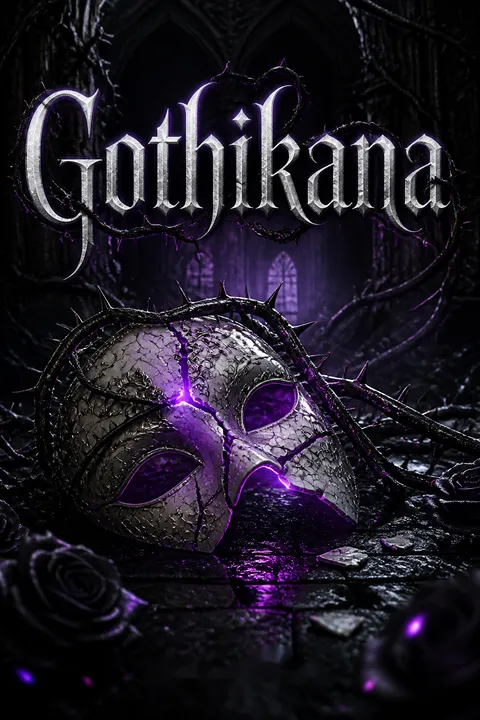
Gothikana è un’esplorazione ricca e intensamente romantica di trauma, follia e potere redentore dell’amore, ambientata in un castello gotico che è al contempo rifugio e prigione. RuNyx utilizza le convenzioni del dark academia e del romanzo gotico per interrogare come la storia—personale, familiare e istituzionale—plasmi l’identità e perpetui i cicli di danno. La relazione centrale del romanzo è fonte di pericolo e guarigione, mostrando come l’intimità possa trasformare ma anche essere carica di rischi, soprattutto per chi è segnato come “diverso”. Confondendo i confini tra soprannaturale e psicologico, la storia sfida il lettore a interrogarsi sulla natura della realtà, sull’eredità della violenza e sulla possibilità di liberarsi dall’oscurità ereditata. In definitiva, Gothikana è un inno alla resilienza dello spirito umano: suggerisce che, pur essendo perseguitati dal passato, non siamo condannati a ripeterlo, e che l’amore—imperfetto, complicato e faticosamente conquistato—può essere la luce che ci guida fuori dall’ombra.
Altri hanno letto anche
FAQ
Synopsis & Basic Details
What is Gothikana about?
- Outcast seeks new beginning: Corvina Clemm, a young woman with striking violet eyes and a secluded upbringing marked by her mother's mental illness, receives a mysterious invitation to Verenmore University, a remote gothic castle institution for students from "special backgrounds."
- Dark academia mysteries unfold: Arriving at Verenmore, Corvina finds herself in an eerie, isolated environment steeped in rumors of past tragedies, disappearances, and a dark history involving a group known as the "Slayers", while navigating the complexities of college life and forming her first friendships.
- Forbidden romance and hidden truths: Corvina is drawn to her enigmatic literature professor, Vad Deverell, known as the "silver-eyed devil," whose own secrets and connection to the castle's past intertwine with her burgeoning powers and the escalating mysteries, leading to a dangerous, forbidden romance.
Why should I read Gothikana?
- Immersive gothic atmosphere: The novel excels at creating a palpable sense of place with its detailed descriptions of the ancient, mysterious Verenmore castle and surrounding woods, making the setting a character in itself.
- Intense forbidden romance: The central relationship between Corvina and Vad is charged with high stakes, psychological depth, and undeniable chemistry, exploring themes of trust, vulnerability, and finding solace in shared darkness.
- Intriguing psychological mystery: Blending elements of dark academia, gothic horror, and psychological thriller, the story keeps readers guessing about the nature of the castle's curse, the characters' true motivations, and the blurred lines between madness and reality.
What is the background of Gothikana?
- Isolated mountain setting: Verenmore University is located on Mount Verenmore, a secluded location accessible by a single road, contributing to the sense of isolation and detachment from the outside world.
- Historical institutional legacy: The university has existed for over 150 years, founded to educate students from challenging backgrounds, but its long history is intertwined with dark legends and unexplained events, particularly concerning the Deverell family who originally owned the land.
- Cultural and psychological context: The narrative touches upon themes of mental illness (schizophrenia, paranoia), societal stigma, and the impact of generational trauma, reflecting real-world issues within a gothic, fantastical framework.
What are the most memorable quotes in Gothikana?
- "Darkness there, and nothing more.": Quoted from Edgar Allan Poe's "The Raven" in the epigraph, this sets the pervasive gothic tone and foreshadows the themes of darkness, mystery, and the unknown that permeate the narrative.
- "I will not let you go into the unknown alone.": Attributed to Bram Stoker in the epigraph, this quote directly foreshadows Vad's role as Corvina's protector and companion as she navigates the mysteries of Verenmore and her own mind.
- "If this is madness... drown me in it.": Spoken by Corvina to Vad in the ruins, this pivotal line marks her surrender to their intense, forbidden connection and the chaotic, unpredictable nature of their relationship and the castle itself, defining their shared journey into the unknown.
What writing style, narrative choices, and literary techniques does RuNyx use?
- First-person perspective (Corvina): The story is primarily told from Corvina's point of view, immersing the reader in her subjective experiences, fears, and growing attraction to Vad, enhancing the unreliable narration and psychological tension.
- Sensory and atmospheric prose: RuNyx employs rich, descriptive language focusing on sensory details—scents (sage, sandalwood, decay), sounds (castle groans, music, whispers), and visuals (colors, shadows, architecture)—to build the gothic atmosphere and reflect Corvina's heightened sensitivity.
- Symbolism and motif repetition: Recurring symbols like crows, the color black/purple, mirrors, the lake, the piano, and specific tarot cards (The Devil, The Lovers, The Tower) are woven throughout the narrative, adding layers of meaning and foreshadowing key plot points and thematic elements.
Hidden Details & Subtle Connections
What are some minor details that add significant meaning?
- Corvina's nose twitching: This seemingly small physical quirk is noted multiple times, particularly when she is close to tears or experiencing intense emotion, subtly highlighting her vulnerability and sensitivity even when she tries to appear composed.
- The gargoyles on the towers: Described as grotesque and masking water gutters, these architectural details are more than just gothic decoration; they symbolize the hidden, often unpleasant truths and functions lurking beneath the beautiful, imposing facade of the castle.
- Vad's left-handedness: A brief observation that Vad writes with his left hand adds a subtle layer to his character, hinting at his unconventional nature and perhaps his connection to things perceived as outside the norm, contrasting with the structured world he inhabits.
What are some subtle foreshadowing and callbacks?
- Old Zelda's prophecy details: Beyond the "purple eyes," Zelda mentions "a castle where none go" and that it's "a matter of many deaths," subtly foreshadowing Verenmore's isolation and the numerous tragedies Corvina will encounter there, linking her arrival to the castle's dark history.
- The Ink Moon: Corvina notes she was born under a rare "Ink Moon" that happens every five years, the same frequency as the Black Ball disappearances, subtly linking her existence and potential destiny to the castle's most dangerous tradition before the full significance of the Ink Moon is revealed.
- The shattered mirror in the bathroom: Corvina's vision of her reflection's eyes turning black and the mirror cracking is initially presented as a potential hallucination, but it subtly foreshadows the reveal of Jade's true nature and her connection to the "Devil's Breath", which can manipulate perception and will.
What are some unexpected character connections?
- Vad's connection to Corvina's mother: The revelation that Vad visited Celeste Clemm at the Institute years before Corvina arrived at Verenmore, prompted by Old Zelda's prophecy and his search for his friend, creates a profound, unexpected link between their pasts that predates their meeting.
- Jade's lineage to the Slayers: The most significant hidden connection is Jade being a direct descendant of the original Slayers, specifically the "witch" figure, explaining her knowledge of the Devil's Breath and her motivation to continue her family's dark legacy at Verenmore.
- Ajax's history with Vad: Ajax and Vad knew each other as children in the same boys' home, a shared traumatic background that explains their complex dynamic and Ajax's initial suspicion of Vad, adding depth to their interactions beyond just investigator and potential suspect.
Who are the most significant supporting characters?
- Jade Prescott: Initially presented as Corvina's quirky, supportive friend, her true identity as the antagonist and descendant of the Slayers makes her pivotal to the plot, driving the central mystery and directly causing the tragedies involving Alissa and Troy.
- Ajax Hunter: Troy's brother and an investigator, Ajax serves as the external force of justice and inquiry, pushing for answers about the castle's mysteries and providing crucial information about Vad's past and Jade's true identity, anchoring the supernatural elements in a search for tangible truth.
- Mrs. Remi (Post Office Lady): Though a minor character, Mrs. Remi provides Corvina with vital historical context about the Slayers legend and the town's fear of the full moon, linking the past to the present and validating some of the rumors Corvina has heard.
Psychological, Emotional, & Relational Analysis
What are some unspoken motivations of the characters?
- Corvina's deep craving for belonging: While she states she wants a "clean slate" and social experience, her intense desire to be seen, accepted, and loved "absolutely adored, no matter what happened, despite her past" is a powerful, often unspoken motivation driving her openness to friendship and her deep connection with Vad.
- Vad's need for control: Beyond his investigation into the castle's mysteries, Vad's actions are often driven by a need for control, stemming from his chaotic and traumatic childhood in the boys' home and his grandfather's manipulative upbringing, manifesting in his possessiveness over Corvina and his desire to "tame" her madness.
- Jade's twisted sense of destiny: Jade's motivation goes beyond simple jealousy over Vad; she genuinely believes she is meant to inherit her grandmother's legacy and rule Verenmore alongside Vad, viewing her actions as fulfilling a dark, familial destiny rather than mere murder.
What psychological complexities do the characters exhibit?
- Corvina's unreliable perception: Corvina grapples with the fear of inheriting her mother's schizophrenia, leading to moments where the reader questions whether her experiences (voices, shadows, visions) are supernatural or psychological manifestations of her trauma and fear, creating significant psychological horror.
- Vad's duality and internal conflict: Vad presents a controlled, authoritative facade as Mr. Deverell, but harbors a wild, untamed "Vad" persona, particularly around Corvina. His complexity lies in reconciling his traumatic past, his family's dark legacy, and his genuine desire to protect Corvina with his own capacity for darkness and control.
- Jade's psychopathy and manipulation: Jade's ability to maintain a charming, friendly persona while cold-bloodedly planning and executing murders using psychological manipulation (Devil's Breath) showcases a chilling level of psychopathy, highlighting the theme that evil can hide behind an innocent face.
What are the major emotional turning points?
- Corvina's first genuine friendship (with Jade): Meeting Jade and experiencing unconditional acceptance for the first time is a significant emotional turning point for Corvina, offering her hope for belonging and making the later betrayal profoundly impactful.
- Vad's declaration of not regretting their kiss: When Vad tells Corvina he didn't regret kissing her but regretted having to stop, it's a crucial emotional turning point for her, validating her feelings and shifting their dynamic from a potentially regretted mistake to a connection he acknowledges and desires.
- Corvina's surrender to Vad's claim: In the woods after Ajax reveals Vad's lineage, Corvina's decision to trust Vad despite his secrets and her fears, culminating in her telling him "I'm yours," marks a major emotional surrender and acceptance of their bond, choosing love over fear.
How do relationship dynamics evolve?
- Corvina and Jade: Friendship to Betrayal: Their relationship quickly moves from tentative roommate connection to deep friendship and mutual support, making Jade's reveal as the antagonist a devastating betrayal that shatters Corvina's newfound trust in others.
- Corvina and Vad: Forbidden Fascination to Deep Love: Starting as a student-teacher dynamic with intense mutual attraction, their relationship evolves through secret encounters, shared vulnerabilities, and revelations of truth, transforming into a deep, possessive love built on mutual understanding and acceptance of their respective "madness."
- Vad and Ajax: Shared Past to Complex Alliance: Their childhood connection in the boys' home creates a foundation of understanding, but their paths diverge (Vad embracing his legacy, Ajax seeking justice). Their dynamic shifts from wary acquaintances to a complex alliance driven by Troy's death and the need to uncover the truth, marked by lingering tension and respect.
Interpretation & Debate
Which parts of the story remain ambiguous or open-ended?
- The true nature of the voices/shadows: While the Devil's Breath explains some manipulation, the origin of Mo's voice and the shadows Corvina sees remains ambiguous. Are they purely psychological manifestations, a result of her genetic predisposition, or is there a genuine supernatural element to Verenmore that interacts with her sensitivity?
- The extent of the "curse": The story presents the Slayers' legacy and Jade's actions as the primary source of recent tragedies, but the lingering sense of dread, the historical disappearances not directly linked to Jade's family, and the unsettling atmosphere leave open the possibility of a deeper, perhaps truly cursed element to the mountain or castle itself.
- The fate of other missing persons: While the lake reveals some victims, the fates of others who disappeared over the century, including Zoe, remain largely unknown, leaving some historical mysteries unresolved beyond the immediate plot.
What are some debatable, controversial scenes or moments in Gothikana?
- The power dynamic in Corvina and Vad's relationship: The student-teacher relationship is inherently controversial due to the power imbalance. Their dynamic is further complicated by Vad's possessiveness, control, and the way he uses information about Corvina's past, leading to debates about consent, manipulation, and whether their love truly transcends these issues or is built upon them.
- The depiction of mental illness: While the novel attempts to destigmatize mental illness through Corvina's journey and Dr. Detta's perspective, the use of schizophrenia and paranoia as potential explanations for supernatural experiences could be debated regarding its sensitivity and accuracy.
- The ending's resolution of trauma: The ending suggests Corvina and Vad find healing and build a healthy life, but the lingering possibility of her developing schizophrenia and Vad's continued capacity for darkness leave room for debate on whether their trauma is truly resolved or merely managed, and if their love is redemptive or simply a shared coping mechanism.
Gothikana Ending Explained: How It Ends & What It Means
- Jade's plot exposed and ended: The climax reveals Jade as the perpetrator of recent tragedies, using Devil's Breath to manipulate victims like Troy and Alissa into suicide, driven by a twisted sense of lineage and obsession with Vad. Her plan to kill Corvina is thwarted by Vad, leading to her own death by falling from the tower, mirroring her victims.
- Corvina confronts her psychological fears: Under the influence of the drug, Corvina experiences a severe episode of auditory and visual hallucinations, forcing her to confront her deepest fear of inheriting her mother's illness. Vad's presence and Dr. Detta's intervention anchor her, leading to her recovery at a psychiatric institute.
- Love transcends legacy and location: Vad chooses to leave Verenmore and his ancestral legacy behind to be with Corvina, prioritizing her well-being over his ambition. Years later, having built a life together and found stability, they decide to return to Verenmore, signifying that they have healed enough to face the past and potentially reclaim the space on their own terms, breaking the cycle of trauma.

Scarica PDF
Scarica EPUB
.epub digital book format is ideal for reading ebooks on phones, tablets, and e-readers.








































