
重要ポイント
1. 一次変化の解決策を適用しても問題は解消しない
「変われば変わるほど、同じことが繰り返される。」
「同じことの繰り返し」という罠。 困難に直面したとき、私たちはしばしば「効果があるはず」と信じる方法をさらに強化しようとする。しかし、この一次変化に基づくアプローチは、持続的な問題を解決することがほとんどなく、むしろ問題を悪化させたり、固定化させたりすることが多い。
一次変化の無効な例:
- 不眠症のときに「もっと頑張って眠ろうとする」
- 落ち込んだ人を元気づけようと努力を強める
- アルコールや薬物依存に対して禁止を増やす
- 非行行動を矯正するために罰則を強化する
これらの変化の試みは一見合理的に思えるが、問題を自己強化する悪循環を生み出し、問題がますます根深くなる「終わりなきゲーム」を作り出す。
2. 真の変容には二次変化が必要である
「二次変化は、一次変化の視点では解決策と思われているものに適用される。なぜなら、二次変化の視点では、その『解決策』こそが問題の根幹であることが明らかになるからだ。」
問題の再定義。 二次変化とは、既存のシステムの枠組みの中で働くのではなく、システムそのものを変えることを意味する。これはしばしば直感に反し、奇妙で不合理に見えることもある。
二次変化の主な特徴:
- 問題と思われているものではなく、試みられている解決策に焦点を当てる
- 奇妙で予想外、常識外れに見えることが多い
- 仮定された原因ではなく、現在の影響に対処する
- 自己強化の悪循環から状況を引き離す
二次変化の効果的な例:
- 不眠症の人に不眠を処方する
- 恐怖症の人に恐怖を誇張するよう促す
- 「弱点」を潜在的な強みとして再定義する
二次変化を適用することで、現在の問題解決の枠組みの限界を超え、真の変容を実現できる。
3. リフレーミングは視点を変え、新たな可能性を開く
「リフレーミングとは、状況が経験される概念的および/または感情的な枠組みや視点を変え、同じ具体的な状況の『事実』に等しく、あるいはより適合する別の枠組みに置き換えることで、その意味全体を変えることを指す。」
認識の力。 リフレーミングは、事実自体を変えるのではなく、状況の理解の枠組みや視点を変えることである。この視点の変化は、シナリオの意味や結果を劇的に変えることができる。
効果的なリフレーミングの技法:
- あるカテゴリーから別のカテゴリーへの強調の移動
- 新たなカテゴリーの導入
- 混乱を利用して既存の枠組みを崩す
- ユーモアや予想外の解釈を用いる
リフレーミングの具体例:
- トム・ソーヤーが柵のペンキ塗りを特権として捉え直す
- どもりを営業上の独自の強みとして再定義する
- 弱点と見なされていたものを戦略的な強みに変える
リフレーミングの技術を習得することで、限られた視点に隠されていた新たな可能性や解決策を引き出せる。
4. パラドキシカルな介入は問題のパターンを断ち切る
「症状の処方、あるいはより広義の非臨床的な意味でのパラドックスを通じた二次変化は、私たちが知る中で最も強力かつ優雅な問題解決の形態である。」
逆説を受け入れる。 パラドキシカルな介入とは、問題を引き起こしている行動や症状をあえて処方・奨励することである。この一見逆説的な方法は、確立されたパターンを効果的に破壊し、意味のある変化をもたらす。
パラドキシカル介入の重要な要素:
- 症状や問題行動の処方
- 「自発的になれ!」という逆説の創出
- 変化への抵抗を変容の手段として利用
パラドキシカル介入の例:
- 不眠症の人に起きているよう指示する
- 恐怖症の人に恐怖を誇張するよう促す
- 再発をあえて処方して防止する
パラドキシカル介入を用いることで、問題を維持する自己強化のサイクルから抜け出し、新たで適応的な行動パターンへの扉を開ける。
5. 抵抗を利用することは対立するより効果的である
「患者が持ち込むものを受け入れよ。」
柔道のような変化のアプローチ。 抵抗に正面から対立するのではなく、それを利用し方向転換することが効果的な問題解決につながる。この方法は柔道の原理に似ており、最小の力で最大の効果を生む。
抵抗を利用するための戦略:
- 抵抗を変化の前提条件としてリフレーミングする
- 抵抗をさらに強めるよう促す
- 「なぜ変わる必要があるのか?」という問いかけを用いる
- 「ゆっくり進める」介入を行う
抵抗を利用した例:
- 抵抗するクライアントに「もう手遅れだ」と伝える
- 先延ばしする人にさらに遅らせるよう促す
- 症状の保護的機能を称賛する
抵抗と対立するのではなく共に働くことで、抵抗の少ない変化の道を作り、クライアントを驚かせるほど迅速な変容を実現できる。
6. 小さく具体的な変化が大きな結果をもたらすことが多い
「元のシステム内で変化を起こすには、メタレベルまで到達するだけで十分である。」
最小限の変化の波及効果。 小さく達成可能な目標に焦点を当てることは、大規模で劇的な変革を試みるよりも、より大きく持続的な変化をもたらすことが多い。これらの最小限の変化はシステム全体に波及効果を生む。
小さな変化に注目する利点:
- 実行しやすく持続可能
- 強い抵抗を引き起こしにくい
- 予期せぬ良い結果をもたらすことがある
- さらなる変化への勢いと自信を築く
効果的な小さな変化の例:
- 人間関係におけるコミュニケーションパターンのわずかな変更
- 日常のルーティンの小さな調整
- 育児における「善意の妨害」の小さな行為の導入
具体的で達成可能な変化に集中することで、初期の介入をはるかに超えた変容のプロセスを始動できる。
7. 原因ではなく解決策に焦点を当てることで変化が加速する
「重要な問いは『なぜ?』ではなく『何を?』である。」
分析より行動。 問題の起源を理解することは有益な場合もあるが、問題解決にはあまり役立たないことが多い。現在のパターンと可能な解決策に焦点を当てることが、変化を生み出す上でより効果的である。
解決策重視の利点:
- 複雑な説明の迷路に陥らない
- 抽象的な概念よりも実行可能なステップを強調
- 介入の迅速な実施を可能にする
- 責任追及や病理化を避けて抵抗を減らす
問うべき重要な質問:
- 現在ここで何が行われていて問題を持続させているのか?
- 現在ここで何ができて変化をもたらせるのか?
- 問題が解決されたとみなすには何が起こる必要があるのか?
原因から解決策へ焦点を移すことで、過剰な分析による停滞を避け、変化のプロセスを加速できる。
8. 注意と無視は変化のための戦略的な道具となりうる
「人々がお互いに払う注意の度合いは、その関係の性質にとって重要な要素であり、問題の原因にもなりうる。」
焦点の戦略的活用。 問題や行動に対する注意の量は、その持続や解決に大きな影響を与える。時には、意図的な無視の方が、注意を増やすよりも変化を促進することがある。
注意を戦略的に使う技法:
- 問題行動を意図的に無視する
- どんなに小さな変化でも肯定的に注目する
- 無視を利用して望ましい行動を増やす
- 関係性における「無視の利点」を活用する
戦略的な注意・無視の例:
- 子どもの軽微な問題行動を無視して頻度を減らす
- 家出したティーンエイジャーを積極的に探さず帰宅を促す
- 無関心を装って関心を高める
注意の度合いを巧みに調整することで、直接的な介入や対立なしに変化を促す強力な動機付けを作り出せる。
9. ユートピア的思考は問題を増やすことが多い
「達成不可能なものを追い求める間に、実現可能なものを不可能にしてしまう。」
完璧主義の落とし穴。 ユートピア的な目標は刺激的である一方で、停滞や失望、新たな問題の発生を招くことが多い。達成不可能な理想を追い求めることで、実際の意味ある進歩を妨げてしまう。
ユートピア的思考の危険性:
- 非現実的な期待を生む
- 失望や幻滅を招く
- 部分的な改善を拒否することがある
- 抵抗や反発を生みやすい
ユートピア的アプローチの代替案:
- 具体的で達成可能な目標に集中する
- 小さな進歩を祝福する
- 不完全さをプロセスの一部として受け入れる
- 「失敗」を学びの機会としてリフレーミングする
理想主義を現実主義で和らげることで、ユートピア的思考の罠を避け、持続可能な進歩を実現できる。
10. 「なぜ」を理解しなくても変化は可能である
「日常生活の経験は、洞察なしに変化が起こりうることを示すだけでなく、ほとんどの行動や社会的変化は、その起源の洞察を伴わず、ましてや先行せずに起こることを示している。」
洞察より行動。 問題の起源を理解することは興味深いが、変化を生み出すためには必ずしも必要ではない。現在のパターンや行動を変えることに注力すれば、深い洞察なしに変容が可能である。
「なぜ」より「何を」に焦点を当てる利点:
- 複雑な説明の迷路に陥らない
- 解決策の迅速な実施を可能にする
- 責任追及や病理化を避けて抵抗を減らす
- 詳細な分析なしに個人が変化を起こす力を持てる
洞察なしの変化の例:
- 起源を理解せずに曝露療法で恐怖症が改善する
- 分析ではなく新しい行動によって関係性のパターンが変わる
- 自己反省なしに環境の変化で習慣が変わる
行動と現在に焦点を当てた介入を優先することで、究極の原因や説明を追求することなく意味ある変化を生み出せる。
レビューまとめ
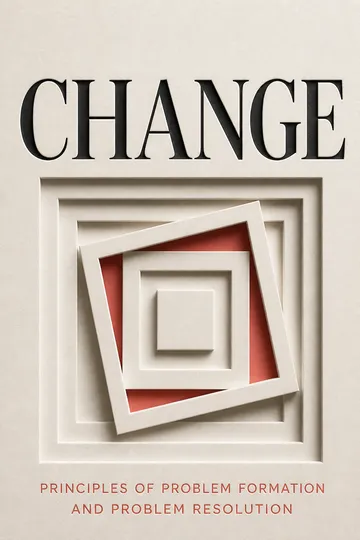
『変化:問題の定式化と解決の原理』は、数学的概念と逆説的介入を用いた変化の理論を提示している。本書は心理学の枠を超えて洞察に富み、思考を刺激し、幅広い応用が可能であることが特徴だ。焦点は「なぜ」ではなく「何に注目するか」に置かれ、問題の再構成を通じて第二次的変化を促す点にある。明快さやユーモアを称賛する声がある一方で、内容が難解で古風だと感じる読者もいる。実践的な事例やケーススタディは特に高く評価されているが、一部の介入手法の効果に疑問を呈する意見も存在する。総じて、セラピストや問題解決に関心を持つ人々にとって必読の書と位置づけられている。
他の人が読んだ本


よくある質問
What's "Change: Principles of Problem Formation and Problem Resolution" about?
- Focus on Change: The book explores the nature of change, both spontaneous and induced, and how it can be effectively managed in various contexts, particularly in psychotherapy.
- Problem Formation and Resolution: It delves into how problems are formed through mishandling difficulties and how they can be resolved by altering the approach to these problems.
- Theoretical Frameworks: The authors use concepts from Group Theory and the Theory of Logical Types to explain the dynamics of persistence and change.
- Practical Applications: The book provides practical examples and strategies for implementing change in personal, social, and therapeutic settings.
Why should I read "Change: Principles of Problem Formation and Problem Resolution"?
- Understanding Change: It offers a deep understanding of the mechanisms of change, which is applicable in both personal and professional life.
- Innovative Approaches: The book presents innovative approaches to problem-solving that challenge conventional wisdom and common-sense solutions.
- Practical Strategies: Readers gain practical strategies for resolving complex problems, making it a valuable resource for therapists, counselors, and anyone interested in personal development.
- Theoretical Insights: It provides insights into the theoretical underpinnings of change, enhancing the reader's ability to apply these concepts in real-world situations.
What are the key takeaways of "Change: Principles of Problem Formation and Problem Resolution"?
- Second-Order Change: The book emphasizes the importance of second-order change, which involves altering the system itself rather than making superficial adjustments.
- Reframing Problems: It highlights the power of reframing problems to change their meaning and impact, leading to effective solutions.
- Role of Paradoxes: Paradoxes are shown to play a significant role in both problem formation and resolution, offering unique pathways to change.
- Focus on the Present: The authors advocate for focusing on the present situation and its dynamics rather than delving into past causes.
How does "Change: Principles of Problem Formation and Problem Resolution" define second-order change?
- Beyond First-Order Change: Second-order change involves altering the underlying system or framework rather than making changes within the existing system.
- Systemic Transformation: It requires a shift in perspective or approach that fundamentally changes the way a problem is perceived and addressed.
- Paradoxical Nature: Second-order change often appears illogical or paradoxical from within the current system, as it challenges existing assumptions.
- Practical Examples: The book provides examples of second-order change in various contexts, illustrating its transformative potential.
What is the "Gentle Art of Reframing" in "Change: Principles of Problem Formation and Problem Resolution"?
- Changing Perspectives: Reframing involves changing the conceptual or emotional viewpoint of a situation to alter its meaning and impact.
- Metareality: It operates on the level of metareality, where the meaning attributed to a situation can be changed even if the objective facts remain the same.
- Practical Application: The book provides practical examples of reframing in therapy and everyday life, demonstrating its effectiveness in problem resolution.
- Empowerment Through Reframing: By reframing, individuals can gain new insights and solutions, empowering them to overcome challenges.
How does "Change: Principles of Problem Formation and Problem Resolution" address the role of paradoxes in problem-solving?
- Paradoxical Situations: The book explores how paradoxical situations can create impasses in problem-solving and how they can be resolved.
- Double-Bind Theory: It discusses the Double-Bind Theory, which explains how paradoxical communication can lead to psychological distress.
- Paradox as a Tool: Paradoxes are not only obstacles but can also be used as tools for change, offering unique solutions to complex problems.
- Examples and Strategies: The authors provide examples and strategies for using paradoxes effectively in therapy and other contexts.
What are some practical strategies for problem resolution in "Change: Principles of Problem Formation and Problem Resolution"?
- Symptom Prescription: The book suggests prescribing the symptom as a way to address the problem, turning the issue into a deliberate action.
- Benevolent Sabotage: This involves taking a one-down position to disrupt the existing problem-solving pattern and encourage change.
- Utilizing Resistance: Resistance to change can be reframed as a precondition for change, using it to facilitate transformation.
- Advertising Instead of Concealing: Encouraging individuals to openly acknowledge their issues rather than hiding them can lead to resolution.
What is the "Utopia Syndrome" as described in "Change: Principles of Problem Formation and Problem Resolution"?
- Unrealistic Expectations: The Utopia Syndrome refers to the pursuit of unattainable ideals, leading to dissatisfaction and problems.
- Three Forms: It manifests in three forms: introjective (personal inadequacy), projective (blaming others), and procrastination (endless preparation).
- Impact on Problem Formation: Utopian demands can create problems by setting unrealistic goals and perpetuating dissatisfaction.
- Resolution Strategies: The book suggests addressing the underlying premises of utopian thinking to resolve related problems.
How does "Change: Principles of Problem Formation and Problem Resolution" suggest dealing with resistance to change?
- Reframing Resistance: Resistance can be reframed as a necessary part of the change process, using it to facilitate transformation.
- Paradoxical Interventions: The book recommends using paradoxical interventions to address resistance, such as prescribing the symptom.
- Understanding Motivations: Understanding the motivations behind resistance can help in designing effective interventions.
- Collaborative Approach: Engaging the individual in a collaborative approach to change can reduce resistance and enhance outcomes.
What are the best quotes from "Change: Principles of Problem Formation and Problem Resolution" and what do they mean?
- "The way out is through the door. Why is it that no one will use this exit?" - This quote emphasizes the simplicity of solutions that are often overlooked due to complex thinking.
- "We first raise the dust and then claim we cannot see." - It highlights how our own actions can create problems that we then struggle to resolve.
- "While we pursue the unattainable we make impossible the realizable." - This quote warns against the dangers of chasing unrealistic goals at the expense of achievable ones.
- "Life makes sense and who could doubt it, if we have no doubt about it." - It suggests that our perception of reality is shaped by our beliefs and attitudes.
How does "Change: Principles of Problem Formation and Problem Resolution" address the concept of persistence?
- Interdependence with Change: The book explores the interdependence of persistence and change, showing how they are two sides of the same coin.
- Theories of Persistence: It discusses various theories of persistence, including Group Theory and the Theory of Logical Types.
- Role in Problem Formation: Persistence can contribute to problem formation when it leads to rigid thinking and resistance to change.
- Strategies for Overcoming Persistence: The authors provide strategies for overcoming persistence by introducing second-order change and reframing.
What is the significance of the "nine-dot problem" in "Change: Principles of Problem Formation and Problem Resolution"?
- Illustration of Second-Order Change: The nine-dot problem illustrates the concept of second-order change by requiring a shift in perspective to solve it.
- Breaking Assumptions: It demonstrates how breaking assumptions and thinking outside the box can lead to innovative solutions.
- Metaphor for Problem Solving: The problem serves as a metaphor for problem-solving, highlighting the need to challenge existing frameworks.
- Practical Application: The authors use the nine-dot problem to show how reframing and second-order change can be applied in real-life situations.
著者について


PDFをダウンロード
EPUBをダウンロード
.epub digital book format is ideal for reading ebooks on phones, tablets, and e-readers.








































