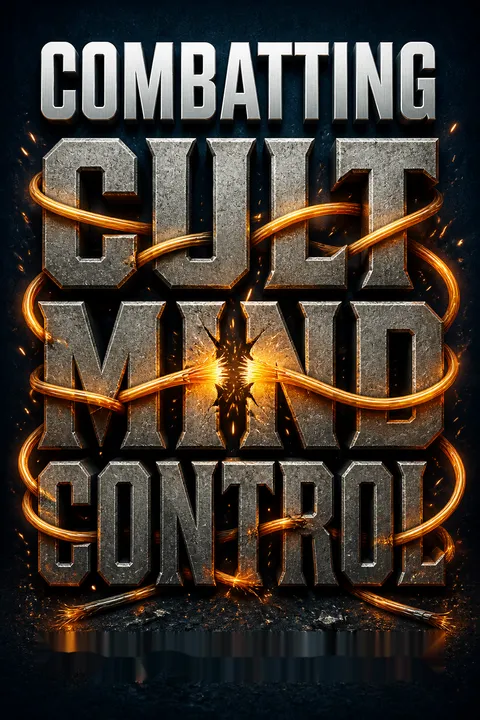

重要ポイント
1. 現代社会におけるマインドコントロールの脅威
カルトに入る人はいない。ただ、脱退の決断を先延ばしにしているだけだ。
カルトは至るところに存在する。 アメリカには推定3,000もの破壊的なカルトがあり、約300万人もの人々が関わっている。これらの集団は宗教的カルト、政治的カルト、心理療法・教育的カルト、商業的カルトなど多様な形態をとる。彼らは高度な心理技術を駆使し、才能豊かで生産的な人々を勧誘し、拘束し、搾取する。
誰もが脆弱である。 一般的な誤解とは異なり、カルトのメンバーは通常、心が弱いとか感情的に不安定な人々ではない。多くは知的で理想主義的、かつ尊敬される家庭出身者である。カルトは、引っ越しや新しい仕事の開始、個人的な喪失など、人生の転機やストレスの時期にある人々を狙うことが多い。カルトの技術は非常に巧妙かつ強力で、意志の強い人でさえ影響を受けてしまうことがある。
2. 破壊的カルトの欺瞞的な勧誘手法
カルトは人を勧誘する。人はカルトに「入る」のではない。
欺瞞が鍵である。 カルトの勧誘者はしばしば偽りの名目で接近し、真の所属や意図を隠す。彼らは表向きは友好的な個人やフロント組織を装い、ターゲットの個人情報を収集し、徐々に集団の活動に引き込むことを目的とする。
ラブボミングと段階的な洗脳。 興味を示した人に対しては「ラブボミング」と呼ばれる手法を用い、過剰な注目や愛情、賛辞を浴びせる。これにより帰属意識や受容感が生まれ、非常に魅力的に感じられる。洗脳は段階的に進み、時間をかけてより論争的な信念や慣習が導入される。
- 主な勧誘の場:
- 大学キャンパス
- 公共の場(街頭、公園、空港)
- 社交イベントやワークショップ
- オンラインプラットフォームやソーシャルメディア
3. マインドコントロールの四要素:行動、思考、感情、情報
マインドコントロールとは、個人のアイデンティティを破壊するシステムである。
行動の制御は、環境、人間関係、活動など物理的現実を規制することを指す。カルトはメンバーに厳格なスケジュールや儀式、規則を課し、自由時間や個人的選択を制限する。
思考の制御は、教義への洗脳や批判的思考を妨げる思考停止技術の使用を含む。カルトは独自の「特殊言語」を用い、メンバーの現実認識を形成する。
感情の制御は、罪悪感、恐怖、恥を通じて感情を操作する。カルトは集団や指導者への感情的依存を作り出し、外部との感情的なつながりを断つ。
情報の制御は、カルト以外の情報源へのアクセスを制限し、カルトの教えだけが唯一の真実とされる環境を作る。これには家族や友人、メディアからの隔離も含まれる。
4. 恐怖症と特殊言語はカルト支配の強力な道具
カルトメンバーは心理的な囚人である。
恐怖症洗脳は感情制御の中でも特に悪質な形態だ。カルトは脱退に対する強烈な恐怖を植え付け、離脱すれば自分や愛する人に恐ろしい結果が訪れると信じ込ませる。これらの恐怖症は脱退後も長く残り、回復を困難にする。
特殊言語はカルトの信念を強化し、メンバーと外部者を分断する独自の語彙を作り出す。この言語は、
- 複雑な概念を単純な決まり文句に還元し、
- 「我々対彼ら」の意識を生み、
- メンバーが非メンバーと意思疎通しにくくし、
- 批判的思考や分析を妨げる。
5. 脱会カウンセリング:強制的脱洗脳に代わる非強制的手法
私のアプローチは完全にクライアント中心である。クライアントのニーズに合わせて自分を調整し、クライアントに私のニーズを押し付けない。
自発的かつ尊重的であること。 脱会カウンセリングは、カルトメンバーが自ら集団を離れるのを支援する非強制的な方法だ。強制的な脱洗脳はトラウマや法的リスクを伴うが、脱会カウンセリングは信頼関係の構築に基づき、情報提供と批判的思考の促進を通じて本人の自主的な決断を促す。
脱会カウンセリングの主要要素:
- メンバーとの信頼関係の構築
- カルトとマインドコントロールに関する事実情報の提供
- 脱会前の自己同一性の再接続の促進
- カルト教義に対する代替的視点の提示
- カルト関与による感情的・心理的影響への対応
脱会カウンセリングには家族や友人も関わり、効果的なコミュニケーション方法を指導される。数日間かかることもあり、忍耐と共感、カルト心理学の深い理解が求められる。
6. カルト関与からの回復は困難だが達成可能な過程である
元メンバーは再び自分を信頼する方法を学ばなければならない。自分自身の最良の友であり、最良のセラピストになる必要がある。
よくある課題。 脱会後の元メンバーは、以下のような心理的・実務的困難に直面することが多い。
- 抑うつや悲嘆
- 意思決定の困難
- 人間関係の形成の難しさ
- キャリアや学業の遅れ
- 「浮遊」体験(無意識のカルト思考への回帰)
- 罪悪感や恥の感情
回復のための戦略:
- カルトマインドコントロールに詳しいセラピストによるカウンセリング
- 元カルトメンバー同士のサポートグループへの参加
- マインドコントロールやカルト手法に関する教育
- 家族や友人との関係再構築
- 新たなスキルの習得や個人的目標の追求
- 脆弱性の原因となった脱会前の問題への対処
回復は段階的なプロセスだが、適切な支援があれば、元メンバーはカルト体験をより強く、しなやかな自己の一部として統合できる。
7. 教育と啓発が破壊的カルト対策の鍵である
悪が勝利するには、善良な人々が何もしなければよいだけだ。
公教育の重要性。 マインドコントロールの実態や破壊的カルトの手口に関する認識を高めることは予防に不可欠である。具体的には、
- 学校教育にカルトや批判的思考の情報を組み込むこと
- 精神保健専門家、宗教関係者、法執行機関へのカルト問題の研修
- マインドコントロールの危険性を正確に伝えるメディア報道の促進
法的・政策的変革。 現行法はカルトによる心理的強制の実態を十分に認識していない。以下のような取り組みが求められる。
- 法的手続きにおける不当な影響力の認定
- 大規模グループ意識向上トレーニングの規制
- 告発者や元メンバーの保護
個人の責任。 誰もが破壊的カルトと闘う役割を担える。具体的には、
- カルト関与の警告サインを見分ける力を養う
- 脆弱な友人や家族を支援する
- 批判的思考と健全な懐疑心を促進する
- カルト被害者支援団体を支援する
公衆の理解を深め、積極的な対策を講じることで、破壊的カルトが個人や社会に及ぼす有害な影響を軽減できる。
レビューまとめ
『カルトのマインドコントロールと闘う』は、カルトの戦術や洗脳技術、そして破壊的な集団からの脱出支援方法を包括的に分析した点で高く評価されている。著者ハッサンの個人的な体験談と、過剰な影響力を見抜き対抗するための実践的な助言が読者に好評を博している。本書は、多くの読者にとって目から鱗の内容であり、自身や愛する人が高コントロール集団に関わった経験を理解する手助けとなっている。一方で、査読付きの研究が不足しているとの指摘もあるが、宗教的、政治的、商業的なさまざまな文脈における破壊的カルトの理解と対策において、貴重な資料とみなされている。
他の人が読んだ本







よくある質問
What's Combatting Cult Mind Control about?
- Focus on Mind Control: The book delves into how destructive cults use mind control to manipulate individuals' thoughts, emotions, and behaviors.
- Author's Personal Experience: Steven Hassan shares his journey as a former member of the Unification Church, providing firsthand insights into cult tactics.
- Exit-Counseling Techniques: It introduces exit-counseling as a non-coercive method to help individuals leave cults and regain autonomy.
Why should I read Combatting Cult Mind Control?
- Understanding Cult Dynamics: The book equips readers with knowledge about cult operations and psychological recruitment techniques.
- Practical Guidance: Offers advice for families and friends on interventions and supporting loved ones involved in cults.
- Empowerment Through Knowledge: Emphasizes that understanding mind control tactics can help protect oneself and others.
What are the key takeaways of Combatting Cult Mind Control?
- Four Components of Mind Control: Behavior, thought, emotional, and information control are outlined as key manipulation tactics.
- Phobia Induction: Cults instill fears about leaving, making members afraid of dire consequences.
- Exit-Counseling: Advocates for a compassionate, non-coercive approach to help individuals regain their sense of self.
What are the best quotes from Combatting Cult Mind Control and what do they mean?
- “Nobody joins a cult...”: Highlights the gradual entrapment process rather than a conscious decision to join.
- “Knowledge is power.”: Stresses the importance of understanding cult tactics to resist manipulation.
- “The essence of mind control...”: Illustrates how cults undermine personal freedom by promoting dependence and conformity.
How does Combatting Cult Mind Control define mind control?
- Definition of Mind Control: Described as a system that disrupts an individual’s identity, replacing it with one aligned with the cult.
- Subtle Process: Often involves techniques not immediately recognizable as manipulative.
- Impact on Identity: Leads to significant alterations in beliefs, behaviors, and emotions, resulting in a loss of original identity.
How do cults recruit members according to Combatting Cult Mind Control?
- Deceptive Practices: Cults present themselves as benign organizations focused on self-improvement or community service.
- Targeting Vulnerable Individuals: Recruiters seek out those experiencing stress or life transitions, making them more susceptible.
- Personal Connections: Recruitment often occurs through existing relationships, with members inviting others to join.
What are the characteristics of destructive cults as outlined in Combatting Cult Mind Control?
- Authoritarian Leadership: Typically led by a charismatic leader demanding absolute loyalty.
- Isolation from Society: Members are often isolated from family and friends to minimize outside influence.
- Manipulative Practices: Use emotional and psychological abuse to maintain control over members.
What is exit-counseling and how does it work according to Combatting Cult Mind Control?
- Non-Coercive Approach: Focuses on emotional support and understanding without using force.
- Therapeutic Techniques: Involves established methods to help individuals regain autonomy.
- Case Studies: Includes real-life examples of successful interventions leading to recovery.
How does Steven Hassan define mind control in Combatting Cult Mind Control?
- Psychological Manipulation: A systematic process altering thoughts, feelings, and behaviors through coercive persuasion.
- Cults as Total Institutions: Control every aspect of life, discouraging independent thought and leading to identity loss.
- Phobia Induction: Instills fear about leaving or questioning the group, keeping members compliant.
How can families help a loved one involved in a cult according to Combatting Cult Mind Control?
- Educate Themselves: Understanding the specific cult and its practices is crucial for effective communication.
- Develop a Strategy: A coordinated approach among family members increases the chances of successful intervention.
- Be Patient and Supportive: Building trust and rapport takes time, and the individual must feel safe to express themselves.
What is the impact of cult involvement on mental health as discussed in Combatting Cult Mind Control?
- Psychological Trauma: Many experience feelings of betrayal and loss, leading to depression, anxiety, and guilt.
- Difficulty in Decision Making: Former members often struggle with independence and reintegration into society.
- Floating Phenomenon: Refers to reverting to cult-like thinking when triggered, highlighting the emotional aftermath.
How does Combatting Cult Mind Control address the issue of legal protections for cult members?
- Lack of Legal Recognition: Discusses the absence of laws recognizing mind control as coercion, leaving members vulnerable.
- Need for Legislative Action: Advocates for measures to hold cults accountable and protect individuals from coercive practices.
- Civil Lawsuits: Highlights the trend of former members suing for fraud and psychological damages, raising awareness and seeking justice.
著者について
同じ著者の他の本: スティーブン・ハッサン


PDFをダウンロード
EPUBをダウンロード
.epub digital book format is ideal for reading ebooks on phones, tablets, and e-readers.








































