重要ポイント
1. サプライチェーンの大混乱が世界の脆弱性を露呈した
「世界は縮まり、コンテナ船やインターネット回線、グローバリゼーションへの熱狂的な信頼によって大陸がつながっているように見えた。しかし今、地球は再び広大で謎に満ちた存在として感じられる。」
前例のない混乱。 COVID-19パンデミックはサプライチェーンの連鎖的な崩壊を引き起こし、世界貿易ネットワークの脆弱さを明らかにした。港にはコンテナが積み上がり、工場は停止し、消費者は電子機器からトイレットペーパーに至るまであらゆる物資の不足に直面した。この危機は、グローバル経済がいかに相互依存し、かつ脆弱であるかを浮き彫りにした。
システム的な弱点の顕在化。 混乱は以下の重要な脆弱性を明らかにした。
- 重要物資の単一供給源(特に中国)への過度な依存
- 誤差の余地を残さないジャストインタイム在庫管理
- 限られた大手企業への物流・輸送の集中
- サプライチェーンにおける冗長性と回復力の欠如
パンデミックは警鐘となり、企業や政府にグローバリゼーションや効率的なサプライチェーン管理に関する従来の前提を見直すことを強いた。
2. ジャストインタイム生産は危機に対する備えを欠いていた
「賃金ほど重要な問題はない。国民の大多数は賃金で生活している。生活水準、賃金の水準が国の繁栄を決定するのだ。」
効率の代償。 トヨタが開発したジャストインタイム(JIT)生産方式は、在庫と無駄を最小化し生産を革新した。しかし、JITの原則が広く採用された結果、多くの企業はサプライチェーンの混乱に脆弱な状態となった。
リーン生産の帰結:
- 最小限の在庫バッファ
- 供給ショックに耐える力の低下
- 信頼できる輸送への依存増大
- 労働者への生産維持圧力
通常時には利益率を高めたJITも、パンデミック時には致命的だった。必要な部品の調達に苦労し、生産の遅延や品不足を招いた。効率と同時に回復力を重視するバランスの取れたアプローチの必要性が浮き彫りになった。
3. 輸送業と食肉加工業の独占的慣行が不足を悪化させた
「運送業者は、利益の理由は資本投資とリスクにあり、労働の貢献ではないと主張している。」
権力の集中。 輸送業と食肉加工業は、独占的慣行がサプライチェーン問題を悪化させる典型例である。少数の企業がこれらの分野を支配し、価格や供給に過大な影響力を持つ。
独占の影響:
- 危機時の価格吊り上げ
- 競争とイノベーションの減少
- 重要施設の混乱に対する脆弱性
- 労働者や供給者の搾取
パンデミック中、輸送会社や食肉加工業者は記録的な利益を上げる一方で、消費者は品不足と価格高騰に苦しんだ。これにより、独占禁止法の強化と多様で回復力のあるサプライチェーンの構築が求められている。
4. 労働搾取がグローバルサプライチェーンの基盤を支えている
「ここに来れば、他に行きたくなくなる。毎週金曜日に給料が支払われるからだ。仕事があるからだ。」
効率の裏にある人間の犠牲。 グローバルサプライチェーンは、発展途上国の工場労働者から先進国のトラック運転手や倉庫スタッフに至るまで、搾取された労働に大きく依存している。パンデミックは多くの必須労働者が直面する不安定な労働環境を浮き彫りにした。
労働搾取の形態:
- 低賃金と長時間労働
- 危険な労働環境
- 雇用の不安定さと福利厚生の欠如
- 労働組合の弾圧や労働者への威圧
パンデミック時の食肉加工工場での労働者の扱いはこれらの問題を象徴している。安全でない環境での労働を強いられ、COVID-19の集団感染が発生した。この事例は、労働者保護の強化と安価な製品の真のコストの再評価の必要性を示している。
5. 中国の製造業支配は地政学的リスクを生んだ
「我々はただ、政府がすべてを台無しにするだろうと思っている。状況は本当に悪化している。」
中国依存の問題。 数十年にわたり、中国は世界の工場として製造業を支配してきた。この集中は、中国と西側諸国の緊張が高まる中で重大な地政学的リスクを生んだ。
中国中心の製造業のリスク:
- 中国政府の政策に対する脆弱性
- 知的財産権の侵害懸念
- 人権や労働問題
- 地政学的紛争によるサプライチェーンの混乱
パンデミックと米中対立の激化は、中国からのサプライチェーン多様化を加速させた。企業は他のアジア諸国への移転、メキシコへのニアショアリング、自国へのリショアリングを模索し始めている。
6. パンデミックはリショアリングとニアショアリングの動きを加速させた
「グローバリゼーションはほぼ死にかけている。」
製造戦略の転換。 パンデミックと地政学的緊張は、グローバルサプライチェーンの見直しを促した。多くの企業がリショアリング(自国回帰)やニアショアリング(近隣国移転)を通じて生産拠点を市場に近づけ始めている。
リショアリング・ニアショアリングの推進要因:
- 輸送コストと時間の削減
- サプライチェーンの管理強化
- 国内生産への政府支援
- 地政学的リスクの軽減
中国からの完全な切り離しは難しいが、製造業の大幅な再編が進行中である。この変化は国際貿易のパターンを再形成し、パンデミックで露呈した脆弱性の一部を軽減する可能性がある。
7. メキシコは米国製造業の中国代替として台頭した
「現実には、メキシコが我々の課題のいくつかの解決策だ。」
メキシコ製造業の躍進。 米国企業が中国の代替を模索する中、メキシコが主要な受益者として浮上した。米国市場への近接性、既存の貿易関係、比較的低い労働コストがニアショアリングの魅力を高めている。
メキシコ生産の利点:
- 短縮されたサプライチェーン
- 輸送コストと時間の削減
- 既存の貿易インフラ(USMCA)
- 米国との文化的・時差の近さ
メキシコへのシフトはグローバルサプライチェーンの大きな再編を示している。中国生産を完全に代替するわけではないが、米国企業にとってサプライチェーンの多様化と太平洋横断輸送への依存軽減の手段となっている。
レビューまとめ
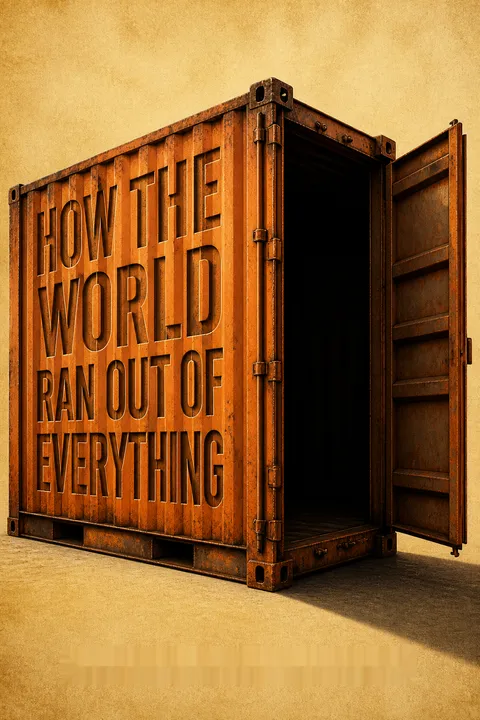
『すべてが世界から消えた理由』は、パンデミックによって明らかになった世界的なサプライチェーンの脆弱性を探る一冊である。グッドマンは個人的な体験談と経済分析を巧みに織り交ぜ、企業の強欲、ジャストインタイム生産方式、規制緩和がいかに物資不足を招いたかを明らかにしている。読者からは、物流や労働環境、独占的慣行に関する洞察が高く評価された。一方で、左寄りの視点に対する批判も一部に見られた。本書は、より強靭なサプライチェーンの構築、国内生産の推進、労働者保護の必要性を強調し、経済政策や消費者の選択に関する議論を喚起している。
他の人が読んだ本








よくある質問
What's How the World Ran Out of Everything about?
- Focus on Supply Chain Disruption: The book examines the vulnerabilities in global supply chains, especially highlighted during the COVID-19 pandemic. It discusses how dependence on countries like China for manufacturing led to shortages and delays.
- Critique of Globalization: Goodman critiques the efficiency-driven mindset of globalization, arguing that it has made economies fragile and prioritized profit over resilience and worker welfare.
- Personal Stories and Case Studies: Through narratives like that of Hagan Walker, the book illustrates the broader implications of supply chain failures, adding a human element to the economic analysis.
Why should I read How the World Ran Out of Everything?
- Understanding Current Events: The book provides context for the supply chain issues affecting everyday life, especially during the pandemic, helping readers understand product shortages and rising prices.
- Insightful Analysis: Goodman offers a critical examination of globalization and its consequences, relevant for those interested in economics, business, or social issues.
- Engaging Narrative Style: Combining thorough research with storytelling, the book makes complex topics accessible and engaging, drawing readers into the personal stories that illustrate larger trends.
What are the key takeaways of How the World Ran Out of Everything?
- Fragility of Global Supply Chains: The book highlights the fragility of global supply chains, particularly due to over-reliance on specific countries, as revealed during the pandemic.
- Impact of Just in Time: Goodman discusses how the "Just in Time" manufacturing method, which prioritizes efficiency, left businesses vulnerable to disruptions.
- Need for Resilience: The author advocates for more resilient supply chain practices, suggesting a shift to a "Just in Case" mentality with larger inventories.
What are the best quotes from How the World Ran Out of Everything and what do they mean?
- “The world has fallen apart.”: This quote captures the global chaos during the pandemic, highlighting the fragility of interconnected economies and setting the tone for the book's exploration of systemic vulnerabilities.
- “No waste more terrible than overproduction.”: Reflecting the critique of lean manufacturing, this quote underscores the need for balance in production practices to avoid shortages when demand surges.
- “We do not have a free market.”: This statement critiques monopolistic tendencies in the global economy, questioning the fairness of the current economic system dominated by a few large players.
How does Peter S. Goodman define the concept of Just in Time in How the World Ran Out of Everything?
- Efficiency Over Inventory: Just in Time (JIT) is a strategy that minimizes inventory and reduces waste by receiving goods only as needed, aiming to streamline production and cut costs.
- Vulnerability to Disruption: Goodman argues that JIT enhances efficiency but makes supply chains vulnerable to disruptions, as seen during the pandemic when demand spikes unexpectedly.
- Shift to Just in Case: The author suggests businesses consider transitioning to a "Just in Case" model, maintaining larger inventories to prepare for unforeseen events and enhance resilience.
What role does China play in the global supply chain according to How the World Ran Out of Everything?
- Manufacturing Hub: China is depicted as a central manufacturing hub for a wide range of products, making global supply chains heavily dependent on Chinese factories.
- Risks of Over-Reliance: Goodman highlights the risks of depending on a single country for critical goods, particularly during crises like the pandemic, leading to shortages and delays.
- Economic and Political Implications: The book discusses how geopolitical tensions, such as the U.S.-China trade war, complicate supply chain dynamics, exacerbating vulnerabilities and increasing costs.
How does How the World Ran Out of Everything address the impact of the pandemic on supply chains?
- Immediate Disruption: The pandemic caused immediate and severe disruptions, leading to shortages of essential goods due to factory shutdowns and logistical challenges.
- Long-Term Consequences: Goodman argues that the pandemic exposed long-standing vulnerabilities in the global supply chain, forcing a confrontation with the fragility of just-in-time systems.
- Calls for Change: The book advocates for reevaluating supply chain practices, emphasizing resilience and adaptability to prevent future crises.
What are the implications of the Great Supply Chain Disruption for consumers according to How the World Ran Out of Everything?
- Increased Prices: Consumers face rising prices for goods due to supply chain disruptions, with price increases often resulting from inefficiencies in the supply chain.
- Limited Availability: The disruption has led to limited product availability, affecting everyday life and forcing consumers to adapt their purchasing habits.
- Awareness of Supply Chain Issues: The pandemic has raised consumer awareness about supply chain complexities, making people more conscious of factors influencing product availability.
How does How the World Ran Out of Everything critique the role of corporations in the supply chain?
- Profit Over People: Goodman argues that corporations prioritize shareholder profits over worker and consumer welfare, leading to practices that undermine supply chain resilience.
- Monopolistic Tendencies: The book critiques the monopolistic behavior of large corporations dominating the supply chain, limiting competition and driving up prices.
- Need for Regulation: The author advocates for increased regulation to ensure fair practices, believing government intervention is necessary to protect workers and consumers from corporate excesses.
What solutions does Peter S. Goodman propose for improving the supply chain in How the World Ran Out of Everything?
- Emphasizing Resilience: Goodman calls for more resilient supply chain practices, advocating for a "Just in Case" approach with larger inventories and diversified supply sources.
- Reevaluating Globalization: The book suggests businesses reconsider reliance on global supply chains, with reshoring and regional manufacturing enhancing stability and reducing vulnerabilities.
- Strengthening Labor Rights: Goodman emphasizes protecting workers' rights, arguing that fair wages and working conditions are essential for a more equitable and resilient economic system.
How does How the World Ran Out of Everything relate to the concept of Just in Time manufacturing?
- Critique of Just in Time: Goodman discusses how the Just in Time model, while efficient, leaves companies vulnerable to disruptions by minimizing inventory and relying on timely deliveries.
- Pandemic Vulnerabilities: The COVID-19 pandemic exposed weaknesses in this model, leading to significant shortages when supply chains were interrupted.
- Shift Towards Just in Case: The author suggests a shift towards a Just in Case approach, where companies maintain larger inventories to buffer against future disruptions.
How does How the World Ran Out of Everything address the future of globalization?
- Shift Towards Regionalization: Goodman discusses how the pandemic prompted a reevaluation of globalization, with companies seeking to establish manufacturing closer to home to mitigate risks.
- Emerging Markets: The book highlights potential for countries like Mexico and Vietnam to become key players in global trade as companies look for alternatives to China.
- Challenges Ahead: While presenting a hopeful outlook for regional manufacturing, the book acknowledges complexities and challenges in shifting supply chains.
PDFをダウンロード
EPUBをダウンロード
.epub digital book format is ideal for reading ebooks on phones, tablets, and e-readers.








































