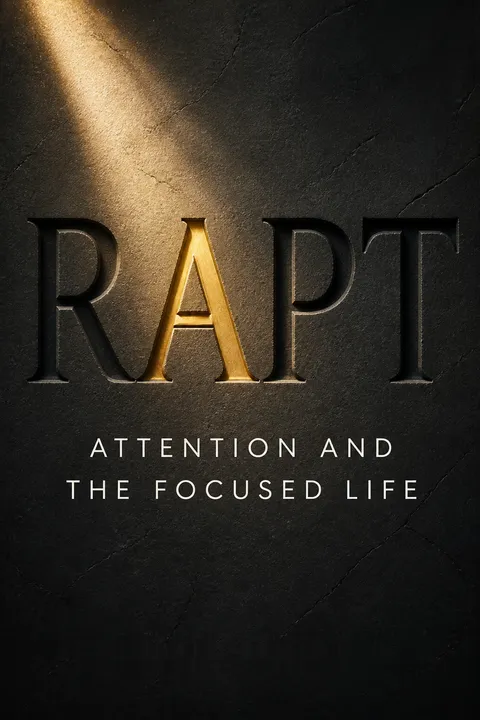

重要ポイント
1. 注意はあなたの現実と体験を形作る
「あなたの人生――あなたが誰で、何を考え、感じ、行動し、何を愛するか――は、あなたが何に注意を向けるかの総和である。」
選択的注意。 私たちの脳は一度に処理できる情報量に限りがある。注意はフィルターの役割を果たし、重要だと判断したものを強調し、それ以外を抑制する。この選択的なプロセスは、世界を理解する助けとなるだけでなく、主観的な現実をも形作る。
神経可塑性。 研究によれば、継続的に注意を向ける対象は脳の物理的な変化をもたらす。例えば、ロンドンのタクシードライバーは複雑な街路のナビゲーションに集中することで、空間記憶に関わる海馬が大きくなることが知られている。
実践的な示唆:
- 何に注意を向けるかを意識しよう。それがあなたの体験や現実認識に大きな影響を与える。
- ポジティブな側面に定期的に注意を向け、楽観的な見方を育てる。
- 生産的でない思考から建設的なものへ意識的に焦点を移す練習をする。
2. 感情と注意は相互に影響し合う
「良い感情は、世界を見るレンズを広げる。」
感情が注意に与える影響。 私たちの感情状態は、何に気づき、何に注意を向けるかに大きく影響する。ポジティブな気分のときは注意の範囲が広がり、より多くの情報や可能性を捉えられる。一方、ネガティブな感情は注意を狭め、しばしば脅威や問題に集中させる。
注意が感情に与える影響。 感情が注意に影響を与えるのと同様に、どこに注意を向けるかは感情状態に深い影響を及ぼす。意識的にポジティブな側面に注意を向けたり、ネガティブな出来事を再解釈したりすることで、気分や全体的な幸福感を改善できる。
重要な戦略:
- 感謝の気持ちを育て、日常的に感謝すべきことに注意を向ける。
- 困難に直面したときは、そこから学べることや希望の光を探す。
- マインドフルネスの技法を用いて、過去のネガティブや未来の不安にとらわれないようにする。
3. あなたの焦点はあなたのアイデンティティを決定し、その逆もまた然り
「気質や個人的経験だけでなく、文化も注意とアイデンティティの関係に影響を与える。」
注意のスタイル。 人それぞれ、性格や経験、文化的背景によって独自の注意の向け方がある。この特徴的な注意の仕方が、私たちのアイデンティティの形成と維持に重要な役割を果たす。
文化的影響。 文化によって注意の重点は異なる。例えば、西洋文化は個々の対象に注目する傾向が強いのに対し、東洋文化は物事の関係性や文脈に注意を向けることが多い。
注意スタイルを形作る要因:
- 性格特性(内向性・外向性など)
- 文化的な育ちや価値観
- 個人的な興味や経験
- 神経学的な違い
4. 集中した注意は生産性と充実感の鍵である
「あなたの体験、世界、そして自己は、あなたが何に注意を向けるかによって創られている。」
フロー状態。 心理学者ミハイ・チクセントミハイの「フロー」は、課題に完全に没頭し、時間の感覚が消え、パフォーマンスが最適化される状態を指す。この没頭した注意状態は高い生産性をもたらすだけでなく、内発的な満足感も伴う。
挑戦の選択。 フローを達成し生産性を最大化するには、十分に集中を要しつつも圧倒されない程度の適度な難易度の活動に取り組むことが重要だ。
生産的な集中の要素:
- 明確な目標と即時のフィードバック
- 挑戦とスキルのバランス
- 最小限の気晴らし
- コントロール感と自律性
- 自意識の喪失と時間の歪み
5. 創造性は能動的で探求的な注意によって育まれる
「マインドフルネスは心地よいため、この注意の向け方は自己強化される。」
発散的思考。 創造的な問題解決には、広範で連想的な思考を可能にする注意が必要だ。これは新しいアイデアに開かれ、一見無関係な概念同士を結びつけることを含む。
インキュベーション期間。 時には、問題に積極的に集中していないときに最も創造的な解決策が生まれる。心を自由にさまよわせ、別の活動に従事することで、突然の洞察や突破口が得られることがある。
創造的注意を高める戦略:
- 判断せず観察するマインドフルネスを実践する
- 多様な経験を積み、精神的な連想を広げる
- 集中作業の合間に休息や気晴らしの時間を設ける
- 新しいアイデアや視点を探求し、好奇心を育む
6. マルチタスクは幻想であり、集中した作業の方が効率的である
「マルチタスクには代償があり、人々は自分が思うほど上手くない。」
注意の切り替え。 私たちがマルチタスクだと感じるのは、実際にはタスク間の急速な切り替えである。この切り替えは認知的負荷が高く、効率低下やミスの増加を招く。
シングルタスクの利点。 一度に一つの作業に集中することで、深い没入感が得られ、情報の保持や成果の質が向上する。また、頻繁な切り替えに伴うストレスや精神的疲労も軽減される。
集中作業のためのヒント:
- 環境の気晴らしを最小限に抑える
- ポモドーロ・テクニック(25分集中+短い休憩)を活用する
- 類似したタスクをまとめて処理し、切り替えを減らす
- マインドフルネスを実践し、注意持続力を高める
7. 注意力トレーニングは心身の健康を向上させる
「シェイクスピアが言うように、もし世界が舞台なら、あなたはどこにスポットライトを当てるのか?」
瞑想とマインドフルネス。 定期的な瞑想やマインドフルネスの実践は、脳の注意ネットワークを強化し、集中力や感情調整、全体的な健康状態を改善する。
健康効果。 研究によれば、瞑想による注意力トレーニングは、ストレス軽減、免疫機能の向上、痛みの管理など、心身両面にわたる有益な効果をもたらす。
注意力トレーニングの応用例:
- ストレスや不安の軽減
- 慢性痛の管理
- 感情調整の改善
- 認知機能や記憶力の向上
- 睡眠の質の改善
8. マインドフルな意思決定はより良い選択をもたらす
「人生で考えている間は、何もそれほど重要ではない。」
フォーカシング錯覚。 私たちは現在注意を向けていることの重要性を過大評価しがちで、それが誤った意思決定につながることがある。このバイアスを自覚することで、よりバランスの取れた選択が可能になる。
適応。 人は新しい状況に適応する能力を過小評価しがちで、それが長期的な幸福や満足度を向上させない選択を招くことがある。
より良い意思決定のための戦略:
- 重要な選択をする前に多角的な視点を考慮する
- 短期的な感情の影響を意識する
- 過去の適応経験を踏まえて未来のシナリオを評価する
- マインドフルネスを実践し、全体的な気づきを高め衝動的な選択を減らす
9. 動機づけと注意は密接に結びついている
「人生は比較的短い。目標から目標へと注意を切り替え続けてどこかに辿り着けるという幻想に囚われてはいけない。」
目標指向的注意。 目標達成への動機は、私たちが何に注意を向けるかに大きな影響を与える。逆に、注意の向け先が動機を形成し強化することもある。
根気と持続力。 長期的な目標に対して一貫した関心と努力を維持する能力(グリット)は、持続的な注意力と密接に関連している。この特性を育むことで、より大きな成果と人生の満足感が得られる。
動機づけと注意の重要ポイント:
- 自分の価値観や長期目標に焦点を合わせる
- 大きな目標を注意しやすい小さなタスクに分解する
- 努力の「なぜ」を定期的に思い出す
- 挑戦を乗り越えるために成長マインドセットを育てる
10. 徳を育むには意図的な注意が必要である
「ジムでただ体を鍛えるだけでなく、自分をより良い人間にすることに注意を向けられたら素晴らしいのに。」
人格形成。 親切さ、勇気、知恵などのポジティブな性格特性や徳を育むには、意図的な注意と実践が欠かせない。これらの資質を表現する機会に注意を向けることで、時間をかけて強化できる。
ポジティブ心理学。 ポジティブ心理学の研究は、強みや徳の育成に注意を向けることが幸福感や人生満足度の向上につながることを示している。
徳を育むためのステップ:
- 育てたい徳を明確にする
- 日々の生活でそれらを実践する機会を探す
- 経験と進捗を振り返る
- ロールモデルや感動的な例を求める
- 目標を他者と共有し、責任感と支援を得る
11. ポジティブな体験を味わうことは幸福感を高める
「あなたは探すものを見る。喜びを受け身で待つのではなく、自ら注意を向けて見つけ出すことができる。」
味わうこと。 ポジティブな体験に意図的に注意を向け、それを深める実践は、幸福感や人生満足度を大きく高める。これは快楽の瞬間に完全に没入し、見過ごさずに味わうことを意味する。
神経可塑性。 ポジティブな体験に定期的に注意を向けることで、脳の構造や機能が変化し、将来的にポジティブな側面をより容易に認識し感謝できるようになる。
味わうための技法:
- 楽しい活動中にマインドフルネスを実践する
- ポジティブな体験を他者と共有する
- 心の中で写真を撮る、または喜びの記録をつける
- 未来のポジティブな出来事を予期し計画する
- 過去の良い体験を思い返す
他の人が読んだ本








よくある質問
What's Rapt: Attention and the Focused Life about?
- Focus Shapes Experience: The book explores how attention is crucial in shaping our experiences, thoughts, and feelings. Gallagher argues that our focus significantly influences our reality and well-being.
- Scientific Insights: It combines neuroscience and psychology to explain how attention works and its impact on productivity, relationships, and health.
- Personal Journey: Gallagher shares her experiences, particularly during her cancer battle, to illustrate the transformative power of focused attention.
Why should I read Rapt: Attention and the Focused Life?
- Practical Applications: The book offers advice on managing attention effectively, leading to improved productivity and satisfaction.
- Understanding Attention: It provides insights into the mechanisms of attention, helping readers recognize how focus shapes experiences and decisions.
- Inspiration for Change: Gallagher’s narrative inspires readers to take charge of their attention and, consequently, their lives.
What are the key takeaways of Rapt: Attention and the Focused Life?
- Attention is Selective: Attention is a selective process that shapes our reality. What we focus on becomes our experience.
- Mindfulness Matters: Gallagher advocates for mindfulness and intentional focus to enhance well-being and create a fulfilling life.
- Attention Affects Relationships: The quality of relationships is influenced by how we pay attention to others, strengthening bonds and improving communication.
What are the best quotes from Rapt: Attention and the Focused Life and what do they mean?
- “My experience is what I agree to attend to.”: This quote by William James highlights the power of choice in determining our reality.
- “Your life is the creation of what you focus on—and what you don’t.”: Gallagher stresses that our lives are constructed from our attentional choices.
- “Attention is the key to awareness.”: This statement underscores the importance of attention in shaping our consciousness and experiences.
How does Winifred Gallagher define attention in Rapt: Attention and the Focused Life?
- Attention as Concentration: Defined as “the concentration of the mental powers” directed toward an object of sense or thought.
- Physiological Process: Attention involves the brain's ability to select and enhance certain stimuli while suppressing others.
- Two Types of Attention: Distinguishes between involuntary (bottom-up) and voluntary (top-down) attention.
How does attention relate to productivity in Rapt: Attention and the Focused Life?
- Focus Enhances Performance: Sustained attention is crucial for productivity, leading to a state of flow and greater efficiency.
- Choosing Engaging Tasks: Selecting tasks that are challenging and enjoyable can enhance focus and productivity.
- Avoiding Distractions: Minimizing distractions is important to maintain focus and improve work output.
How does Rapt: Attention and the Focused Life address the relationship between attention and emotions?
- Emotions Influence Focus: Emotional states affect what we pay attention to, with positive emotions broadening focus.
- Mindfulness and Emotional Regulation: Mindfulness practices help manage emotions and improve attention.
- Attention as a Tool for Change: By directing attention, we can shift emotional experiences and enhance resilience.
What is the significance of mindfulness in Rapt: Attention and the Focused Life?
- Mindfulness Enhances Focus: Mindfulness improves concentration by being present in the moment.
- Cultivating Awareness: It helps cultivate awareness of thoughts and feelings, allowing intentional focus choices.
- Long-term Benefits: Practicing mindfulness fosters well-being and can improve relationships and productivity.
How does Winifred Gallagher suggest we can improve our attention in Rapt: Attention and the Focused Life?
- Practice Mindfulness: Incorporate mindfulness practices into daily routines to enhance focus.
- Set Clear Goals: Setting specific, achievable goals helps direct attention effectively.
- Engage in Challenging Activities: Engaging in enjoyable and challenging activities maintains attention and fosters flow.
How does Rapt: Attention and the Focused Life define the "experiencing self" and "remembering self"?
- Experiencing Self: Lives in the moment, fully engaged with current experiences.
- Remembering Self: Reflects on past experiences and evaluates them based on memories.
- Impact on Decision-Making: Understanding these selves helps make better choices by balancing perspectives.
What strategies does Rapt: Attention and the Focused Life suggest for improving focus?
- Mindfulness Practices: Techniques like meditation and focused breathing enhance attention.
- Limit Distractions: Minimize distractions to maintain focus, creating dedicated spaces for work or relaxation.
- Set Intentional Goals: Identify what truly matters to direct focus effectively and enhance satisfaction.
How does Rapt: Attention and the Focused Life address the concept of multitasking?
- Multitasking as a Myth: Our brains aren't designed for multiple demanding tasks simultaneously, leading to inefficiency.
- Focus on One Task: Emphasizes dedicating uninterrupted time to a single activity for better outcomes.
- Cognitive Costs of Multitasking: Discusses time lost when switching tasks, reinforcing the benefit of maintaining focus.
PDFをダウンロード
EPUBをダウンロード
.epub digital book format is ideal for reading ebooks on phones, tablets, and e-readers.








































