
重要ポイント
1. 臨死体験は脳機能を超えた意識の存在を示す証拠である。
臨死体験は、脳が一時的に機能不全に陥っている間でも意識体験が可能であることを示している。
意識の異常現象。 臨死体験(NDE)は、脳が臨床的に死んでいる状態であっても意識体験が生じることを示し、意識が脳機能の産物だけであるとする唯物論的見解に挑戦する。これらの体験は頻繁に報告され、しばしば真実性のある知覚を伴う。
共通の特徴。 臨死体験は、体外離脱、トンネルビジョン、故人や光の存在との遭遇、人生の全体的な回顧など、多様な報告に共通する核心的特徴を持つ。プラトンのエルの物語のような歴史的記録も、これらの体験が新しいものではないことを示している。
記録された事例。 ピム・ヴァン・ロメルやマイケル・サボムらの研究、パム・レイノルズの手術例などは、脳活動が全く測定されない期間に複雑な意識体験が起こる臨床的証拠を提供し、意識が独立して存在しうることを示唆している。
2. 幽霊現象や死後の交信は死後も意識が存続することを示唆する。
幻視や幽霊現象は例外的なものではないように見える。
故人との接触。 幽霊現象や死後の交信(ADC)は、故人と自発的または誘発的に接触する報告であり、文化や歴史を超えて広く見られる。
真実の情報。 多くの事例では、生存者が当時知らなかった事実情報が伝えられ、後に検証されている。例えば、死に際の人が知らなかった最近亡くなった親族の幻視や、死の状況に関する詳細などが挙げられる。
体系的研究。 心霊研究協会やADCプロジェクトのような組織は数千件の事例を収集し、これらの現象を研究する基盤を築いている。これらは物理的死後にも意識の一形態が現れ、交信可能であることを示唆している。
3. 霊媒を介した交信は肉体を離れた存在との接触を可能にする。
接触された存在は、現在生存している人の意識ではない準生命的な意識であるように見える。
チャネリングメッセージ。 霊媒を通じて故人と交信することがあり、通常はトランス状態の霊媒が生存者にメッセージを伝える。これは自発的な接触とは異なり、第三者が交信を媒介する形態である。
信憑性の証拠。 信頼できる事例では、霊媒や参加者が知らない情報が提供され、詐欺や生存者からのテレパシーの可能性が最小化されている。難解な知識や言語を含むこともあり、クロスコレスポンデンス実験はその代表例である。
意図的な交信。 一部のチャネリングされた存在は意図性を示し、R101飛行船事故の詳細やローデン・ノエルの謎のような具体的かつ検証可能な情報を提供したり、ゲザ・マロチとのチェス対局のような複雑な交流を行ったりする。これらは彼らが独立した意識的個性であることを示唆している。
4. 器械的交信は電子機器を通じて故人と接触を可能にする。
意識は電子機器が音声や映像に変換できる信号を生み出す形態で存在しうるようだ。
電子音声現象。 器械的交信(ITC)、特に電子音声現象(EVP)は、ラジオやテレビ、コンピューターなどの電子機器を通じて故人からの異常な声や映像を記録する現象である。
先駆的研究。 コンスタンティン・ラウディヴやフリードリヒ・ユルゲンソンらの初期研究者は、数千の声を捕捉し、しばしば識別可能な言葉や個人的メッセージを含んでいた。後のハンス・オットー・ケーニッヒやアナベラ・カルドーゾの研究は、特殊な装置と管理された条件下で行われた。
検証可能な詳細。 一部のITC事例では、実験者が知らなかった特定の名前や出来事、技術的詳細が含まれ、情報源が外部かつ知性的であることを示唆している。マルチェロ・バッチのラジオ音声は多くの目撃者がいる説得力のある例である。
5. 前世の記憶は現生の記憶ではない体験を明らかにする。
意識に浮かび上がる記憶が本人の前世のものであるか他者の断片であるかにかかわらず、現生の記憶ではない記憶が現れることがある。
回帰分析。 催眠を用いた心理療法的回帰は、前世の記憶と思われるものを引き出すことがあり、未知の言語を話したり、後に検証された歴史的詳細を述べたりすることがある。
歴史的記録。 アルベール・ド・ロシャスのような研究者は、トランス状態の個人が歴史的記録と一致する人生や出来事を語る事例を記録し、現在の知識を超えた情報へのアクセスを示唆している。
個人的記憶を超えて。 これらが真の個人的前世であるか、より広範な意識のプールへのアクセスであるかにかかわらず、個人の現生の人生に属さない詳細な記憶や体験が変性意識状態で現れる現象を示している。
6. 輪廻転生に類似した体験は意識が新たな身体に再出現することを示す。
死者が生者によって再び体験され、まるで再び生きているかのように感じられることは合理的な疑いを超えて確かである。
幼児期の現象。 輪廻を示唆する体験は、特に2歳から6歳の子どもに多く見られ、前世の鮮明な記憶やそれに伴う行動、恐怖症が現れることがある。
検証可能な詳細。 イアン・スティーブンソンやジム・タッカーの先駆的研究は、子どもたちが故人の生活、家族、死の詳細を具体的に語り、それが独立した証人や記録によって裏付けられた数千の事例を記録している。
身体的相関。 一部の事例では、子どもに前世の人物の傷や特徴に対応する出生痕や先天的欠損が見られ、二つの人生の物理的なつながりを示し、証拠を強化している。
7. 現代科学は根本的な非物質的次元を再発見しつつある。
本書で論じる新しいパラダイムでは、基盤は宇宙の深遠な次元、「アーカーシャ」である。
時空を超えて。 量子場理論や宇宙論など最先端の物理学は、観測可能な宇宙が究極の実在ではなく、根底にある本質的に観測不可能なマトリックスや場の顕現であることを示唆している。
情報の優位性。 新たなパラダイムは、物質ではなく情報を基本的実在とみなし、時空内の存在はこの深次元における励起や投影と見なす。これは時空を超えた存在である。
科学的概念。 FQH状態、ストリングネット理論、アンプリチュードロンなどの発見は、物理世界の根底にある相互連結した基盤を示し、古代の宇宙根源の概念を想起させる。
8. この深次元アーカーシャが現実と意識の基盤である。
アーカーシャ・パラダイムは、時空の出来事をアーカーシャ深次元における根本的関係の顕現とみなす。
宇宙的意識。 アーカーシャは単なる情報場ではなく、宇宙の統合的意識と提案される。個々の意識はこの統一的宇宙意識の局所的顕現またはホログラフィックな投影とされる。
「ハード・プロブレム」の解明。 この視点は、物質的脳が非物質的意識を生み出す謎を解決し、意識は脳によって生み出されるのではなく、アーカーシャ内に独立して存在すると位置づける。
本質的な結びつき。 個々の意識はアーカーシャと本質的に結びついており、意識内のすべてはこの宇宙的次元と統合されているため、個人的経験を超えた情報へのアクセスが可能となる。
9. 意識は宇宙的現象であり、脳はそれを伝達し表示する装置である。
脳は意識を生み出すのではなく、伝達し表示する。
生産ではなく伝達。 オーケストラの交響曲を送信するラジオに例えられ、脳は宇宙的アーカーシャに独立して存在する意識を受信し表示する装置とみなされる。脳の機能が停止すると伝達は止まるが、意識は存続する。
観察を超えて。 私たちは意識を主観的に体験し、物理的対象として観察しない。同様にアーカーシャは観察されるものではなく、その効果を通じて体験されるため、物理的脳とは異なる現実の次元で作用していると考えられる。
量子的連結。 ペンローズとハメロフのOrch OR理論のように、深次元の意識が脳内の量子レベルの構造と相互作用する仕組みが提案されている。
10. 死は局所化された意識が宇宙的アーカーシャに還ることである。
死は存在の終わりではなく、個別に局所化された意識が宇宙へ還ることである。
情報の保存。 個々の意識のすべての思考、感情、体験はアーカーシャと本質的に結びつき保存されている。これは転送ではなく連続的な統合である。
途切れない結びつき。 死により身体は機能を停止するが、個別意識と宇宙意識の結びつきは途切れない。個人の意識の全体はすでにアーカーシャの一部である。
身体を超えた軌跡。 身体の構成要素は物理的な経路をたどるが、身体全体を形成していた意識は消滅せず、宇宙意識の本質的な一部として存在し続ける。
11. 死後の体験は多様であり、意識の進路に影響を与える。
人間の意識は身体を離れた後、複数の道をたどることができるようだ。
多様な体験。 臨死体験はしばしば平和、光、喜びに満ち、帰還をためらわせる。一方、輪廻転生の中間期の記憶は不快や苦痛の期間を描写することもある。
精神的視点。 チベット仏教のバルド状態や西洋の天国・地獄の概念など、宗教的・精神的伝統は、個人の生涯や行為(カルマ)に影響される多様な死後の旅路を描く。
帰還または進展の道。 意識はさらなる発展や過去の行為の清算のために輪廻転生を通じて地上に戻ることもあれば、より高次の領域へ進み、最終的にアーカーシャの統合意識に収束することもある。
12. 意識の不死性を認識することは人類に新たな時代をもたらす。
意識が不滅であると気づくことは、生きる喜びと死への安らぎをもたらす確信を与える。
意識的死の超越。 人類は無意識から直感、そして現在の意識的死の時代へと移行してきた。現在は死を存在の終わりとみなし、恐怖や即時的満足に焦点が当たることが多い。
新たなビジョン。 脳を超えた意識の持続を支持する科学的証拠は、新たな時代、すなわち意識的な不死の基盤を提供する。これは単なる信念ではなく、信頼できる可能性である。
変革的影響。 不滅の心の自覚は、人間の価値観や行動を根本的に変え、他者や環境への責任感を高め、死の恐怖を減少させ、より深い目的意識と連続性をもたらすだろう。
レビューまとめ
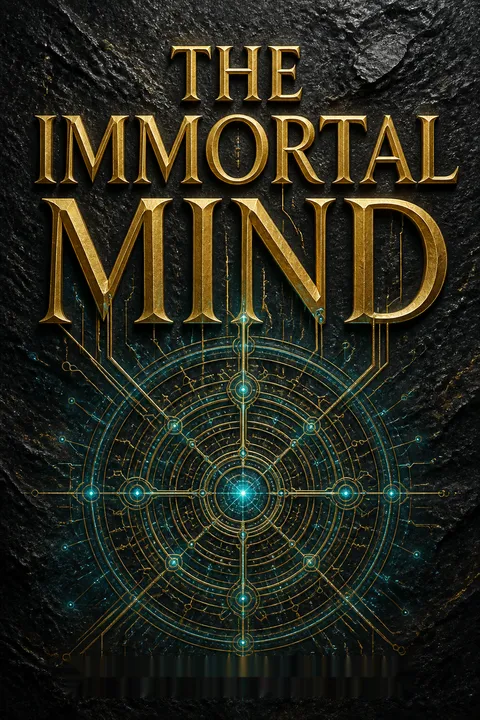
『The Immortal Mind』は賛否両論の評価を受けており、平均評価は5点満点中4.02点である。多くの読者は、本書が脳を超えた意識の探求を科学的手法で行っている点に魅力を感じ、刺激的で考えさせられる内容だと評価している。肯定的なレビューでは、本書の説得力ある前提や事例研究、量子物理学との統合が特に高く評価されている。一方で、批判的な意見としては、科学的証拠が十分でないことや、逸話的な体験に過度に依存している点が指摘されている。また、文章が堅苦しい、あるいは複雑すぎると感じる読者もいるが、臨死体験や生まれ変わり、不滅の意識の可能性について丁寧に検証している点を評価する声もある。
他の人が読んだ本



よくある質問
1. What is "The Immortal Mind" by Ervin Laszlo about?
- Explores Consciousness Beyond Death: The book investigates whether consciousness, mind, or soul continues after the death of the physical body, drawing on scientific evidence and case studies.
- Challenges Materialist Paradigm: Laszlo questions the mainstream scientific view that the brain produces consciousness, proposing instead that consciousness may exist independently of the brain.
- Presents Multidisciplinary Evidence: The book reviews data from near-death experiences (NDEs), apparitions, after-death communications, mediumship, past-life recollections, and reincarnation cases.
- Introduces the Akasha Paradigm: Laszlo integrates findings from quantum physics and cosmology, suggesting that consciousness is part of a deeper, non-material dimension called the Akasha.
- Offers a New Vision of Immortality: The book concludes with the idea that understanding the immortality of consciousness could transform individual and collective human life.
2. Why should I read "The Immortal Mind" by Ervin Laszlo?
- Evidence-Based Exploration: The book provides a comprehensive, evidence-driven examination of life after death, appealing to both skeptics and believers.
- Interdisciplinary Approach: It bridges science, philosophy, and spirituality, offering insights from neuroscience, physics, psychology, and parapsychology.
- Paradigm-Shifting Ideas: Laszlo challenges conventional scientific dogma, encouraging readers to reconsider the nature of consciousness and reality.
- Personal and Societal Impact: Understanding the continuity of consciousness could reduce fear of death and inspire more meaningful, responsible living.
- Accessible and Engaging: The book is written for a general audience, with clear explanations, real-life cases, and thought-provoking arguments.
3. What are the key takeaways from "The Immortal Mind" by Ervin Laszlo?
- Consciousness May Survive Death: Multiple lines of evidence suggest that consciousness can exist independently of the brain and persist after physical death.
- The Brain as a Receiver: Rather than producing consciousness, the brain may act as a transmitter or receiver of a more fundamental, nonlocal consciousness.
- The Akasha Field: Laszlo proposes that consciousness is rooted in the Akasha, a deep dimension of reality that underlies space and time, as supported by modern physics.
- Empirical Support: Case studies of NDEs, mediumship, reincarnation, and instrumental transcommunication provide robust, cross-cultural evidence for survival.
- Implications for Humanity: Accepting the immortality of consciousness could usher in a new era of human understanding, ethics, and purpose.
4. How does "The Immortal Mind" by Ervin Laszlo define and explain the Akasha paradigm?
- Ancient and Modern Roots: The Akasha is described as a concept from Indian philosophy, representing a fundamental, all-pervading field or dimension.
- Scientific Correlates: Laszlo connects the Akasha to modern scientific ideas such as the quantum field, holographic universe, and information theory.
- Source of Consciousness: The Akasha is posited as the origin and repository of consciousness, where all experiences and information are stored and accessible.
- Explains Nonlocal Phenomena: The paradigm accounts for phenomena like entanglement, telepathy, and past-life memories as interactions with the Akashic field.
- Integrative Framework: The Akasha paradigm unites spiritual traditions and cutting-edge science, offering a holistic view of mind and cosmos.
5. What evidence does "The Immortal Mind" present for consciousness existing beyond the brain?
- Near-Death Experiences (NDEs): Documented cases where individuals report veridical perceptions and experiences while clinically brain-dead.
- Apparitions and After-Death Communication: Accounts of people receiving information from deceased individuals, sometimes with verifiable details unknown to the living.
- Medium-Transmitted Communication: Investigations into mediums who convey messages from the dead, including cross-correspondences and proxy sittings with robust controls.
- Instrumental Transcommunication: Reports of electronic voice phenomena (EVP) and other technological means allegedly enabling contact with the deceased.
- Past-Life Recollections and Reincarnation: Cases, especially in children, where memories, behaviors, and birthmarks correspond to previous lives, often verified by independent sources.
6. How does "The Immortal Mind" by Ervin Laszlo interpret near-death experiences (NDEs)?
- Consciousness During Clinical Death: NDEs provide evidence that conscious experience can occur when the brain is nonfunctional or clinically dead.
- Common Traits: NDEs often include out-of-body experiences, encounters with deceased relatives, life reviews, and a reluctance to return to the body.
- Veridical Perceptions: Some NDEs involve accurate observations of events or objects that the experiencer could not have known by normal means.
- Scientific Studies: The book cites research by Pim van Lommel, Bruce Greyson, and others, showing significant percentages of NDEs among cardiac arrest survivors.
- Challenges to Materialism: NDEs are presented as anomalies that cannot be explained by current materialist neuroscience.
7. What are apparitions and after-death communications according to "The Immortal Mind," and what evidence supports them?
- Spontaneous and Induced Contact: Apparitions involve the perceived presence of deceased individuals, sometimes providing verifiable information; after-death communications (ADCs) can be spontaneous or induced in therapy.
- Historical and Modern Cases: The book reviews cases from the 19th century to the present, including deathbed visions and messages with factual content unknown to the recipient.
- Large-Scale Studies: Surveys by researchers like Karlis Osis and Emily Williams Kelly show a significant percentage of dying patients report visions of the deceased.
- Cross-Cultural Phenomenon: Such experiences are reported worldwide, across different cultures and belief systems.
- Implications for Survival: The evidence suggests that a form of consciousness or self persists and can interact with the living after bodily death.
8. How does "The Immortal Mind" by Ervin Laszlo address mediumship and medium-transmitted communication?
- Types of Mediumship: The book distinguishes between physical and mental mediumship, focusing on the latter due to its greater evidential value.
- Controlled Investigations: It highlights cases where mediums, under strict controls, conveyed information unknown to themselves or anyone present, such as the Leonora Piper and cross-correspondence cases.
- Proxy Sittings and Group Communication: Describes methods to rule out fraud or telepathy, including using proxies and multiple independent mediums.
- Notable Cases: Includes examples like the chess game with a deceased grandmaster and the Edgar Vandy case, where detailed, verifiable information was transmitted.
- Super-ESP vs. Survival: While acknowledging the super-ESP hypothesis, the book argues that the evidence more plausibly supports genuine communication with discarnate consciousness.
9. What is instrumental transcommunication (ITC) in "The Immortal Mind," and what are its most compelling cases?
- Definition and Methods: ITC refers to the use of electronic devices (radios, tape recorders, computers, TVs) to receive messages from the deceased.
- Historical Development: The book traces ITC from early 20th-century experiments to modern research by figures like Konstantin Raudive, Friedrich Jürgenson, and Anabela Cardoso.
- Notable Experiments: Includes cases where voices or images appeared under controlled conditions, sometimes recognized by relatives or containing personal information.
- Cross-Verification: Some ITC events were witnessed by multiple people, recorded, and analyzed by independent engineers to rule out fraud or technical error.
- Implications: ITC is presented as further evidence that consciousness can interact with the physical world after death, supporting the Akasha paradigm.
10. How does "The Immortal Mind" by Ervin Laszlo approach past-life recollections and reincarnation?
- Regression and Spontaneous Memories: The book discusses both hypnotic regression and spontaneous past-life memories, especially in young children.
- Verifiable Details: Many cases involve specific names, places, and events later confirmed by independent investigation, sometimes including birthmarks matching fatal wounds.
- Cross-Cultural Evidence: Reincarnation-type experiences are found worldwide, not limited to cultures with a belief in reincarnation.
- Notable Researchers: Highlights the work of Ian Stevenson and Jim Tucker, who documented thousands of cases with rigorous methodology.
- Alternative Explanations: While acknowledging possible alternative explanations (e.g., super-ESP, Akashic recall), the book argues that the evidence strongly supports the survival and continuity of consciousness.
11. What scientific theories and concepts does "The Immortal Mind" use to explain the persistence of consciousness?
- Quantum Physics and Nonlocality: The book draws on quantum entanglement, holographic spacetime, and the amplituhedron to suggest a reality beyond space and time.
- The Brain as a Transmitter: Proposes that the brain receives and displays consciousness, rather than generating it, analogous to a radio or computer accessing the cloud.
- Akasha as Information Field: The Akasha is likened to a cosmic information field where all experiences are stored and accessible, explaining phenomena like past-life recall and mediumship.
- Orchestrated Objective Reduction: References Penrose and Hameroff’s Orch OR theory as a possible mechanism for consciousness interacting with the physical brain.
- Integration of Science and Spirituality: The book argues that modern science is converging with ancient spiritual insights about the fundamental nature of mind and reality.
12. What are the broader implications and key quotes from "The Immortal Mind" by Ervin Laszlo?
- Transforming Worldview: Accepting the immortality of consciousness could lead to a new era of conscious immortality, changing how individuals and societies view life, death, and purpose.
- Ethical and Existential Impact: A belief
著者について
PDFをダウンロード
EPUBをダウンロード
.epub digital book format is ideal for reading ebooks on phones, tablets, and e-readers.








































