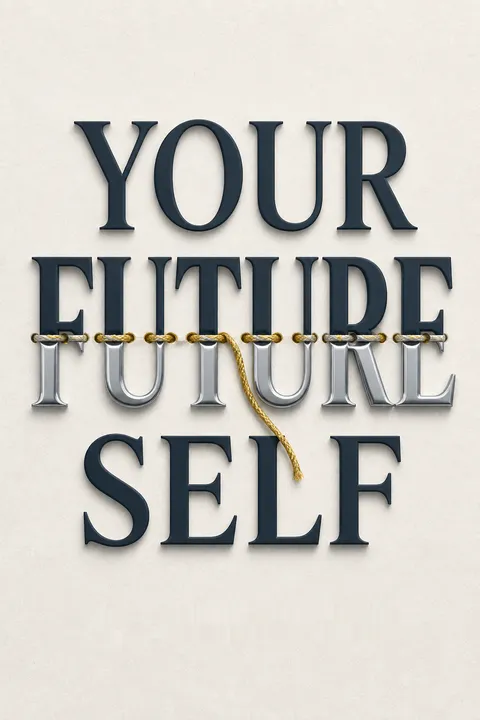

重要ポイント
1. 私たちの未来の自己は他人のような存在である
脳の中で、未来の自己は現在の自己よりもむしろ他人のように見える。
神経学的証拠。 脳のイメージング研究によれば、未来の自己を考えるときの神経活動は、現在の自己を考えるときよりも他人を思い浮かべるときの活動に近いことが示されている。この神経学的な違いは、現在の自己と未来の自己の間に心理的な距離が存在することを示唆している。
行動への影響。 この「他者感覚」は、未来の自分への共感や関心の欠如を招くことがある。見知らぬ人を助ける気持ちが薄れるのと同様に、未来の自己のために犠牲を払う動機も弱くなりがちだ。
- 退職後の貯蓄が少なくなる
- 健康リスクを無視する
- 即時の快楽を優先する
ギャップを埋める。 この断絶を認識することが、未来の自己との関係を強化する第一歩である。未来の自己をより現実的で親しみやすい存在に感じられるよう工夫することで、時間的な隔たりを縮め、現在と未来の両方の幸福に資する選択が可能になる。
2. 時間は私たちの視点を歪める
毎日1パーセントずつ成長すれば、1年後には37倍も成長している。
主観的な時間感覚。 私たちの時間の捉え方は直線的ではなく、感情や経験に左右される。未来が遠くなるほど時間が圧縮され、遠い出来事は目の前の出来事よりも重要性が薄く感じられる。
現在バイアス。 この時間の歪みは、未来よりも現在を優先する傾向を助長する。今日の小さな報酬の即時的な満足感が、遠い未来のより大きな報酬の価値を上回ることが多い。
- 今すぐ少額の金銭を選び、将来の大金を逃す
- 健康的な食事よりジャンクフードを選ぶ
- 運動よりも娯楽を優先する
影響を和らげる。 時間の歪みを理解することで、その影響を打ち消す手段を講じられる。長期目標を小さく分割したり、未来の報酬をより具体的かつ即時的に感じられる工夫が有効だ。
3. 現在は強力なアンカーである
現在は感情の拡大鏡の下にあるように見える。
感情の強度。 現在の感情は意思決定を支配しがちで、未来の自己の感情をかき消してしまう。この「感情の拡大鏡」は、即時的な欲求を満たす選択を促し、長期的な目標を損なうことがある。
本能的な影響。 空腹や渇き、欲求などの強い感情は理性的な判断を妨げる。これらの本能的要因は即時的な満足の魅力を増幅し、行動の結果を考慮しにくくする。
- 空腹時の過剰な買い物
- 欲求に負ける
- 衝動的な購入
対策。 現在の力を克服するには、感情を管理し即時的な誘惑に抵抗する戦略が必要だ。マインドフルネスの実践、明確な境界設定、トリガーとなる環境の排除などが効果的である。
4. 人間関係が時間の隔たりをつなぐ
遠い未来の自己が親しい友人や愛する人のように感じられれば、明日のために今日行動する可能性は格段に高まる。
社会的つながり。 愛する人のために犠牲を払うのと同様に、未来の自己に強い共感やつながりを感じると、その利益のために行動しやすくなる。このつながりは様々な方法で育むことができる。
未来の自己との関係を強化する方法:
- 未来の自己を視覚化する
- 未来の自己に手紙を書く
- 共有する価値観や目標を振り返る
強い関係の利点。 未来の自己とのつながりが強いほど、貯蓄の増加、健康行動の改善、倫理的な意思決定の向上など、多くの良い結果が得られる。未来の自己を社会的な大切な存在として扱うことで、責任ある行動と長期的な計画の強力な動機付けとなる。
5. 先延ばしは未来計画の失敗である
先延ばしは単に今日できることを明日に回すだけでなく、遅らせることで自分を傷つけていることを知りながら行う行為である。
アクラシア(意志弱さ)。 先延ばしは怠惰以上のものであり、より良い判断に反して行動するアクラシアの一形態だ。タスクを遅らせることで未来の自己に害を及ぼすと分かっていても、始める不快感を避けるために回避してしまう。
鮮明さの欠如。 先延ばしは、行動しなかった場合の結果を鮮明に想像できないことに起因することが多い。未来を表面的にしか考えられず、選択の感情的影響を十分に理解していない。
- 医者の予約を入れない
- 重要なタスクを後回しにする
- 締め切りを無視する
悪循環の打破。 先延ばしを克服するには、未来をより現実的かつ即時的に感じさせる戦略が必要だ。タスク完了の利益を視覚化したり、小さなステップに分解したりすることが有効である。自己許しも重要な要素だ。
6. コミットメント装置が軌道を保つ
1日に25回決断するよりも、1回の決断をする方がずっと楽だった。
事前コミットメント。 コミットメント装置とは、将来の選択肢を制限することで目標達成を助ける道具である。あらかじめ意識的に決断することで、その場の誘惑に負けるのを防ぐ障壁を作り出せる。
コミットメント装置の種類:
- 物理的障壁:誘惑物を鍵付きで保管する
- 金銭的インセンティブ:目標未達成時の罰則
- 社会的責任:公に行動計画を宣言する
効果。 自制心の弱さを自覚している人に特に効果的だ。自分の弱点を認め、選択肢を事前に制限することで成功率を高められる。
7. 現在の犠牲を楽にする
アンタビュースが対処法の選択肢からアルコールを除くことで、キャノンの破滅前の心境が明らかになった。
現在への配慮。 未来の計画は重要だが、同時に現在の瞬間を耐えやすくすることも欠かせない。犠牲を感じにくくする工夫によって、長期目標への動機と継続力を高められる。
現在の犠牲を和らげる方法:
- 誘惑の束ね合わせ:嫌な作業に楽しい活動を組み合わせる
- 周辺没入:退屈な作業中に少し興味深いことに取り組む
- 大きな目標を小さく分割する
バランス。 未来のための計画と現在の楽しみのバランスを取ることが重要だ。長期目標のためにすべての快楽を犠牲にすると、燃え尽きや反感を招く。
8. 道徳的自己は時間を超越する
私たちが今の自分であり続けるか、まったく別人になるかを決めるのは「道徳的自己」の感覚である。
核心的価値観。 自己認識は道徳的価値観と深く結びついている。これらの価値観が時間を通じて一貫していると、現在の自己と未来の自己を連続した存在として捉えやすくなる。
道徳的連続性。 強い道徳的自己感覚は、未来の自己の利益のために行動する強力な動機となる。未来の自己が同じ価値観や原則を共有すると信じることで、責任ある選択をしやすくなる。
- 親切
- 共感
- 正直
神経変性疾患。 前頭側頭型認知症(FTD)患者の研究では、道徳的自己の障害が深刻な自己喪失感をもたらすことが示されている。
9. 歴史の終わりの錯覚が私たちを盲目にする
歴史はいつも今日で終わっているように見える。
未来の変化。 私たちは自分の性格や価値観、好みが将来どれほど変わるかを過小評価しがちである。この「歴史の終わりの錯覚」は、未来の自己の感情を十分に考慮せずに現在の自己に基づいて決断する原因となる。
影響。 この錯覚は長期的な幸福に大きな影響を及ぼす。変化する興味や価値観に合わないキャリア選択や人間関係、趣味を追求してしまうことがある。
- 現在の好みに基づく将来の機会に過剰支出する
- 終末期の計画を更新しない
- 退職後の貯蓄が不足する
変化を受け入れる。 歴史の終わりの錯覚を克服するには、変化を受け入れ適応する心構えを育てることが必要だ。変化は避けられず、成長と進化の機会であると認識することが重要である。
10. 混合感情を受け入れてレジリエンスを高める
幸福と悲しみは一つの次元の両極ではない。
感情の複雑さ。 ポジティブとネガティブの両方の感情を同時に経験することは、心理的レジリエンスの証である。感情の全範囲を感じることで、ストレスや逆境によりよく対処できる。
混合感情の利点:
- 対処能力の向上
- 不安や抑うつの軽減
- 生活の質の向上
実践的応用。 困難な状況に直面したときは、ネガティブな中にも喜びや希望の光を見つけるよう努める。挑戦的な経験のポジティブな側面に注目したり、支援や理解を提供してくれる他者とつながることが役立つ。
レビューまとめ
『Your Future Self』は、未来の自分に対する認識が現在の意思決定にどのように影響を与えるかを探求している。著者のハーシュフィールドは、未来の自分とつながり、その未来の自分を大切にするための具体的な方法を提示し、より良い長期的選択を促している。本書は、多くの読者にとって共感しやすい事例と実践的な洞察を含み、興味深い内容となっている。哲学的な深みや科学的なアプローチを評価する声がある一方で、繰り返しが多い、具体的な助言に欠けると感じる読者もいる。本書は、現在の行動が未来の自分にどのように影響するかを考えさせ、即時的な満足と長期的な幸福のバランスを促す内容となっている。
他の人が読んだ本
よくある質問
What is Your Future Self: How to Make Tomorrow Better Today by Hal Hershfield about?
- Explores mental time travel: The book examines how we imagine our past and future selves, and how this shapes our decisions and well-being.
- Focuses on self-continuity: Hershfield challenges the idea of a single, unchanging self, proposing instead that we are a collection of selves across time.
- Aims for better future outcomes: It provides insights and practical strategies to help readers make choices today that benefit their future selves in areas like health, finances, and happiness.
Why should I read Your Future Self by Hal Hershfield?
- Gain self-awareness: The book reveals why we often make choices that harm our future selves, such as procrastination or overspending.
- Learn actionable strategies: Hershfield offers evidence-based methods, like visualizing aged avatars or writing letters to your future self, to bridge the gap between present and future identities.
- Enhance life satisfaction: By fostering a stronger relationship with your future self, you can improve your financial well-being, health habits, ethical behavior, and overall happiness.
What are the key takeaways from Your Future Self by Hal Hershfield?
- Self as a collection: We are not one static self, but a series of selves with different desires and perspectives over time.
- Future self as "other": Our brains often treat our future selves like strangers, which explains why we neglect their needs.
- Strengthening self-continuity: Building a closer connection with your future self leads to better decision-making and greater life satisfaction.
What does Hal Hershfield mean by "future self" in Your Future Self?
- Multiple selves over time: Hershfield argues that we are an aggregation of distinct selves—morning self, five-years-from-now self, etc.—each with unique feelings and desires.
- Future self as "other": Neuroscience shows our brains often perceive our future selves similarly to how we perceive other people.
- Connection matters: The more connected we feel to our future selves, the more likely we are to make sacrifices today for their benefit.
What are the main psychological concepts in Your Future Self by Hal Hershfield?
- Projection bias: The tendency to project current emotions and preferences onto our future selves, often inaccurately.
- End-of-history illusion: The belief that we will change little in the future, despite having changed a lot in the past.
- Future self-continuity: The sense of similarity and connection to our future selves, which predicts better long-term planning and self-control.
How does Your Future Self by Hal Hershfield explain why we neglect our future selves?
- Future self as stranger: Brain imaging shows we respond to our future selves more like we do to strangers than to our current selves.
- Present bias: We overvalue immediate rewards and discount future benefits, leading to impulsive decisions.
- Emotional intensity: Present emotions feel more vivid and influential than anticipated future emotions, making it harder to act for our future benefit.
What are the three "time-traveling mistakes" described in Your Future Self by Hal Hershfield?
- Missing your flight: Over-focusing on the present and failing to consider the future, resulting in impulsive choices.
- Poor trip planning: Thinking superficially about the future, leading to procrastination and overcommitting to future obligations.
- Packing the wrong clothes: Relying too much on current emotions to predict future needs, causing regretful decisions due to projection bias and the end-of-history illusion.
How can strengthening the relationship with your future self improve decision-making, according to Your Future Self?
- Increases patience and saving: Feeling closer to your future self makes you more likely to delay gratification and save money.
- Boosts ethical and academic outcomes: Stronger future-self connections correlate with more ethical behavior and higher academic performance.
- Enhances well-being: Longitudinal studies show that greater perceived similarity with your future self leads to higher life satisfaction.
What practical methods does Your Future Self by Hal Hershfield suggest for connecting with your future self?
- Visualizing aged avatars: Seeing digitally aged images of yourself increases willingness to save and make future-oriented decisions.
- Writing letters to your future self: Letter-writing exercises foster reflection and planning, strengthening the emotional bond with your future self.
- Using social closeness measures: Tools like the Aron "circles measure" help quantify and build emotional closeness to your future self, improving decision-making.
How does Your Future Self by Hal Hershfield address the role of emotions in future-oriented decision-making?
- Projection bias in action: We inaccurately project current emotional states onto our future selves, leading to poor choices.
- Present emotional magnification: Immediate feelings are more vivid and influential than anticipated future emotions, causing us to prioritize short-term comfort.
- Neural basis of empathy: Disrupting brain regions involved in empathy reduces our ability to connect with future selves, increasing impulsivity.
What is the "end-of-history illusion" in Your Future Self by Hal Hershfield, and how does it affect planning?
- Underestimating future change: People believe they will change little in the future, despite having changed a lot in the past.
- Impact on decisions: This illusion leads to overconfidence in current preferences, causing choices that may not suit our future selves.
- Resistance to change: Fear of the unknown and desire for self-consistency make it harder to anticipate and embrace future personal growth.
What are the best quotes from Your Future Self by Hal Hershfield and what do they mean?
- “You are actually a we.” This highlights the book’s core idea that we are multiple selves across time, not a single unchanging identity.
- “The future self looks more like another person than like the current self.” Neuroscientific evidence explains why we often treat our future selves like strangers, neglecting long-term interests.
- “By strengthening the connections between our past, present, and future selves, we can gain a new perspective on what’s important—and help create the future we want.” This underscores the main message: improving self-continuity leads to better decisions and a happier life.
PDFをダウンロード
EPUBをダウンロード
.epub digital book format is ideal for reading ebooks on phones, tablets, and e-readers.








































