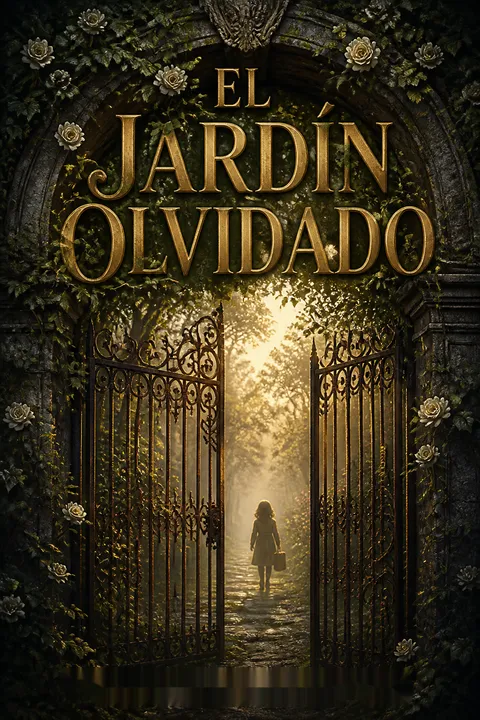
Summary Temporarily Unavailable
This summary is temporarily unavailable and is currently being updated. You can still explore the FAQs and other metadata below.
Sižeta kopsavilkums
Bērns uz piestātnes
1913. gadā Austrālijā, Meriboras piestātnē, tiek atrasta maza meitene, kas tur rokās nelielu baltu koferīti un nespēj atcerēties savu vārdu vai izcelsmi. Hjū un Lil O’Konori, bezbērnu pāris, viņu pieņem savā ģimenē un nosauc par Nellu. Meitenes vienīgie pavedieni uz pagātni ir pasaku grāmata un daži dārgumi priekšmeti. Kad Nelle aug, viņu mīl, taču viņa vienmēr jūt citādību, it kā pazudušas pagātnes ēnu. O’Konori glabā viņas izcelsmi noslēpumā, bet patiesība ir lemta iznākt gaismā, uzsākot mūža garu identitātes meklējumu.
Noslēpumi un atklāsmes
Neļas divdesmit pirmajā dzimšanas dienā Hjū atklāj patiesību: viņa nav viņu bioloģiskā meita, bet atradne. Šī atklāsme satricina Nellu, izjaucot viņas pašapziņu un liekot pārtraukt līgavu un attālināties no audžuģimenes. Ilgi glabātais noslēpums ietekmē vairākas paaudzes, veidojot Neļas attiecības un viņas mazmeitas Kasandras dzīvi gadu desmitiem vēlāk. Slēpto patiesību nasta un piederības ilgas kļūst par centrālām tēmām, sākoties Neļas ceļojumam, lai atklātu savu izcelsmi.
Labirints un rakstniece
Nellas agrākās atmiņas ir apvītas ar noslēpumainu sievieti, ko sauc par Rakstnieci, kura reiz lika viņai gaidīt kuģi. Rakstniece, Eliza Meikpīsa, ir pasaku autore un noslēpumu apvīta personība. Labirints pie Blekhērstas muižas Kornvolā ir gan burtisks, gan metaforisks mīklu tīkls, kas slēpj pagātnes noslēpumus. Aizliegtais dārzs tā sirdī ir vieta, kur valda maģija, zaudējums un pārvērtības, savienojot sieviešu paaudzes caur stāstiem, ilgu un sēru.
Noslēpumu mantojums
2005. gadā Nellas mazmeita Kasandra ir satriekta pēc Nellas nāves. Viņa manto ne tikai Nellas māju un mantu, bet arī īpašuma tiesības uz noslēpumainu kotedžu Kornvolā, Anglijā. Kasandra, pati apvīta personīgā traģēdijā, tiek ievilkta noslēpumu tīklā, kas definēja Nellas dzīvi. Mantojums ir ne tikai materiāls; tas ir aicinājums atklāt pagātnes noslēpumus, atrast patiesību par Nellas izcelsmi un tādējādi dziedināt savas brūces.
Pazudusī identitāte
Nellas ceļojums, lai atklātu savu īsto identitāti, ved no Austrālijas uz Angliju. Viņa atklāj, ka vienīgie pavedieni — pasaku grāmata no Elizas Meikpīsas, skice un bērna kleita — ir saistīti ar Blekhērstas muižu un Mountrāšešu ģimeni. Kad Nelle pēta arhīvus, intervē vietējos iedzīvotājus un apmeklē savas agrākās atmiņu vietas, viņa saliek kopā stāstu par mīlestību, nodevību un upuri. Identitātes meklējumi atspoguļojas arī Kasandras cīņā pārvarēt bēdas un zaudējumus.
Aizliegtā dārza sargs
Nožogotais dārzs pie Klifa kotedžas, ko reiz kopusi Eliza, ir skaistuma un skumju vieta. Tieši šeit saplūst pagātnes pavedieni: Elizas pasakas, pazudušais bērns un Mountrāšešu ģimenes noslēpumi. Dārzs, kas gadiem ilgi bija pamests, kļūst par atmiņas un cerības simbolu. Kad Kasandra atjauno dārzu, viņa atklāj gan fiziskus, gan emocionālus pavedienus, kas viņu ved tuvāk patiesībai par Nellas izcelsmi un Elizas likteni.
Koferīša mīkla
Mazais baltais koferītis, kas atrasts kopā ar Nellu, satur pasaku grāmatu, bēru piespraudi un matu šķipsnu. Šie priekšmeti ir vairāk nekā piemiņas lietas; tie ir atslēgas uz Nellas izcelsmes noslēpumu. Pateicoties izpētei un intuīcijai, gan Kasandra, gan viņas priekšgājēja Nelle saprot, ka koferīša saturs norāda uz slēptu stāstu par mīlestību, zaudējumu un upuri. Koferītis kļūst par atmiņas trauku, kas savieno dzīvos ar mirušajiem un tagadni ar pagātni.
Pagātne mostas
Izmeklējot, Kasandra sastop ciema iedzīvotājus, vēsturniekus un to pēctečus, kas reiz dzīvoja Blekhērstā. Viņa uzzina par Elizas traģisko stāstu: viņas mīlestību pret māsīcu Rozi, lomu kā aizvietojošai mātei un viņas pēdējo pazušanu. Pagātne nav mirusi; tā dzīvo ainavā, stāstos un neatrisinātās sēras tiem, kas palikuši. Kasandras ceļojums ir tikpat daudz par dziedināšanu, cik par atklāšanu, jo viņa mācās pieņemt savus zaudējumus.
Līgums un dzimtas tiesības
Roze Mountrāše, nespējot ieņemt bērnu, lūdz māsīcu Elizu viņas vietā dzemdēt bērnu. Eliza, ilgojoties pēc mīlestības un piederības, piekrīt. Rožas vīrs Nataniels Volkers ir bērna tēvs, un Eliza slepeni dzemdē, slēpjoties no citiem aiz nožogotās kotedžas. Bērns, Nelle, tiek nodots Rozei, kura audzina viņu kā savu. Šī vienošanās, kas domāta laimei, rada skumjas, greizsirdību un traģēdiju, jo patiesība nevar palikt mūžīgi noslēpta.
Zelta ola un tās cena
Elizas stāsts "Zelta ola" ir plāni maskēta alegorija par viņas paša upuri: jaunava, kas atsakās no savām dzimtas tiesībām cita laimei, bet paliek tukša un vientuļa. Pasakas, kas ieaustas stāstā, nav vienkārši stāsti, bet kodētas atzīšanās, emocionālas kartes varoņu iekšējai pasaulei. Zelta olas cena — bērna nodošana, savu vajadzību noliegšana cita labā — ir sirds sāpes un zaudējums, bet arī iespēja pestīšanai.
Patiesības atklāšana
Pateicoties vēstulēm, dienasgrāmatām un liecībām no tiem, kas atceras, Kasandra atklāj patiesību: Nelle bija Elizas meita, nevis Rožas. Pēc Rožas nāves Eliza mēģina atgūt Nelli, bet tiek nolaupīta un nogalināta pirms tam, kad varētu atkal satikt savu bērnu. Nelle, atstāta viena uz kuģa uz Austrāliju, aug, nekad neizjūtot īstu mātes mīlestību. Šī atklāsme ir gan sāpīga, gan atbrīvojoša, ļaujot Kasandrai beidzot saprast vecmāmiņas sāpes un mierināt pagātni.
Atgriešanās un dziedināšana
Mūsdienās Kasandra atjauno aizliegtā dārza simboliku, dziedinot pagātnes brūces. Viņa izvēlas palikt Kornvolā, pieņemot sieviešu mantojumu, kas nācis pirms viņas. Dārzs, reiz noslēpumu un skumju vieta, kļūst par cerības un atjaunošanās patvērumu. Ar sapratni un līdzjūtību Kasandra atrod mieru, un stāsts noslēdzas pilnā lokā: pazudušais bērns ir atrasts, aizmirstais dārzs atkal zied, un pagātnes burvestība beidzot ir lauzta.
Tēli
Nelle (Ivory) Endrūsa
Nelle ir centrālā personība, kuras noslēpumainā izcelsme virza stāstu. Viņa tiek audzināta O’Konoru ģimenē Austrālijā pēc tam, kad atrasta viena uz piestātnes, un aug mīlēta, bet vienmēr jūtoties citāda. Atklājums par adopciju sagrauj viņas pašapziņu un sāk mūža garu ceļojumu, lai atklātu īsto identitāti. Psiholoģiski Nelle ir atzīmēta ar dziļu pamestības sajūtu un ilgu pēc saiknes. Viņas ceļojums ir salauztas pagātnes salikšana kopā, un viņas mantojums tiek nodots mazmeitai Kasandrai, kura galu galā noslēdz Nellas stāstu.
Kasandra Endrūsa
Kasandra, Nellas mazmeita, pati ir apvīta zaudējumos — vīra un bērna nāvē. Mantojot Nellas māju un īpašuma tiesības uz Klifa kotedžu, Kasandra tiek ievilkta Nellas pagātnes noslēpumu izpētē. Viņas psiholoģiskais ceļojums atspoguļo Nellas ceļu: no izolācijas un bēdām līdz dziedināšanai un pašatklāsmei. Izmeklēšanas gaitā Kasandra ne tikai atklāj patiesību par Nellu, bet arī atrod veidu, kā virzīties uz priekšu savā dzīvē, atjaunojot dārzu un pieņemot jaunu nākotni.
Eliza Meikpīsa
Eliza ir pasaku autore, sieviete, ko iezīmē zaudējums, izturība un ilgas. Agrā bērnībā kļuvusi par bāreni, viņu pieņēmuši aristokrātiskie radinieki Blekhērstas muižā. Viņas dziļā saikne ar māsīcu Rozi un loma kā aizvietojošai mātei Nellei nosaka viņas dzīvi. Elizas psiholoģiskā sarežģītība atklājas viņas stāstos, kas kalpo gan kā atzīšanās, gan kā katarse. Viņas liktenis — nolaupīta un nogalināta pirms iespējas atkal satikt meitu — met ēnu pār stāstu, bet viņas mīlestība dzīvo caur pasakām un dārzu, ko viņa kopusi.
Roze Mountrāše Volkere
Roze ir Elizas māsīca, audzināta privilēģijās, bet mocīta ar veselības problēmām un neauglību. Viņas ilgas pēc bērna noved pie izmisīgas vienošanās ar Elizu, lūdzot viņu dzemdēt bērnu viņas vietā. Rožas psiholoģiskā trauslums, skaudība un atkarība no Elizas veido lielu daļu traģēdijas. Viņas nāve vilciena avārijā ir katalizators noslēpumu atklāšanai un Nellas atgūšanai no Elizas.
Nataniels Volkers
Nataniels ir Rožas vīrs, talantīgs mākslinieks no vienkāršas ģimenes. Viņš tiek ievilkts ģimenes noslēpumu tīklā, kļūstot par Elizas bērna tēvu pēc Rožas lūguma. Nataniela psiholoģiskās cīņas ir saistītas ar dalītām lojalitātēm: mīlestību pret Rozi, saikni ar Elizu un savām ambīcijām. Viņa ilustrācijas Elizas pasakām ir gan radošs izpausmes veids, gan emocionāla izteiksme. Viņa nāve kopā ar Rozi atstāj Nelli bāreni un nosaka stāsta centrālo noslēpumu.
Adelīna Mountrāše
Adelīna ir Rožas māte, apsēsta ar pieklājību, reputāciju un kontroli. Viņa organizē slepeno adopciju, manipulē apkārtējiem un galu galā nodrošina, ka patiesība paliek noslēpumā. Psiholoģiski Adelīnu vada bailes — no skandāla, zaudējuma un savas nepietiekamības. Viņas rīcība, lai gan domāta ģimenes aizsardzībai, rada postošas sekas visiem iesaistītajiem.
Linuss Mountrāše
Linuss ir Rožas tēvs un Elizas onkulis, vīrietis, ko iezīmē zaudējums un apsēstība. Viņa nespēja izglābt māsu Georgiānu, fiksācija uz Elizu kā aizvietotāju un līdzdalība ģimenes noslēpumos padara viņu par traģisku tēlu. Psiholoģiski Linuss ir pārņemts ar vainas apziņu un ilgu, nespējot atbrīvoties no pagātnes modeļiem.
Merija Mārtiņa
Merija ir kalpone Blekhērstā un Elizas uzticības persona. Viņas paša grūtniecība un atlaišana no darba paralēli Elizas stāstam, un viņa kļūst par svarīgu figūru slepenajā adopcijā. Merijas psiholoģiskā spēka pamatā ir uzticība un līdzjūtība, taču viņa arī ir atzīmēta ar zaudējuma sāpēm un noslēpumu nastu.
Viljams Mārtiņš
Merijas brālis Viljams ir zvejnieks, kas mīl Elizu no attāluma. Viņa loma kā novērotājam un reizēm uzticības personai dod viņam ieskatu notikumos Blekhērstā, bet viņš ir bezspēcīgs mainīt to gaitu. Psiholoģiski Viljams ir definēts ar ilgu un nožēlu, viņa stāsts ir neliels atbalss lielajām traģēdijām apkārt.
Kristians Bleiks
Mūsdienās Kristians ir vietējais dārznieks, kas palīdz Kasandrai atjaunot aizliegtā dārza skaistumu. Viņa paša zaudējumu un dziedināšanas vēsture atspoguļo Kasandras ceļu, un viņu augošās attiecības sniedz cerību uz atjaunošanos. Kristiana psiholoģiskais ceļojums ir par pāreju pāri bēdām, mērķa atrašanu atjaunošanas darbā un atvēršanos jaunai mīlestībai.
Sižeta paņēmieni
Savijtas laika līnijas
Romāna struktūra mainās starp trim galvenajām laika līnijām: 1913. gads (Nellas bērnība), 1975. gads (Nellas meklējumi) un 2005. gads (Kasandras izmeklēšana). Šī savijšana ļauj pakāpeniski atklāt noslēpumus, atspoguļot pagātni un tagadni un izpētīt, kā trauma un mīlestība atbalsojas pa paaudzēm. Mainīgās perspektīvas rada spriedzi un aicina lasītāju kopā ar varoņiem salikt puzli.
Pasakas kā metafora
Elizas pasakas ir ieaustas visā romānā, kalpojot kā alegorijas varoņu pieredzei. Stāsti kā "Vecenes acis" un "Zelta ola" atspoguļo Elizas, Rožas un Nellas upurus, zaudējumus un cerības. Šie stāsti darbojas gan kā sižeta paņēmieni, gan kā psiholoģiskas kartes, sniedzot ieskatu varoņu iekšējā dzīvē un viņu izvēļu morālajās sarežģītībās.
Aizliegtā dārzs
Nožogotais dārzs pie Klifa kotedžas ir gan burtiska vieta, gan metafora noslēpumiem, sāpēm un skaistumam, kas slēpjas varoņos. Tā atjaunošana mūsdienās paralēli atklāj pagātni, un tā nolaidība atspoguļo emocionālās brūces, kas palikušas neaizsargātas. Dārzs ir pārvērtību vieta, kur zaudējums tiek atzīts un dziedināšana kļūst iespējama.
Priekšmeti kā pavedieni
Koferītis, bēru piespraude, pasaku grāmata un matu šķipsna ir vairāk nekā piemiņas lietas; tās ir stāsta atslēgas. Katrs priekšmets nes emocionālu svaru un kalpo kā taustāms tilts starp pagātni un tagadni, vedot varoņus (un lasītāju) pie patiesības. Elizas kapa un ar viņu apbedīto priekšmetu atklāšana ir pēdējais puzles gabals.
Priekšnojauta un paralēlisms
Romāns ir bagāts ar priekšnojautām, agrīnie notikumi un tēli (labirints, pazudušais bērns, aizliegtā dārzs) atkārtojas vēlākās laika līnijās. Nellas un Kasandras paralēlie ceļojumi, abi meklējot identitāti un dziedināšanu, pastiprina mantojuma, traumas un pestīšanas tēmas. Motīvu atkārtošanās — dārzi, labirinti, pasakas — rada likteņa un savstarpējas saistības sajūtu.
Analīze
Romāns "Aizmirstais dārzs" ir daudzpaaudžu noslēpums, kas pēta, kā noslēpumi, traumas un mīlestība tiek nodotas ģimenēs. Tā sirdī ir jautājums, ko nozīmē piederēt, pazīt sevi un dziedināt pagātnes brūces. Ar savu sarežģīto struktūru, pasaku izmantojumu un izteiksmīgajiem iestatījumiem grāmata aplūko upura izmaksas un nepieciešamību saskarties ar sāpīgām patiesībām. Aizliegtā dārza atjaunošana ir gan burtiska, gan simboliska: kamēr Kasandra atklāj noslēpumus, kas veidojuši viņas vecmāmiņas dzīvi, viņa spēj pārvarēt savas bēdas un pieņemt jaunu nākotni. Romāns liecina, ka, lai gan pagātni nekad nevar pilnībā atgūt, sapratne un līdzjūtība var lauzt skumju burvestību, ļaujot plaukt jaunai dzīvībai. Galu galā "Aizmirstais dārzs" ir liecība stāstu mūžīgajai spēkai — tiem, ko mantojam, tiem, ko stāstām sev, un tiem, ko izvēlamies pārrakstīt.
Pēdējo reizi atjaunināts:
Report IssueAtsauksmju kopsavilkums
Aizmirstais dārzs ir vairāku paaudžu noslēpums, kas valdzina lasītājus ar savu sarežģīto sižetu, skaisto prozu un savstarpēji savītajām laika līnijām. Kamēr daži slavē tā apburoši aizraujošo stāstījumu un tēlu attīstību, citi to uzskata par paredzamu vai pārāk garu. Romāns pēta identitātes, ģimenes noslēpumu un pagātnes spēka tēmas. Daudzi lasītāji novērtē Mortonas prasmīgo pasaku un vēsturisko elementu savīšanu, lai gan daži kritizē stāstījuma tempu un tēlu lēmumus. Kopumā grāmata izraisa spēcīgas reakcijas, un lielākā daļa lasītāju to uzskata par aizraujošu un atmosfērisku lasāmvielu.
Citi arī lasa





BUJ
```markdown
Synopsis & Basic Details
What is The Forgotten Garden about?
- A Multi-Generational Quest: The Forgotten Garden weaves together the stories of three women across a century, beginning with Nell, a child found abandoned in Australia in 1913, and her granddaughter Cassandra, who inherits a mysterious cottage in Cornwall in 2005. The novel explores their intertwined journeys to uncover a hidden family history, revealing secrets of identity, love, and sacrifice.
- Unraveling a Family Mystery: At its core, the narrative follows Cassandra's investigation into her grandmother Nell's origins, which leads her to the enigmatic figure of Eliza Makepeace, a Victorian authoress of fairy tales, and the aristocratic Mountrachet family of Blackhurst Manor. The story delves into the complex relationships and desperate choices that led to Nell's abandonment and Eliza's disappearance.
- The Power of Place and Memory: The novel uses the atmospheric setting of Cornwall, particularly the secluded Cliff Cottage and its walled garden, as a central metaphor for buried truths and forgotten lives. As Cassandra restores the neglected garden, she unearths the emotional and historical layers of her family's past, ultimately finding healing and a new sense of belonging for herself.
Why should I read The Forgotten Garden?
- Intricate, Layered Mystery: Readers who enjoy complex family sagas with a strong sense of mystery will be captivated by the novel's interwoven timelines and gradual revelation of secrets. Kate Morton masterfully builds suspense, inviting readers to piece together the puzzle alongside the characters, making for a deeply immersive experience.
- Rich Character Depth: The book offers a profound psychological exploration of its characters, particularly the women, delving into their unspoken motivations, emotional wounds, and resilience. Their struggles with identity, loss, and societal expectations resonate deeply, creating a powerful emotional connection.
- Evocative Atmosphere & Symbolism: Morton's descriptive prose brings the Cornish landscape and the historical settings vividly to life, imbuing them with symbolic meaning. The recurring motifs of gardens, mazes, and fairy tales enrich the narrative, offering layers of interpretation that elevate the story beyond a simple mystery.
What is the background of The Forgotten Garden?
- Edwardian and Victorian Societal Norms: The historical backdrop is crucial, highlighting the rigid class structures, strict moral codes, and societal pressures of late 19th and early 20th century England. These norms, particularly around illegitimacy and female propriety, directly drive the desperate choices made by characters like Adeline and Rose, and the need for profound secrecy.
- Early Medical Practices & Ethics: A subtle but significant background element is the nascent field of X-ray technology in the late 1800s. Dr. Matthews's ambitious, yet reckless, use of a "sixty-minute exposure" on young Rose, leading to her infertility, underscores the era's limited understanding of medical risks and the devastating, unforeseen consequences of scientific advancement.
- Post-War Australian Immigration: The Australian timeline reflects the country's role as a destination for British migrants, often seeking new beginnings. Nell's arrival on the Maryborough wharf in 1913, amidst a wave of European immigration, grounds her abandonment in a specific historical context of displacement and the challenges faced by new arrivals.
What are the most memorable quotes in The Forgotten Garden?
- "Secrets had a way of making themselves known and it was better, surely, that she learned the truth from him." (Hugh, Chapter 2): This quote encapsulates the central theme of hidden truths and their inevitable surfacing. It highlights Hugh's moral dilemma and foreshadows the profound impact of Nell's origins on her life and subsequent generations, driving the entire narrative's quest for identity.
- "You make a life out of what you have, not what you're missing." (Ruby, Chapter 43): Spoken by Ruby to Cassandra, this line serves as a powerful thematic statement on resilience and acceptance. It directly addresses Cassandra's grief and sense of incompleteness, offering a philosophy of moving forward by embracing the present rather than dwelling on past losses, a lesson Nell also grappled with.
- "Memory is a cruel mistress with whom we all must learn to dance." (Eliza, Chapter 42): This poignant quote from Eliza reflects the complex and often painful nature of memory throughout the novel. It speaks to the characters' struggles to reconcile their pasts, highlighting how memories can haunt, mislead, or ultimately, with acceptance, become a source of strength and understanding.
What writing style, narrative choices, and literary techniques does Kate Morton use?
- Lush, Evocative Prose: Morton employs a rich, descriptive writing style that immerses the reader in the sensory details of each setting, from the "fusty smell" of London tenements to the "salt-licked" air of the Cornish coast. This creates a strong sense of atmosphere, making the locations feel like characters themselves and enhancing the emotional resonance of the story.
- Non-Linear, Multi-Perspective Narrative: The novel's intricate structure, shifting between three distinct timelines (1913, 1975, 2005) and multiple character perspectives, is a key narrative choice. This fragmented approach mirrors the fragmented nature of memory and identity, gradually revealing pieces of the puzzle and building suspense as the reader connects the dots across generations.
- Symbolism and Allegory: Beyond the explicit use of fairy tales as metaphors, Morton subtly weaves in recurring symbols like the maze, the walled garden, and specific objects (the brooch, the X-ray images). These elements carry deeper thematic weight, representing hidden truths, confinement, transformation, and the enduring legacy of the past, inviting readers to interpret their layered meanings.
Hidden Details & Subtle Connections
What are some minor details that add significant meaning?
- Linus's Lameness and Photography: Linus Mountrachet's childhood lameness and his subsequent obsession with photography are subtle but crucial details. His physical "imperfection" and the trauma of being lost in the maze as a child shape his withdrawn, controlling personality and his fixation on capturing Georgiana (and later Eliza) through his lens, revealing a deep-seated need for control and a desire to possess what he perceives as perfect.
- The "Fairyland" Luster Vase: Nell's prized "Fairyland" luster vase, kept hidden and cherished, symbolizes her own hidden identity and the elusive magic of her forgotten past. Its material value is secondary to its symbolic representation of her "first nugget" of discovery, mirroring her lifelong quest for her true origins and the "gold" of self-knowledge.
- The Rose Thorn in Adeline's Palm: During Eliza's burial, Adeline is pricked by a rose thorn, drawing blood. This seemingly minor detail is highly symbolic, representing the "curse" or karmic retribution for her cruel actions and the "blood" on her hands from orchestrating Eliza's confinement and death. It foreshadows her eventual descent into madness and the unraveling of her carefully constructed facade.
What are some subtle foreshadowing and callbacks?
- Eliza's "Cuckoo" Fairy Tale: The final fairy tale, "The Cuckoo's Flight," published posthumously, subtly foreshadows Eliza's ultimate fate and Nell's journey. The cuckoo bird, known for laying its eggs in other birds' nests, mirrors Eliza's act of giving her child to Rose, while the bird's eventual flight to a "new land of hope" directly parallels Nell's journey to Australia and her eventual self-discovery.
- The "Keep Out" Sign at Cliff Cottage: The sign reading "Keep Out or the risk be all yours" at the cottage gate initially seems a simple warning. However, it subtly foreshadows the dangerous secrets hidden within the property and the emotional "risk" Cassandra takes by delving into the past, echoing the Mountrachet family's desperate attempts to keep their secrets contained.
- Nell's Childhood Memory of "Ivory": Nell's fragmented memory of her name being "sharp and jagged like a star cut from cardboard with pointed scissors" (Chapter 33) is a powerful callback to Ivory Walker's perspective in Chapter 42, where she describes her name as a "weapon." This shared, visceral perception of the name subtly links Nell to her true identity long before it is explicitly revealed.
What are some unexpected character connections?
- Nathaniel Walker's Illustrations for Eliza's Tales: The revelation that Nathaniel, Rose's husband, secretly illustrated Eliza's fairy tales creates an unexpected artistic and emotional bond between them. This collaboration, born of Nathaniel's suppressed passion for sketching and Eliza's need for an outlet, hints at a deeper, unspoken connection that transcends their formal family roles and Rose's jealousy.
- Christian Blake's Childhood Connection to Nell: Christian's revelation that he met Nell as a child, when she caught him trespassing in the walled garden, establishes a poignant, pre-destined connection between him and Cassandra's quest. His memory of Nell as a "sad face" and his own mother's death from cancer provide a shared understanding of loss that draws him to Cassandra and the garden's restoration.
- Harriet Swindell's Witness Account: The seemingly minor character of Harriet Swindell, the daughter of Eliza's London landlords, becomes a crucial witness. Her detailed letter to Nell, describing Eliza's abduction by Mansell, provides the missing link in the mystery of Eliza's disappearance, transforming a peripheral figure into a pivotal one who holds the key to a century-old secret.
Who are the most significant supporting characters?
- Henry Mansell, the Detective: Mansell, initially hired by Linus to find Georgiana and later Eliza, is a shadowy figure who embodies the darker side of the Mountrachet family's secrets. His role in Eliza's abduction and subsequent death is pivotal, making him the unwitting instrument of Adeline's desperate plan to bury the truth. His "steady voice" and "pince-nez" become symbols of cold, calculated control.
- Mary Martin, the Loyal Maid: Mary serves as Eliza's confidante and a silent witness to the secret pregnancy and adoption. Her loyalty to Eliza, despite her own dismissal and personal loss, highlights the deep bonds formed outside the rigid class system. Her later "unburdening" to her daughter Clara is crucial for Cassandra's final discovery.
- William Martin, the Unrequited Lover: Mary's brother, William, provides a grounded, empathetic perspective on Eliza. His unrequited love for her and his "addiction" to her presence reveal Eliza's captivating nature and the profound impact she had on those around her. His initial reluctance to speak about Eliza's disappearance, and his later hints to Nell, underscore the lingering power of the past and the burden of secrets in a small community.
Psychological, Emotional, & Relational Analysis
What are some unspoken motivations of the characters?
- Adeline's Fear of Social Ruin: Beyond simply maintaining appearances, Adeline's deepest unspoken motivation is a profound fear of social ruin, stemming from her own humble origins and her husband Linus's family scandal (Georgiana's elopement). Her relentless pursuit of propriety and control, culminating in Eliza's murder, is driven by a desperate need to secure her family's fragile social standing and prevent any further "stain" on the Mountrachet name.
- Linus's Obsession with Georgiana's "Replacement": Linus's fixation on Eliza, and later Ivory, as replacements for his lost sister Georgiana, is an unspoken motivation rooted in his childhood trauma and feelings of inadequacy due to his lameness. His photography, initially a hobby, becomes a means to "capture" and control these women, reflecting his inability to cope with loss and his desperate longing for a perfect, unchanging "poupée."
- Eliza's Desire for Unconditional Belonging: While Eliza agrees to bear Rose's child out of love and a desire to be "needed," an unspoken motivation is her deep-seated longing for unconditional belonging, a feeling denied by her orphaned status and transient childhood. Her hope that this sacrifice will "cement their bond forever" with Rose reveals her vulnerability and desperate need for a permanent family connection.
What psychological complexities do the characters exhibit?
- Rose's Fragility and Self-Deception: Rose exhibits the psychological complexity of a "delicate child" whose ill health has fostered a self-centeredness and a tendency towards self-deception. Her desperate longing for a child, coupled with her inability to accept her infertility, leads her to rationalize the unethical "bargain" with Eliza. Her subsequent withdrawal from Eliza and her denial of the truth highlight her psychological fragility and her inability to confront uncomfortable realities.
- Nathaniel's Artistic Compromise and Guilt: Nathaniel is a complex character torn between his artistic integrity and his desire for social acceptance and financial stability. His "pumping out portraits" for the elite, while secretly illustrating Eliza's fairy tales, reveals his internal conflict. His guilt over his complicity in the secret adoption and his "betrayal" of Eliza's trust contribute to his eventual withdrawal and the "stunted" nature of his later work.
- Cassandra's Grief and Avoidance: Cassandra's psychological complexity lies in her profound grief over the loss of her husband and child, which manifests as a desire for isolation and an avoidance of her past. Her feeling of being "half-light" and her initial reluctance to engage with Nell's mystery reflect a protective mechanism. Her journey is one of gradually dismantling these emotional walls, finding healing not by forgetting, but by confronting and understanding loss.
What are the major emotional turning points?
- Nell's 21st Birthday Revelation: Hugh's confession on Nell's 21st birthday is a pivotal emotional turning point, shattering her established identity and sense of belonging. This moment of profound shock and betrayal sets Nell on her lifelong quest for truth, transforming her from a contented young woman into a "prickly" and independent seeker.
- Eliza's Decision to Bear Rose's Child: Eliza's agreement to carry Rose's child marks a significant emotional turning point, driven by her deep love for Rose and her own longing to be needed. This decision, born of sacrifice and a desire for an unbreakable bond, sets in motion the central tragedy of the novel, leading to her own profound loneliness and eventual death.
- Cassandra's Dream of Pregnancy: Cassandra's vivid dream of being pregnant in the walled garden, feeling the baby kick, is a powerful emotional turning point. It forces her to confront her own unresolved grief over Leo's death and her suppressed maternal instincts, signaling a shift from passive mourning to active engagement with life and the possibility of new beginnings.
How do relationship dynamics evolve?
- Rose and Eliza's Shifting Friendship: The relationship between Rose and Eliza evolves from a deep, almost symbiotic childhood friendship, where Eliza fills the void in Rose's isolated life, to one strained by jealousy and betrayal. Rose's increasing possessiveness and Eliza's sacrifice for her ultimately fracture their bond, leading to Eliza's self-imposed exile and Rose's denial of their shared past.
- Nell and Hugh's Adoptive Bond: The relationship between Nell and her adoptive father, Hugh, is initially one of deep, unquestioning love. However, Hugh's delayed revelation of Nell's true origins creates a lasting rift, transforming their bond from one of easy affection to one marked by unspoken hurt and distance, despite his enduring love and guilt.
- Cassandra and Christian's Healing Connection: Cassandra's relationship with Christian evolves from a professional acquaintance to a deep emotional connection. Their shared experiences of loss (Christian's mother, Cassandra's husband and child) and their mutual involvement in restoring the forgotten garden create a foundation of empathy and understanding, allowing them to heal together and forge a new, hopeful future.
Interpretation & Debate
Which parts of the story remain ambiguous or open-ended?
- The Full Extent of Linus's Complicity: While Linus's obsession with Georgiana and his desire for a "replacement" are clear, the full extent of his knowledge and direct involvement in Eliza's abduction and murder remains somewhat ambiguous. Adeline orchestrates the final act, but Linus's earlier hiring of Mansell and his general detachment suggest a deeper, though perhaps passive, complicity in the family's dark secrets.
- Eliza's Final Moments and Intentions: Eliza's death, as described in Harriet Swindell's letter and her own fragmented memories, leaves some ambiguity about her precise intentions. While she clearly intended to reclaim Ivory and reunite her with Mary, the exact plan for her own future and how she would navigate life with her reclaimed daughter remains open to interpretation, cut short by her tragic end.
- The "Curse" of the Mountrachets: The "curse" mentioned by William Martin, stemming from the Mountrachet family's violent origins (smuggling, murder), is presented as a local superstition. While the family certainly experiences tragedy and psychological torment, it remains ambiguous whether this is a literal curse or a metaphorical representation of the destructive consequences of their actions and secrets.
What are some debatable, controversial scenes or moments in The Forgotten Garden?
- Rose's Bargain with Eliza for a Child: The most controversial moment is Rose's desperate request for Eliza to bear Nathaniel's child, and Eliza's agreement. This act raises significant ethical questions about bodily autonomy, exploitation, and the commodification of life, sparking debate about the morality of their choices and the societal pressures that led to such a desperate pact.
- Adeline's Orchestration of Eliza's Murder: Adeline's calculated decision to have Eliza abducted and murdered, ensuring her silence and the continued secrecy of Nell's true parentage, is a highly controversial and shocking moment. It highlights the extreme lengths to which characters will go to protect reputation and control, forcing readers to confront the dark side of human nature and the devastating consequences of unchecked power.
- Hugh O'Connor's Decision to Keep Nell's Origins Secret: Hugh's choice to conceal Nell's true identity for over two decades, despite his love for her, is debatable. While motivated by a desire to protect Lil and Nell, it ultimately causes profound psychological damage to Nell, raising questions about the ethics of withholding truth, even with good intentions, and the long-term impact of such secrets on identity.
The Forgotten Garden Ending Explained: How It Ends & What It Means
- Eliza's Tragic Fate and Nell's Abandonment: The ending reveals that Eliza Makepeace was Nell's biological mother, not Rose. After Rose and Nathaniel's deaths, Eliza reclaimed Nell (Ivory) and intended to take her to Mary Martin, Nell's biological aunt, in Australia. However, Eliza was abducted and murdered by Henry Mansell, likely at Adeline Mountrachet's command, to prevent the truth from surfacing. Eliza's body was secretly buried in the walled garden of Cliff Cottage, and Nell was left alone on the ship to Australia, leading to her adoption by the O'Connors. This explains [Nell's](#nell
Par autoru
Keita Mortone ir bestseleru autore, kas pazīstama ar saviem sarežģītajiem, daudzslāņainajiem romāniem, kuri aptver vairākas paaudzes un atšķetina ģimenes noslēpumus. Dzimusi Dienvidaustrālijā un augusi Kvīnslendā, viņa tagad dala savu laiku starp Londonu un Austrāliju. Mortonei ir grādi dramatiskajā mākslā un angļu literatūrā, un sākotnēji viņa tiecās pievienoties Karaliskajam Šekspīra teātrim, pirms apzinājās savu patieso aizraušanos ar rakstīšanu. Viņas septiņi romāni ir publicēti vairāk nekā 45 valstīs un 38 valodās, un tie visi ir kļuvuši par starptautiskiem bestselleriem. Mortones darbus raksturo atmosfēriski kulises, sarežģīti varoņi un pagātnes un tagadnes stāstījumu savijums.
Citas grāmatas no Kate Morton
Lejupielādēt PDF
Lejupielādēt EPUB
.epub digital book format is ideal for reading ebooks on phones, tablets, and e-readers.








































