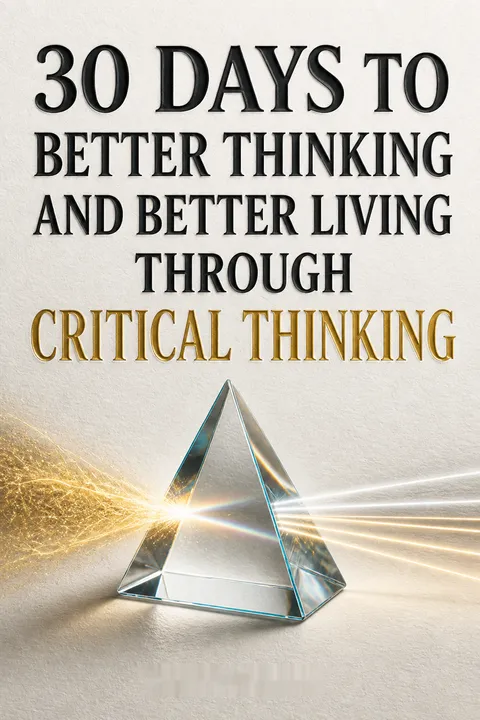
പ്രധാന കണ്ടെത്തലുകൾ
1. നിങ്ങളുടെ ചിന്തയുടെ ശക്തിയെ തിരിച്ചറിയുക
നിങ്ങളുടെ ജീവിതത്തിന്റെ ഗുണനിലവാരം നിങ്ങളുടെ ചിന്തയുടെ ഗുണനിലവാരത്താൽ നിർണ്ണയിക്കപ്പെടുന്നു.
ചിന്തകൾ യാഥാർത്ഥ്യത്തെ രൂപപ്പെടുത്തുന്നു. നിങ്ങളുടെ ചിന്തകൾ നിങ്ങളുടെ ജീവിതത്തിന്റെ എല്ലാ വശങ്ങളെയും സ്വാധീനിക്കുന്നു - നിങ്ങളുടെ വിശ്വാസങ്ങൾ, വികാരങ്ങൾ, തീരുമാനങ്ങൾ, പ്രവർത്തനങ്ങൾ. നിങ്ങളുടെ ചിന്തയുടെ ഗുണനിലവാരം മെച്ചപ്പെടുത്തുന്നതിലൂടെ, നിങ്ങളുടെ ജീവിതത്തിന്റെ ഗുണനിലവാരവും അനുഭവങ്ങളും നേരിട്ട് മെച്ചപ്പെടുത്താം.
വിമർശനാത്മക ചിന്ത അനിവാര്യമാണ്. ഇത് നിങ്ങളുടെ ചിന്തകളുടെ വ്യക്തത, കൃത്യത, പ്രസക്തി, ആഴം എന്നിവ മെച്ചപ്പെടുത്തുന്നതിനായി അവയെ വിശകലനം ചെയ്യുകയും വിലയിരുത്തുകയും ചെയ്യുന്നതാണ്. വിമർശനാത്മക ചിന്താ കഴിവുകൾ വികസിപ്പിക്കുന്നതിലൂടെ, നിങ്ങൾക്ക്:
- മികച്ച തീരുമാനങ്ങൾ എടുക്കാം
- പ്രശ്നങ്ങൾ കൂടുതൽ ഫലപ്രദമായി പരിഹരിക്കാം
- കൂടുതൽ വ്യക്തമായി ആശയവിനിമയം നടത്താം
- പക്ഷപാതങ്ങളും മുൻവിധികളും മറികടക്കാം
- നിങ്ങളുടെ ജീവിതം നിയന്ത്രണത്തിലാക്കാം
സ്വയം പ്രതിഫലനം അഭ്യസിക്കുക. നിങ്ങളുടെ ചിന്തകൾ, വിശ്വാസങ്ങൾ, അനുമാനങ്ങൾ എന്നിവയെ സ്ഥിരമായി പരിശോധിക്കുക. അവയുടെ സാധുതയും ഉത്ഭവവും ചോദ്യം ചെയ്യുക. ഈ സ്വയം ബോധം നിങ്ങളുടെ ചിന്തയും, അതിനാൽ, നിങ്ങളുടെ ജീവിതവും മെച്ചപ്പെടുത്താനുള്ള ആദ്യ പടിയാണ്.
2. ബൗദ്ധിക വിനയവും അഖണ്ഡതയും വളർത്തുക
"ഞാൻ തെറ്റായിരിക്കാം. പലപ്പോഴും ഞാൻ തെറ്റാണ്. നല്ല കാരണങ്ങൾ നൽകിയാൽ ഞാൻ എന്റെ മനസ്സ് മാറ്റാൻ തയ്യാറാണ്."
അനിശ്ചിതത്വത്തെ സ്വീകരിക്കുക. നിങ്ങളുടെ അറിവ് പരിമിതമാണെന്നും നിങ്ങൾ തെറ്റായിരിക്കാമെന്നും തിരിച്ചറിയുക. ഈ ബൗദ്ധിക വിനയം പുതിയ ആശയങ്ങളെയും കാഴ്ചപ്പാടുകളെയും തുറന്ന മനസ്സോടെ സ്വീകരിക്കാൻ നിങ്ങളെ അനുവദിക്കുന്നു, തുടർച്ചയായ പഠനവും വളർച്ചയും പ്രോത്സാഹിപ്പിക്കുന്നു.
സുഖത്തിനേക്കാൾ സത്യം തേടുക. പ്രബലമായ തെളിവുകളോ തർക്കങ്ങളോ അവതരിപ്പിക്കുമ്പോൾ, അത് അസ്വസ്ഥമാക്കുന്നുവെങ്കിലും, നിങ്ങളുടെ വിശ്വാസങ്ങൾ മാറ്റാൻ തയ്യാറാകുക. ഈ ബൗദ്ധിക അഖണ്ഡത നിങ്ങളുടെ ലോകദൃഷ്ടി യാഥാർത്ഥ്യത്തോടൊപ്പം സജ്ജമാക്കുന്നു, ആശാപരമായ ചിന്തയോടല്ല.
പ്രധാന പ്രാക്ടീസുകൾ:
- നിങ്ങൾക്ക് എന്തെങ്കിലും അറിയില്ലെന്ന് സമ്മതിക്കുക
- നിങ്ങളുടെ സ്വന്തം കാഴ്ചപ്പാടുകളെ വെല്ലുവിളിക്കുന്ന കാഴ്ചപ്പാടുകൾ സജീവമായി തേടുക
- നിർമ്മാണാത്മക വിമർശനത്തിന് തുറന്ന മനസ്സോടെ ഇരിക്കുക
- നിങ്ങളുടെ വിശ്വാസങ്ങളും അഭിപ്രായങ്ങളും സ്ഥിരമായി പുനഃപരിശോധിക്കുക
3. സഹാനുഭൂതിയും നീതിയുക്തതയും വികസിപ്പിക്കുക
"നീതിയുക്തതയെന്നത് ഒരാളുടെ സ്വന്തം വികാരങ്ങളോ സ്വാർത്ഥ താൽപ്പര്യങ്ങളോ പരാമർശിക്കാതെ എല്ലാ പ്രസക്തമായ കാഴ്ചപ്പാടുകളെയും ഒരുപോലെ പരിഗണിക്കേണ്ട ആവശ്യം ബോധ്യപ്പെടുത്തുന്നതാണ്."
കാഴ്ചപ്പാട് സ്വീകരിക്കൽ വളർത്തുക. പ്രത്യേകിച്ച് നിങ്ങൾക്ക് യോജിക്കാത്തവരുടെ കാഴ്ചപ്പാടുകൾ മനസ്സിലാക്കാൻ ബോധപൂർവ്വമായ ശ്രമം നടത്തുക. ഈ സഹാനുഭൂതി നിങ്ങളുടെ മനസ്സിലാക്കലിനെ വ്യാപിപ്പിക്കുകയും കൂടുതൽ സമതുലിതമായ വിധികൾ എടുക്കാൻ നിങ്ങളെ സഹായിക്കുകയും ചെയ്യുന്നു.
വസ്തുനിഷ്ഠതയ്ക്കായി ശ്രമിക്കുക. ആശയങ്ങളെയോ സാഹചര്യങ്ങളെയോ വിലയിരുത്തുമ്പോൾ, നിങ്ങളുടെ വ്യക്തിഗത പക്ഷപാതങ്ങൾ മാറ്റിവെക്കാൻ ശ്രമിക്കുക, പല കാഴ്ചപ്പാടുകളും പരിഗണിക്കുക. ഈ നീതിയുക്തത കൂടുതൽ നീതിയുക്തവും യുക്തിസഹവുമായ തീരുമാനങ്ങളിലേക്ക് നയിക്കുന്നു.
സഹാനുഭൂതിയും നീതിയുക്തതയും വികസിപ്പിക്കുന്നതിനുള്ള തന്ത്രങ്ങൾ:
- സജീവമായ കേൾവിപരിശീലനം നടത്തുക
- വ്യത്യസ്ത കാഴ്ചപ്പാടുകൾ ഉള്ളവരുമായി മാന്യമായ സംഭാഷണം നടത്തുക
- വൈവിധ്യമാർന്ന അനുഭവങ്ങളും കാഴ്ചപ്പാടുകളും തേടുക
- നിങ്ങളുടെ സ്വന്തം അനുമാനങ്ങളും മുൻവിധികളും സ്ഥിരമായി വെല്ലുവിളിക്കുക
4. നിങ്ങളുടെ അനുമാനങ്ങളും നിഗമനങ്ങളും ചോദ്യം ചെയ്യുക
"എല്ലാ യുക്തിശാസ്ത്രത്തിനും ഒരു സർവസാധാരണ ഘടകസമൂഹം ഉണ്ട്, അവയിൽ ഓരോന്നും സാധ്യതയുള്ള പ്രശ്നങ്ങൾക്കായി നിരീക്ഷിക്കാം."
മറഞ്ഞിരിക്കുന്ന അനുമാനങ്ങളെ തിരിച്ചറിയുക. നമ്മുടെ ചിന്ത പലപ്പോഴും പരിശോധിക്കാത്ത അനുമാനങ്ങളിൽ അടിസ്ഥാനമാക്കിയുള്ളതാണ്. ഈ അനുമാനങ്ങളെ പുറത്ത് കൊണ്ടുവന്ന് ചോദ്യം ചെയ്യുന്നതിലൂടെ, നിങ്ങളുടെ യുക്തിശാസ്ത്രത്തിലെ സാധ്യതയുള്ള പിഴവുകൾ കണ്ടെത്താം.
നിങ്ങളുടെ നിഗമനങ്ങളെ പരിശോധിക്കുക. വിവരങ്ങളിൽ നിന്ന് നിങ്ങൾ നിഗമനം എങ്ങനെ വരുത്തുന്നു എന്നതിൽ ശ്രദ്ധ ചെലുത്തുക. നിങ്ങളുടെ നിഗമനങ്ങൾ യുക്തിസഹമാണോ, തെളിവുകൾ പിന്തുണയ്ക്കുന്നവയോ? പരിമിതമായ ഡാറ്റയോ വ്യക്തിഗത പക്ഷപാതങ്ങളോ അടിസ്ഥാനമാക്കിയുള്ള നിഗമനങ്ങളിലേക്ക് ചാടുന്നതിൽ ജാഗ്രത പാലിക്കുക.
നിങ്ങളുടെ യുക്തിശാസ്ത്രത്തിൽ പരിശോധിക്കേണ്ട നിർണായക ഘടകങ്ങൾ:
- ഉദ്ദേശ്യം: നിങ്ങളുടെ ലക്ഷ്യം എന്താണ്?
- ചോദ്യം: നിങ്ങൾ പരിഹരിക്കാൻ ശ്രമിക്കുന്ന പ്രശ്നം എന്താണ്?
- വിവരം: നിങ്ങൾ ഉപയോഗിക്കുന്ന ഡാറ്റ എന്താണ്?
- ആശയങ്ങൾ: നിങ്ങളുടെ യുക്തിശാസ്ത്രത്തിൽ കേന്ദ്രഭൂമിക വഹിക്കുന്ന ആശയങ്ങൾ എന്താണ്?
- അനുമാനങ്ങൾ: നിങ്ങൾ എന്താണ് സ്വാഭാവികമായി കരുതുന്നത്?
- നിഗമനങ്ങൾ: നിങ്ങൾ വരുത്തുന്ന നിഗമനങ്ങൾ എന്താണ്?
- പ്രത്യാഘാതങ്ങൾ: നിങ്ങളുടെ യുക്തിശാസ്ത്രത്തിന്റെ ഫലങ്ങൾ എന്താണ്?
5. നിങ്ങളുടെ വികാരങ്ങളും ആഗ്രഹങ്ങളും നിയന്ത്രിക്കുക
"വികാരം സ്വയം തിരിച്ചുപോകുകയും ചിന്തയിലേക്കോ പ്രവർത്തിയിലേക്കോ നയിക്കാതിരിക്കുകയും ചെയ്യുന്നത് ഒരു ഭ്രാന്തിന്റെ ഘടകമാണ്..."
ചിന്ത-വികാര ബന്ധം മനസ്സിലാക്കുക. നിങ്ങളുടെ വികാരങ്ങൾ പ്രധാനമായും സംഭവങ്ങളുടെ നിങ്ങളുടെ ചിന്തകളും വ്യാഖ്യാനങ്ങളും സ്വാധീനിക്കുന്നവയാണെന്ന് തിരിച്ചറിയുക. നിങ്ങളുടെ ചിന്ത മാറ്റുന്നതിലൂടെ, നിങ്ങളുടെ വികാരപ്രതികരണങ്ങൾ മാറ്റാം.
വികാരബുദ്ധി വളർത്തുക. നിങ്ങളുടെ വികാരങ്ങളെ ഫലപ്രദമായി തിരിച്ചറിയാനും മനസ്സിലാക്കാനും നിയന്ത്രിക്കാനും കഴിവ് വികസിപ്പിക്കുക. ഈ കഴിവ് നിങ്ങളെ പ്രതികരണാത്മകമായി അല്ല, യുക്തിപരമായി സാഹചര്യങ്ങൾക്ക് പ്രതികരിക്കാൻ പ്രാപ്തമാക്കുന്നു.
വികാര നിയന്ത്രണത്തിനുള്ള തന്ത്രങ്ങൾ:
- നിങ്ങളുടെ ചിന്തകളുടെയും വികാരങ്ങളുടെയും ബോധം വർദ്ധിപ്പിക്കാൻ മനഃശാന്തി അഭ്യസിക്കുക
- നെഗറ്റീവ് വികാരങ്ങളിലേക്ക് നയിക്കുന്ന യുക്തിഹീനമായ ചിന്തകളെ വെല്ലുവിളിക്കുക
- സമ്മർദ്ദത്തിനും പ്രയാസകരമായ വികാരങ്ങൾക്കും ആരോഗ്യകരമായ പ്രതിരോധ മാർഗങ്ങൾ വികസിപ്പിക്കുക
- നിങ്ങളുടെ ആഗ്രഹങ്ങളും പ്രേരണകളും നിങ്ങളുടെ മൂല്യങ്ങളോടും ദീർഘകാല ലക്ഷ്യങ്ങളോടും പൊരുത്തപ്പെടുന്നുണ്ടെന്ന് ഉറപ്പാക്കാൻ സ്ഥിരമായി പ്രതിഫലനം നടത്തുക
6. സ്വാർത്ഥതയും സാമൂഹികകേന്ദ്രിതത്വവും ഒഴിവാക്കുക
"സ്വാർത്ഥത വിമർശനാത്മക ചിന്തയ്ക്ക് അടിസ്ഥാന തടസ്സങ്ങളിൽ ഒന്നാണ്."
സ്വയം സേവിക്കുന്ന പക്ഷപാതങ്ങളെ തിരിച്ചറിയുക. നിങ്ങളുടെ നിലവിലുള്ള വിശ്വാസങ്ങളെ പിന്തുണയ്ക്കുന്ന ആശയങ്ങളെ അനുകൂലിക്കുന്ന നിങ്ങളുടെ പ്രവണതയെ ബോധ്യപ്പെടുത്തുക. നിങ്ങളുടെ കാഴ്ചപ്പാടുകളെ വെല്ലുവിളിക്കുന്ന വിവരങ്ങൾ സജീവമായി തേടുക.
സാമൂഹിക ശിക്ഷണം ചോദ്യം ചെയ്യുക. നിങ്ങളുടെ സംസ്കാരത്തിലും സാമൂഹിക ഗ്രൂപ്പുകളിലും നിന്ന് നിങ്ങൾക്ക് ലഭിച്ച വിശ്വാസങ്ങളും മൂല്യങ്ങളും വിമർശനാത്മകമായി പരിശോധിക്കുക. അവ ശബ്ദ reasoning ർജ്ജമുള്ള യുക്തിശാസ്ത്രത്തിൽ അടിസ്ഥാനമാക്കിയുള്ളതാണോ, അല്ലെങ്കിൽ വിമർശനാത്മകമായി സ്വീകരിക്കാത്ത മാനദണ്ഡങ്ങളോ?
ഒഴിവാക്കേണ്ട സാധാരണ പിഴവുകൾ:
- സ്ഥിരീകരണ പക്ഷപാതം: നിങ്ങളുടെ വിശ്വാസങ്ങളെ സ്ഥിരീകരിക്കുന്ന വിവരങ്ങൾ മാത്രം തേടുക
- ഗ്രൂപ്പ് അനുകൂലത: നിങ്ങളുടെ സ്വന്തം ഗ്രൂപ്പിലെ അംഗങ്ങളെ അന്യായമായി അനുകൂലിക്കുക
- стереотип ചിന്ത: ആളുകളുടെ ഗ്രൂപ്പുകളെക്കുറിച്ച് വ്യാപകമായ പൊതുവായ നിഗമനങ്ങൾ വരുത്തുക
- അനുകരണം: ഭൂരിപക്ഷ അഭിപ്രായങ്ങളോ സാമൂഹിക മാനദണ്ഡങ്ങളോ വിമർശനാത്മകമായി സ്വീകരിക്കുക
7. മാധ്യമങ്ങളെയും രാഷ്ട്രീയത്തെയും വിമർശനാത്മകമായി ചിന്തിക്കുക
"ആരുടെയെങ്കിലും ചിന്തയെ—including നമ്മുടെ സ്വന്തം—നമുക്ക് മനസ്സിലാക്കണമെങ്കിൽ, അത് എന്തിനെക്കുറിച്ചാണ്, അത് എങ്ങോട്ടാണ് നീങ്ങുന്നത്, അതിന്റെ അർത്ഥം എന്താണ് എന്നതിനെക്കുറിച്ചും നമുക്ക് മനസ്സിലാക്കണം."
മാധ്യമ സന്ദേശങ്ങളെ വിശകലനം ചെയ്യുക. വാർത്ത, പരസ്യങ്ങൾ, സോഷ്യൽ മീഡിയ ഉള്ളടക്കം എന്നിവ വിമർശനാത്മകമായി വിലയിരുത്താനുള്ള കഴിവ് വികസിപ്പിക്കുക. പക്ഷപാതങ്ങൾ, മറഞ്ഞിരിക്കുന്ന അജണ്ടകൾ, മാനിപ്പുലേഷൻ സാങ്കേതികവിദ്യകൾ എന്നിവ നോക്കുക.
രാഷ്ട്രീയ വാചകങ്ങളെ ചോദ്യം ചെയ്യുക. രാഷ്ട്രീയ പ്രസ്താവനകളുടെയും നയങ്ങളുടെയും പ്രേരണകളും യുക്തിശാസ്ത്രവും പരിശോധിക്കുക. അവകാശങ്ങൾ നേരിട്ട് സ്വീകരിക്കരുത്; തെളിവുകളും വൈവിധ്യമാർന്ന കാഴ്ചപ്പാടുകളും തേടുക.
ചോദിക്കേണ്ട പ്രധാന ചോദ്യങ്ങൾ:
- ഈ സന്ദേശത്തിലോ നയത്തിലോ നിന്ന് ആരാണ് പ്രയോജനം നേടുന്നത്?
- അവകാശങ്ങളെ പിന്തുണയ്ക്കാൻ എന്ത് തെളിവാണ് നൽകുന്നത്?
- പ്രതിനിധീകരിക്കപ്പെടാത്ത പകരം കാഴ്ചപ്പാടുകൾ എന്താണ്?
- അവതരണത്തെ വികാരങ്ങളോ പക്ഷപാതങ്ങളോ എങ്ങനെ സ്വാധീനിക്കാം?
- ദീർഘകാല പ്രത്യാഘാതങ്ങൾ എന്താണ്?
8. ജീവിതകാലം മുഴുവൻ പഠനവും സ്വയം വികസനവും പിന്തുടരുക
"ഒരു മനുഷ്യൻ, യഥാർത്ഥ അർത്ഥത്തിൽ, വിദ്യാഭ്യാസം ലഭിക്കുന്നതുവരെ ഒരു മനുഷ്യൻ അല്ല."
തുടർച്ചയായ വളർച്ചയ്ക്ക് പ്രതിജ്ഞാബദ്ധരാകുക. വിമർശനാത്മക ചിന്താ കഴിവുകൾ വികസിപ്പിക്കുന്നത് ഒരു ജീവിതകാല പ്രക്രിയയാണെന്ന് തിരിച്ചറിയുക. പുതിയ കാര്യങ്ങൾ പഠിക്കാനും നിങ്ങളുടെ കാഴ്ചപ്പാടുകൾ വിപുലീകരിക്കാനും നിങ്ങൾ സ്വയം വെല്ലുവിളിക്കുക.
വ്യക്തിഗത വികസന പദ്ധതി സൃഷ്ടിക്കുക. നിങ്ങളുടെ ചിന്താ കഴിവുകൾ മെച്ചപ്പെടുത്താനും നിങ്ങളുടെ അറിവ് വിപുലീകരിക്കാനും പ്രത്യേക ലക്ഷ്യങ്ങൾ നിശ്ചയിക്കുക. നിങ്ങളുടെ പുരോഗതി സ്ഥിരമായി വിലയിരുത്തുകയും ആവശ്യാനുസരണം നിങ്ങളുടെ സമീപനം ക്രമീകരിക്കുകയും ചെയ്യുക.
ജീവിതകാല പഠനത്തിനുള്ള തന്ത്രങ്ങൾ:
- പ്രത്യേകിച്ച് നിങ്ങളുടെ നിലവിലുള്ള കാഴ്ചപ്പാടുകളെ വെല്ലുവിളിക്കുന്ന കൃതികൾ വായിക്കുക
- വൈവിധ്യമാർന്ന ആളുകളുമായി സ്ഥിരമായ ബൗദ്ധിക ചർച്ചകളിൽ ഏർപ്പെടുക
- വിമർശനാത്മക ചിന്തയും ബന്ധപ്പെട്ട വിഷയങ്ങളും കുറിച്ച് കോഴ്സുകളോ വർക്ക്ഷോപ്പുകളോ എടുക്കുക
- യഥാർത്ഥ ജീവിത സാഹചര്യങ്ങളിൽ ദിവസേന വിമർശനാത്മക ചിന്താ കഴിവുകൾ പ്രയോഗിക്കാൻ അഭ്യസിക്കുക
- നിങ്ങളുടെ ബൗദ്ധിക വികസനത്തെക്കുറിച്ച് മാർഗനിർദ്ദേശവും പ്രതികരണവും നൽകാൻ മെന്റർമാരെ തേടുക
അവലോകന സംഗ്രഹം
ആലോചനാ കഴിവുകളും ജീവിത നിലവാരവും മെച്ചപ്പെടുത്താൻ 30 ദിവസങ്ങൾ എന്ന പുസ്തകത്തിന് മിശ്ര പ്രതികരണങ്ങൾ ലഭിക്കുന്നു. നിരവധി വായനക്കാർക്ക് വിമർശനാത്മക ചിന്താ കഴിവുകൾ വികസിപ്പിക്കുന്നതിന് ഇത് പ്രയോജനകരമാണെന്ന് തോന്നുന്നു, പ്രായോഗിക അഭ്യാസങ്ങളും ദിവസേനയുള്ള വിഷയങ്ങളും ഉൾക്കൊള്ളുന്നതിലൂടെ. ചിലർ ഇതിന്റെ ഇന്ററാക്ടീവ് സമീപനവും വ്യക്തിഗത വളർച്ചയ്ക്കുള്ള സാധ്യതയും പ്രശംസിക്കുന്നു. എങ്കിലും, വിമർശകർ ആവർത്തിക്കുന്ന ഉള്ളടക്കം, സ്വതന്ത്ര ചിന്താഗതിയുടെ പക്ഷപാതം, അത്യന്തം അടിസ്ഥാനപരമായ ഉപദേശങ്ങൾ എന്നിവ ചൂണ്ടിക്കാണിക്കുന്നു. ഈ പുസ്തകം ആരംഭക്കാർക്ക് നല്ലൊരു പരിചയപ്പെടുത്തലായി കാണപ്പെടുന്നു, പക്ഷേ കൂടുതൽ പുരോഗമിച്ച വായനക്കാരെ തൃപ്തിപ്പെടുത്താൻ കഴിയില്ല. ഇതിന്റെ പരിമിതികൾക്കിടയിലും, ചിന്താ രീതികളും തീരുമാനമെടുക്കലും മെച്ചപ്പെടുത്തുന്നതിൽ പുസ്തകത്തിന്റെ ശ്രദ്ധയെ നിരൂപകർ അഭിനന്ദിക്കുന്നു.
പതിവ് ചോദ്യങ്ങൾ
What's "30 Days to Better Thinking and Better Living Through Critical Thinking" about?
- Purpose of the book: The book is a guide to improving every aspect of your life through the development of critical thinking skills. It offers a structured 30-day plan to help readers enhance their thinking abilities.
- Authors' expertise: Written by Dr. Linda Elder and Dr. Richard Paul, both recognized authorities in the field of critical thinking, the book draws on their extensive research and experience.
- Practical approach: The book provides practical, incremental guidelines to challenge destructive habits, beliefs, and vague thinking, aiming to bring clarity and effectiveness to the reader's life.
- Comprehensive coverage: It covers a wide range of topics, from understanding the mind's functions to applying intellectual standards and developing intellectual virtues.
Why should I read "30 Days to Better Thinking and Better Living Through Critical Thinking"?
- Improve decision-making: The book helps you make better decisions by teaching you how to think critically and assess situations more effectively.
- Enhance problem-solving skills: By following the 30-day plan, you can develop the ability to solve problems more efficiently and creatively.
- Personal growth: It encourages self-reflection and personal growth, helping you become more aware of your thoughts and actions.
- Broader perspective: The book promotes empathy and understanding, enabling you to see issues from multiple viewpoints and become a more fair-minded thinker.
What are the key takeaways of "30 Days to Better Thinking and Better Living Through Critical Thinking"?
- Critical thinking is essential: The quality of your life is determined by the quality of your thinking, making critical thinking a crucial skill to develop.
- Structured improvement: The book provides a 30-day plan to systematically enhance your thinking skills, with each day focusing on a specific aspect of critical thinking.
- Intellectual virtues: Developing traits like intellectual humility, empathy, and integrity is vital for becoming a fair-minded critical thinker.
- Practical application: The book emphasizes the importance of applying critical thinking skills in everyday life, from personal relationships to professional settings.
How does the 30-day plan in "30 Days to Better Thinking and Better Living Through Critical Thinking" work?
- Daily focus: Each day of the plan focuses on a specific critical thinking concept or skill, such as discovering your ignorance or empathizing with others.
- Incremental learning: The plan builds on previous days, encouraging you to integrate new ideas with those already learned for a richer understanding.
- Practical exercises: The book includes exercises and strategies to help you practice and internalize each day's concept, making the learning process interactive.
- Long-term development: After completing the 30-day plan, the book suggests expanding to a 30-week plan for deeper internalization and continued growth.
What are some of the intellectual virtues discussed in "30 Days to Better Thinking and Better Living Through Critical Thinking"?
- Intellectual humility: Recognizing the limits of your knowledge and being open to new ideas and perspectives.
- Intellectual empathy: The ability to understand and appreciate others' viewpoints, even when they differ from your own.
- Intellectual integrity: Being consistent in your thinking and holding yourself to the same standards you expect from others.
- Intellectual perseverance: The willingness to pursue understanding and truth despite difficulties and obstacles.
How does "30 Days to Better Thinking and Better Living Through Critical Thinking" define critical thinking?
- Self-guided and disciplined: Critical thinking is described as self-directed, self-disciplined, and self-corrective thinking that aims to reason at the highest level of quality.
- Fair-minded approach: It involves striving to live rationally, reasonably, and with empathy, while being aware of the flawed nature of human thinking.
- Intellectual tools: The book emphasizes using intellectual tools like concepts and principles to analyze, assess, and improve thinking.
- Overcoming biases: Critical thinking requires overcoming egocentric and sociocentric tendencies to cultivate fair-minded critical societies.
What are some strategies for developing intellectual humility as suggested in "30 Days to Better Thinking and Better Living Through Critical Thinking"?
- Acknowledge ignorance: Begin by admitting that you may be wrong and that your beliefs are based on limited knowledge.
- Question beliefs: Actively question deeply held beliefs, especially those related to religion, culture, or politics.
- Seek alternative viewpoints: Find sources that represent different perspectives and be open to new insights.
- Test ideas: Look for opportunities to test your ideas for soundness and be willing to change your mind when evidence suggests otherwise.
How does "30 Days to Better Thinking and Better Living Through Critical Thinking" suggest dealing with emotions?
- Recognize the connection: Understand that emotions are linked to thoughts and can influence your reasoning.
- Analyze underlying thoughts: When experiencing negative emotions, identify the thinking that leads to those feelings and challenge any irrational thoughts.
- Control through thinking: Use rational thinking to take command of your emotions, replacing negative feelings with more productive ones.
- Reflect and write: Keep a journal to explore your emotions and the thoughts behind them, helping you gain control over your emotional life.
What role does empathy play in "30 Days to Better Thinking and Better Living Through Critical Thinking"?
- Understanding others: Empathy involves thinking within the viewpoints of others, especially those you disagree with, to gain new insights.
- Value of diverse perspectives: Good thinkers appreciate different ways of seeing the world and are willing to abandon false beliefs.
- Practical exercises: The book suggests exercises like role-switching during disagreements to practice empathy and improve understanding.
- Expanding knowledge: By empathizing with others, you expand your knowledge of your own ignorance and gain deeper insight into your mind.
How does "30 Days to Better Thinking and Better Living Through Critical Thinking" address the influence of media?
- Recognize bias: The book emphasizes the importance of detecting bias, slant, and spin in news media to avoid being manipulated.
- Multiple perspectives: It encourages seeking alternative viewpoints and understanding the agenda behind media messages.
- Critical consumption: Readers are advised to critically assess the information presented in television, ads, movies, and the Internet.
- Informed decisions: By understanding media influence, you can make more informed decisions and avoid being swayed by sensationalism.
What are some of the best quotes from "30 Days to Better Thinking and Better Living Through Critical Thinking" and what do they mean?
- "The quality of your life is determined by the quality of your thinking." This quote emphasizes the central theme of the book: improving your thinking leads to a better life.
- "Thinking is skilled work." It highlights that clear and logical thinking requires learning and practice, much like any other skill.
- "Willingness to be taught what we do not know is the sure pledge of growth both in knowledge and wisdom." This quote underscores the importance of intellectual humility and openness to learning.
- "No intellectual pain, no intellectual gain." It suggests that growth in thinking, like physical fitness, requires perseverance through discomfort.
How can "30 Days to Better Thinking and Better Living Through Critical Thinking" help in personal and professional life?
- Improved communication: By clarifying your thinking and understanding others' viewpoints, you can communicate more effectively in personal and professional settings.
- Better problem-solving: The book's strategies enhance your ability to solve problems creatively and efficiently, benefiting both personal and work-related challenges.
- Ethical decision-making: Developing intellectual virtues helps you make fair and just decisions, fostering trust and respect in relationships.
- Increased self-awareness: The book encourages self-reflection, helping you become more aware of your thoughts and actions, leading to personal growth and fulfillment.
രചയിതാവിനെ കുറിച്ച്
PDF ഡൗൺലോഡ് ചെയ്യുക
EPUB ഡൗൺലോഡ് ചെയ്യുക
.epub digital book format is ideal for reading ebooks on phones, tablets, and e-readers.








































