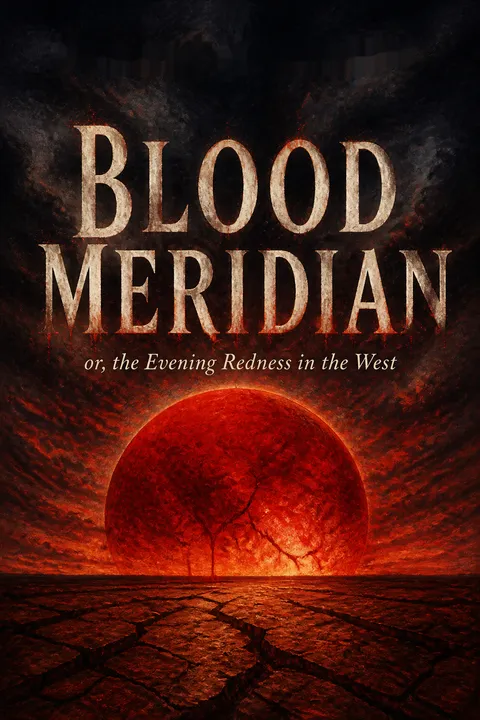
Resumo do Enredo
Os Inícios Violentos do Garoto
Nascido no Tennessee, o Garoto é um jovem pálido e magro, com uma inclinação para a violência. A mãe faleceu quando ele era pequeno, e o pai, um professor bêbado, nunca fala dela. Aos catorze anos, o Garoto foge de casa, vagueando para oeste, lutando e sobrevivendo nas ruas de Nova Orleães. Baleado e dado como morto, recupera-se e continua a sua jornada, chegando finalmente ao Texas, onde se vê envolvido num mundo de brutalidade e anarquia.
A Queda de um Pregador
Em Nacogdoches, o Garoto encontra o Reverendo Green, um pregador fraudulento. Durante um sermão, um homem misterioso e careca chamado Juiz Holden expõe o passado criminoso de Green, provocando o caos. O Garoto escapa à violência que se segue, unindo-se a um homem chamado Toadvine. Juntos, incendiam um hotel e fogem, aprofundando o mergulho de o Garoto numa vida de crime.
A Chegada do Juiz
O Garoto conhece o Juiz Holden, uma figura imponente e calva, com um rosto infantil, que impõe respeito e medo. O Juiz é um homem de muitos talentos, fala várias línguas e possui um conhecimento profundo do mundo. A sua presença é ao mesmo tempo magnética e aterradora, tornando-se uma figura central na vida de o Garoto, conduzindo-o a um universo de violência e reflexões filosóficas.
Um Novo Caminho para Oeste
O Garoto integra um grupo liderado pelo Capitão White, que planeia invadir o México sob o pretexto de recuperar terras para os Estados Unidos. A expedição é uma brutalidade constante, marcada por violência e traições. O Garoto, agora parte desta banda desorganizada de mercenários, é arrastado ainda mais para um ciclo de violência, enfrentando paisagens hostis e adversários mortais.
Sangue e Traição
O grupo, agora liderado por Glanton e o Juiz, protagoniza o massacre de uma aldeia indígena, assassinando homens, mulheres e crianças. O Garoto testemunha os horrores da guerra e a profundidade da depravação humana. A filosofia do Juiz sobre a guerra como estado natural do homem torna-se cada vez mais evidente, enquanto o grupo prossegue o seu caminho sangrento pelo deserto, perseguido por sobreviventes sedentos de vingança.
Caos na Travessia
Os índios Yuma atacam a travessia do ferry, levando a um massacre brutal orquestrado por Glanton e seus homens. Os Yumas, inicialmente enganados pela promessa de uísque de Glanton, retaliam com violência. O caos resulta na morte de muitos, incluindo Glanton, enquanto os Yumas recuperam as suas terras. O Garoto e Toadvine escapam por pouco à carnificina, fugindo para o deserto com os Yumas em perseguição. A travessia torna-se um símbolo de traição e do implacável ciclo de violência que define o mundo de o Garoto.
A Influência Sombria do Juiz
O Juiz, uma figura imponente de poder enigmático, continua a exercer a sua influência sobre o Garoto e outros. Ele encarna uma filosofia que glorifica a guerra e o caos como estados naturais da existência. A sua presença é ao mesmo tempo magnética e aterradora, manipulando aqueles à sua volta com a sua visão sombria do mundo. A filosofia do Juiz desafia a compreensão de moralidade e sobrevivência de o Garoto, deixando-o numa luta constante entre as suas próprias crenças e a ideologia avassaladora do Juiz.
Uma Fuga Desesperada
O Garoto e Toadvine, perseguidos pelos Yumas, atravessam a paisagem árida do deserto numa tentativa desesperada de sobreviver. Encontram o ex-padre Tobin, que se junta à sua fuga. O trio enfrenta a perseguição implacável de o Juiz, que parece personificar a natureza inevitável do destino. Enquanto atravessam o terreno desolado, o Garoto luta com o seu próprio sentimento de culpa e a presença assombrosa de o Juiz, que representa a inevitabilidade da violência e da morte.
A Jornada Errante do Garoto
Após escapar do deserto, o Garoto embarca numa jornada errante pelo Oeste americano. Encontra várias personagens e enfrenta as duras realidades da vida na fronteira. Apesar do seu passado violento, o Garoto procura um sentido de redenção e propósito. As suas viagens levam-no a lugares marcados pela anarquia e brutalidade, refletindo o mundo caótico que habita. Ao longo da sua jornada, o Garoto permanece assombrado pela influência de o Juiz e pela ambiguidade moral das suas próprias ações.
Uma Dança com o Destino
A jornada de o Garoto conduz a um encontro fatídico com o Juiz numa casa de dança. O Juiz, que personifica o caos e a vida eterna, desafia a compreensão de destino e livre-arbítrio de o Garoto. A dança torna-se uma metáfora para a luta de o Garoto contra a filosofia avassaladora do Juiz. A presença de o Juiz domina o espaço, representando a natureza inescapável da violência e o ciclo eterno da existência humana. O confronto de o Garoto com o Juiz obriga-o a enfrentar as suas próprias crenças e as escolhas que definiram a sua vida.
A Dança Eterna do Juiz
O Juiz, símbolo do caos e da violência eternos, continua a dançar pelo mundo, intocado pelo tempo ou pela mortalidade. A sua presença serve como um lembrete das forças sombrias que moldam a existência humana. A filosofia do Juiz sobre a guerra e a sobrevivência do mais forte permanece um desafio constante para o Garoto e outros que o encontram. Enquanto o Juiz dança, encarna o implacável ciclo de violência e a luta eterna pelo poder e controlo. A sua influência persiste, deixando um impacto duradouro em todos que cruzam o seu caminho.
Personagens
O Garoto
O Garoto, um jovem com um passado violento, embarca numa jornada pelo Oeste americano à procura de redenção e propósito. Apesar da sua história de brutalidade, mantém um sentido de inocência e curiosidade. Os encontros de o Garoto com o Juiz e outras personagens desafiam a sua compreensão de moralidade e sobrevivência. A sua jornada é marcada por uma luta constante entre as suas próprias crenças e a influência sombria de o Juiz, deixando-o num estado perpétuo de conflito.
Juiz Holden
Juiz Holden é uma figura imponente e enigmática que encarna o caos e a filosofia da guerra como estado natural da existência. A sua presença é ao mesmo tempo magnética e aterradora, manipulando aqueles à sua volta com a sua visão sombria do mundo. A influência de o Juiz domina a narrativa, desafiando a compreensão de moralidade e sobrevivência das personagens. Ele representa a natureza inescapável da violência e o ciclo eterno da existência humana, deixando um impacto duradouro em quem o encontra.
Toadvine
Toadvine é um homem rude e sem orelhas que se torna aliado de o Garoto. Juntos, enfrentam as paisagens duras do Oeste, envolvendo-se em atos de violência e anarquia. A presença de Toadvine na vida de o Garoto marca um mergulho mais profundo num mundo de crime e brutalidade. Apesar da sua lealdade, Toadvine sente conflito pela ambiguidade moral das suas ações e pela influência de o Juiz, vivendo numa luta constante entre sobrevivência e redenção.
Tobin
Tobin, um ex-padre, junta-se a o Garoto e Toadvine na sua fuga pelo deserto. Assombrado pelo seu passado e pela influência de o Juiz, Tobin procura redenção e salvação. A sua presença serve como uma bússola moral para o Garoto, desafiando-o a confrontar as suas próprias crenças e as escolhas que definiram a sua vida. A luta de Tobin com a fé e a moralidade reflete os temas mais amplos da narrativa, enquanto enfrenta as forças sombrias que moldam a existência humana.
Glanton
Glanton é um líder violento e astuto que comanda um grupo de mercenários. Movido pela ganância e sede de poder, a liderança de Glanton é marcada pela brutalidade e desprezo pela vida humana. As suas ações conduzem ao massacre na travessia do ferry, desencadeando uma cadeia de eventos que definem a narrativa. A queda de Glanton evidencia a futilidade da sua missão e a natureza destrutiva da ambição e violência desenfreadas.
Dispositivos Narrativos
A Filosofia do Juiz
A filosofia de o Juiz enquadra a guerra como um aspeto inerente e inevitável da existência humana. A sua visão desafia a compreensão das personagens sobre moralidade e sobrevivência, apresentando uma perspetiva sombria e niilista da vida. A influência de o Juiz domina a narrativa, moldando as ações e crenças das personagens. A sua filosofia serve como tema central, explorando a natureza cíclica da violência e a luta pelo poder e controlo.
O Ciclo da Violência
A narrativa segue um ciclo de violência e traição, enquanto as personagens se envolvem em atos de brutalidade e derramamento de sangue pelo deserto. Este caminho implacável destaca a futilidade das suas ações e a natureza inescapável da sua existência violenta. O ciclo da violência serve como metáfora para os temas mais amplos da narrativa, explorando as forças sombrias que moldam a existência humana e a luta por redenção e propósito.
A Dança como Metáfora
A dança torna-se uma metáfora central para a luta de o Garoto contra a filosofia avassaladora de o Juiz. A dança representa a natureza cíclica da existência humana e a luta eterna pelo poder e controlo. O confronto de o Garoto com o Juiz na casa de dança obriga-o a enfrentar as suas próprias crenças e as escolhas que definiram a sua vida. A dança serve como um símbolo poderoso dos temas da narrativa, explorando a tensão entre destino e livre-arbítrio.
Análise
"Meridiano de Sangue" é uma profunda exploração da condição humana, mergulhando em temas como violência, moralidade e a natureza cíclica da existência. Cormac McCarthy apresenta um mundo onde a brutalidade é inerente e a luta pelo poder e sobrevivência é implacável. Através da figura enigmática de Juiz Holden, a narrativa desafia os leitores a confrontar os aspetos mais sombrios da humanidade e as questões filosóficas em torno do destino e do livre-arbítrio. A representação austera do Oeste americano serve de pano de fundo para esta exploração, destacando a ambiguidade moral e o caos que definem as vidas das personagens. Em última análise, "Meridiano de Sangue" é uma reflexão inquietante sobre a natureza da violência e a eterna dança entre o caos e a ordem.
Outros Também Leram




Perguntas Frequentes
Synopsis & Basic Details
What is Blood Meridian, or, the Evening Redness in the West about?
- Violent coming-of-age: The novel follows a young man, known only as "the kid," as he journeys through the brutal landscape of the American West in the mid-19th century, encountering violence and moral ambiguity at every turn.
- Mercenary scalp-hunting: The kid joins a gang of scalp hunters led by the ruthless Glanton and the enigmatic Judge Holden, who are contracted to kill Native Americans by the Mexican government.
- Philosophical exploration of violence: The story explores the nature of violence, morality, and the human condition through vivid descriptions of brutality and philosophical dialogues, particularly those involving Judge Holden.
Why should I read Blood Meridian, or, the Evening Redness in the West?
- Literary masterpiece: It is considered a landmark of American literature, showcasing Cormac McCarthy's unique prose style and profound exploration of dark themes.
- Challenging philosophical questions: The novel grapples with complex questions about human nature, morality, and the role of violence in history, prompting deep reflection.
- Unflinching portrayal of the West: It offers a stark and realistic depiction of the American West, devoid of romanticism, revealing the brutality and lawlessness of the frontier.
What is the background of Blood Meridian, or, the Evening Redness in the West?
- Based on historical events: The novel is loosely based on the real-life exploits of the Glanton gang, a group of scalp hunters who operated in the borderlands between the United States and Mexico in the 1850s.
- Geographical setting: The story takes place in the harsh and unforgiving landscapes of the American Southwest, including Texas, New Mexico, and Mexico, during a period of intense conflict and expansion.
- Cultural context: The novel reflects the historical tensions between Anglo-Americans, Mexicans, and Native Americans in the 19th century, highlighting the violence and exploitation that characterized the era.
What are the most memorable quotes in Blood Meridian, or, the Evening Redness in the West?
- "It makes no difference what men think of war. War endures.": This quote, spoken by Judge Holden, encapsulates the novel's central theme of the inevitability and timelessness of violence.
- "The world is before you and you need not take it or leave it as it was when you came in.": This quote, also from Judge Holden, suggests the potential for human agency and the ability to shape one's own destiny, while simultaneously hinting at the destructive consequences of such power.
- "He never sleeps, the judge. He is dancing, dancing.": This recurring phrase emphasizes Judge Holden's relentless and unstoppable nature, symbolizing the enduring presence of violence and chaos.
What writing style, narrative choices, and literary techniques does Cormac McCarthy use?
- Biblical and epic tone: McCarthy employs a distinctive prose style characterized by its poetic language, biblical allusions, and epic scope, lending the story a sense of mythic grandeur and moral weight.
- Violence and graphic imagery: The novel is known for its unflinching depiction of violence, using vivid and often brutal imagery to convey the horrors of the frontier and the depths of human depravity.
- Ambiguity and philosophical dialogue: McCarthy leaves many aspects of the story open to interpretation, relying on philosophical dialogues and symbolic imagery to explore complex themes and challenge the reader's understanding of morality.
Hidden Details & Subtle Connections
What are some minor details that add significant meaning?
- The judge's lack of hair: The judge's hairlessness is mentioned repeatedly and contributes to his inhuman and unsettling presence, suggesting a being outside the natural order.
- The kid's changing name: The protagonist is almost always referred to as "the kid," emphasizing his youth and lack of identity, but he is occasionally called "the boy," further highlighting his vulnerability.
- The recurring mention of teeth: The frequent references to teeth, both human and animal, symbolize violence, mortality, and the primal nature of existence, underscoring the novel's themes of savagery and decay.
What are some subtle foreshadowing and callbacks?
- The heart of a black man: The hermit's possession of a dried heart foreshadows the racial violence and dehumanization that the kid will witness and participate in throughout the novel.
- The judge's knowledge of the future: The judge's seemingly prescient knowledge of events and people, such as the Reverend Green, hints at his supernatural nature and control over the narrative.
- The recurring image of the dance: The dance is mentioned throughout the novel, culminating in the final scene, serving as a metaphor for the cyclical nature of violence and the characters' inescapable destinies.
What are some unexpected character connections?
- The judge and the expriest: The judge and the expriest, despite their opposing ideologies, share a certain intellectual curiosity and a fascination with the darker aspects of human nature, suggesting a hidden connection or shared understanding.
- The kid and Toadvine: The kid and Toadvine, despite their different backgrounds and personalities, form a bond based on shared experiences of violence and survival, highlighting the dehumanizing effects of the frontier.
- The judge and the idiot: The judge's relationship with the idiot, whom he often keeps close by, suggests a connection between intellect and primal instinct, or perhaps a reflection of the judge's own chaotic nature.
Who are the most significant supporting characters?
- Tobin: As an expriest, Tobin provides a moral counterpoint to the judge's nihilism, grappling with questions of faith and redemption in a world devoid of mercy.
- Toadvine: Toadvine's earless visage and violent tendencies represent the brutal realities of the frontier, serving as a constant reminder of the savagery that surrounds the kid.
- The Delawares: The Delaware Indians, serving as scouts for the Glanton gang, embody a complex mix of indigenous knowledge, cultural displacement, and participation in the violence of the West.
Psychological, Emotional, & Relational Analysis
What are some unspoken motivations of the characters?
- The kid's search for meaning: The kid's constant wandering and participation in violence may stem from an unspoken desire to find meaning or purpose in a world that seems inherently chaotic and meaningless.
- Judge Holden's desire for control: Judge Holden's philosophical pronouncements and acts of violence may be driven by an unspoken need to assert control over the world and impose his own order upon it.
- Glanton's pursuit of wealth and power: Glanton's ruthless pursuit of wealth and power may be rooted in an unspoken desire to escape his own past or to prove his worth in a society that values strength and dominance.
What psychological complexities do the characters exhibit?
- The kid's moral ambiguity: The kid's participation in violence, despite his moments of empathy and remorse, reveals a complex and conflicted psyche, struggling to reconcile his actions with his conscience.
- Judge Holden's lack of empathy: Judge Holden's apparent lack of empathy and his detached observation of human suffering suggest a profound psychological detachment from conventional morality.
- Toadvine's brutal pragmatism: Toadvine's brutal pragmatism and his willingness to commit acts of violence for survival reveal a psychological adaptation to the harsh realities of the frontier.
What are the major emotional turning points?
- The massacre of the Native American village: The massacre serves as a major emotional turning point for the kid, exposing him to the full horror of human depravity and challenging his understanding of morality.
- The death of Sproule: Sproule's gruesome death, marked by the vampire bat attack, underscores the fragility of life and the ever-present threat of violence, leaving the kid emotionally scarred.
- The kid's final encounter with the judge: The kid's final encounter with the judge in the jakes represents a culmination of his emotional and psychological journey, forcing him to confront the judge's influence and his own complicity in violence.
How do relationship dynamics evolve?
- The kid and the judge: The relationship between the kid and the judge evolves from one of fascination and fear to one of reluctant understanding and ultimately, violent confrontation, reflecting the kid's growing awareness of the judge's true nature.
- Glanton and the judge: The dynamic between Glanton and the judge shifts from one of mutual respect and collaboration to one of increasing tension and distrust, as Glanton begins to question the judge's motives and influence.
- The kid and Tobin: The relationship between the kid and Tobin provides a moral anchor amidst the violence, with Tobin serving as a mentor and confidant, offering guidance and challenging the kid's moral compass.
Interpretation & Debate
Which parts of the story remain ambiguous or open-ended?
- The judge's origins and nature: The judge's true origins and nature remain shrouded in mystery, leaving his identity and motivations open to interpretation and fueling debate about his symbolic significance.
- The kid's final fate: The kid's fate after his encounter with the judge in the jakes is left ambiguous, prompting speculation about his ultimate destiny and the possibility of redemption.
- The meaning of the epilogue: The epilogue, with its cryptic description of a man making holes in the ground, invites multiple interpretations, ranging from a cyclical view of history to a commentary on human agency and the search for meaning.
What are some debatable, controversial scenes or moments in Blood Meridian, or, the Evening Redness in the West?
- The massacre of the Native American village: The graphic depiction of the massacre is highly controversial, raising questions about the novel's portrayal of violence and its potential for glorification or condemnation.
- The judge's philosophical pronouncements: The judge's philosophical pronouncements, particularly his justification of war and violence, are often debated, with some interpreting them as a critique of human nature and others as an endorsement of nihilism.
- The kid's final act of violence: The kid's final act of violence against the judge is open to interpretation, with some viewing it as a moment of moral agency and others as a confirmation of the cyclical nature of violence.
Blood Meridian, or, the Evening Redness in the West Ending Explained: How It Ends & What It Means
- The judge's dominance: The ending suggests the judge's enduring presence as a force of chaos and violence, implying that such forces are inherent in human nature and cannot be eradicated.
- The kid's ambiguous fate: The kid's death at the hands of the judge can be interpreted as a final submission to the judge's philosophy or as a tragic consequence of his own violent past.
- The dance as a symbol: The judge's eternal dance symbolizes the cyclical nature of violence and the ongoing struggle between order and chaos, suggesting that this struggle will continue indefinitely.
Baixar PDF
Baixar EPUB
.epub digital book format is ideal for reading ebooks on phones, tablets, and e-readers.








































