

Ключевые идеи
1. Перестаньте жить в эмоционально нездоровой духовности
«Многие из нас имеют с Иисусом отношения, которые находятся на очень поверхностном уровне. Мы говорим с Богом, а порой даже просто обращаемся к Нему, но почти не слушаем Его.»
Осознание духовного застоя. Многие христиане живут поверхностной духовной жизнью, наполненной суетой, отчуждением и отсутствием настоящей близости с Богом. Такая эмоциональная нездоровость проявляется в постоянной активности без глубины, оставляя человека рассеянным и духовно истощённым.
Признаки нездоровой духовности:
- Постоянная занятость без осознанного размышления
- Избегание тишины и глубокого самоанализа
- Жизнь за счёт духовного опыта других людей
- Пренебрежение искренней молитвой и слушанием Бога
- Выполнение религиозных обрядов без настоящей связи
Путь к исцелению. Преобразование духовной жизни требует сознательного создания пространства для пребывания с Богом, умения быть в тишине и практики слушания. Это значит распознавать внутренние шаблоны, отпускать контроль и позволять Богу говорить в самые сокровенные уголки нашей души.
2. Познай себя, чтобы познать Бога
«Мы по природе своей нетерпеливы и хотим сразу перейти к результату, минуя все промежуточные этапы.»
Самопознание как духовное путешествие. Понимать себя — это не эгоизм, а важнейший путь к познанию Бога. Исследуя свой внутренний мир — раны, страхи, мотивации и уникальное устройство — мы создаём пространство для подлинного духовного преображения.
Ключевые аспекты самопознания:
- Признание собственных ограничений
- Осознание влияния семьи происхождения
- Понимание эмоциональных паттернов
- Принятие уязвимости
- Принятие уникального замысла Бога для своей жизни
Преобразующее самосознание. Истинный духовный рост происходит, когда мы смело заглядываем внутрь себя, позволяя Богу исцелять, перестраивать и направлять наш путь. Этот процесс требует терпения, благодати и честности перед собой.
3. Примите шаг назад, чтобы идти вперёд
«Бог никогда не отвергает наше прошлое ради своего будущего, когда мы полностью отдаёмся Ему.»
Искупительная личная история. Наше прошлое, включая болезненные воспоминания и ошибки, — не преграды, а возможности для роста, если мы передаём их Богу. Каждый опыт может стать значимой частью нашего духовного пути.
Стратегии исцеления:
- Признавать прошлые раны, не позволяя им определять себя
- Практиковать прощение себя и других
- Осознавать Божью власть над жизненными обстоятельствами
- Учиться на повторяющихся жизненных сценариях
- Передавать нерешённые истории в руки Бога
Пересмотр повествования. Переформатируя свою личную историю через призму Божьей любви и искупления, мы выходим из роли жертвы и начинаем жить с целью, понимая, что наш опыт может стать катализатором духовной зрелости.
4. Пройдите через жизненные испытания
«Стена — это способ Бога перепрограммировать и очистить наши чувства и страсти, чтобы мы могли радоваться Его любви.»
Духовное преображение через трудности. Трудные периоды жизни — не наказание, а шанс для глубокого духовного роста. Эти «стены» заставляют нас столкнуться с ограничениями, зависимостями и необходимостью Божьей силы.
Принципы преодоления стен:
- Принимать неопределённость
- Практиковать радикальное доверие
- Отпускать контроль
- Развивать духовную стойкость
- Искать смысл в загадочных процессах
Смена перспективы. Стены — не преграды, а приглашение к более глубокой близости с Богом. Они снимают ложные опоры, бросают вызов нашей самодостаточности и создают пространство для подлинного духовного формирования.
5. Расширяйте душу через горе и утраты
«Душа эластична, как воздушный шар. Она может расти через страдания.»
Преобразующая сила горя. Потеря — это не просто боль, которую нужно пережить, а возможность расширить душу. Честно проживая горе, мы развиваем глубокое сострадание, стойкость и духовное понимание.
Стратегии работы с горем:
- Позволять искренне выражать эмоции
- Не притуплять и не избегать боли
- Создавать пространство для плача и скорби
- Искать поддержку в общине
- Доверять Божьим процессам исцеления
Духовное взросление. Здорово прожитое горе становится учителем, который расширяет нашу способность к эмпатии, мудрости и глубине духовной жизни.
6. Обретите ритмы ежедневной духовной практики
«Суббота говорит: Будь спокоен. Остановись. Нет нужды спешить к концу, потому что мы никогда не заканчиваем.»
Сознательные духовные ритмы. Регулярные духовные практики создают пространство для преобразующего присутствия Бога. Эти ритмы помогают противостоять культурному давлению постоянной продуктивности и суеты.
Практические шаги:
- Ежедневные моменты тишины
- Регулярное соблюдение субботы
- Структурированное время молитвы
- Развитие навыков созерцательного слушания
- Баланс активности и осознанного отдыха
Духовная внимательность. Устанавливая постоянные ритмы, мы учимся быть более открытыми к непрерывной работе Бога в нашей жизни.
7. Станьте эмоционально зрелым взрослым
«Истинная духовность — это умение любить по-настоящему.»
Духовная зрелость в отношениях. Эмоциональная и духовная зрелость проявляется в глубине и искренности отношений с Богом и людьми, основанных на эмпатии, уязвимости и настоящей любви.
Признаки зрелости:
- Практика бескорыстного сострадания
- Развитие эмоционального интеллекта
- Поддержание здоровых границ в отношениях
- Принятие собственных ограничений
- Культивирование радикального принятия
Преобразующие отношения. Духовная зрелость проявляется в том, как мы любим и взаимодействуем с другими, отражая безусловную любовь Бога.
8. Разработайте личное правило жизни
«Каждый момент и каждое событие жизни человека оставляют след в его душе.»
Сознательное духовное устройство. Создание личного «правила жизни» — это намеренное формирование ежедневных практик, которые питают духовный рост, соответствуют призванию и поддерживают целостное благополучие.
Составляющие правила жизни:
- Установление постоянных духовных практик
- Соответствие действий основным ценностям
- Создание пространства для размышлений
- Баланс работы, отдыха и духовных дисциплин
- Гибкость и принятие благодати
Жизнь с целью. Личное правило жизни помогает интегрировать духовные намерения с повседневными ритмами, обеспечивая непрерывное духовное формирование.
Обзор отзывов
«Эмоционально здоровое духовенство день за днём» заслуженно получает восторженные отзывы читателей как по-настоящему преобразующее духовное руководство. Многие отмечают уникальный формат книги — две минуты тишины до и после каждого чтения, что помогает настроиться и глубже погрузиться в размышления. Основное внимание уделяется эмоциональному и духовному росту через ежедневные размышления и вопросы, заставляющие задуматься. Читатели отмечают, что книга помогает укрепить отношения с Богом и выстроить здоровые духовные ритмы в жизни. Хотя некоторые замечают повторение идей из других работ Скаццеро, большинство считает это издание мощным инструментом для личностного развития и настоятельно рекомендует его к прочтению.
Частые вопросы
1. What is "Emotionally Healthy Spirituality Day by Day" by Peter Scazzero about?
- 40-Day Spiritual Journey: The book is a 40-day devotional guide designed to help readers develop a deeper, more emotionally healthy relationship with God through the ancient practice of the Daily Office.
- Integration of Emotion and Faith: It emphasizes the importance of integrating emotional health with spiritual maturity, arguing that true spirituality cannot exist without emotional awareness and growth.
- Structured Daily Practice: Each day includes two “offices” (prayer times), with elements such as silence, scripture, devotional readings, reflection questions, and prayer.
- Themes from Core Book: The content is organized around eight weekly themes, each rooted in a chapter from Scazzero’s foundational book, "Emotionally Healthy Spirituality."
2. Why should I read "Emotionally Healthy Spirituality Day by Day" by Peter Scazzero?
- Address Spiritual Stagnation: The book addresses the common struggle of feeling stuck, shallow, or disconnected in one’s spiritual life, offering practical steps to move forward.
- Ancient Yet Practical Discipline: It introduces the Daily Office, a time-tested spiritual discipline that helps believers experience God’s presence throughout the day, not just in isolated moments.
- Emotional and Spiritual Growth: Readers learn to recognize and process their emotions in a healthy, biblical way, leading to greater self-awareness and deeper intimacy with God.
- Flexible and Adaptable: The structure is designed to be flexible, allowing readers to adapt the practices to their unique schedules and spiritual needs.
3. What is the Daily Office, and how does Peter Scazzero recommend practicing it?
- Definition and Origin: The Daily Office is a structured practice of stopping at set times each day for prayer, silence, scripture, and reflection, rooted in ancient Christian tradition.
- Distinct from Quiet Time: Unlike typical “quiet time” or devotions, which are often once daily and focused on getting something from God, the Daily Office is about simply being with God, ideally at least twice a day.
- Five Core Elements: Each Office includes silence and stillness, a short scripture reading, a devotional reflection, a question to consider, and a closing prayer.
- Adaptable Practice: Scazzero encourages readers to start small, be gracious with themselves, and adjust the length and timing of each Office to fit their life circumstances.
4. How does "Emotionally Healthy Spirituality Day by Day" define emotionally unhealthy spirituality, and why is it a problem?
- Symptoms of Unhealthy Spirituality: The book lists signs such as spiritual stagnation, living off others’ faith, busyness, lack of depth, and minimal real connection with God.
- Ignoring Emotions: It highlights the danger of ignoring or suppressing emotions, which leads to a shallow, fragmented spiritual life and blocks true transformation.
- Global Spiritual Crisis: Scazzero argues that many Christians have an underdeveloped relationship with Jesus, resulting in a global crisis of shallow faith and lack of love.
- Need for Intentional Change: The solution is to intentionally rearrange daily life to include practices that foster emotional and spiritual maturity.
5. What are the key takeaways and main themes of "Emotionally Healthy Spirituality Day by Day"?
- Integration of Silence and Stillness: Regular silence before God is foundational for spiritual growth and emotional health.
- Knowing Yourself to Know God: Self-awareness and honest reflection are essential for authentic spirituality.
- Going Back to Go Forward: Understanding and processing one’s past, including family history and pain, is necessary for spiritual maturity.
- Journeying Through Walls: Facing and moving through spiritual and emotional barriers (walls) is part of the growth process.
- Embracing Grief and Loss: Allowing oneself to grieve and process loss enlarges the soul and deepens faith.
- Sabbath and Rhythms: Practicing Sabbath and daily rhythms of rest and prayer are vital for a healthy spiritual life.
- Growing into Emotional Maturity: True spiritual maturity is inseparable from emotional maturity and healthy relationships.
- Developing a Rule of Life: Creating a personal plan or “Rule of Life” helps sustain long-term growth and intimacy with God.
6. How does Peter Scazzero structure each day’s practice in "Emotionally Healthy Spirituality Day by Day"?
- Two Daily Offices: Each day is divided into a morning/midday and a midday/evening Office, allowing for multiple touchpoints with God.
- Five-Part Format: Every Office includes (1) two minutes of silence and stillness, (2) a brief scripture reading, (3) a devotional reflection, (4) a question to consider, and (5) a written prayer.
- Weekly Themes: The 40 days are grouped into eight weekly themes, each focusing on a key aspect of emotionally healthy spirituality.
- Flexible Timing: Readers are encouraged to adapt the length and timing of each Office to their needs, with the focus on quality of presence rather than quantity of time.
7. What is the role of silence and stillness in "Emotionally Healthy Spirituality Day by Day," and how does Scazzero suggest practicing it?
- Foundation of the Daily Office: Silence and stillness are the starting and ending points of each Office, helping to center attention on God.
- Countercultural Practice: In a noisy, distracted world, silence is a revolutionary act that allows God to be the center rather than one’s own agenda.
- Practical Guidelines: Scazzero suggests finding a comfortable, quiet place, using a simple prayer word or phrase, and gently returning to God when distracted.
- Gradual Transformation: Over time, regular silence leads to deeper awareness of God’s presence and greater emotional and spiritual maturity.
8. How does "Emotionally Healthy Spirituality Day by Day" help readers process emotions and past experiences?
- Emotions as the Language of the Soul: The book teaches that ignoring emotions is turning away from reality and from God, while honest engagement leads to transformation.
- Reflection Questions: Each Office includes a probing question to help readers identify and process their feelings, struggles, and past wounds.
- Biblical Examples: Stories of biblical figures like Jacob, Joseph, and David illustrate the importance of facing pain, grieving losses, and allowing God to use one’s history for growth.
- Encouragement to Grieve: The book emphasizes that grieving and lament are essential for healing and spiritual depth.
9. What is a "Rule of Life" according to Peter Scazzero, and how does "Emotionally Healthy Spirituality Day by Day" guide readers to develop one?
- Definition: A Rule of Life is a personal plan or framework that helps individuals intentionally structure their lives around practices that nurture their relationship with God.
- Biblical and Historical Roots: The concept is drawn from monastic traditions (e.g., St. Benedict) and biblical examples like Daniel, who maintained spiritual disciplines in a hostile culture.
- Components: A Rule of Life typically includes rhythms of prayer, rest, work, relationships, and self-care, tailored to one’s unique calling and season of life.
- Practical Guidance: The final week of the book helps readers reflect on their current practices and begin crafting a sustainable Rule of Life for ongoing growth.
10. How does "Emotionally Healthy Spirituality Day by Day" address the importance of Sabbath and daily rhythms?
- Sabbath as Gift and Command: The book teaches that Sabbath is both a command and a gift, designed to liberate believers from busyness and performance.
- Rest and Trust: Practicing Sabbath and daily rest is an act of trust, acknowledging that God is in control and that one’s worth is not based on productivity.
- Mini-Sabbaths: The Daily Office itself is described as a “mini-Sabbath,” providing regular pauses throughout the day to reconnect with God.
- Practical Benefits: Regular Sabbath and daily rhythms lead to greater peace, joy, and the ability to notice and receive God’s love.
11. What are some of the best quotes from "Emotionally Healthy Spirituality Day by Day" by Peter Scazzero, and what do they mean?
- “The goal of the Daily Office is to pay attention to God throughout the entire day and in the midst of our activities.” This highlights the book’s central aim: ongoing awareness of God, not just isolated spiritual moments.
- “Ignoring our emotions is turning our back on reality; listening to our emotions ushers us into reality. And reality is where we meet God.” This quote (from Allender and Longman, cited by Scazzero) underscores the necessity of emotional honesty for true spiritual growth.
- “Sabbath says, Be still. Stop. There is no rush to get to the end, because we are never finished.” This reflects the book’s teaching that rest is not earned by finishing work, but is a regular, God-given rhythm.
- “You will discover, as millions of others have across the ages, that his love really is better than life (Psalm 63:3).” This encapsulates the ultimate promise of the book: deeper experience of God’s love through these practices.
12. How can groups or communities use "Emotionally Healthy Spirituality Day by Day" by Peter Scazzero together?
- Adaptable for Groups: While designed for individuals, the Daily Offices can be easily adapted for group use, such as in church staff meetings, small groups, or families.
- Group Guidelines: Scazzero suggests appointing a facilitator, reading scripture and devotionals aloud, pausing between sections, and optionally sharing prayers or worship together.
- Shared Growth: Practicing the Offices in community fosters mutual encouragement,
Об авторе
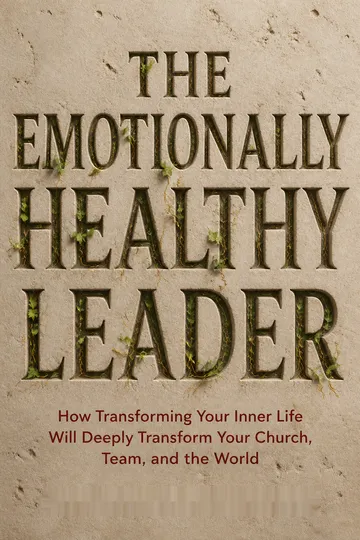
Другие книги автора Питер Скаццеро



Скачать PDF
Скачать EPUB
.epub digital book format is ideal for reading ebooks on phones, tablets, and e-readers.








































