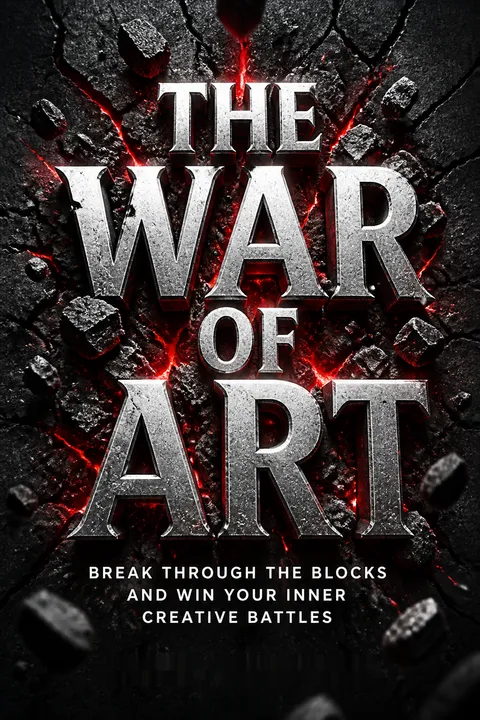

Kľúčové poznatky
1. Odpor je nepriateľom kreativity a osobného rastu
Odpor je najtoxickejšia sila na svete. Je príčinou viac nešťastia než chudoba, choroby či erektilná dysfunkcia.
Čo je odpor: Odpor je neviditeľná, vnútorná sila, ktorá sa stavá proti tvorivým a osobnostným snahám o rast. Prejavuje sa ako:
- Odkladanie povinností
- Sebapochybnosti
- Strach
- Racionalizácia
- Závislosť
- Sebasabotáž
Ako prekonať odpor: Aby ste odolali odporu:
- Uvedomte si, že je to univerzálna sila, nie osobná slabosť
- Pochopte, že čím dôležitejší je projekt, tým silnejší bude odpor
- Zaviažte sa každý deň prísť a pracovať, bez ohľadu na pocity
- Zamerajte sa na proces, nie na výsledok
2. Stať sa profesionálom je kľúčom k prekonaniu odporu
Okamih, keď sa umelec stane profesionálom, je rovnako významný ako narodenie jeho prvého dieťaťa. Jedným ťahom sa všetko zmení.
Znaky profesionála:
- Prichádza každý deň, bez ohľadu na okolnosti
- Zaviaže sa na dlhodobú prácu
- Prijíma odmenu za svoju prácu
- Neidentifikuje sa príliš s výsledkom
- Ovláda techniky svojho remesla
- Má zmysel pre humor voči svojej práci
Amatér verzus profesionál: Amatéri nechávajú odpor, aby ich porazil, profesionáli ho prekonávajú. Profesionáli chápu, že strach a sebapochybnosti sú súčasťou procesu, nie dôvodom na vzdanie sa. Sústredia sa na pravidelnú činnosť namiesto čakania na inšpiráciu či ideálne podmienky.
3. Strach je znamením dôležitosti a musí sa čeliť
Paralyzuje vás strach? To je dobré znamenie. Strach je dobrý. Rovnako ako sebapochybnosti, aj strach je ukazovateľ. Ukazuje nám, čo musíme urobiť.
Pochopenie strachu: Strach často signalizuje:
- Dôležitosť projektu alebo cieľa
- Príležitosť na rast a učenie sa
- Potenciál významnej zmeny alebo vplyvu
Ako čeliť strachu: Aby ste strach prekonali:
- Uvedomte si, že je prirodzenou súčasťou tvorivého procesu
- Použite ho ako kompas, ktorý vás vedie k dôležitej práci
- Konajte napriek obavám
- Pochopte, že odvaha nie je absencia strachu, ale čin napriek nemu
4. Profesionalita vyžaduje disciplínu, záväzok a trpezlivosť
Profesionál sa naučil lepšie. Rešpektuje odpor. Vie, že ak dnes podľahne, akokoľvek presvedčivý je dôvod, zajtra bude dvakrát náchylnejší podľahnúť znova.
Rozvíjanie profesionality:
- Zaviesť konzistentnú pracovnú rutinu
- Stanoviť jasné hranice medzi prácou a osobným životom
- Zamerať sa na dlhodobé ciele namiesto krátkodobej spokojnosti
- Pestovať trpezlivosť a vytrvalosť
- Neustále zlepšovať zručnosti a vedomosti
Výhody profesionality:
- Zvýšená produktivita
- Väčšia odolnosť pri neúspechoch
- Lepšia kvalita práce
- Posilnená reputácia a dôveryhodnosť
5. Autentické ja je naše pravé povolanie a osud
Našou úlohou v tomto živote nie je formovať sa do ideálu, o ktorom si myslíme, že by sme mali byť, ale objaviť, kým už sme, a stať sa tým.
Objavovanie autentického ja:
- Zamyslite sa nad záujmami a prirodzenými sklony z detstva
- Venujte pozornosť činnostiam, ktoré vám prinášajú radosť a plynulosť
- Premýšľajte, čo by ste robili, keby peniaze neboli prekážkou
- Identifikujte svoje základné hodnoty a presvedčenia
Žiť autenticky:
- Zladiť kariéru a životné rozhodnutia so svojím pravým ja
- Odolávať spoločenskému tlaku prispôsobiť sa očakávaniam iných
- Prijať svoje jedinečné talenty a pohľad na svet
- Neustále zdokonaľovať a vyjadrovať svoj autentický hlas
6. Inšpirácia prichádza z vyššej sféry alebo nevedomia
Keď si každý deň sadneme a pracujeme, okolo nás sa sústreďuje sila. Múza si všimne našu oddanosť. Schvaľuje ju. Získali sme jej priazeň.
Zdroje inšpirácie:
- Nevedomie
- Vyššia duchovná sféra
- Kolektívne ľudské vedomie
- Osobné skúsenosti a spomienky
Pestovanie inšpirácie:
- Zaviesť pravidelnú tvorivú prax
- Vytvoriť priestor na samotu a reflexiu
- Otvoriť sa rôznym myšlienkam a skúsenostiam
- Dôverovať tvorivému procesu, aj keď sa inšpirácia zdá vzdialená
7. Ja, nie ego, je zdrojom kreativity a rastu
Ja túži tvoriť, vyvíjať sa. Ego má rado veci také, aké sú.
Ja verzus Ego:
- Ja: Spojené s božským, hľadá rast a evolúciu
- Ego: Zamerané na materiálnu existenciu, odoláva zmene
Prístup k Ja:
- Praktizovať meditáciu alebo všímavosť
- Venovať sa tvorivým činnostiam
- Hľadať zážitky, ktoré rozširujú vedomie
- Pestovať sebauvedomenie a introspekciu
8. Úspech často znamená opustiť komfortné zóny a kmeňové začlenenia
Bojíme sa zistiť, že sme viac, než si myslíme. Viac, než si myslia naši rodičia, deti či učitelia. Bojíme sa, že naozaj máme talent, ktorý nám tichý, malý hlas naznačuje.
Prijatie rastu:
- Uvedomiť si, že osobný vývoj môže niektorých ľudí odcudziť
- Byť ochotný prekročiť staré identity a vzťahy
- Hľadať nové spoločenstvá, ktoré podporujú váš rast
- Dôverovať, že autentické vzťahy nahradia tie stratené
Prekonanie strachu z úspechu:
- Priznať si strach z opustenia známeho prostredia
- Pochopiť, že rast často prináša nepohodlie
- Zamerať sa na potenciálne výhody úspechu
- Vybudovať si podporný systém, ktorý povzbudzuje vašu evolúciu
9. Umelec sa musí sústrediť na svoje remeslo a odhaliť tajomstvá tvorivého procesu
Profesionálka vníma svoju prácu ako remeslo, nie umenie. Nie preto, že by verila, že umenie postráda mystickú dimenziu. Práve naopak. Chápe, že každé tvorivé úsilie je posvätné, no nezostáva na tom uviaznutá.
Odhalenie tvorivosti:
- Zamerať sa na rozvoj technických zručností
- Zaviesť pravidelnú pracovnú rutinu
- Rozdeliť projekty na zvládnuteľné úlohy
- Študovať techniky úspešných umelcov vo svojom odbore
Rovnováha medzi remeslom a inšpiráciou:
- Rešpektovať tajomné aspekty tvorivosti
- Nechať priestor pre disciplínu aj spontánnu inšpiráciu
- Uvedomiť si, že majstrovstvo remesla rozširuje tvorivú slobodu
- Dôverovať, že pravidelná snaha prinesie prelomové výsledky
10. Privolanie Múzy môže pomôcť v tvorivých snahách
Už ste niekedy strávili čas v Santa Fe? Tam existuje subkultúra „liečenia“. Myšlienka je, že v atmosfére je niečo terapeutické. Bezpečné miesto, kam ísť a dať sa dokopy.
Koncept Múzy:
- Personifikácia inšpirácie a tvorivosti
- Spojenie s vyššou sférou alebo kolektívnym nevedomím
- Spôsob, ako vonkajšie prejaviť a rešpektovať tvorivý proces
Privolanie Múzy:
- Vytvoriť si osobný rituál na začiatok tvorivej práce
- Vyhradiť si priestor pre svoje umenie
- Použiť meditáciu alebo vizualizáciu na spojenie s inšpiráciou
- Pestovať postoj otvorenosti a prijatia nápadov
Zhrnutie recenzií
Kniha Vojna umenia vyvoláva zmiešané reakcie. Niektorí ju chvália ako motivačný impulz na prekonanie tvorivých blokov, pričom oceňujú praktické rady o disciplíne a profesionalite. Iní ju kritizujú za opakujúci sa obsah, nepodložené tvrdenia a potenciálne škodlivé odporúčania. Mnohí čitatelia považujú prvé dve časti za poučné, no duchovnú tretiu časť prijímajú s rezervou. Čitatelia si vážia Pressfieldovu úprimnosť a stručný štýl písania, hoci niektorí vnímajú jeho tón ako súdiaci. Hlavné posolstvo knihy o prekonávaní „Odporu“ rezonuje u mnohých tvorivých ľudí, napriek kontroverzným aspektom.
Ľudia tiež čítajú
Časté otázky
What's "The War of Art" about?
- Author's Focus: "The War of Art" by Steven Pressfield is about overcoming the internal barriers that prevent creative individuals from achieving their goals.
- Central Theme: The book identifies "Resistance" as the primary enemy of creativity, which manifests as procrastination, self-doubt, and fear.
- Structure: It is divided into three parts: "Defining the Enemy," "Combating Resistance," and "Beyond Resistance," each offering insights and strategies to conquer creative blocks.
- Purpose: The book aims to inspire and guide artists, writers, and entrepreneurs to push through their internal struggles and realize their creative potential.
Why should I read "The War of Art"?
- Practical Advice: It provides actionable strategies for overcoming procrastination and self-doubt, common issues faced by creatives.
- Inspiration: The book is motivational, encouraging readers to pursue their true calling and not succumb to fear or societal pressures.
- Insightful Concepts: It introduces the concept of "Resistance" as a universal force that hinders creativity, offering a new perspective on personal struggles.
- Empowerment: Reading it can empower you to take control of your creative process and commit to your work with a professional mindset.
What are the key takeaways of "The War of Art"?
- Resistance as the Enemy: Recognize that Resistance is a natural force that opposes creative endeavors and must be confronted daily.
- Turning Pro: Adopt a professional attitude towards your creative work, showing up consistently and treating it with seriousness and dedication.
- Inspiration and the Muse: Understand that inspiration often comes after you start working, not before, and that invoking the Muse can help in the creative process.
- Territorial vs. Hierarchical Thinking: Focus on your work for its own sake (territorial) rather than for external validation (hierarchical).
How does Steven Pressfield define "Resistance"?
- Universal Force: Resistance is described as a destructive force within human nature that opposes any act that might lead to personal growth or creativity.
- Manifestations: It can appear as procrastination, self-doubt, fear, rationalization, and other forms of self-sabotage.
- Internal Origin: Resistance is self-generated and arises from within, often disguised as legitimate reasons not to pursue creative work.
- Impersonal Nature: It is not out to get you personally; it is a natural force that acts objectively, like gravity.
What is the "Turning Pro" concept in "The War of Art"?
- Professional Mindset: Turning Pro means adopting a professional attitude towards your creative work, treating it as a vocation rather than a hobby.
- Commitment: It involves showing up every day, regardless of circumstances, and dedicating yourself fully to your craft.
- Discipline and Routine: Professionals work through fear and Resistance by establishing routines and maintaining discipline.
- Focus on Mastery: The professional focuses on mastering the craft, understanding that success is a by-product of consistent effort.
What role does "Inspiration" play in "The War of Art"?
- Result of Work: Inspiration is seen as a result of consistent work rather than a prerequisite for starting.
- Invocation of the Muse: Pressfield suggests invoking the Muse, a metaphor for divine inspiration, to aid in the creative process.
- Concentration of Power: When you sit down to work, power concentrates around you, attracting ideas and insights.
- Higher Realm: Inspiration is linked to a higher realm, suggesting that creativity is a divine or spiritual process.
How does "The War of Art" address procrastination?
- Common Manifestation: Procrastination is identified as the most common form of Resistance, often rationalized as harmless.
- Habitual Nature: It can become a habit, leading to a lifetime of unfulfilled potential and regret.
- Immediate Action: The book emphasizes the power of starting immediately, as every moment holds the potential to change your life.
- Overcoming Procrastination: The key is to recognize it as Resistance and to act in spite of it, committing to your work daily.
What are the best quotes from "The War of Art" and what do they mean?
- "Resistance is the most toxic force on the planet." This highlights the destructive power of Resistance in preventing individuals from achieving their potential.
- "The more important a call or action is to our soul’s evolution, the more Resistance we will feel toward pursuing it." This suggests that the level of Resistance is directly proportional to the importance of the task.
- "The professional loves it so much he dedicates his life to it." This emphasizes the commitment and dedication required to overcome Resistance and succeed in creative endeavors.
- "When we sit down each day and do our work, power concentrates around us." This illustrates the idea that consistent effort attracts inspiration and creative energy.
How does "The War of Art" differentiate between "Territory" and "Hierarchy"?
- Territorial Orientation: Working territorially means focusing on your work for its own sake, deriving satisfaction from the act itself.
- Hierarchical Orientation: Working hierarchically involves seeking external validation and defining success by others' opinions.
- Sustenance from Territory: A territory provides sustenance and fulfillment without external input, while hierarchy can lead to insecurity and dependence on others.
- Creative Focus: The book advocates for a territorial approach, encouraging artists to concentrate on their craft rather than external recognition.
What is the significance of "The Higher Realm" in "The War of Art"?
- Source of Inspiration: The Higher Realm is where inspiration and creativity originate, a place beyond the material world.
- Divine Assistance: Pressfield suggests that unseen forces, like muses or angels, support and sustain creative efforts.
- Connection to the Self: The Higher Realm is linked to the Self, the part of us that is connected to the divine and seeks to create.
- Spiritual Dimension: Creativity is portrayed as a spiritual journey, with the Higher Realm providing guidance and insight.
How does "The War of Art" suggest dealing with fear?
- Fear as an Indicator: Fear is seen as a sign of what we must do, indicating the importance of the task to our soul's growth.
- Direct Proportion: The more fear we feel, the more significant the task is to our personal evolution.
- Acting Despite Fear: The book encourages acting in the face of fear, understanding that it is a natural part of the creative process.
- Fear of Success: It also addresses the fear of success, which can be as paralyzing as the fear of failure, urging readers to embrace their potential.
What is the role of "Self" and "Ego" in "The War of Art"?
- Ego's Beliefs: The Ego is concerned with material existence, self-preservation, and external validation, often hindering creative efforts.
- Self's Connection: The Self is connected to the divine, seeking growth, creativity, and unity with others.
- Conflict: The Ego and the Self are in constant conflict, with the Ego producing Resistance to maintain the status quo.
- Creative Alignment: Aligning with the Self allows for true creative expression, as it is the source of inspiration and authenticity.
O autorovi
Ďalšie knihy od Steven Pressfield


Stiahnuť PDF
Stiahnuť EPUB
.epub digital book format is ideal for reading ebooks on phones, tablets, and e-readers.








































