

ประเด็นสำคัญ
ท้าทายความเชื่อเดิมและแสวงหาความจริงที่แตกต่าง
มีความจริงสำคัญใดบ้างที่มีเพียงไม่กี่คนเท่านั้นที่เห็นด้วยกับคุณ?
การคิดในมุมตรงข้ามมีคุณค่าอย่างยิ่ง คนส่วนใหญ่เชื่อว่าปัญหาง่าย ๆ ได้รับการแก้ไขหมดแล้ว และความก้าวหน้าเป็นไปอย่างค่อยเป็นค่อยไป แต่แท้จริงแล้วยังมีความลับและโอกาสสำหรับนวัตกรรมที่พลิกโฉมรอให้ค้นพบอยู่มากมาย การจะพบโอกาสเหล่านี้ได้ ต้องกล้าท้าทายความเชื่อเดิมและตั้งคำถามที่ยากลำบาก ซึ่งต้องอาศัยความกล้าหาญทางปัญญาและความสามารถในการคิดอย่างอิสระ ความจริงที่แตกต่างเหล่านี้มักไม่เป็นที่นิยม หรือขัดกับสัญชาตญาณ แต่กลับนำไปสู่นวัตกรรมที่เปลี่ยนแปลงโลกและธุรกิจที่มีคุณค่าอย่างยิ่ง
ตัวอย่างการคิดในมุมตรงข้าม:
- เชื่อมั่นในศักยภาพของเทคโนโลยีใหม่ ๆ แม้คนอื่นจะสงสัย
- มองเห็นตลาดที่ยังไม่ได้รับการตอบสนองหรือความต้องการที่ถูกมองข้าม
- ตั้งคำถามกับแนวปฏิบัติในอุตสาหกรรมที่มีอยู่และหาทางเลือกที่ดีกว่า
สร้างอำนาจผูกขาดด้วยความแตกต่างและนวัตกรรม
บริษัทที่ประสบความสำเร็จทุกแห่งล้วนแตกต่างกัน: แต่ละแห่งสร้างอำนาจผูกขาดด้วยการแก้ปัญหาเฉพาะที่ไม่เหมือนใคร
อำนาจผูกขาดขับเคลื่อนความก้าวหน้า ตรงกันข้ามกับความเชื่อที่แพร่หลาย เป้าหมายของสตาร์ทอัพไม่ใช่การแข่งในตลาดที่มีอยู่แล้ว แต่คือการสร้างอำนาจผูกขาด อำนาจผูกขาดสามารถสร้างนวัตกรรมและคุณค่าในระยะยาวได้ เพราะไม่ถูกจำกัดด้วยการแข่งขันที่ดุเดือด วิธีสร้างอำนาจผูกขาดมีดังนี้:
- เริ่มจากตลาดเฉพาะกลุ่มเล็ก ๆ และครองตลาดนั้นให้ได้
- ขยายตัวอย่างค่อยเป็นค่อยไปสู่ตลาดใกล้เคียง
- พัฒนาเทคโนโลยีเฉพาะที่ดีกว่าคู่แข่งอย่างน้อย 10 เท่า
- สร้างผลกระทบจากเครือข่ายที่เพิ่มคุณค่าขึ้นเมื่อมีผู้ใช้มากขึ้น
- บรรลุประสิทธิภาพจากขนาดที่ช่วยลดต้นทุนและเพิ่มประสิทธิผล
อำนาจผูกขาดมักถูกเข้าใจผิดและซ่อนเร้น บริษัทที่ประสบความสำเร็จมักไม่โอ้อวดความโดดเด่นของตน ขณะที่บริษัทที่ลำบากมักพูดเกินจริง จุดสำคัญคือการหาวิธีแก้ปัญหาเฉพาะที่ไม่เหมือนใครและขยายจากจุดนั้น
จังหวะเวลาสำคัญ: ใช้ประโยชน์จากความพร้อมของเทคโนโลยีและตลาด
หากคุณคิดว่าสิ่งที่ยากนั้นเป็นไปไม่ได้ คุณจะไม่เริ่มพยายามเลยด้วยซ้ำ
จังหวะเวลาสามารถกำหนดความสำเร็จหรือความล้มเหลวของสตาร์ทอัพ ไอเดียดี ๆ หลายอย่างล้มเหลวเพราะมาเร็วเกินไปหรือช้าเกินไป ผู้ประกอบการต้องพิจารณา:
- ความพร้อมของเทคโนโลยี: เทคโนโลยีที่จำเป็นมีพร้อมและพัฒนาเพียงพอหรือยัง?
- ความพร้อมของตลาด: มีความต้องการและความเต็มใจที่จะรับเทคโนโลยีหรือผลิตภัณฑ์หรือไม่?
- ภูมิทัศน์การแข่งขัน: มีโอกาสที่จะเข้าสู่ตลาดและครองตลาดได้หรือไม่?
ตัวอย่างจังหวะเวลาที่ดี:
- PayPal ที่ใช้ประโยชน์จากการเติบโตของพาณิชย์ออนไลน์
- Facebook ที่เปิดตัวเมื่อการเข้าถึงอินเทอร์เน็ตและการเชื่อมต่อสังคมเพิ่มขึ้น
- Uber ที่ใช้ประโยชน์จากการแพร่หลายของสมาร์ทโฟนและเทคโนโลยี GPS
จังหวะเวลาที่ดีต้องอาศัยทั้งการมองการณ์ไกล ความอดทน และความสามารถในการลงมือทำอย่างรวดเร็วเมื่อโอกาสมาถึง
มุ่งเน้นการสร้างคุณค่า ไม่ใช่แค่การแข่งขัน
การแข่งขันเป็นของผู้แพ้
การสร้างคุณค่ามีความสำคัญกว่าการแข่งขัน ธุรกิจหลายแห่งมุ่งแต่จะเอาชนะคู่แข่งจนลืมสร้างคุณค่าเฉพาะตัว ส่งผลให้เกิดการแข่งขันที่ทำให้กำไรลดลงและนวัตกรรมหยุดชะงัก แทนที่จะมุ่งแต่แข่งขัน ผู้ประกอบการควร:
- ค้นหาตลาดที่ยังไม่ได้รับการตอบสนองหรือความต้องการที่ถูกละเลย
- พัฒนาวิธีแก้ปัญหาเฉพาะที่สร้างคุณค่าใหม่
- สร้างโมเดลธุรกิจที่ป้องกันการลอกเลียนแบบได้ยาก
ด้วยการมุ่งเน้นที่การสร้างคุณค่า บริษัทจะสามารถเป็นผู้นำในหมวดหมู่ของตนและหลีกเลี่ยงกับดักของการเป็นสินค้าธรรมดา วิธีนี้ช่วยให้เติบโตและมีกำไรอย่างยั่งยืน แทนที่จะต้องต่อสู้กับคู่แข่งอย่างไม่หยุดหย่อน
ผู้ก่อตั้งต้องตอบคำถามสำคัญเจ็ดข้อเพื่อความสำเร็จของสตาร์ทอัพ
ทุกบริษัทที่ยิ่งใหญ่ล้วนมีความเฉพาะตัว แต่มีสิ่งสำคัญบางอย่างที่ธุรกิจทุกแห่งต้องทำให้ถูกต้องตั้งแต่เริ่มต้น
คำถามสำคัญเจ็ดข้อสำหรับสตาร์ทอัพ:
- คำถามด้านวิศวกรรม: คุณสามารถสร้างเทคโนโลยีที่ก้าวกระโดดแทนการปรับปรุงเล็กน้อยได้หรือไม่?
- คำถามด้านจังหวะเวลา: ตอนนี้เป็นเวลาที่เหมาะสมสำหรับธุรกิจของคุณหรือยัง?
- คำถามด้านอำนาจผูกขาด: คุณเริ่มต้นด้วยส่วนแบ่งตลาดใหญ่ในตลาดเล็กหรือไม่?
- คำถามด้านทีมงาน: คุณมีทีมที่เหมาะสมหรือยัง?
- คำถามด้านการกระจายสินค้า: คุณมีวิธีไม่เพียงแต่สร้างแต่ยังส่งมอบผลิตภัณฑ์ได้หรือไม่?
- คำถามด้านความยั่งยืน: ตำแหน่งตลาดของคุณจะปกป้องได้ในอีก 10 หรือ 20 ปีข้างหน้าหรือไม่?
- คำถามด้านความลับ: คุณค้นพบโอกาสเฉพาะที่คนอื่นไม่เห็นหรือยัง?
การตอบคำถามเหล่านี้ช่วยให้ผู้ก่อตั้งประเมินศักยภาพของสตาร์ทอัพและระบุจุดที่ต้องปรับปรุง แต่ละข้อครอบคลุมแง่มุมสำคัญของการสร้างธุรกิจที่ยั่งยืนและมีคุณค่า
กฎกำลังขับเคลื่อนการลงทุนและผลลัพธ์ของสตาร์ทอัพ
ความลับที่ใหญ่ที่สุดในวงการลงทุนคือ การลงทุนที่ดีที่สุดในกองทุนที่ประสบความสำเร็จ มักให้ผลตอบแทนเท่าหรือมากกว่าผลตอบแทนรวมของกองทุนทั้งหมด
เข้าใจกฎกำลัง (Power Law) ในการลงทุนและสตาร์ทอัพ ผลลัพธ์มักเป็นไปตามกฎกำลัง ซึ่งบริษัทจำนวนน้อยจะสร้างผลตอบแทนส่วนใหญ่ นี่มีผลสำคัญดังนี้:
สำหรับนักลงทุน:
- มุ่งหาบริษัทที่มีศักยภาพเป็นดาวเด่น
- ลงทุนในบริษัทที่อาจคืนทุนกองทุนทั้งหมด
- หลีกเลี่ยงการกระจายความเสี่ยงแบบสุ่มสี่สุ่มห้า
สำหรับผู้ก่อตั้ง:
- ตั้งเป้าสร้างบริษัทที่นิยามหมวดหมู่ใหม่
- มุ่งเน้นการเติบโตแบบทวีคูณ ไม่ใช่แบบเส้นตรง
- เข้าใจว่าการเป็นที่หนึ่งในตลาดเฉพาะมีค่ามากกว่าการเป็นแค่ผู้เล่นทั่วไปในตลาดใหญ่
กฎกำลังนี้ไม่เพียงใช้กับผลลัพธ์ของบริษัทเท่านั้น แต่ยังใช้กับการตัดสินใจภายในบริษัทด้วย บางการตัดสินใจและโอกาสจะมีผลกระทบอย่างมาก จึงจำเป็นต้องระบุและให้ความสำคัญกับสิ่งเหล่านั้น
เสริมพลังมนุษย์ด้วยเทคโนโลยี ไม่ใช่แทนที่
คอมพิวเตอร์เป็นเครื่องมือ ไม่ใช่คู่แข่ง
ความร่วมมือระหว่างมนุษย์กับคอมพิวเตอร์คือกุญแจสำคัญ แทนที่จะพยายามแทนที่มนุษย์ด้วยเทคโนโลยี บริษัทที่ประสบความสำเร็จมักหาวิธีเสริมศักยภาพมนุษย์ด้วยเครื่องจักร วิธีนี้นำไปสู่โซลูชันที่ทรงพลังและยั่งยืน ตัวอย่างเช่น:
- ระบบตรวจจับการฉ้อโกงของ PayPal ที่ผสมผสานอัลกอริทึมกับนักวิเคราะห์มนุษย์
- LinkedIn ที่ช่วยเพิ่มศักยภาพของนักสรรหางานแทนการแทนที่
- ซอฟต์แวร์ของ Palantir ที่เสริมความสามารถของนักวิเคราะห์ข่าวกรองมนุษย์
ประโยชน์ของการเสริมพลังมนุษย์ด้วยเทคโนโลยี:
- ใช้จุดแข็งเฉพาะของทั้งมนุษย์และเครื่องจักร
- สร้างระบบที่แข็งแกร่งและปรับตัวได้ดีขึ้น
- สร้างโอกาสงานใหม่แทนการทำลายงาน
- เปิดโอกาสพัฒนาอย่างต่อเนื่องทั้งมนุษย์และเทคโนโลยี
ด้วยการเน้นความร่วมมือ บริษัทสามารถสร้างคุณค่าได้มากขึ้นและหลีกเลี่ยงกับดักของการพยายามทำให้กระบวนการซับซ้อนเป็นอัตโนมัติทั้งหมด
การกระจายสินค้าสำคัญเท่ากับตัวสินค้าเอง
หากคุณคิดค้นสิ่งใหม่แต่ยังไม่คิดค้นวิธีขายที่มีประสิทธิภาพ คุณก็มีธุรกิจที่แย่ ไม่ว่าจะสินค้าดีแค่ไหนก็ตาม
การขายและการกระจายสินค้ามีความสำคัญอย่างยิ่ง ผู้ก่อตั้งที่เน้นแต่ด้านวิศวกรรมหรือผลิตภัณฑ์มักประเมินค่าการกระจายสินค้าไม่เพียงพอ แต่สินค้าที่ดีที่สุดก็ต้องการการขายและการตลาดที่มีประสิทธิภาพเพื่อความสำเร็จ ข้อควรจำ:
- การกระจายสินค้าควรถูกออกแบบควบคู่ไปกับผลิตภัณฑ์ตั้งแต่ต้น
- สินค้าต่างชนิดต้องการกลยุทธ์การกระจายที่แตกต่างกัน
- การขายมักถูกซ่อนเร้นหรือปกปิด แต่เป็นสิ่งจำเป็นสำหรับทุกธุรกิจ
กลยุทธ์การกระจายสินค้า:
- การขายที่ซับซ้อนสำหรับสินค้าระดับ B2B มูลค่าสูง
- การขายแบบตัวต่อตัวสำหรับสินค้าหรือบริการระดับกลาง
- การตลาดแบบไวรัลสำหรับสินค้าที่มีผลกระทบจากเครือข่าย
- การโฆษณาแบบดั้งเดิมสำหรับสินค้าผู้บริโภคทั่วไป
บริษัทที่ประสบความสำเร็จมักโดดเด่นทั้งด้านพัฒนาผลิตภัณฑ์และการกระจายสินค้า เพราะทั้งสองอย่างมีความสำคัญเท่าเทียมกันในการสร้างธุรกิจที่มีคุณค่า
สตาร์ทอัพต้องมีรากฐานที่แข็งแกร่งและทีมที่สอดคล้องกัน
สตาร์ทอัพที่เริ่มต้นผิดตั้งแต่รากฐาน แก้ไขไม่ได้ง่าย ๆ
สร้างรากฐานที่มั่นคง การตัดสินใจและวัฒนธรรมในช่วงแรกของสตาร์ทอัพมีผลยาวนานและเปลี่ยนแปลงได้ยาก องค์ประกอบสำคัญของรากฐานที่แข็งแกร่ง:
- เลือกผู้ร่วมก่อตั้งอย่างรอบคอบ เหมือนการแต่งงาน
- จัดการความเป็นเจ้าของ การครอบครอง และการควบคุมให้สอดคล้องกัน
- รักษาคณะกรรมการให้เล็กและมีประสิทธิภาพ
- ให้สมาชิกทีมทำงานเต็มเวลา
- ใช้หุ้นเป็นเครื่องมือสร้างความผูกพันระยะยาว
เรื่องวัฒนธรรม:
- สร้างวัฒนธรรมองค์กรที่เป็นเอกลักษณ์และสนับสนุนพันธกิจ
- ส่งเสริมความรู้สึกเป็น “คนใน” ในทีม
- กำหนดหน้าที่รับผิดชอบชัดเจน ลดความขัดแย้ง
- สร้างเป้าหมายร่วมที่เกินกว่าการทำเงินเพียงอย่างเดียว
รากฐานที่ดีช่วยให้สตาร์ทอัพผ่านพ้นความท้าทายและใช้ประโยชน์จากโอกาสได้อย่างเต็มที่เมื่อเติบโต
อนาคตไม่ได้กระจายอย่างเท่าเทียม: วางแผนและสร้างมันขึ้นมา
คุณไม่ใช่แค่ตั๋วลอตเตอรี่ใบหนึ่ง
กำหนดอนาคตอย่างมีส่วนร่วม แทนที่จะยอมรับอนาคตที่ไม่แน่นอนอย่างนิ่งเฉย ผู้ประกอบการและบริษัทที่ประสบความสำเร็จจะลงมือสร้างอนาคตที่ชัดเจน ต้องมี:
- วิสัยทัศน์ที่ชัดเจนว่าต้องการบรรลุอะไร
- แผนงานที่เป็นรูปธรรมเพื่อทำให้วิสัยทัศน์นั้นเป็นจริง
- การลงมือทำอย่างกล้าหาญเพื่อให้แผนสำเร็จ
แนวทางที่แตกต่าง:
- ความหวังแบบไม่แน่นอน: เชื่อว่าสิ่งต่าง ๆ จะดีขึ้นโดยไม่มีแผนชัดเจน
- ความหวังแบบแน่นอน: มีวิสัยทัศน์ชัดเจนและทำงานเพื่อให้เกิดขึ้นจริง
ตัวอย่างความหวังแบบแน่นอน:
- วิสัยทัศน์ของ Elon Musk สำหรับรถยนต์ไฟฟ้าและการสำรวจอวกาศ
- โครงการ Apollo ที่ตั้งเป้าลงจอดบนดวงจันทร์
- การวางแผนระยะยาวของ Jeff Bezos เพื่อครองตลาดของ Amazon
ด้วยทัศนคติแบบหวังแน่นอน ผู้ประกอบการสามารถสร้างเทคโนโลยีล้ำสมัยและบริษัทที่มีคุณค่าซึ่งเปลี่ยนแปลงอนาคตของอุตสาหกรรมและสังคมโดยรวมได้อย่างแท้จริง
สรุปรีวิว
ผู้อ่านหลายคนมองว่ามุมมองที่ท้าทายของธีลนั้นทั้งให้ความรู้และก่อให้เกิดความขัดแย้งไปพร้อมกัน หลายคนชื่นชมหนังสือเล่มนี้ในฐานะที่นำเสนอแนวคิดที่กระตุ้นความคิดเกี่ยวกับนวัตกรรม การผูกขาด และวัฒนธรรมสตาร์ทอัพ ขณะเดียวกันก็มีเสียงวิจารณ์ว่าบางประเด็นขาดความลึกซึ้งหรือดูเหมือนจะเน้นประโยชน์ส่วนตัวโดยเฉพาะ อย่างไรก็ตาม ส่วนใหญ่เห็นพ้องว่าหนังสือเล่มนี้มอบมุมมองที่ไม่เหมือนใครเกี่ยวกับวิธีคิดในซิลิคอนแวลลีย์ แม้ว่าจะไม่ได้เห็นด้วยกับทุกความเห็นของธีลก็ตาม สไตล์การเขียนถูกบรรยายว่า ชัดเจนและน่าติดตาม ช่วยให้แนวคิดที่ซับซ้อนกลายเป็นเรื่องเข้าใจง่ายขึ้น
คนอื่นยังอ่าน
คำถามที่พบบ่อย
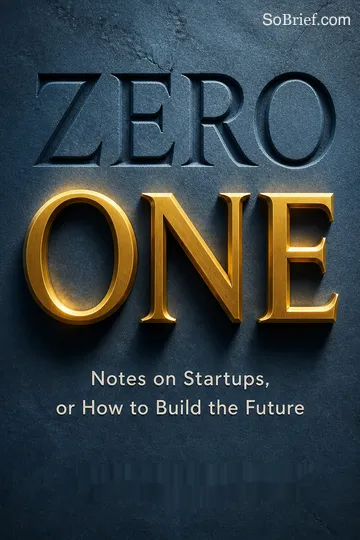
What's "Zero to One" about?
- Focus on innovation: "Zero to One" by Peter Thiel is about building innovative startups that create new things, rather than copying existing models. It emphasizes moving from 0 to 1, which means creating something unique and unprecedented.
- Entrepreneurial insights: The book provides insights into entrepreneurship, drawing from Thiel's experiences as a co-founder of PayPal and an investor in companies like Facebook and SpaceX.
- Contrarian thinking: Thiel encourages readers to think differently and challenge conventional wisdom, suggesting that the most successful businesses find value in unexpected places.
- Future of technology: It discusses the future of technology and the importance of creating new technologies to ensure progress and prosperity.
Why should I read "Zero to One"?
- Unique perspective: Peter Thiel offers a unique perspective on startups and innovation, informed by his successful career in Silicon Valley.
- Practical advice: The book provides practical advice for entrepreneurs, including how to build a strong team, create a monopoly, and think about the future.
- Contrarian approach: Thiel's contrarian approach challenges readers to think differently about business and technology, which can lead to breakthrough ideas.
- Inspiration for innovation: It serves as an inspiration for those looking to create something new and impactful, rather than following established paths.
What are the key takeaways of "Zero to One"?
- Monopoly over competition: Thiel argues that creating a monopoly is more beneficial than competing in a crowded market, as monopolies can drive progress and innovation.
- Importance of secrets: Finding and leveraging secrets—unknown truths about the world—can lead to successful business ventures.
- Role of technology: Technology should complement human abilities, not replace them, and the best businesses will empower people through technology.
- Foundational decisions: The early decisions in a startup, such as choosing the right co-founders and setting a clear mission, are crucial for long-term success.
What is the "Zero to One" concept?
- Creating new things: The "Zero to One" concept refers to creating something entirely new and unique, rather than making incremental improvements on existing ideas.
- Singular moments: Thiel emphasizes that every moment of creation is singular, and the act of creating something new is a leap from 0 to 1.
- Innovation focus: The concept encourages focusing on innovation and originality, rather than copying or competing with existing models.
- Future-oriented: It highlights the importance of building the future by creating new technologies and businesses that have never existed before.
How does Peter Thiel define a monopoly in "Zero to One"?
- Market dominance: A monopoly, according to Thiel, is a company that dominates its market so thoroughly that no other firm can offer a close substitute.
- Creative monopolies: These are companies that create new categories of abundance, offering customers more choices and driving progress.
- Long-term profits: Monopolies can plan for the long term and invest in ambitious projects, as they are not focused on short-term competition.
- Misunderstood concept: Thiel argues that monopolies are often misunderstood and are actually beneficial for society when they drive innovation.
What is the role of secrets in "Zero to One"?
- Undiscovered truths: Secrets are important truths that are not widely known or understood, and discovering them can lead to successful businesses.
- Two types of secrets: Thiel identifies secrets of nature (undiscovered aspects of the physical world) and secrets about people (things people don't know about themselves or hide).
- Competitive advantage: Finding and leveraging secrets can provide a competitive advantage, as they offer unique insights that others have overlooked.
- Encouragement to explore: Thiel encourages readers to actively seek out secrets, as they are the foundation of innovation and progress.
How does "Zero to One" address the future of technology?
- Complementarity with humans: Thiel argues that technology should complement human abilities, not replace them, and the best businesses will empower people through technology.
- Avoiding substitution: He warns against the belief that computers will replace human workers, emphasizing that technology and humans are fundamentally different and should work together.
- Empowering innovation: The book suggests that the future of technology lies in empowering people to solve complex problems, rather than automating tasks.
- Long-term planning: Thiel stresses the importance of long-term planning in technology development to create a better future.
What is Peter Thiel's view on competition in "Zero to One"?
- Competition vs. monopoly: Thiel argues that competition is overrated and that creating a monopoly is more beneficial for driving progress and innovation.
- Destructive force: He views competition as a destructive force that leads to imitation and stifles creativity, whereas monopolies can focus on long-term goals.
- Contrarian approach: Thiel encourages entrepreneurs to think contrarily and avoid competing in crowded markets, instead finding unique opportunities.
- Capitalism and competition: He highlights the paradox that capitalism and competition are opposites, as true capitalism involves accumulating capital, which is difficult in a competitive market.
How does "Zero to One" suggest building a strong startup foundation?
- Choosing co-founders: Thiel emphasizes the importance of choosing the right co-founders, comparing it to a marriage and warning against hasty decisions.
- Ownership and control: He discusses the need for clear ownership, possession, and control structures to prevent misalignment and conflicts.
- Equity and compensation: The book advises on using equity to align interests and motivate employees, while cautioning against high cash compensation.
- Long-term vision: Thiel stresses the importance of setting a clear mission and vision from the start, as foundational decisions are hard to change later.
What are the best quotes from "Zero to One" and what do they mean?
- "Every moment in business happens only once." This quote emphasizes the uniqueness of each business opportunity and the importance of innovation over imitation.
- "The most contrarian thing of all is not to oppose the crowd but to think for yourself." Thiel encourages independent thinking and finding unique insights that others have missed.
- "Monopoly is the condition of every successful business." This highlights Thiel's belief that monopolies, not competition, drive progress and create lasting value.
- "If you can’t invent a new future, you don’t have a company." This underscores the importance of innovation and creating something new to ensure a company's success.
How does "Zero to One" address the concept of the founder's paradox?
- Extreme traits: Thiel discusses how founders often possess extreme and contradictory traits, which can be both powerful and dangerous.
- Insider/outsider dynamic: Founders are often simultaneously insiders and outsiders, which can lead to both fame and infamy.
- Importance of founders: The book emphasizes the irreplaceable value of a founder's vision and leadership in driving a company's success.
- Cautionary advice: Thiel warns founders not to become too enamored with their own myths, as this can lead to losing touch with reality.
What is the significance of the "Stagnation or Singularity?" conclusion in "Zero to One"?
- Four future scenarios: Thiel outlines four possible future scenarios: recurrent collapse, global plateau, extinction, and accelerating takeoff.
- Importance of innovation: He argues that creating new technology is essential to avoid stagnation and ensure a better future.
- Role of entrepreneurs: The book emphasizes the role of entrepreneurs in shaping the future by creating new technologies and businesses.
- Call to action: Thiel encourages readers to think for themselves and seize opportunities to create a singular future that is different and better.
เกี่ยวกับผู้เขียน

ดาวน์โหลด PDF
ดาวน์โหลด EPUB
.epub digital book format is ideal for reading ebooks on phones, tablets, and e-readers.








































