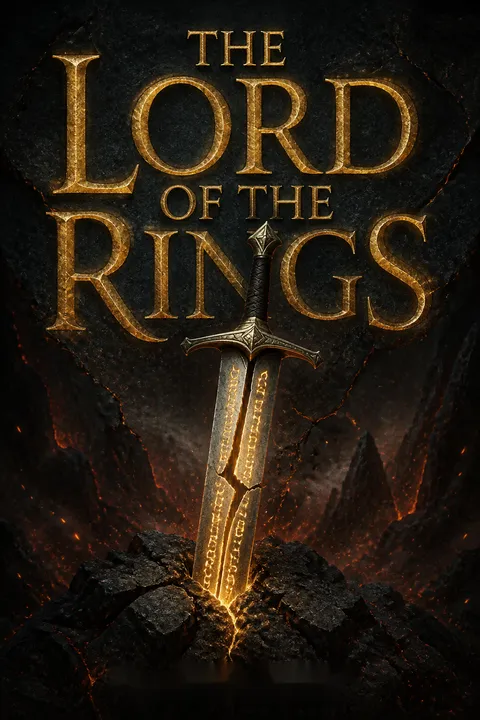
Olay Örgüsü Özeti
Shire’ın Üzerindeki Gölgeler
Hikaye, hobbitlerin basit ve huzurlu hayatlar sürdüğü Shire’da başlar. Eksantrik ve zengin Bilbo Baggins, büyük bir doğum günü partisi planlamaktadır; ancak elinde tuttuğu gizemli yüzük, gençliğini korumasını sağlamış ve büyücü Gandalf’ın dikkatini çekmiştir. Gandalf, bu yüzüğün Karanlık Lord Sauron tarafından Orta Dünya’yı egemenliği altına almak için yapılmış Tek Yüzük olduğunu keşfeder. Sauron’un gücü Mordor’da yeniden yükselmekte, hizmetkârları Nazgûl ise yüzüğü aramaktadır. Bilbo Shire’dan ayrılır ve yüzüğü varisi Frodo’ya bırakır. Frodo, sadık dostları Sam, Merry ve Pippin ile birlikte, Nazgûl’lerin yaklaşması üzerine kaçmak zorunda kalır. Yolculukları belirsizlikle başlar; çünkü kötülüğün gölgesi Shire’ın sınırlarına kadar uzanmıştır.
Kardeşlik Kuruluyor
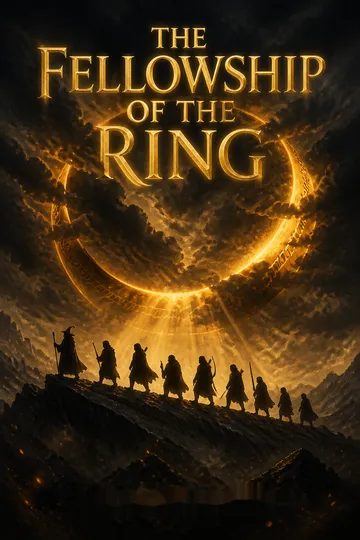
Frodo ve arkadaşlarına gizemli bir izci olan Aragorn katılır ve birçok tehlikenin ardından Rivendell’e ulaşırlar. Burada Elfler, İnsanlar, Cüceler ve Gandalf’ın katıldığı bir konsey, yüzüğün tarihini ve Sauron’un oluşturduğu tehdidi ortaya koyar. Tek umut, yüzüğün Mount Doom’un ateşlerinde yok edilmesidir. Böylece bir Kardeşlik kurulur: Frodo, Sam, Merry, Pippin, Aragorn, Gandalf, Elf Legolas, Cüce Gimli ve Gondor’dan Boromir. Tehlikelerle dolu bir göreve çıkarlar; Sauron’un orduları ve hain büyücü Saruman tarafından takip edilmektedirler.
Tehlikeli Yollar Seçiliyor
Kardeşlik, Caradhras’ın sert kışına dayanamaz ve Moria Madenleri’ne girer; burada orkların ve eski bir iblis olan Balrog’un saldırısına uğrarlar. Gandalf, diğerlerinin kaçabilmesi için Balrog ile birlikte uçuruma düşer ve kendini feda eder. Geri kalanlar, büyülü Lothlórien diyarında sığınak bulur; Lady Galadriel onlara öğütler ve hediyeler sunar. Şirket Anduin Nehri boyunca yol alırken yüzüğün etkisi artar ve Boromir, yüzüğü Frodo’dan almaya çalışır. Kardeşlik dağılır: Frodo ve Sam yalnız Mordor’a doğru yola çıkar, Merry ve Pippin orklar tarafından esir alınır, Aragorn, Legolas ve Gimli ise onları takip eder.
Yüzüğün Bozuculuğu
Frodo ve Sam vahşi topraklarda ilerlerken, yüzüğün eski taşıyıcısı Gollum onlara rehberlik eder. Gollum’un zihni yüzüğün gücüyle çarpıtılmış, sadakat ve ihanet arasında bölünmüştür. Bu arada Saruman’ın orduları Rohan’ı harap eder; Kral Théoden, beyaz Gandalf’ın dönüşüyle Saruman’ın etkisinden kurtulur. Rohirrim, Aragorn ve yoldaşlarıyla birlikte Helm’s Deep’i Saruman’ın güçlerine karşı savunur. Merry ve Pippin, Entler ile birlikte Isengard’a saldırır ve Saruman’ın gücünü yıkarlar. Yüzüğün bozuculuğu her yerde hissedilir; en bilge ve güçlü olanlar bile onun vaat ettiği güç karşısında sınanır.
Kardeşliğin Dağılması
Kardeşlik üyeleri dağılır. Frodo ve Sam, Gollum’un rehberliğinde Ölü Bataklıklar’ı geçip Mordor’a yaklaşır. Aragorn, Legolas ve Gimli orkları kovalar, Rohan ile birleşir ve büyük savaşlara katılır. Merry ve Pippin, Entleri Isengard’a saldırmaya teşvik eder. Gandalf, Saruman ile yüzleşir ve onu güçsüz bırakır. Yüzüğün yükü Frodo için ağırlaşırken, Gollum onları devasa örümcek Shelob’un inine götürür. Frodo esir düşer; Sam, onu ölü sanarak yüzüğü alır ve görevi sürdürür.
Batı’da Savaş
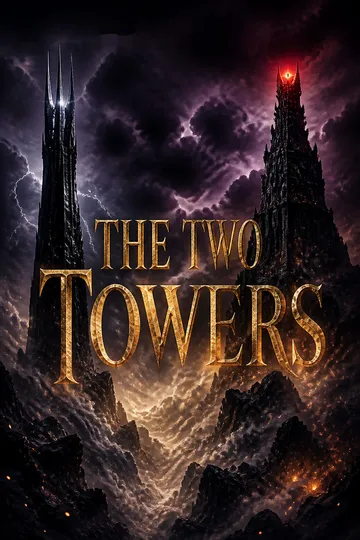
Sauron’un orduları Gondor’un başkenti Minas Tirith’i kuşatır. Gandalf ve Pippin şehre yardım için gelirken, Aragorn eski bir yeminini yerine getirmek için Ölüler’in yardımını arar. Rohan, Gondor’a destek için sefer eder ve Pelennor Çayırları Savaşı başlar. Kral Théoden düşer, Éowyn ve Merry Cadı Kral’ı öldürür, Aragorn takviyelerle gelir. Şehir kurtarılır, ancak büyük kayıplar verilir. Batı’nın liderleri Kara Kapı’ya yürümeye karar verir; böylece Sauron’un dikkati Frodo ve Sam’den uzaklaşır ve onlar Mordor’da mücadeleye devam eder.
Kralın Dönüşü
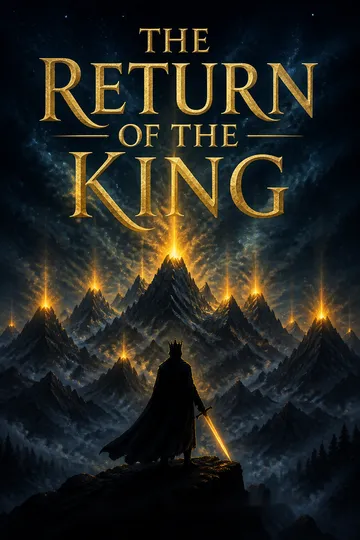
Aragorn, Isildur’un varisi olarak ortaya çıkar ve Gondor’un Kralı Elessar olarak taç giyer. Yaralıları iyileştirir ve İnsan krallıklarını birleştirir. Faramir ve Éowyn aşkı ve şifayı bulur. Batı’nın orduları Kara Kapı’ya yürür, Sauron’a meydan okur ve Frodo ile Sam’e Mount Doom’a ulaşmaları için tek şansı verir. İnsanların çağı başlar; Elfler ve diğer kadim halklar Orta Dünya’dan ayrılmaya hazırlanır.
Mordor’a Giden Yol
Frodo ve Sam, ork kılığına girerek Mordor’un ıssız topraklarında ilerler. Bölge kurak, Sauron’un orduları ve gözetleyici gözlerle doludur. Yüzüğün ağırlığı Frodo’yu neredeyse yıkar; Sam’in sadakati onları ayakta tutar. Gollum, takıntıyla onları takip eder. Yolculuk, dayanıklılık, umut ve irade sınavıdır; hobbitler Mount Doom’a, yüzüğün yok edilebileceği tek yere adım adım yaklaşır.
Gölge Ülkesi
Mount Doom’a son yaklaşım, yorgunluk, susuzluk ve korku dolu bir kabustur. Frodo, yüzüğün gücü karşısında neredeyse yenilir; Sam onu taşımak zorunda kalır. Gollum saldırır, mücadelede Frodo’nun parmağını ısırır ve yüzüğü kapar. Zafer anında Gollum ateşe düşer ve yüzük yok olur. Sauron’un gücü çöker, Barad-dûr yıkılır ve dünya üzerindeki Gölge kalkar. Frodo ve Sam, Kartallar tarafından kurtarılırken Mordor harabeye döner.
Her Şeyin Sonu
Zafer kutlanır, Aragorn taç giyer. Hobbitler yaptıkları kahramanlıklarla onurlandırılır. Elfler, Cüceler ve İnsanlar savaşın yaralarını sarmaya başlar. Frodo ve Sam Shire’a döner, ancak Frodo yaşadıklarından dolayı sonsuza dek değişmiştir. Shire, Saruman’ın kötülüğüyle zarar görmüş ve hobbitler onu eski haline getirmek için savaşmak zorundadır. Barış geri gelir, ama Frodo’nun yaraları iyileşmez.
Shire’ın Temizlenişi
Hobbitler, Shire’ın Saruman (Sharkey) ve Lotho Sackville-Baggins liderliğindeki haydutların kontrolünde olduğunu görür. Toprak yara almış, ağaçlar kesilmiş ve hobbitler ezilmektedir. Frodo, Sam, Merry ve Pippin Shire’ı toparlar, haydutları devre dışı bırakır ve Saruman’la yüzleşir; Saruman, Wormtongue tarafından öldürülür. Shire eski haline döner, ancak Frodo huzur bulamaz. Sam Rosie ile evlenir ve aile kurar; Frodo’nun acısı ise sürer.
Çağın Sonu
İyileşmeyen yaralarıyla Frodo, Gandalf, Bilbo ve Elflerle birlikte Ölümsüz Topraklar’a geçiş hakkı kazanır. Sam, Merry ve Pippin yolculuklarından değişmiş olarak Shire’a döner. Elflerin ve büyünün çağı sona erer, İnsanların çağı başlar. Hikaye, Sam’in eve dönüşüyle sona erer; dünya kurtarılmıştır, ancak büyük kişisel bedeller ödenmiştir.
Karakterler
Frodo Baggins
Frodo, Bilbo’dan Tek Yüzük’ü miras alan nazik ve düşünceli bir hobbit. Kader ve dostluk tarafından seçilmiş, yüzüğü Mount Doom’da yok etmekle görevlendirilmiştir. Yolculuk, dayanıklılığını, iradesini ve ahlakını sınar; yüzüğün gücü onu neredeyse tüketir. Frodo, merhametle işaretlenmiş, Gollum’a ve hatta Saruman’a bile şefkat gösterir. Psikolojik yolculuğu, artan yük ve yabancılaşma ile şekillenir; Shire’ın masumiyetine tam olarak dönemeyecek kadar değişmiştir. Hikayesi fedakarlık, dayanıklılık ve kahramanlığın sınırlarıdır.
Samwise Gamgee
Sam, Frodo’nun bahçıvanı ve en yakın arkadaşıdır; sadakat, alçakgönüllülük ve direnç simgesidir. Görevin duygusal dayanağıdır; çoğu zaman Frodo’yu hem fiziksel hem ruhsal olarak taşır. Sam’in Frodo ve Shire’a olan sevgisi, yüzüğün cazibesine karşı koymasını sağlar. Pratik, cesur ve beceriklidir; sıradan iyiliğin gücünü temsil eder. Yolculuğu, mütevazı bir hizmetkârdan kahramana dönüşüm ve sonunda aile ve evde şifa ve mutluluk bulmaktır.
Gandalf
Gandalf, Orta Dünya’ya yardım için gönderilmiş bir Maia ruhudur; yaşlı bir adam kılığına girmiştir. Bilge, merhametli ve kurnazdır; Sauron’a karşı direnişi organize eder. Moria’daki düşüşü ve Beyaz Gandalf olarak dönüşü, ölüm ve yeniden doğuşu simgeler; rolü rehberlikten liderliğe evrilir. Değişimin katalizörüdür, cesaret ve birlik ilhamı verir. Psikolojik derinliği, alçakgönüllülüğü ve gücün tehlikelerini anlamasında yatar; yüzüğü reddeder, çünkü onun yozlaştırıcı etkisini bilir.
Aragorn (Strider, Elessar)
Aragorn, Isildur’un son varisidir ve gizlilik içinde büyümüştür. Usta bir izci, savaşçı ve şifacıdır; kaderi ile kendine güvensizliği arasında kalmıştır. Yolculuğu, mirasını kabul etmek ve Özgür Halkları birleştirmektir. Asil, fedakar ve sadakat uyandırandır. Arwen’e olan aşkı ve alçakgönüllülüğü onu diğer krallardan ayırır. Psikolojik gelişimi, sorumluluğu ve umudu kucaklamasıyla taçlanır; taç giyme töreniyle krallığı yeniden kurar.
Gollum (Sméagol)
Gollum, yüzük tarafından yozlaştırılmış hobbit benzeri bir yaratıktır; orijinal benliği Sméagol ile karanlık tarafı Gollum arasında bölünmüştür. Kurnaz, acınası ve yüzüğe takıntılıdır (“benim değerlim”). Frodo ile ilişkisi karmaşıktır; hem rehber hem hain olarak ortaya çıkar, Frodo’nun empatisini ve Sam’in şüpheciliğini tetikler. Psikolojik işkencesi ve yüzüğe bağımlılığı hikayeyi sürükler; son eylemi—yüzüğü kapıp ateşe düşmesi—Orta Dünya’yı istemeden kurtarır.
Sam, Merry ve Pippin
Merry ve Pippin, Frodo’nun kuzenleri, başlangıçta neşeli ve yaramaz hobbitlerdir; ancak lider ve savaşçı olarak olgunlaşırlar. Merry Cadı Kral’ı öldürür; Pippin Faramir’i kurtarır ve Gondor’a hizmet eder. Psikolojik gelişimleri masumiyetin kaybı, cesaret ve derinleşen sorumluluk duygusuyla şekillenir. Sam ile birlikte hobbitlerin direncini ve uyum yeteneğini temsil ederler.
Legolas
Legolas, Mirkwood Elfidir; okçulukta ustadır ve doğayla uyumludur. Zarif, algılayıcıdır ve Gimli ile yakın dostluk kurar; Elfler ile Cüceler arasındaki eski düşmanlığı aşar. Bakış açısı, halkının çağının soluşunu ve hüzünlü bir hayranlığı yansıtır.
Gimli
Gimli, Erebor’dan bir Cücedir; cesur ve inatçıdır. Legolas ile dostluğu uzlaşmanın önemli bir simgesidir. Mirasına olan gururu ve Parıldayan Mağaralar’a olan sevgisi, Cücelerin sadece savaşçı olmadığını gösterir. Kararlı, esprili ve onur ile sadakati önemser.
Saruman
Saruman, bir zamanlar büyücülerin başıydı; ancak güç ve bilgi hırsı onu Özgür Halklara ihanet etmeye sürükledi. Sauron’un kuklası olur, savaş ve endüstriyel yıkım başlatır. Psikolojik gelişimi, gurur, güç cazibesi ve ihanetin kendini yok edişi üzerine uyarıdır. Sonu haysiyetsizdir; kendi hizmetkârı Wormtongue tarafından öldürülür.
Sauron
Sauron, Morgoth tarafından yozlaştırılmış bir Maia’dır; Tek Yüzük aracılığıyla Orta Dünya’yı köleleştirmeye çalışır. Hiç doğrudan görülmez, ancak varlığı yaygın ve kötü niyetli bir irade olarak hissedilir. Sauron, egemenlik, korku ve umutsuzluğun psikolojik gücünü temsil eder. Yenilgisi doğrudan çatışmayla değil, en küçük ve en beklenmedik olanların alçakgönüllülüğü ve direnciyle gerçekleşir.
Kurgu Araçları
Tek Yüzük
Yüzük, mutlak gücü ve yozlaştırıcı etkisini simgeleyen ana kurgu aracıdır. Karşılaşan herkesi sınar, arzularını ve zayıflıklarını ortaya çıkarır. Yüzüğün gücü Frodo’yu izole eder ve yükler; anlatıyı sürükler ve karakterlerin ahlakını test eder. Tek yok ediliş yolu, irade gücünden çok bir lütuf eylemiyle—Gollum’un müdahalesiyle—gerçekleşir.
Kardeşlik
Kardeşliğin kurulması ve dağılması anlatıyı yapılandırır; çoklu hikayeler ve bakış açıları sağlar. Grubun çeşitliliği—hobbitler, İnsanlar, Elf, Cüce, büyücü—farklılıklar arasında iş birliği gerekliliğini simgeler. Kardeşliğin dağılması paralel görevler doğurur; her biri nihai zafere katkıda bulunur.
Yolculuk
Yolculuk motifi hem gerçek hem semboliktir. Karakterler geniş, tehlikeli toprakları aşarken içsel mücadelelerini yansıtır. Yolculuk onları sınar ve dönüştürür; masumiyeti alır ve yeni kimlikler yaratır. “Yol” motifi kader, seçim ve bilinmezlik temasını vurgular.
Cazibe ve Merhamet
Karakterler yüzük ve intikam ya da güç fırsatlarıyla defalarca sınanır. Frodo’nun Gollum’a merhameti, Bilbo’nun önceki şefkati ve Sam’in kendini tutması kritik önemdedir; bu merhamet eylemleri yüzüğün yok oluşuna yol açar. Anlatı yapısı, merhametin gücünün zaferin anahtarı olduğunu pekiştirmek için önsezi ve yankılar kullanır.
Savaş ve Çağların Geçişi
Yüzük Savaşı, Helm’s Deep, Pelennor Çayırları ve Kara Kapı’daki çatışmalarla artan bir gerilim sunar. Anlatı, Elfler ve diğer kadim halkların egemenliğinin sonunu ve İnsanların çağının başlangıcını işaretler. Kişisel ve destansı ölçekler iç içe geçer; küçük eylemlerin dünya kaderini nasıl etkilediğini gösterir.
Paralel Hikayeler
Kardeşliğin dağılmasından sonra hikaye birden çok dala ayrılır—Frodo ve Sam’in görevi, Batı’daki savaş, Merry ve Pippin’in maceraları. Anlatı bu hikayeler arasında gidip gelir, gerilim yaratır ve aynı olaylara farklı bakış açıları sunar. Bu araç, dünyayı ve halklarını zengin, katmanlı bir şekilde keşfetmeye olanak tanır.
Shire’ın Temizlenişi
Hobbitlerin yozlaşmış Shire’a dönüşü destanı eve getirir; kötülüğün her yerde kök salabileceğini gösterir. Temizleniş hem gerçek hem sembolik bir arınmadır; günlük hayatta uyanıklık ve cesaret gerekliliğine dair bir yorumdur. Ayrıca yolculuğun psikolojik bedelini vurgular; Frodo tam anlamıyla iyileşemez.
Yüzük Taşıyıcılarının Vedası
Frodo, Bilbo ve Elflerin Ölümsüz Topraklar’a gidişi buruk bir son sağlar. Bazı yaraların bu dünyada iyileşemeyeceğini ve bir çağın sonunun diğerinin başlangıcı olduğunu kabul eder. Anlatı yapısı, hem kapanış hem de devam eden tarihin hissini sunmak için bu aracı kullanır.
Analiz
Yüzüklerin Efendisi, epik macera, derin psikolojik içgörü ve güçlü bir ahlaki vizyonu harmanladığı için modern fantastik edebiyatın temel eserlerinden biri olarak kalır. Tolkien’in dünyası titizlikle inşa edilmiştir; ancak gerçek gücü insan (ve hobbit) durumunu keşfetmesindedir. Yüzük, egemenlik arzusu ve cazibesinin simgesidir; hikaye ise gerçek kahramanlığın güç ya da bilgelikte değil, alçakgönüllülükte, merhamette ve direnişte yattığını vurgular. Anlatı yapısı, iç içe geçmiş hikayeler ve değişen perspektiflerle tarihin karmaşıklığını ve tüm halkların birbirine bağlılığını yansıtır. Yolculuk motifi dönüşümü sağlar, ancak kaybı ve değişmeden dönmenin imkânsızlığını da kabul eder. Shire’ın Temizlenişi, destanı gündelik hayata indirger; kötülüğün evde de direnilmesi gereken bir tehdit olduğunu hatırlatır.
Diğer Okunanlar
SSS
```markdown
Synopsis & Basic Details
What is The Lord of the Rings about?
- A Quest Against Absolute Evil: The Lord of the Rings chronicles the perilous journey of Frodo Baggins, a hobbit, who inherits a seemingly innocuous magic ring from his eccentric uncle, Bilbo. This ring is, in fact, the One Ring, an artifact of immense power forged by the Dark Lord Sauron to dominate all of Middle-earth.
- The Fellowship's Formation: To prevent Sauron from reclaiming the Ring and plunging the world into eternal darkness, a diverse fellowship is formed at the Council of Elrond. This group, comprising hobbits, Men, an Elf, a Dwarf, and a Wizard, embarks on a desperate quest to destroy the Ring in the only place it can be unmade: the fires of Mount Doom in Mordor.
- Sacrifice and the Dawn of a New Age: The narrative follows the Fellowship's trials, their eventual breaking, and the individual journeys of its members as they fight against Sauron's growing power. It culminates in the Ring's destruction, Sauron's defeat, and the restoration of Aragorn, the rightful king, ushering in a new age for Middle-earth, albeit one marked by the fading of Elves and the lingering wounds of war.
Why should I read The Lord of the Rings?
- Immersive World-Building: Tolkien's masterpiece offers an unparalleled depth of world-building, from its intricate languages and detailed histories to its rich mythologies and diverse cultures. Readers are transported to a Middle-earth that feels ancient and real, fostering a profound sense of immersion.
- Profound Thematic Exploration: Beyond the adventure, the book delves into universal themes such as the corrupting nature of power, the importance of friendship and loyalty, the resilience of the ordinary, and the bittersweet beauty of sacrifice. It's a story that resonates deeply with the human condition.
- Enduring Literary Influence: As a foundational work of modern fantasy, The Lord of the Rings has influenced countless authors, artists, and filmmakers. Reading it provides insight into the origins of many tropes and narrative structures prevalent in the genre today, offering a richer appreciation for its legacy.
What is the background of The Lord of the Rings?
- Deep Mythological Roots: The story is set in the Third Age of Middle-earth, a world with a vast, ancient history detailed in Tolkien's other works like The Silmarillion. This background includes the creation myths, the rise and fall of ancient kingdoms, and the long struggle against primordial evil, providing a rich tapestry against which the events of the Ring War unfold.
- Linguistic Inspiration: Tolkien, a philologist, initially created the Elvish languages (Quenya and Sindarin) for his own enjoyment, and then built the world of Middle-earth around them to give them a place and history. This linguistic foundation lends an extraordinary authenticity and depth to the names, songs, and lore within the narrative.
- Post-WWI Reflections: While Tolkien explicitly denied allegory, his experiences in World War I and observations of industrialization deeply influenced the story's themes. The devastation of the Shire, the industrial blight of Isengard, and the pervasive sense of loss and fading beauty reflect a profound concern for the impact of war and unchecked technological progress on nature and traditional ways of life.
What are the most memorable quotes in The Lord of the Rings?
- "All that is gold does not glitter, / Not all those who wander are lost; / The old that is strong does not wither, / Deep roots are not reached by the frost.": This iconic verse, from Gandalf's letter to Frodo, serves as a crucial piece of foreshadowing and character introduction for Aragorn. It encapsulates the theme of hidden nobility and the deceptive nature of appearances, urging readers and characters alike to look beyond the surface.
- "I wish it need not have happened in my time," said Frodo. "So do I," said Gandalf, "and so do all who live to see such times. But that is not for them to decide. All we have to decide is what to do with the time that is given us.": This exchange between Frodo and Gandalf in "The Shadow of the Past" is a powerful meditation on destiny, responsibility, and agency. It highlights the universal human desire to avoid hardship, yet underscores the moral imperative to act courageously within one's given circumstances, a central theme of the entire saga.
- "There's some good in this world, Mr. Frodo, and it's worth fighting for.": Uttered by Samwise Gamgee, this simple yet profound statement encapsulates the core message of hope and perseverance in the face of overwhelming evil. It reflects Sam's unwavering loyalty and his deep love for the simple beauties of life, which he believes are worth defending, even when all seems lost.
What writing style, narrative choices, and literary techniques does J.R.R. Tolkien use?
- Archaic and Formal Language: Tolkien employs a rich, often archaic vocabulary and formal sentence structures, especially in descriptions and the speech of noble characters or ancient beings. This choice imbues the narrative with a mythic, timeless quality, evoking the sense of reading an ancient legend or historical account, as seen in the elevated prose of Elrond's speeches.
- Omniscient and Shifting Perspective: The narrative primarily uses an omniscient third-person perspective, but frequently shifts its focus, particularly after the Fellowship breaks. This allows for a comprehensive view of the unfolding war, contrasting the intimate, often internal struggles of Frodo and Sam with the grander, external conflicts involving Aragorn, Gandalf, and the armies of Men, Elves, and Dwarves.
- Extensive Use of Poetry and Song: Throughout the text, Tolkien intersperses numerous poems, songs, and riddles, which serve multiple functions: they enrich the world-building by providing historical context, cultural insights, and character depth; they break up the prose, offering moments of reflection or emotional release; and they often foreshadow future events or reveal hidden truths, such as Bilbo's "Road goes ever on" poem or the Lay of Lúthien.
Hidden Details & Subtle Connections
What are some minor details that add significant meaning?
- The Significance of Pipe-weed: Beyond a simple hobbit pleasure, pipe-weed is revealed in the Prologue and later by Merry to be a plant native to Gondor, brought north by the Men of Westernesse. This seemingly trivial detail subtly links the Shire to the ancient history of Men and the wider world, foreshadowing the hobbits' eventual involvement in larger events and highlighting the unexpected origins of common things.
- The Elven-cloaks' Camouflage: The grey cloaks given by Galadriel are not merely warm garments; they possess a subtle magic that allows the wearer to blend seamlessly with their surroundings. This detail, initially presented as a practical gift, symbolizes the Elves' deep connection to nature and their mastery of subtle, non-aggressive forms of power, contrasting with Sauron's overt might.
- The Names of the Days and Months: Appendix D reveals that the Shire's calendar and weekday names are translations of older Dúnedain and Elvish terms, often with forgotten meanings. This deep linguistic layering underscores the ancient lineage of Middle-earth's cultures and the hobbits' unconscious connection to a grander past, even in their seemingly isolated existence.
What are some subtle foreshadowing and callbacks?
- Bilbo's "Thin and Stretched" Feeling: In "A Long-Expected Party," Bilbo describes feeling "all thin, sort of stretched, if you know what I mean: like butter that has been scraped over too much bread." This seemingly whimsical complaint subtly foreshadows the Ring's insidious effect, which drains its bearer's vitality and makes them feel insubstantial, a fate Frodo later experiences more acutely.
- Sam's Oliphaunt Rhyme: Sam's recitation of the "Oliphaunt" rhyme in Ithilien, initially a moment of comic relief, subtly foreshadows the later appearance of the Mûmakil in the Battle of the Pelennor Fields. It transforms a childhood fancy into a terrifying reality, emphasizing the vastness and unexpected dangers of the world beyond the Shire.
- The Barrow-blades' True Purpose: The daggers given to the hobbits by Tom Bombadil, taken from the Barrow-downs, are revealed by Gandalf to be "blades wrought by our own kindred in the North in the deep past." Merry's blade, in particular, proves to be a "troll's bane" and later, crucially, the only weapon capable of wounding the Witch-king, fulfilling an ancient prophecy and highlighting the enduring power of forgotten artifacts.
What are some unexpected character connections?
- Aragorn's Hidden Lineage and the Elfstone: Aragorn's true identity as the heir of Isildur is a central reveal, but the depth of his connection to the Elves is often overlooked. He is not only fostered by Elrond but is also betrothed to Arwen, Elrond's daughter, making him a descendant of Lúthien and Beren. The green Elfstone, Elessar, given to him by Galadriel, is a token of this heritage and a symbol of his future kingship, linking him directly to the ancient Elven-kings.
- Gimli and Galadriel's Unlikely Bond: The initial animosity between Gimli and Legolas, reflecting the ancient feud between Elves and Dwarves, is famously overcome. However, Gimli's profound reverence and love for Lady Galadriel, culminating in his request for a strand of her hair, is a truly unexpected connection. This bond transcends racial prejudice and symbolizes the healing of old wounds, foreshadowing Gimli's unique fate of sailing to the Undying Lands.
- Tom Bombadil's Ancient Knowledge: Tom Bombadil's seemingly whimsical nature belies his immense age and unique connection to Middle-earth. His casual familiarity with the "River-woman's daughter" (Goldberry) and his deep knowledge of the Old Forest and Barrow-wights hint at a primordial existence far predating the Elves and Men. His immunity to the Ring's power further emphasizes his singular, almost elemental, connection to the land itself, making him an enigmatic figure outside the conventional power structures.
Who are the most significant supporting characters?
- Tom Bombadil: Though he appears briefly, Tom Bombadil is profoundly significant as a character who exists outside the power struggles of Middle-earth. His immunity to the Ring's influence and his ancient, joyful connection to nature offer a glimpse of a different kind of power—one of pure being and harmony, untouched by the world's conflicts. He represents a primal, untamed spirit of the land.
- Lady Galadriel: As one of the most powerful and ancient Elves remaining in Middle-earth, Galadriel serves as a crucial source of wisdom, comfort, and subtle aid to the Fellowship. Her temptation by the Ring and her subsequent rejection of it highlight the immense moral strength required to resist absolute power, while her gifts, particularly the Phial, prove vital to Frodo's quest.
- Faramir: Boromir's younger brother, Faramir, stands out as a man of Gondor who resists the Ring's temptation, demonstrating a rare wisdom and compassion. His encounter with Frodo and Sam, and his understanding of the Ring's true nature, provide a stark contrast to his brother's fall and underscore the theme that true strength lies not in wielding power, but in refusing it.
Psychological, Emotional, & Relational Analysis
What are some unspoken motivations of the characters?
- Bilbo's Lingering Attachment to the Ring: While Bilbo outwardly claims to be "thin, sort of stretched" and desires a permanent holiday, his deep-seated reluctance to part with the Ring, calling it "My Precious" in a manner disturbingly similar to Gollum, reveals an unspoken, almost subconscious addiction. His "joke" at the party is a thinly veiled attempt to escape the Ring's hold, but his struggle with Gandalf shows the profound psychological grip it still has on him.
- Aragorn's Self-Doubt and Burden of Kingship: Aragorn's reluctance to claim his throne is often attributed to humility, but it also stems from a deep-seated fear of failure and the weight of his lineage. His long years as Strider, a wandering Ranger, allowed him to avoid the direct responsibilities of kingship. His internal struggle is not just about proving his worth, but about overcoming the historical failures of his ancestors, particularly Isildur, and the fear that he might succumb to the same temptations.
- Denethor's Despair and Pride: Denethor's seemingly irrational actions, such as his favoritism towards Boromir and his eventual madness, are driven by a profound, unspoken despair. He sees the inevitable decline of Gondor and the Age of Men, and his pride prevents him from accepting help or hope from outside sources, especially Gandalf, whom he views as a rival. His use of the palantír, a desperate attempt to gain knowledge and control, ultimately feeds his despair, leading to his tragic end.
What psychological complexities do the characters exhibit?
- Frodo's Empathy and the Burden of Pity: Frodo's decision to spare Gollum, echoing Bilbo's earlier act of pity, is a pivotal moment that highlights his deep empathy. This compassion, however, becomes a psychological burden, as he grapples with the moral implications of his choices and the constant threat posed by Gollum's treachery. His internal conflict between mercy and self-preservation is a central psychological complexity, demonstrating that even good intentions can lead to unforeseen perils.
- Sam's Simple Loyalty vs. Growing Wisdom: Sam's character evolves from a simple, unquestioning servant to a figure of profound wisdom and resilience. His initial "hobbit-sense" and distrust of the unknown are gradually tempered by his unwavering loyalty to Frodo and his experiences in the wider world. His internal monologues, particularly in Mordor, reveal a growing understanding of the larger stakes and a deep, unarticulated love for his master, showcasing a complex blend of simplicity and profound moral strength.
- Saruman's Intellectual Arrogance and Isolation: Saruman's fall is a psychological study in the dangers of intellectual pride and the pursuit of knowledge for its own sake. His belief that he can control power, rather than be controlled by it, leads him to isolate himself from his peers and ultimately from reality. His "mind of metal and wheels" symbolizes a detachment from living things and a descent into a sterile, destructive form of wisdom, culminating in his pathetic end as a "beggar in the wilderness."
What are the major emotional turning points?
- Bilbo's Relinquishment of the Ring: The scene where Bilbo finally gives up the Ring, after a fierce internal struggle and Gandalf's stern intervention, is a major emotional turning point. It marks the first clear demonstration of the Ring's corrupting power and the immense difficulty of letting go of absolute control, setting the stage for Frodo's even greater struggle.
- The Breaking of the Fellowship at Parth Galen: Boromir's attempt to seize the Ring from Frodo, followed by his valiant but ultimately fatal defense of Merry and Pippin, shatters the Fellowship and forces Frodo to continue alone with Sam. This event is a profound emotional blow, marking the loss of innocence and the realization of the Ring's divisive power, forcing the remaining members to confront their individual destinies.
- Éowyn's Defiance of the Witch-king: Éowyn's revelation as Dernhelm and her slaying of the Witch-king on the Pelennor Fields is a powerful emotional climax. Her act of defiance, driven by love and despair, shatters the ancient prophecy that "no living man may hinder me." This moment is a triumph of courage and will, not just for Éowyn, but for all who felt trapped by fate and the overwhelming power of evil.
How do relationship dynamics evolve?
- Gimli and Legolas: From Ancient Feud to Deep Friendship: The initial tension between Gimli and Legolas, rooted in centuries of Elvish-Dwarvish animosity, gradually transforms into one of the most profound friendships in the story. Their shared perils, mutual respect for each other's skills, and particularly Gimli's reverence for Galadriel, forge an unbreakable bond that transcends racial divides, symbolizing hope for reconciliation in Middle-earth.
- Frodo and Sam: Master and Servant to Co-dependant Companions: Their relationship evolves from a traditional master-servant dynamic to one of deep, almost symbiotic, companionship. Sam's unwavering loyalty and practical support become indispensable to Frodo, especially as the Ring's burden grows. Frodo, in turn, relies on Sam not just for physical aid but for emotional and moral strength, highlighting how their shared ordeal forges an unbreakable bond of love and mutual dependence.
- Aragorn and Théoden: From Distrust to Mutual Respect: Théoden, initially under Saruman's sway and distrustful of outsiders, views Aragorn with suspicion. However, through Gandalf's intervention and Aragorn's actions in battle, Théoden comes to recognize Aragorn's true nobility and wisdom. Their relationship transforms into one of mutual respect and alliance, symbolizing the rekindling of ancient bonds between the realms of Men and the hope for a united front against evil.
Interpretation & Debate
Which parts of the story remain ambiguous or open-ended?
- The Nature and Origin of Tom Bombadil: Tom Bombadil remains one of the most enigmatic characters, defying easy categorization. His power over the Ring, his ancientness ("Eldest, that's what I am"), and his detachment from the larger conflict leave his true nature ambiguous. He is neither Elf, Man, nor Dwarf, and his role seems to be that of a primal spirit of the land, a force of nature rather than a participant in the cosmic struggle, prompting endless reader speculation about his identity and purpose.
- The Fate of the Entwives: Treebeard's lament for the lost Entwives, who "did not die" but were "lost" after crossing the Great River to tend their gardens, leaves their ultimate fate unresolved. This ambiguity adds a layer of melancholy to the Ents' story and raises questions about the lasting impact of war and industrialization on nature. Their potential return, "when we have both lost all that we now have," suggests a cyclical view of history and a hope for future reconciliation that remains unfulfilled within the narrative.
- The Long-Term Healing of Frodo's Wounds: While Frodo is physically healed in Rivendell and after the Ring's destruction, his spiritual and psychological wounds are explicitly stated to be "not wholly cured." His departure to the Undying Lands, a place of healing, leaves the exact nature and duration of his recovery open to interpretation. This ambiguity acknowledges the lasting trauma of profound sacrifice and suggests that some burdens cannot be fully shed within the mortal world, even after victory.
What are some debatable, controversial scenes or moments in The Lord of the Rings?
- Gandalf's Delay in Reaching Frodo: Gandalf's prolonged absence after instructing Frodo to leave the Shire, leading to Frodo's perilous encounters with the Nazgûl, is a point of contention. While Gandalf explains he was imprisoned by Saruman, some readers question whether his priorities or judgment were flawed, or if his delay was a deliberate, albeit risky, part of a larger, unseen plan to test Frodo and the Ring.
- Boromir's Temptation and Death: Boromir's attempt to seize the Ring from Frodo is a deeply debated moment. While it highlights the Ring's corrupting power, some argue that his character arc is too abrupt or that his death, though valiant, is a convenient way to remove a morally compromised character. Others see it as a tragic but realistic portrayal of human fallibility and the immense pressure of the quest.
- The Eagles' Role and Late Intervention: The Eagles' repeated interventions, particularly their rescue of Gandalf from Orthanc and Frodo and Sam from Mount Doom, often spark debate. Critics argue that their power is too deus ex machina, questioning why they don't intervene earlier or more directly in the war. Tolkien's explanation that they are not "taxi services" and act only at specific times, or when commanded, points to their role as agents of a higher power, not mere plot devices.
The Lord of the Rings Ending Explained: How It Ends & What It Means
Orta Dünya Seri
PDF İndir
EPUB İndir
.epub digital book format is ideal for reading ebooks on phones, tablets, and e-readers.








































