
اہم نکات
1۔ اطمامون: کامل خوشی اور آزادی کا راستہ
جس لمحے انسان اپنے ذہن سے آزادی حاصل کر لیتا ہے، وہ زندہ، سانس لیتا ہوا خدا بن جاتا ہے!
اطمامون کی تعریف۔ اطمامون، یا "روح کا ذہن"، ایک ایسی حالت ہے جہاں انسان ہر چیز کو بغیر سوچ کے درمیانی پردے کے براہِ راست محسوس کرتا ہے۔ اس کی خصوصیات یہ ہیں:
- گفتار اور عمل میں حکمت
- امن و خوشی کی مسلسل حالت
- جذباتی ردعمل سے آزادی
- زندگی کو ذہنی فلٹر کے بغیر براہِ راست تجربہ کرنا
اطمامون کا راستہ۔ اس حالت کو حاصل کرنے کے لیے:
- اپنی موجودہ قید کو پہچانیں جو پسند، ناپسند اور ذہنی تصورات کی صورت میں ہے
- سمجھیں کہ آپ اپنا ذہن نہیں ہیں
- ایک ایسی حالت پیدا کریں جہاں ذہن بالکل خاموش ہو، یعنی "نو مائنڈ"
- ہر لمحے زندگی کو مکمل طور پر بغیر کسی فیصلہ یا تشریح کے محسوس کریں
2۔ مصنوعی خود: آپ کی سب سے بڑی رکاوٹ
اطمامون کی راہ میں سب سے بڑی رکاوٹ آپ کا مصنوعی خود ہے۔
مصنوعی خود کو سمجھنا۔ یہ وہ شخصیت ہے جو ہم بناتے اور برقرار رکھتے ہیں، جس میں شامل ہیں:
- ہمارا جسمانی ظہور اور صفائی کے طریقے
- آراء، عقائد، اور فلسفے
- شخصیت کی خصوصیات اور رویے
- پسند، ناپسند، اور ترجیحات
آزادی حاصل کرنا۔ اس رکاوٹ کو عبور کرنے کے لیے:
- پہچانیں کہ یہ خود آپ کی اصل فطرت نہیں بلکہ ایک تخلیق ہے
- دیکھیں کہ اس خود کو قائم رکھنا مسلسل محنت اور تکلیف کا باعث بنتا ہے
- اپنے خیالات، آراء، اور خود کی تصویر سے وابستگی چھوڑنے کی مشق کریں
- کچھ نہ ہونے کی آزادی کو قبول کریں، جو بظاہر تضاد ہے مگر آپ کو سب کچھ بننے کی اجازت دیتی ہے
3۔ زندگی کی بےمعنی پن: بےمعنی پن کو گلے لگانا
زندگی محض ایک مذاق ہے۔ ایک بےمعنی پن۔ ایک غیر خطی، بے ترتیب، اور غیر متوقع راستہ جو وہم زدہ انسانوں کی تخیل کے لیے زرخیز ہے۔
زندگی کی حقیقت کو سمجھنا۔ زندگی کی اصل فطرت کو سمجھنے میں شامل ہے:
- قبول کرنا کہ زندگی کا کوئی ذاتی معنی یا مقصد نہیں ہے
- یہ جاننا کہ معنی تلاش کرنے یا بنانے کی ہماری کوششیں اکثر تکلیف کا باعث بنتی ہیں
- تسلیم کرنا کہ واقعات ہمارے گرد ہوتے ہیں، ہمارے خلاف نہیں
آزادی میں جینا۔ زندگی کی بےمعنی پن کو قبول کرنے سے آپ:
- قابو پانے یا سمجھنے کی ضرورت چھوڑ دیتے ہیں
- ہر لمحے کو بغیر کسی فیصلہ یا توقع کے مکمل طور پر محسوس کرتے ہیں
- زندگی کے ساتھ کھیلتے ہیں، اسے قابو پانے کی کوشش نہیں کرتے
- بغیر نتائج کی وابستگی کے تخلیق کرتے اور حاصل کرتے ہیں
4۔ سوچ کا بوجھ: ذہن سے آزادی
سب سے بڑی آزادی یہ ہے کہ ہم خود سے دور ہو سکیں۔
سوچ کی قید۔ ہمارا ذہن مسلسل خیالات پیدا کرتا ہے، جس کے نتیجے میں:
- لا متناہی بات چیت اور ذہنی شور
- جذباتی ردعمل اور مزاج کی تبدیلیاں
- براہِ راست تجربے سے علیحدگی کا احساس
- توقع، پچھتاوے، اور فکر کے ذریعے تکلیف
آزادی حاصل کرنا۔ ذہن کی حکمرانی سے آزاد ہونے کے لیے:
- اپنے خیالات کو بغیر ان سے خود کو جوڑے ہوئے مشاہدہ کرنے کی مشق کریں
- موجودہ لمحے کی آگاہی پیدا کریں
- سوچ کو ایک آلہ کے طور پر استعمال کرنا سیکھیں، نہ کہ اس کے زیرِ اثر ہونا
- زندگی کو براہِ راست، ذہنی تبصرے کے بغیر محسوس کریں
5۔ والدین ہونا: فطرت کو بچوں کی پرورش کرنے دیں
فطرت بچوں کے ساتھ غلطی نہیں کرتی، والدین کرتے ہیں۔
والدین کے بارے میں نیا سوچ۔ روایتی والدین اکثر کرتے ہیں:
- بچے کو قابو پانے اور شکل دینے کی کوشش
- اپنے خوف اور کمیوں کو بچے پر منتقل کرنا
- سکھانے اور ذہن سازی کرنے کی بجائے سننے اور مشاہدہ کرنے کی کمی
ایک نیا طریقہ۔ بچے کی نشوونما کی حقیقی حمایت کے لیے:
- ایسا ماحول بنائیں جہاں بچے کی فطری حکمت پروان چڑھے
- بچے کی خوشی، تجسس، اور موجودہ لمحے کی آگاہی سے سیکھیں
- اپنے ذہنی تصورات اور عقائد کو مسلط کرنے سے گریز کریں
- بچے سے بے شرط محبت کریں، اسے زندگی کی کامل تعبیر سمجھیں
6۔ زندگی کی نیند سے بیداری
آپ محض سوئے ہوئے ہیں۔
اپنی نیند کی حالت کو پہچاننا۔ زیادہ تر لوگ خواب جیسی حالت میں زندگی گزارتے ہیں، جس کی خصوصیات ہیں:
- ماضی اور مستقبل کے خیالات میں جینا، حال کی حقیقت کے بجائے
- خودکار ردعمل دینا، شعوری جواب دینے کی بجائے
- روزمرہ کے معمولات بغیر شعور یا موجودگی کے انجام دینا
- مستقبل کی امیدوں اور خوابوں کے پیچھے لگاتار دوڑنا
بیداری کا راستہ۔ اس نیند سے نکلنے کے لیے:
- اپنی موجودہ نیند جیسی حالت کی آگاہی پیدا کریں
- ہر لمحے مکمل طور پر موجود رہنے کی مشق کریں
- اپنے خودکار ردعمل اور عادتوں کو مشاہدہ کریں
- شعوری جوابات کا انتخاب کریں، خودکار ردعمل نہیں
7۔ فوری خوشی: اپنی فنا پذیری کو قبول کرنا
آپ مرنے والے ہیں!
فنا پذیری کی آگاہی کی طاقت۔ اپنی محدود زندگی کو سمجھنا آپ کو:
- فوری وضاحت اور توجہ دے سکتا ہے
- اصل اہم چیزوں کو ترجیح دینے میں مدد دیتا ہے
- چھوٹے مسائل اور جھگڑوں سے آزاد کرتا ہے
- ہر لمحے کو بھرپور طریقے سے جینے کی تحریک دیتا ہے
موت کی آگاہی کے ساتھ جینا۔ اس تبدیلی بخش فہم کو اپنانے کے لیے:
- اپنی موت پر باقاعدگی سے غور کریں
- محدود وقت کی بنیاد پر فیصلے کریں
- رنج، پچھتاوے، اور غیر ضروری فکروں کو چھوڑ دیں
- ہر دن کو قیمتی تحفہ سمجھ کر شدت اور مقصد کے ساتھ جئیں
جائزوں کا خلاصہ
اتمامُن کو ایک فکر انگیز اور تبدیلی لانے والی کتاب کے طور پر سراہا جاتا ہے جو زندگی، روحانیت، اور خود شناسی کے بارے میں روایتی تصورات کو چیلنج کرتی ہے۔ قارئین گوپتا کے سیدھے اور بلا تفریق انداز کو پسند کرتے ہیں جو وجود اور انسانی ذہن کے بنیادی سوالات کو کھل کر بیان کرتا ہے۔ بہت سے لوگ کتاب میں ذہن کی بے خبری، لاتعلقی، اور باطنی سکون کے بارے میں دی گئی بصیرتوں کو خاص طور پر قیمتی سمجھتے ہیں۔ اگرچہ کچھ افراد اسے زندگی بدل دینے والی کتاب قرار دیتے ہیں، مگر بعض کے لیے یہ ہضم کرنا مشکل یا حقیقت سے کٹھی محسوس ہوتی ہے۔ یہ کتاب اکثر ان لوگوں کے لیے تجویز کی جاتی ہے جو گہری خود آگاہی اور روحانی ترقی کی تلاش میں ہیں، اور کئی قارئین اسے بار بار پڑھنے کا ارادہ رکھتے ہیں۔
لوگوں نے یہ بھی پڑھا




عمومی سوالات
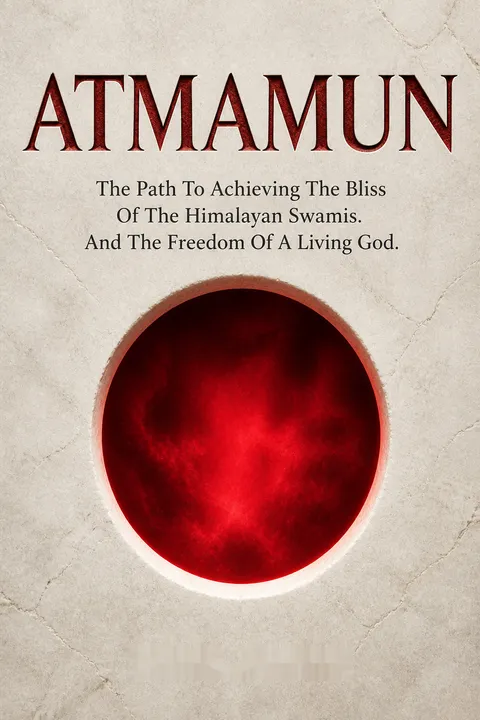
What's "Atmamun: The Path To Achieving The Bliss Of The Himalayan Swamis" about?
- Author's Exploration: The book is an exploration of achieving bliss and freedom akin to the Himalayan Swamis and living as a God. It delves into the nature of the mind and how it binds us.
- True Seeker's Guide: It is intended for those who are sincerely searching for transformation beyond organized religion and self-help.
- Path to Bliss: Atmamun is presented as a path to achieving unbridled freedom and the bliss experienced by the Himalayan Swamis.
- Mind and Freedom: The book emphasizes the need to break free from the mind's control to realize one's true self and experience life fully.
Why should I read "Atmamun: The Path To Achieving The Bliss Of The Himalayan Swamis"?
- Transformative Insights: The book offers insights into achieving personal transformation and freedom from the mind's constraints.
- Unique Perspective: It challenges conventional self-help and religious teachings, offering a unique perspective on achieving inner peace.
- Practical Guidance: Through dialogues and commentary, the author provides practical guidance for those seeking a deeper understanding of themselves.
- For True Seekers: It is particularly beneficial for those who are genuinely seeking a path to enlightenment and personal freedom.
What are the key takeaways of "Atmamun: The Path To Achieving The Bliss Of The Himalayan Swamis"?
- Mind as a Prison: The book emphasizes that the mind is a prison, and true freedom comes from transcending it.
- No-Mind State: Achieving a state of No-Mind is crucial for experiencing Atmamun, where one lives in clarity and freedom.
- Self-Realization: Understanding that one's manufactured self is the source of misery and that true self lies beyond the mind.
- Living in the Present: The book advocates for living in the present moment, free from the burdens of past and future.
What is the concept of "Atmamun" as described by Kapil Gupta?
- Mind of the Spirit: Atmamun translates to "Mind of the Spirit," a state where one experiences life without the interference of thought.
- Experiencing Without Thought: It involves experiencing the world directly, without thoughts registering, leading to a state of peace and wisdom.
- Beyond Flow States: Atmamun goes beyond flow states, offering a deeper understanding and transcendence of the mind.
- Freedom from Mind: It is about transcending the mind's control and using it as a tool rather than being enslaved by it.
How does Kapil Gupta define the mind in "Atmamun"?
- Intricate Web: The mind is described as a deeply intricate web that controls our thoughts, emotions, and behaviors.
- Not You: The author emphasizes that the mind is not you; it is a filter through which you experience life.
- Source of Turmoil: The mind is the source of all turmoil, and understanding its nature is key to transcending it.
- Illusion of Control: People believe they control their lives, but in reality, they are controlled by their minds.
What is the "No-Mind" state in "Atmamun"?
- Gateway to Atmamun: No-Mind is described as the gateway to Atmamun, where one transcends the mind's control.
- State of Clarity: It is a state of clarity and freedom, where one experiences life directly without the mind's interference.
- Transcending Thought: Achieving No-Mind involves transcending thought and experiencing life as it is.
- Ultimate Freedom: It represents ultimate freedom and the ability to use the mind as a tool rather than being enslaved by it.
What does Kapil Gupta say about meditation in "Atmamun"?
- Beyond Traditional Meditation: The book argues that traditional meditation practices are insufficient for achieving true peace.
- Meditative Living: It advocates for a meditative approach to life, where every action becomes a meditation.
- Allowing, Not Doing: Meditation is about allowing and stillness, not about doing or achieving something.
- Killing the Meditator: True meditation involves losing oneself in the activity, allowing the doer to disappear.
How does "Atmamun" address the concept of happiness and misery?
- Happiness as a Reaction: The book suggests that the search for happiness is a reaction to unhappiness and both are sides of the same coin.
- Beyond Moods: Happiness and sadness are moods, and true bliss lies beyond these transient states.
- Wisdom and Bliss: Bliss is a byproduct of wisdom and understanding the true nature of life.
- Abandoning the Search: The path to bliss involves abandoning the search for happiness and pleasure.
What role does the concept of death play in "Atmamun"?
- Instant Bliss: The realization of one's mortality is presented as a path to instant bliss.
- Finite Time: Understanding that time is finite encourages living fully in the present moment.
- Motivator for Living: Death is seen as a motivator to live life fully and not waste time on trivial pursuits.
- Perspective on Life: The awareness of death brings perspective, helping one focus on what truly matters.
How does Kapil Gupta view the concept of parenting in "Atmamun"?
- Nature Raises Children: The book argues that nature, not parents, raises children, and parents often interfere with this process.
- Power and Control: Parents often abuse their power, imposing their minds and prejudices on their children.
- Learning from Children: Instead of teaching, parents should learn from their children's natural joy and spontaneity.
- Creating an Environment: The role of a parent is to create an environment of peace and freedom for the child to thrive.
What does "Atmamun" say about the pursuit of success and wealth?
- Attachment is Poison: The book emphasizes that attachment to success and wealth is the source of misery.
- True Freedom: True freedom comes from being unattached to possessions and achievements.
- Rich Man's Luxury: The greatest luxury of wealth is the ability to turn inward and seek true freedom.
- Beyond Material Success: Atmamun encourages looking beyond material success to find inner peace and fulfillment.
What are the best quotes from "Atmamun" and what do they mean?
- "The moment that man gains freedom from his mind, he becomes a living, breathing God!" This quote encapsulates the book's central theme of transcending the mind to achieve ultimate freedom and divinity.
- "Man’s greatest dilemma is that he lives in a prison and he believes that he is free." It highlights the illusion of freedom while being controlled by the mind.
- "If you knew that you were going to die tomorrow, today would be the most blissful day of your life." This quote emphasizes the importance of living fully in the present moment, aware of life's impermanence.
- "The greatest freedom that we have is the freedom to walk away from ourselves." It suggests that true liberation comes from shedding the manufactured self and embracing one's true nature.
PDF ڈاؤن لوڈ کریں
EPUB ڈاؤن لوڈ کریں
.epub digital book format is ideal for reading ebooks on phones, tablets, and e-readers.








































