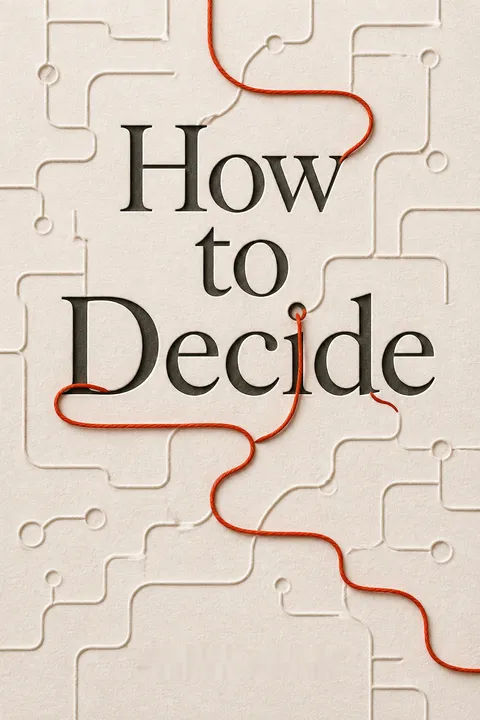

اہم نکات
1. فیصلہ سازی کو بہتر بنانے کے لیے نتائج کے تعصب کو پہچانیں اور اس پر قابو پائیں
صرف دو ہی چیزیں ہیں جو یہ طے کرتی ہیں کہ آپ کی زندگی کیسی گزرے گی: قسمت اور آپ کے فیصلوں کا معیار۔ ان دونوں چیزوں میں سے صرف ایک پر آپ کا کنٹرول ہے۔
نتائج کا تعصب (Resulting bias) ایک ایسا رجحان ہے جس میں کسی فیصلے کو اس کے فیصلہ سازی کے عمل کے بجائے محض اس کے نتیجے کی بنیاد پر پرکھا جاتا ہے۔ یہ تعصب سیکھنے کے عمل اور مستقبل کی فیصلہ سازی کو نقصان پہنچا سکتا ہے۔ اس تعصب پر قابو پانے کے لیے:
- فیصلے کے معیار کو نتیجے کے معیار سے الگ رکھیں
- ان متبادل نتائج پر غور کریں جو رونما ہو سکتے تھے
- فیصلوں کا جائزہ اس وقت دستیاب معلومات کی بنیاد پر لیں
- نتائج میں قسمت کے کردار کو تسلیم کریں
صرف نتائج کے بجائے فیصلہ سازی کے عمل پر توجہ مرکوز کر کے، آپ مستقبل میں بہتر انتخاب کرنے کی اپنی صلاحیت کو بہتر بنا سکتے ہیں۔
2. نتائج سے پہلے اور بعد کے علم پر نظر رکھ کر ماضی کے فہم کے تعصب کا مقابلہ کریں
یادداشت کا سرکنا دراصل آپ کے اس علم کی یادداشت کی ازسرنو تعمیر ہے جو ماضی کے فہم کا تعصب پیدا کرتا ہے۔
ماضی کے فہم کا تعصب (Hindsight bias) ماضی کے واقعات کے بارے میں ہمارے ادراک کو بگاڑ دیتا ہے، جس سے وہ حقیقت سے کہیں زیادہ قابلِ پیش گوئی معلوم ہوتے ہیں۔ اس تعصب کا مقابلہ کرنے کے لیے:
- ایک 'نالج ٹریکر' کا استعمال کریں تاکہ یہ ریکارڈ رکھا جا سکے کہ کسی فیصلے سے پہلے اور بعد میں آپ کو کیا معلوم تھا
- فیصلہ کرتے وقت دستیاب معلومات اور بعد میں سامنے آنے والی معلومات کے درمیان فرق واضح کریں
- روزمرہ کی زندگی میں ماضی کے فہم کے تعصب کی مثالوں کی نشاندہی کرنے کی مشق کریں
- ماضی میں فیصلہ کرنے والوں کے لیے، بشمول اپنے آپ کے، ہمدردی کا جذبہ پیدا کریں
علم پر درست طریقے سے نظر رکھ کر اور پیش بینی کی حدود کو تسلیم کر کے، آپ ماضی کے تجربات سے زیادہ مؤثر طریقے سے سیکھ سکتے ہیں اور مستقبل میں بہتر فیصلے کر سکتے ہیں۔
3. تمام ممکنہ نتائج کو سمجھنے کے لیے فیصلوں کی کثیر الکائنات کا جائزہ لیں
حقیقت میں رونما ہونے والے مستقبل کے مقابلے میں کہیں زیادہ ممکنہ مستقبل موجود ہوتے ہیں۔
فیصلوں کی کثیر الکائنات (Decision multiverse) ایک ایسا ذہنی ماڈل ہے جو کسی فیصلے کے صرف ایک رونما ہونے والے نتیجے کے بجائے تمام ممکنہ نتائج پر غور کرنے کی ترغیب دیتا ہے۔ اس نقطہ نظر کو لاگو کرنے کے لیے:
- ممکنہ نتائج کو دیکھنے کے لیے سادہ فیصلہ سازی کے درخت (decision trees) بنائیں
- "اگر ایسا ہوتا تو کیا ہوتا" جیسے منظرناموں کا تصور کر کے متبادل سوچ کی مشق کریں
- مثبت اور منفی دونوں طرح کے ممکنہ نتائج کا جائزہ لیں
- نتائج میں قسمت کے کردار کو بہتر طور پر سمجھنے کے لیے اس زاویہ نظر کا استعمال کریں
ممکنہ نتائج کے پورے دائرہ کار کا جائزہ لے کر، آپ زیادہ باخبر فیصلے کر سکتے ہیں اور کسی واحد نتیجے کو حد سے زیادہ اہمیت دینے سے بچ سکتے ہیں۔
4. فیصلوں کا جائزہ لینے کے لیے تین پی (3Ps): ترجیحات، ثمرات اور امکانات کا استعمال کریں
کسی فیصلے کے معیار کو جانچنے میں یہ معلوم کرنا شامل ہے کہ آیا فائدے کی طرف جانا نقصان کے خطرے کے لائق ہے یا نہیں۔
تھری پی (Three Ps) فریم ورک فیصلہ سازی کے لیے ایک منظم طریقہ کار فراہم کرتا ہے:
- ترجیحات (Preferences): اپنے اہداف اور اقدار کی نشاندہی کریں
- ثمرات (Payoffs): ممکنہ فوائد اور نقصانات کا جائزہ لیں
- امکانات (Probabilities): ہر نتیجے کے رونما ہونے کے امکان کا اندازہ لگائیں
اس فریم ورک کو لاگو کرنے کے لیے:
- ایسے فیصلہ سازی کے درخت بنائیں جن میں یہ تینوں عناصر شامل ہوں
- محدود معلومات کے باوجود بھی امکانات کا اندازہ لگانے کی مشق کریں
- قلیل مدتی اور طویل مدتی دونوں طرح کے ثمرات پر غور کریں
- فیصلوں کو اپنی ذاتی ترجیحات اور اقدار کے مطابق بنائیں
ان تینوں عوامل پر منظم طریقے سے غور کر کے، آپ زیادہ متوازن اور مدلل فیصلے کر سکتے ہیں۔
5. بہتر انتخاب کرنے کے لیے پیش گوئی میں درستگی کو اپنائیں
فائدے اور نقصان کے درمیان جتنا بڑا عدم توازن ہوگا، ممکنہ نقصانات محدود ہونے کی صورت میں آپ کو حاصل کرنے کے لیے اتنا ہی زیادہ ملے گا، اور فری رول بھی اتنا ہی بڑا ہوگا۔
درست پیش گوئی (Precise forecasting) آپ کو اپنے خیالات اور مفروضات کو واضح کرنے پر مجبور کر کے فیصلہ سازی کو بہتر بناتی ہے۔ درستگی کو بڑھانے کے لیے:
- مبہم الفاظ (جیسے "امکان ہے") کو مخصوص فیصد یا امکانات میں تبدیل کریں
- اندازوں میں غیر یقینی صورتحال کو ظاہر کرنے کے لیے حدود (ranges) کا استعمال کریں
- اپنے اعتماد کی پیمائش کے لیے "شاک ٹیسٹ" کی مشق کریں
- ایسی معلومات تلاش کریں جو آپ کے اندازوں کو تبدیل کر سکیں
درستگی کو اپنا کر، آپ:
- غیر یقینی صورتحال کے شعبوں کی نشاندہی کر سکتے ہیں
- دوسروں کے ساتھ زیادہ واضح طور پر بات چیت کر سکتے ہیں
- اختیارات کے درمیان زیادہ درست موازنہ کر سکتے ہیں
- وقت کے ساتھ ساتھ اپنے اندازوں کو بہتر بنا سکتے ہیں
6. زیادہ درست فیصلہ سازی کے لیے اندرونی اور بیرونی نظریات کو یکجا کریں
درستگی بیرونی نظریے اور اندرونی نظریے کے ملاپ میں بستی ہے۔
اندرونی نظریہ (Inside view) آپ کے ذاتی تجربات اور عقائد پر مبنی ہوتا ہے، جبکہ بیرونی نظریہ (Outside view) وسیع تر ڈیٹا اور تناظر کو مدنظر رکھتا ہے۔ ان دونوں نظریات کو یکجا کرنے کے لیے:
- بنیادی شرحوں اور عمومی اعداد و شمار سے آغاز کریں (بیرونی نظریہ)
- مخصوص حالات کی بنیاد پر اس میں ترمیم کریں (اندرونی نظریہ)
- دونوں نظریات کو الگ کرنے اور پھر یکجا کرنے کے لیے 'پرسپیکٹیو ٹریکنگ' کا استعمال کریں
- اپنے مفروضات کو چیلنج کرنے کے لیے متنوع آراء حاصل کریں
اس طریقہ کار کے فوائد میں شامل ہیں:
- حد سے زیادہ خود اعتمادی میں کمی
- زیادہ متوازن جائزے
- ذاتی تعصبات کو بھانپنے کی بہتر صلاحیت
- ذاتی علم اور بیرونی ڈیٹا کا بہتر ملاپ
7. کم اثر والے فیصلوں کی نشاندہی کر کے سوچ کے فالج سے چھٹکارا حاصل کریں
جب کوئی فیصلہ مشکل ہوتا ہے، تو اس کا مطلب ہے کہ وہ آسان ہے۔
سوچ کے فالج (Analysis paralysis) پر قابو پانے اور زیادہ مؤثر طریقے سے فیصلے کرنے کے لیے:
- خوشی کا ٹیسٹ (Happiness Test) استعمال کریں: خود سے پوچھیں کہ کیا یہ نتیجہ ایک ہفتے، مہینے یا سال میں آپ کی خوشی کو نمایاں طور پر متاثر کرے گا؟
- ایسے بار بار دہرائے جانے والے اختیارات کی نشاندہی کریں جو مستقبل میں تبدیلیوں کی اجازت دیتے ہیں
- ایسے فری رولز (freerolls) کو پہچانیں جن میں نقصان کا اندیشہ کم اور بڑے فائدے کا امکان زیادہ ہو
- یکساں انتخاب کے درمیان فیصلوں کے لیے 'واحد آپشن ٹیسٹ' کا اطلاق کریں
تیز رفتار فیصلہ سازی کے لیے حکمت عملی:
- مینو حکمت عملی (Menu Strategy) کا استعمال کریں: اچھے انتخاب کے درمیان الجھنے کے بجائے اختیارات کی درجہ بندی پر توجہ دیں
- دستبرداری کی عادت (quit-to-itiveness) کی مشق کریں: ضرورت پڑنے پر راستہ بدلنے کے لیے تیار رہیں
- مزید معلومات جمع کرنے کے لیے متوازی اختیارات پر غور کریں
یہ جان کر کہ کون سے فیصلے واقعی اہمیت رکھتے ہیں، آپ اپنے وقت اور ذہنی توانائی کا زیادہ مؤثر استعمال کر سکتے ہیں۔
8. اہداف کے حصول کے لیے منفی سوچ کی طاقت کا استعمال کریں
ذہنی تکلیف حقیقی دنیا میں کامیابیوں کا باعث بنتی ہے۔
منفی سوچ، جب حکمت عملی کے تحت استعمال کی جائے، تو اہداف کے حصول کو بہتر بنا سکتی ہے۔ اس کی تکنیکوں میں شامل ہیں:
- ذہنی تضاد (Mental Contrasting): کامیابی کی راہ میں حائل رکاوٹوں کا تصور کریں
- قبل از مرگ جائزہ (Premortems): ممکنہ ناکامیوں اور ان کی وجوہات کا پہلے سے تصور کریں
- پس منظر سازی (Backcasting): تصوراتی کامیابی سے پیچھے کی طرف کام شروع کریں
- ڈاکٹر ایول گیم (The Dr. Evil Game): ان باریک طریقوں کی نشاندہی کریں جن سے آپ خود کو نقصان پہنچا سکتے ہیں
حکمت عملی پر مبنی منفی سوچ کے فوائد:
- ممکنہ چیلنجوں کے لیے بہتر تیاری
- حفاظتی اقدامات کرنے کے لیے بڑھتی ہوئی تحریک
- زیادہ حقیقت پسندانہ ہدف کا تعین اور منصوبہ بندی
- کمزوریوں کی نشاندہی کرنے اور انہیں دور کرنے کی بہتر صلاحیت
کنٹرول شدہ منفی سوچ کو اپنا کر، آپ حیرت انگیز طور پر مثبت نتائج کے امکانات کو بڑھا سکتے ہیں۔
9. غیر جانبدارانہ رائے حاصل کرنے کے لیے فیصلہ سازی کی صفائی ستھرائی کی مشق کریں
عقائد متعدی ہوتے ہیں۔
فیصلہ سازی کی صفائی ستھرائی (Decision hygiene) میں ایک ایسا ماحول بنانا شامل ہے جو متعصبانہ معلومات کے پھیلاؤ کو کم سے کم کرے۔ فیصلہ سازی کی اچھی صفائی ستھرائی کے لیے:
- رائے طلب کرتے وقت اپنی ذاتی آراء کو الگ رکھیں
- اپنی ترجیحات کا اشارہ دینے سے بچنے کے لیے سوالات کو غیر جانبدارانہ انداز میں پیش کریں
- گروپ ڈسکشن سے پہلے انفرادی اور آزادانہ آراء حاصل کریں
- گروپ کے ماحول میں آراء کو گمنام رکھیں تاکہ مرتبے کے اثرات کو کم کیا جا سکے
- مشورہ لیتے وقت فراہم کی جانے والی متعلقہ معلومات کی چیک لسٹ بنائیں
فیصلہ سازی کی صفائی ستھرائی کے فوائد:
- زیادہ متنوع اور ایماندارانہ آراء
- ٹیم کے ماحول میں گروہی سوچ (groupthink) کا خاتمہ
- دوسروں کی حقیقی آراء اور علم تک بہتر رسائی
- اختلاف رائے یا غیر یقینی صورتحال کے شعبوں کو بھانپنے کی بہتر صلاحیت
فیصلہ سازی کے لیے ایک "صاف ستھرا ماحول" بنا کر، آپ زیادہ درست معلومات جمع کر سکتے ہیں اور زیادہ باخبر انتخاب کر سکتے ہیں۔
جائزوں کا خلاصہ
How to Decide فیصلہ سازی کے عملی طریقہ کار کی بدولت زیادہ تر مثبت تبصرے حاصل کرتی ہے۔ قارئین اس میں فراہم کردہ قابلِ عمل مشوروں، مشقوں اور فریم ورکس کو بے حد سراہتے ہیں۔ بہت سے لوگ تعصب، نتائج کی تشخیص، اور امکانات سے متعلق تصورات کو مفید پاتے ہیں۔ کچھ لوگ بعض مقامات پر تکرار یا گہرائی کی کمی کی وجہ سے کتاب پر تنقید بھی کرتے ہیں۔ مجموعی طور پر، تبصرہ نگار فیصلہ سازی کی مہارتوں کو بہتر بنانے کے لیے اسے ایک بہترین اور جامع تعارف کے طور پر تجویز کرتے ہیں، اور خاص طور پر عام غلطیوں سے بچنے اور فیصلوں کے لیے ایک زیادہ منظم طریقہ کار تیار کرنے کے حوالے سے اس کی بصیرت کی تعریف کرتے ہیں۔
لوگوں نے یہ بھی پڑھا




عمومی سوالات
What's How to Decide about?
- Focus on Decision-Making: How to Decide by Annie Duke provides a framework for improving decision-making skills, emphasizing the importance of understanding the decision process rather than just the outcomes.
- Tools and Techniques: The book introduces various tools and techniques to help readers make better choices, including decision trees and the concept of "resulting."
- Learning from Experience: Duke discusses how to learn from past decisions and outcomes, highlighting the biases that can distort our understanding of what makes a good decision.
Why should I read How to Decide by Annie Duke?
- Improve Decision Quality: This book is essential for anyone looking to enhance their decision-making skills, whether in personal or professional contexts. It provides actionable insights that can lead to better outcomes.
- Understand Cognitive Biases: Duke explains common cognitive biases, such as hindsight bias and resulting, which can cloud judgment. Understanding these biases can help you make more informed decisions.
- Practical Framework: The book offers a structured approach to decision-making, making it easier to apply the concepts in real-life situations.
What are the key takeaways of How to Decide by Annie Duke?
- Decision Process Over Outcome: One of the main takeaways is that the quality of a decision should be evaluated based on the decision process, not just the outcome. This helps in learning from experiences without falling into the trap of resulting.
- The Decision Multiverse: Duke introduces the concept of the "decision multiverse," which encourages considering all possible outcomes and their probabilities before making a decision.
- The Three Ps: The book emphasizes the importance of Preferences, Payoffs, and Probabilities in decision-making, guiding readers to assess their choices more effectively.
What is "resulting" in How to Decide by Annie Duke?
- Definition of Resulting: Resulting is described as the tendency to judge the quality of a decision based on its outcome rather than the decision-making process itself. This can lead to misjudgments about what constitutes a good or bad decision.
- Impact on Learning: Duke explains that resulting can distort learning from experience, as people often overlook the role of luck and focus solely on outcomes. This can lead to repeating poor decisions or avoiding good ones based on flawed reasoning.
- Example of Resulting: The book illustrates resulting with examples, such as feeling a decision was good if it led to a positive outcome, regardless of the decision process. This highlights the need to separate decision quality from outcome quality.
How does hindsight bias affect decision-making in How to Decide by Annie Duke?
- Understanding Hindsight Bias: Hindsight bias is the tendency to believe that an event was predictable after it has happened. This can distort our memory of what we knew at the time of the decision.
- Impact on Self-Assessment: Duke discusses how hindsight bias can lead individuals to unfairly judge their past decisions, often blaming themselves for outcomes that were not foreseeable. This can hinder personal growth and learning.
- Mitigating Hindsight Bias: The book suggests using tools like the Knowledge Tracker to help clarify what was known before a decision was made, reducing the influence of hindsight bias on future decision-making.
What are the "Three Ps" in How to Decide by Annie Duke?
- Preferences: Preferences refer to the values and goals that inform how individuals view potential outcomes. Understanding your preferences helps in evaluating which outcomes are desirable.
- Payoffs: Payoffs are the potential gains or losses associated with each outcome. They help in assessing the overall impact of a decision on your goals.
- Probabilities: Probabilities represent the likelihood of each outcome occurring. By estimating probabilities, you can better weigh the risks and benefits of different choices.
How can I apply the decision-making framework from How to Decide by Annie Duke?
- Six Steps to Decision-Making: Duke outlines a six-step process for making better decisions, which includes identifying possible outcomes, assessing preferences, and estimating probabilities. Following these steps can lead to more informed choices.
- Use Decision Trees: The book encourages the use of decision trees to visualize options and outcomes, making it easier to compare different choices. This structured approach helps clarify the decision-making process.
- Practice Perspective Tracking: Duke suggests regularly practicing perspective tracking, which involves considering both the inside and outside views of a situation. This can help identify biases and improve overall decision quality.
What is the "decision multiverse" concept in How to Decide by Annie Duke?
- Definition of Decision Multiverse: The decision multiverse refers to the idea that for any decision, there are multiple possible outcomes, each with its own likelihood. This concept encourages a broader view of potential consequences.
- Importance of Exploring Outcomes: By considering the decision multiverse, individuals can better understand the range of possible futures that could result from their choices. This helps in making more informed decisions.
- Counterfactual Thinking: The book emphasizes the value of counterfactual thinking—imagining alternative outcomes that could have occurred. This practice can enhance learning from past decisions and improve future decision-making.
What is the "Happiness Test" in How to Decide by Annie Duke?
- Assessing Impact: The "Happiness Test" is a method for evaluating whether a decision will significantly affect your happiness over time. It prompts you to consider how the outcome will influence your well-being in the short and long term.
- Low-Impact Decisions: Decisions that pass the Happiness Test are often low-impact, meaning they won't drastically alter your life. Recognizing these decisions allows you to make them quickly without overthinking.
- Practical Application: By applying the Happiness Test, you can prioritize decisions that truly matter and focus your energy on choices that will enhance your overall happiness.
What is "freerolling" and how can it help in decision-making according to How to Decide by Annie Duke?
- Limited Downside: "Freerolling" refers to situations where the potential losses are minimal, but the potential gains are significant. This concept encourages quick decision-making when the downside is limited.
- Identifying Opportunities: By recognizing freeroll situations, you can seize opportunities that may lead to positive outcomes without the fear of substantial loss. This mindset can lead to more proactive decision-making.
- Practical Examples: Duke provides examples, such as applying to a dream college with low application costs, illustrating how freerolling can apply to various life decisions. This encourages readers to take calculated risks.
What is the "Only-Option Test" and how is it used in How to Decide by Annie Duke?
- Evaluating Options: The "Only-Option Test" is a decision-making tool that asks, "If this were the only option I had, would I be happy with it?" This helps clarify whether a choice is genuinely desirable.
- Reducing Analysis Paralysis: By applying this test, you can quickly identify options that meet your criteria, reducing the tendency to overanalyze similar choices. This can lead to faster decision-making.
- Practical Application: The test is particularly useful in situations with multiple close options, allowing you to focus on what truly matters. It encourages a more straightforward approach to decision-making.
What are some common cognitive biases discussed in How to Decide by Annie Duke?
- Confirmation Bias: This bias leads individuals to seek out information that confirms their existing beliefs while ignoring contradictory evidence. It can distort decision-making by reinforcing incorrect assumptions.
- Overconfidence: Overconfidence is the tendency to overestimate one’s abilities or knowledge, which can lead to poor decision-making. Duke highlights the importance of recognizing this bias to improve judgment.
- Availability Bias: This bias occurs when people overestimate the likelihood of events based on how easily they can recall similar instances. It can skew perceptions of risk and influence decisions.
مصنف کے بارے میں


PDF ڈاؤن لوڈ کریں
EPUB ڈاؤن لوڈ کریں
.epub digital book format is ideal for reading ebooks on phones, tablets, and e-readers.








































