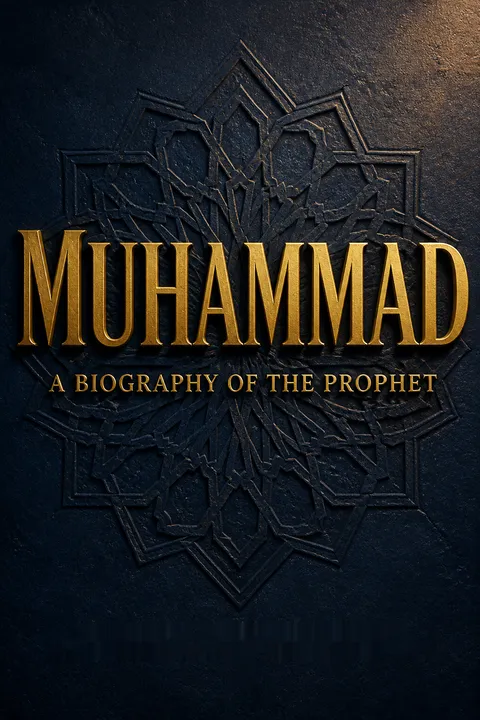

Summary Temporarily Unavailable
This summary is temporarily unavailable and is currently being updated. You can still explore the FAQs and other metadata below.
اہم نکات
1۔ محمد کی ابتدائی زندگی اور ان کا نظریۂ دنیا
بچپن میں شدید نفسیاتی صدموں کی وجہ سے محمد کو ترک کیے جانے کا خوف تھا۔
یتیم پن اور مشکلات۔ محمد کی ابتدائی زندگی نقصان اور بے ثباتی سے عبارت تھی۔ ان کے والد ان کے پیدا ہونے سے پہلے انتقال کر گئے تھے، اور والدہ کا وصال اس وقت ہوا جب وہ صرف چھ سال کے تھے۔ پھر انہیں دادا اور بعد میں چچا ابو طالب نے پال پوس کر بڑا کیا۔ یتیم ہونے اور اجنبیوں کے درمیان پرورش پانے کے اس تجربے نے ان کے دل میں ترک کیے جانے کا گہرا خوف اور سماجی حیثیت کے حوالے سے حساسیت پیدا کی۔
شکل دینے والے سال۔ یہ ابتدائی تجربات محمد کی شخصیت کو متاثر کرتے ہوئے انہیں اندرونی طور پر مگن، خود شناسی کے حامل اور شاید غیر محفوظ بنا گئے۔ بعض روایات کے مطابق وہ تنہا رہنے والے بچے تھے، جو گہرے غور و فکر میں مبتلا رہتے اور خیالی دوستوں کے ساتھ وقت گزارتے۔ یہ ابتدائی سال ان کے بعد کے روحانی تجربات اور شناخت و تعلق کی خواہش کی بنیاد بنے۔
تصدیق کی تلاش۔ دادا کی طرف سے ملنے والا مختصر وقت کا خصوصی سلوک شاید ان کے اندر تقدیر کے احساس اور ماضی کی مستردگی کے جذبات کا ازالہ کرنے کی خواہش کو بڑھاوا دیتا رہا۔ نقصان، غیر یقینی اور خاص ہونے کے احساسات کا یہ پیچیدہ امتزاج بعد میں ان کے مذہبی اور سیاسی عزائم پر اثر انداز ہوا۔
2۔ خدیجہ کا اثر اور اسلام کی ولادت
ان میں محمد کو وہ ماں ملی جس کی بچپن میں انہیں شدت سے ضرورت تھی، اور مالی تحفظ بھی ملا جس نے انہیں دوبارہ کام کرنے کی ضرورت سے آزاد کر دیا۔
ایک اہم رشتہ۔ محمد کی شادی خدیجہ سے، جو ایک مالدار اور بااثر تاجر خاتون تھیں، ان کی زندگی میں ایک نیا موڑ ثابت ہوئی۔ انہوں نے مالی تحفظ، جذباتی حمایت اور سماجی مقام فراہم کیا، جس سے محمد کو غور و فکر اور روحانی مشغولیات کے لیے وقت ملا۔
خدیجہ کی ہم آہنگی۔ خدیجہ کا محمد کی نبوت پر غیر متزلزل ایمان اسلام کے ابتدائی مراحل میں نہایت اہم تھا۔ وہ پہلی تھیں جنہوں نے ان کا پیغام قبول کیا اور انہیں ابتدائی خوف و شک کو عبور کرنے کے لیے حوصلہ افزائی اور تصدیق فراہم کی۔ ان کا اثر ناقابلِ فراموش ہے کیونکہ انہوں نے محمد کے دعووں کو قانونی حیثیت دی اور انہیں نبی بننے کے راستے پر گامزن کیا۔
پیغام کی ولادت۔ خدیجہ کی دولت اور سماجی روابط نے محمد کو وسیع تر سامعین تک رسائی دی اور ابتدائی پیروکاروں کو متوجہ کرنے میں مدد دی۔ ان کے اور ابو طالب کے انتقال نے محمد کو کمزور کر دیا اور ان کی مدینہ ہجرت کی راہ ہموار کی، جو اسلامی تاریخ کے رخ کو بدلنے والی تھی۔
3۔ مبلغ سے سیاسی رہنما: مدینہ اور اس کے بعد
جب آپ یہ باب پڑھ کر ختم کریں گے تو آپ دیکھیں گے کہ دہشت گرد بالکل ویسا ہی کر رہے ہیں جیسا ان کے نبی نے کیا تھا۔
ایک نیا باب۔ مدینہ کی طرف ہجرت نے محمد کے کردار میں ایک نمایاں تبدیلی کی، جہاں وہ مذہبی مبلغ سے سیاسی اور عسکری رہنما بن گئے۔ انہوں نے اپنے مذہبی تعلیمات کی بنیاد پر ایک کمیونٹی قائم کی اور آہستہ آہستہ اتحاد، معاہدات اور عسکری مہمات کے ذریعے اپنی طاقت مضبوط کی۔
تنازعہ اور کنٹرول۔ مدینہ میں محمد کی قیادت مذہبی جوش اور سیاسی عملی حکمت عملی کا امتزاج تھی۔ انہوں نے عرب کے مختلف قبائل کو اسلام کے پرچم تلے متحد کرنے کے لیے قائل کرنے اور زبردستی دونوں طریقے اپنائے۔ اس میں عسکری مہمات، مخالفین کے قتل اور الہی قانون کی تشریحات پر مبنی قانونی و سماجی نظام کا قیام شامل تھا۔
فتح کی میراث۔ مدینہ کے واقعات نے اسلام کی عسکری فتوحات اور مذہبی اصولوں پر مبنی سیاسی نظام کے قیام کے لیے ایک مثال قائم کی۔ یہ میراث آج بھی اسلامی تحریکوں اور نظریات پر اثر انداز ہے۔
4۔ محمد کی اخلاقیات: حملے، قتل اور اقتدار
فرقہ وارانہ رہنما جانتے ہیں کہ ان کا پیغام بذات خود کوئی جواز نہیں رکھتا۔
تنقیدی جائزہ۔ خاص طور پر مدینہ میں محمد کے اقدامات ان کی اخلاقیات پر سنگین سوالات اٹھاتے ہیں۔ قافلوں پر حملے، ناقدین کے قتل اور یہودی قبائل کے قتل عام ان مہربان اور منصف نبی کی تصویر سے میل نہیں کھاتے۔
جواز اور نتائج۔ بعض مسلمان ان کارروائیوں کو اسلام کی بقا اور توسیع کے لیے ضروری قرار دیتے ہیں، جبکہ ناقدین کا کہنا ہے کہ یہ سیاسی مقاصد کے حصول کے لیے تشدد اور فریب کے استعمال کی آمادگی ظاہر کرتے ہیں۔ ان واقعات نے اسلامی تاریخ پر گہرا اثر ڈالا ہے اور انتہا پسند گروہوں کو اپنے تشدد کے جواز کے لیے استعمال ہوتے ہیں۔
پیچیدہ میراث۔ محمد کی زندگی کی اخلاقی پیچیدگیوں کو سمجھنا اسلام کا متوازن اور معروضی جائزہ لینے کے لیے ضروری ہے۔ اس میں ان کی کامیابیوں اور ناکامیوں، ہمدردی کے لمحات اور ظلم کے اعمال دونوں کو تسلیم کرنا شامل ہے۔
5۔ محمد کی نفسیات: خود پسندی اور اس سے آگے
اسلام ایک شخص کی شخصیت کی پوجا ہے۔
متنازعہ نقطہ نظر۔ بعض علماء اور ناقدین کا کہنا ہے کہ محمد میں خود پسندی کی شخصیت کی بیماری کی علامات پائی جاتی ہیں، جن میں خود کو بہت بڑا سمجھنا، حد سے زیادہ تعریف کی خواہش، ہمدردی کی کمی اور دوسروں کا استحصال شامل ہے۔
ثبوت اور جوابی دلائل۔ اس نظریے کے حامی محمد کے الہی وحی کے دعوے، مکمل اطاعت کے مطالبات اور اختلاف کو دبانے کے لیے تشدد کے استعمال کو ان کی خود پسندی کی دلیل کے طور پر پیش کرتے ہیں۔ جبکہ دیگر کا کہنا ہے کہ یہ رویے ان کے دور کے ثقافتی اور سیاسی حالات کی عکاسی کرتے ہیں۔
نفسیات کا اثر۔ چاہے محمد کو شخصیت کی بیماری کا قطعی تشخیص دیا جائے یا نہیں، ان کی نفسیاتی ساخت کو سمجھنا ان کی تحریکات اور اعمال کی گہری بصیرت فراہم کر سکتا ہے۔ یہ ان کے پیغام کی دیرپا کشش اور اسلامی معاشروں میں طاقت کے ڈھانچے کی وضاحت میں مددگار ثابت ہوتا ہے۔
6۔ شخصیت کی پوجا: عقیدت، کنٹرول اور خوف
فرقہ وارانہ رہنما جانتے ہیں کہ ان کا پیغام بذات خود کوئی جواز نہیں رکھتا۔
بغیر سوال کے وفاداری۔ محمد نے اپنے پیروکاروں میں شخصیت کی پوجا کو فروغ دیا، جہاں مکمل وفاداری اور اطاعت کا تقاضا کیا جاتا تھا۔ انہوں نے اپنی کرشمہ، الہی اختیار اور خوف کے امتزاج سے اپنی کمیونٹی پر کنٹرول قائم رکھا۔
کنٹرول اور چالاکی۔ انہوں نے اپنے پیروکاروں کی زندگی کے ہر پہلو، مذہبی رسومات سے لے کر سماجی تعلقات تک، پر قابو پایا۔ انہوں نے تنہائی، جرم اور شرمندگی جیسے حربے استعمال کر کے ان کے جذبات کو قابو میں رکھا اور ان کی فرمانبرداری کو یقینی بنایا۔
دیرپا اثر۔ محمد کی قائم کردہ شخصیت کی پوجا آج بھی اسلامی معاشروں پر اثر انداز ہے۔ بہت سے مسلمان انہیں کامل انسان سمجھتے ہیں اور ان کے ہر عمل کی تقلید کرنے کی کوشش کرتے ہیں، حتیٰ کہ روزمرہ زندگی کی چھوٹی چھوٹی باتوں میں بھی۔
7۔ اسلام کا اثر: تاریخ اور معاشرے کا تنقیدی جائزہ
ہر جگہ مسلمانوں ہی کو قتل، ظلم اور ظلم و ستم کرتے ہوئے دیکھا جاتا ہے۔
مخلوط میراث۔ اسلام نے تاریخ اور معاشرے پر گہرا اور کثیر الجہتی اثر ڈالا ہے۔ اس نے فنون، ادب اور فلسفے میں عظیم کاموں کو تحریک دی، اور سائنس و ریاضی کی ترقی میں اہم کردار ادا کیا۔
منفی نتائج۔ تاہم، اسلام کو تشدد، عدم برداشت اور ظلم کے ساتھ بھی جوڑا جاتا ہے۔ اسلامی فتوحات کی تاریخ، مذہبی اقلیتوں کا ظلم اور اختلاف رائے کو دبانا اسلامی ماضی کے ناقابل انکار پہلو ہیں۔
تنقیدی تجزیے کی ضرورت۔ اسلام کا متوازن اور معروضی جائزہ لینے کے لیے اس کی مثبت اور منفی خدمات دونوں کو تسلیم کرنا ضروری ہے۔ اس کے لیے روایتی بیانیوں کو چیلنج کرنے اور خود احتسابی میں مشغول ہونے کی ضرورت ہے۔
8۔ جدید بازگشت: دہشت گردی، عدم برداشت اور مستقبل
ہر جگہ مسلمانوں ہی کو قتل، ظلم اور ظلم و ستم کرتے ہوئے دیکھا جاتا ہے۔
انتہا پسندی کی جڑیں۔ بعض ناقدین کا کہنا ہے کہ اسلام کے تشدد اور عدم برداشت کے پہلو محض تاریخی استثنائی نہیں بلکہ قرآن کی بنیادی تعلیمات اور محمد کی مثال میں جڑے ہوئے ہیں۔ وہ مخصوص آیات کی طرف اشارہ کرتے ہیں جو کافروں کے خلاف تشدد اور عالمی اسلامی خلافت کے قیام کا حکم دیتی ہیں۔
جدیدیت کا چیلنج۔ حالیہ دہائیوں میں اسلامی انتہا پسندی اور دہشت گردی کے عروج نے اسلام کی جمہوریت، انسانی حقوق اور اظہار رائے کی آزادی جیسے جدید اقدار کے ساتھ مطابقت پر سنگین سوالات اٹھائے ہیں۔ بہت سے مسلمان اپنے ایمان کو جدید دنیا کے چیلنجز کے ساتھ ہم آہنگ کرنے کی کوشش کر رہے ہیں۔
آگے کا راستہ۔ اسلام کا مستقبل مسلمانوں کی صلاحیت پر منحصر ہے کہ وہ خود احتسابی کریں، تشدد اور عدم برداشت کو رد کریں، اور اپنے دین کا ایک زیادہ کثیر الجہتی اور شامل نظریہ اپنائیں۔ اس کے ساتھ غیر مسلموں کی بھی ذمہ داری ہے کہ وہ احترام کے ساتھ مکالمہ کریں اور نقصان دہ دقیانوسی تصورات اور تعصبات کو چیلنج کریں۔
آخری تازہ کاری:
Report Issueجائزوں کا خلاصہ
محمد: نبی کی سوانح حیات کو عموماً مثبت آراء حاصل ہوئی ہیں کیونکہ یہ اسلام کے بانی کی متوازن تصویر پیش کرتی ہے۔ قارئین اس کتاب میں آرمسٹرانگ کے غیرجانبدارانہ انداز، تاریخی پس منظر، اور محمد صلی اللہ علیہ وسلم کی انسانی خصوصیات پر توجہ کو سراہتے ہیں۔ بعض لوگ ان کی ثقافتی اختلافات کو کم کرنے کی کوششوں کی تعریف کرتے ہیں، جبکہ کچھ ناقدین ممکنہ تعصب یا اہم نکات کی کمی پر تنقید کرتے ہیں۔ یہ کتاب مغربی قارئین کے لیے آسان فہم ہونے اور محمد صلی اللہ علیہ وسلم کے روحانی و سیاسی کرداروں کی گہرائی سے جانچ پڑتال کرنے کی وجہ سے قابلِ ستائش ہے۔ ناقدین کا کہنا ہے کہ یہ متنازع پہلوؤں کو کم اہمیت دیتی ہے، لیکن بہت سے لوگ اسے مسلمانوں اور غیرمسلمانوں دونوں کے لیے معلوماتی اور غور و فکر کی دعوت دینے والی کتاب سمجھتے ہیں۔
لوگوں نے یہ بھی پڑھا







عمومی سوالات
What is Muhammad: A Biography of the Prophet by Karen Armstrong about?
- Comprehensive critical biography: The book provides a detailed historical and psychological portrait of Muhammad, examining his life from birth to his role as a religious and political leader in 7th-century Arabia.
- Challenging misconceptions: Karen Armstrong aims to correct both traditional and Western misunderstandings about Muhammad, offering a nuanced and balanced perspective on his character and legacy.
- Focus on psychology and politics: The biography delves into Muhammad’s personality traits, mental health, and the socio-political context that shaped the development of Islam as both a religion and a political ideology.
Why should I read Muhammad: A Biography of the Prophet by Karen Armstrong?
- Corrects entrenched prejudices: The book confronts Islamophobic narratives and stereotypes, encouraging readers to move beyond simplistic or hostile views of Muhammad and Islam.
- Historical and psychological insight: Armstrong provides context about early Islamic society, the Qur’an’s revelations, and the political struggles Muhammad faced, as well as a unique psychological analysis of his personality.
- Explores misunderstood aspects: The book addresses how Muhammad’s life and Islam have been interpreted and misinterpreted over centuries, making it valuable for those seeking a deeper understanding.
What are the key takeaways from Muhammad: A Biography of the Prophet by Karen Armstrong?
- Muhammad’s complex personality: The book presents Muhammad as a figure shaped by emotional neglect, psychological disorders, and a drive for power and recognition.
- Islam’s cultic origins: Armstrong argues that early Islam exhibited many traits of a cult, including mind control, suppression of dissent, and manipulation of followers.
- Lasting impact: The biography explores how Muhammad’s leadership style and teachings have influenced Islamic societies, political ideologies, and global perceptions of Islam.
Who was Muhammad according to Muhammad: A Biography of the Prophet by Karen Armstrong?
- Orphaned and isolated childhood: Muhammad was born in Mecca in 570 CE, lost both parents early, and was raised by relatives, leading to feelings of loneliness and emotional neglect.
- Marriage to Khadijah: At 25, he married a wealthy widow who provided crucial emotional and financial support, enabling his spiritual pursuits and prophetic mission.
- Prophetic experience and leadership: At 40, Muhammad began receiving revelations, which he interpreted as divine, eventually becoming a religious, political, and military leader in Arabia.
How does Karen Armstrong analyze Muhammad’s psychological profile in Muhammad: A Biography of the Prophet?
- Narcissistic personality disorder: Armstrong suggests Muhammad exhibited grandiosity, need for admiration, entitlement, lack of empathy, and manipulative behavior, shaping his leadership style.
- Temporal lobe epilepsy (TLE): The book links Muhammad’s visions, hallucinations, and seizures to TLE, a neurological disorder that can cause religious experiences.
- Co-dependent relationships: Khadijah’s unwavering support is described as enabling Muhammad’s narcissistic tendencies, helping him maintain his prophetic mission.
What does Muhammad: A Biography of the Prophet by Karen Armstrong say about Muhammad’s visions and religious experiences?
- Neurological basis: The book argues that Muhammad’s ecstatic experiences, such as visions and auditory hallucinations, are consistent with symptoms of temporal lobe epilepsy.
- Cultural interpretation: These experiences were interpreted through the lens of 7th-century Arabian beliefs, with figures like jinns and angels appearing in his visions.
- Support from Khadijah: His wife’s encouragement helped him see these episodes as signs of prophethood rather than madness, reinforcing his sense of divine mission.
How does Muhammad: A Biography of the Prophet by Karen Armstrong characterize Islam’s early development as a cult?
- Cultic traits identified: Armstrong lists characteristics such as unquestioning commitment to a leader, suppression of dissent, mind-altering rituals, and an us-versus-them mentality.
- Comparison to modern cults: Muhammad’s leadership is compared to figures like Jim Jones and David Koresh, highlighting manipulation, violence, and sexual entitlement.
- Control and coercion: Strict rituals, harsh punishments, and social isolation are described as tools to maintain control and suppress opposition within the early Muslim community.
What role does violence and coercion play in Muhammad’s leadership according to Muhammad: A Biography of the Prophet by Karen Armstrong?
- Use of violence: Muhammad is depicted as using direct threats, assassinations, and raids to enforce obedience and expand his influence.
- Psychological coercion: Fear of divine punishment, social ostracism, and indoctrination are used to maintain control over followers and discourage dissent.
- Cultic enforcement: The book draws parallels with cults where informers, public humiliation, and fear of punishment ensure absolute loyalty.
How does Muhammad: A Biography of the Prophet by Karen Armstrong address the concept of “taqiyah” or holy deception?
- Strategic lying: Taqiyah is described as permitting Muslims to deceive non-Muslims to protect Islam or advance its cause, with Muhammad himself allegedly using deception to break treaties.
- Historical examples: The book recounts incidents where followers feigned friendship to assassinate enemies or sow distrust among opponents.
- Modern implications: Armstrong warns that taqiyah is used today by some Muslims to downplay Islam’s threat and infiltrate Western societies.
What does Muhammad: A Biography of the Prophet by Karen Armstrong say about Islam’s impact on women and misogyny?
- Degradation of women: The book argues that Islam reversed pre-Islamic gains for women, enforcing strict subservience and reducing their rights and freedoms.
- Religious justification: Quranic verses and hadiths are cited as evidence for women’s inferior status in marriage, inheritance, and testimony.
- Societal consequences: Armstrong links this misogyny to dysfunctional societies, low self-esteem, and cycles of abuse and oppression in Muslim-majority countries.
How does Muhammad: A Biography of the Prophet by Karen Armstrong compare Islam to other political ideologies?
- Parallels with Nazism and fascism: The book highlights similarities in authoritarianism, dehumanization of enemies, and militarism, noting Hitler’s admiration for Islam’s militant expansion.
- Comparison to communism: Islam is likened to Bolshevism as a practical, social, and unspiritual ideology focused on worldly power and control.
- Political ideology vs. religion: Armstrong argues that Islam’s political aspects, especially Sharia law, conflict with democratic principles and should be treated as a political system.
What legal and political strategies does Muhammad: A Biography of the Prophet by Karen Armstrong propose for addressing Islam’s influence in the West?
- Banning political Islam: The book suggests banning Islam as a political system while respecting freedom of religion, to protect democratic societies.
- Closing madrassas and monitoring mosques: Armstrong advocates shutting down Islamic schools that teach hate and enforcing surveillance in mosques to prevent subversive activities.
- Deportation and immigration control: Recommendations include halting Muslim immigration and deporting those who refuse to integrate, to prevent Islam from gaining political power in non-Muslim countries.
مصنف کے بارے میں
کارن آرمسٹرانگ ایک معروف برطانوی مصنفہ ہیں جو مذاہب کا تقابلی مطالعہ کرتی ہیں۔ وہ پہلے کیتھولک نَن تھیں، لیکن بعد میں انہوں نے قدامت پسند مسیحیت سے لبرل مسیحیت کی طرف رجحان اختیار کیا۔ آرمسٹرانگ نے آکسفورڈ یونیورسٹی سے انگریزی ادب کی تعلیم حاصل کی اور 1969 میں نَن کی زندگی ترک کر دی۔ ان کا کام بڑے مذاہب کے درمیان مشترک پہلوؤں پر زور دیتا ہے، خاص طور پر ہمدردی اور سنہری اصول (Golden Rule) پر۔ 2008 میں انہیں ٹی ای ڈی انعام سے نوازا گیا، جسے انہوں نے ہمدردی کے چارٹر کے قیام کے لیے استعمال کیا۔ آرمسٹرانگ کا مذہبی مطالعات کا پس منظر اور ان کا ذاتی روحانی سفر ان کی تحریروں میں جھلکتا ہے، جو مختلف مذاہب اور ثقافتوں کے درمیان تفہیم کو فروغ دینے کی کوشش کرتی ہیں۔ ان کا انداز علمی تحقیق کو آسان اور قابل فہم زبان میں پیش کرتا ہے، جس سے پیچیدہ مذہبی موضوعات وسیع قارئین کے لیے قابل فہم بن جاتے ہیں۔
مزید کتابیں از کیرن آرمسٹرانگ







PDF ڈاؤن لوڈ کریں
EPUB ڈاؤن لوڈ کریں
.epub digital book format is ideal for reading ebooks on phones, tablets, and e-readers.








































