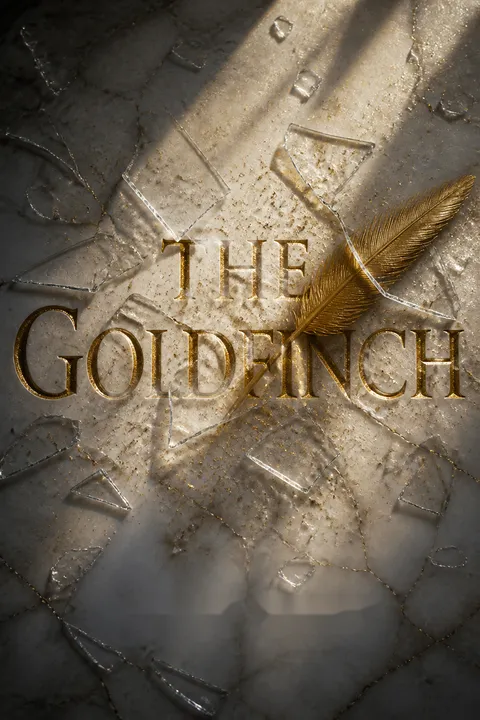

Tóm tắt cốt truyện
Sự Cô Lập Ở Amsterdam và Ký Ức Về Mẹ
Theo Decker bị mắc kẹt trong một khách sạn ở Amsterdam, bị ám ảnh bởi những ký ức về người mẹ đã khuất. Thành phố rộn ràng lễ hội trái ngược hoàn toàn với tâm trạng hỗn loạn bên trong anh, khi anh chìm đắm trong sự hoang tưởng và nỗi nhớ da diết. Những giấc mơ sống động về mẹ như thắp lên ngọn lửa ấm áp và tình yêu thương mà anh từng có, giờ đây bị phủ bóng bởi cảm giác tội lỗi và cô đơn.
Chuyến Thăm Bảo Tàng và Vụ Nổ
Một chuyến đi đến Bảo tàng Nghệ thuật Metropolitan cùng mẹ đã làm thay đổi cuộc đời Theo mãi mãi. Một quả bom khủng bố phát nổ, cướp đi mạng sống của mẹ anh và để lại cho Theo chiếc nhẫn của người sắp chết cùng bức tranh bị đánh cắp, "Chim Hoàng Yến." Khoảnh khắc ấy đã định hướng tương lai của Theo, đầy rẫy tội lỗi và bí mật.
Hậu Quả và Nơi Ẩn Náu Tạm Thời
Sau vụ nổ, Theo được gia đình Barbour giàu có nhận nuôi. Anh vật lộn với nỗi đau và cảm giác tội lỗi, bám víu vào bức tranh và chiếc nhẫn như những biểu tượng của mối liên kết đã mất với mẹ. Sự xa hoa trong ngôi nhà của gia đình Barbour đối lập với cuộc sống trước đây của anh, khiến anh cảm thấy lạc lõng.
Động Lực Gia Đình Barbour
Sống cùng gia đình Barbour, Theo phải đối mặt với những mối quan hệ phức tạp trong gia đình họ. Dù được tiếp đón nồng hậu, anh vẫn cảm thấy mình là người ngoài cuộc, vật lộn để hòa nhập trong khi phải đối mặt với chấn thương tâm lý và tương lai bất định. Sự điềm tĩnh nhưng xa cách của gia đình càng làm tăng thêm cảm giác cô lập của anh.
Tìm Kiếm Kết Nối và Tương Lai Bấp Bênh
Theo tìm kiếm câu trả lời tại Hobart và Blackwell, gặp gỡ Hobie và Pippa. Bị thu hút bởi Pippa, anh cảm nhận được một mối liên kết sâu sắc, nhưng việc cô sắp chuyển đến Texas khiến anh cảm thấy bị bỏ rơi. Bám víu vào bức tranh và ký ức về mẹ, Theo đối mặt với một tương lai đầy bất định.
Ảnh Hưởng Của Boris và Sự Cô Lập Của Theo
Ở Las Vegas, Theo kết bạn với Boris, người dẫn dắt anh vào cuộc sống trộm cắp vặt và nghiện ngập. Dù có mối quan hệ gắn bó, Theo ngày càng cảm thấy cô đơn, bị ám ảnh bởi ký ức về mẹ và sự thiếu vắng những mối quan hệ ý nghĩa.
Chuyến Thăm Đáng Ngại Của Naaman Silver
Việc Naaman Silver đến đòi nợ cha của Theo làm tăng thêm sự lo lắng của anh về tình hình tài chính gia đình. Sự xuất hiện của Silver khiến Theo bất an, lo sợ về sự bấp bênh trong cuộc sống ở Las Vegas.
Bí Mật và Sự Hoang Tưởng Ngày Càng Tăng
Sống cùng Hobie ở New York, Theo bị ám ảnh bởi nỗi lo về bức tranh giấu kín. Việc thu hồi các tác phẩm nghệ thuật bị đánh cắp khác càng làm tăng sự hoang tưởng của anh, sợ bị phát hiện và những hỗn loạn có thể xảy ra. Bức tranh luôn là lời nhắc nhở không ngừng về quá khứ của anh.
Kế Hoạch Tuyệt Vọng Để Bảo Vệ
Bị thúc đẩy bởi nỗi sợ, Theo cất giữ bức tranh ở một nơi an toàn, mang lại sự nhẹ nhõm tạm thời. Nơi cất giữ tượng trưng cho sự cô lập và những nỗ lực anh phải làm để bảo vệ bí mật, dù gánh nặng vẫn còn đó.
Lời Thú Nhận và Hệ Quả Của Boris
Boris thừa nhận đã đánh cắp bức tranh, dùng nó làm vật thế chấp trong các giao dịch tội phạm. Sự thật này làm căng thẳng mối tình bạn của họ nhưng cũng giải tỏa cho Theo khỏi tội danh trộm cắp. Boris hứa sẽ giúp lấy lại tranh, buộc Theo phải xem xét lại lòng tin của mình.
Sự Phản Bội Của Kitsey Bị Phơi Bày
Việc đính hôn của Theo với Kitsey bị vấy bẩn bởi mối quan hệ ngoài luồng của cô với Tom Cable. Sự phản bội này buộc Theo phải đối mặt với sự hời hợt trong mối quan hệ và sự trống rỗng trong nỗ lực tìm kiếm an ủi theo chuẩn mực xã hội.
Chuyến Thăm Bất Ngờ Của Pippa
Chuyến thăm của Pippa đánh thức những cảm xúc sâu sắc và ký ức trong Theo. Nỗi chấn thương chung của họ mở ra một góc nhìn chân thành, trái ngược với mối quan hệ căng thẳng với Kitsey. Pippa là biểu tượng cho cuộc sống mà Theo khao khát nhưng cảm thấy xa vời.
Căng Thẳng Tại Tiệc Đính Hôn
Tại bữa tiệc, Theo nhận thức rõ về lớp mặt nạ anh phải duy trì. Sự kiện làm nổi bật sự mâu thuẫn giữa hỗn loạn nội tâm và thành công bề ngoài, khiến anh nghi ngờ về tương lai của mình.
Trở Về Amsterdam Trong Không Khí Vừa Lễ Hội Vừa U Ám
Trở về Amsterdam, Theo bị ám ảnh bởi quá khứ giữa không khí lễ hội của thành phố. Anh suy ngẫm về những lựa chọn đã đưa anh đến đây, tìm kiếm sự an ủi trong khung cảnh quen thuộc nhưng xa lạ của quá khứ.
Đề Nghị Bất Ngờ Của Boris
Boris đề xuất một kế hoạch để lấy lại bức tranh, kéo Theo vào một cuộc phiêu lưu đầy rủi ro. Dù nguy hiểm, lời hứa về sự chuộc lỗi và khởi đầu mới khiến Theo đồng ý, mở ra hy vọng cho một tương lai khác.
Số Phận Của Bức Tranh Được Hé Lộ
Boris tiết lộ việc thu hồi bức tranh, mang đến cho Theo một cơ hội làm lại cuộc đời. Số tiền thưởng mở ra con đường chuộc lỗi, buộc Theo phải đối mặt với những phức tạp đạo đức trong hành động của mình và sự mất mát của gánh nặng bí mật.
Hành Trình Chuộc Lỗi Của Theo
Khi bức tranh được trả lại, Theo bắt đầu hành trình khám phá bản thân. Anh mong muốn hòa giải quá khứ với con người mình muốn trở thành, được thúc đẩy bởi khát khao tìm ý nghĩa vượt lên trên bức tranh và tôn vinh ký ức về mẹ.
Nhân Vật
Theo Decker
Theo bị ám ảnh bởi cái chết của mẹ và bí mật về bức tranh bị đánh cắp. Hành trình của anh là một cuộc tìm kiếm chuộc lỗi và khám phá bản thân, khi anh cố gắng hòa giải hành động của mình với con người anh muốn trở thành.
Audrey Decker
Cái chết của Audrey là sự kiện then chốt trong cuộc đời Theo, để lại cho anh nỗi mất mát sâu sắc. Ký ức về bà ảnh hưởng đến hành động và tâm trạng của anh, vừa là nguồn an ủi vừa là nỗi đau.
Hobie (James Hobart)
Hobie mang đến sự ổn định và thấu hiểu cho Theo, tạo nên nơi trú ẩn trong thế giới nghệ thuật và thủ công. Ngôi nhà của ông là nơi an toàn, dù bị phủ bóng bởi những bí mật của Theo.
Boris Pavlikovsky
Boris dẫn dắt Theo vào cuộc sống tội phạm và nghiện ngập. Dù lối sống hỗn loạn, Boris rất trung thành, mang đến cho Theo cơ hội chuộc lỗi và khởi đầu mới.
Pippa
Pippa có mối liên kết sâu sắc với Theo, được đánh dấu bởi chấn thương chung. Sự hiện diện của cô là nguồn khao khát và đau thương, đại diện cho cuộc sống mà Theo mong muốn nhưng cảm thấy không thể với tới.
Bà Barbour
Bà Barbour cung cấp cho Theo một mái nhà tạm thời sau vụ nổ. Dù tốt bụng, bà vẫn giữ khoảng cách về mặt cảm xúc, làm tăng thêm cảm giác cô lập của Theo.
Kitsey Barbour
Mối quan hệ ngoài luồng của Kitsey phơi bày sự hời hợt trong mối quan hệ với Theo. Cách tiếp cận thực dụng của cô đối với hôn ước khiến Theo cảm thấy cô đơn và thất vọng.
Naaman Silver
Việc Silver đến đòi nợ cha của Theo làm tăng sự lo lắng của anh về tình hình tài chính, làm cho cuộc sống ở Las Vegas thêm phần bấp bênh.
Tom Cable
Mối quan hệ của Tom với Kitsey buộc Theo phải đối mặt với sự trống rỗng trong nỗ lực tìm kiếm an ủi theo chuẩn mực xã hội, làm nổi bật những phản bội và thỏa hiệp trong cuộc sống của anh.
Larry Decker
Cha của Theo là một con bạc với những rắc rối tài chính đe dọa sự ổn định gia đình. Hành động của ông tạo ra sự lo lắng và bất định cho Theo, phản ánh con đường hủy hoại mà anh sợ hãi.
Các Yếu Tố Cốt Truyện
Bức Tranh Chim Hoàng Yến
Bức tranh đại diện cho mối liên hệ của Theo với quá khứ và những hỗn loạn nó gây ra. Việc thu hồi tranh buộc Theo phải đối mặt với những dối trá mà anh xây dựng cuộc sống và mở ra con đường chuộc lỗi.
Chấn Thương và Ký Ức
Câu chuyện đi sâu vào tác động tâm lý của chấn thương đối với Theo, khám phá các chủ đề về ký ức, tội lỗi và bản sắc. Cuộc đấu tranh nội tâm của anh được thể hiện qua các tương tác và suy ngẫm về quá khứ.
Tình Bạn và Sự Phản Bội
Mối quan hệ của Theo với Boris và Kitsey làm nổi bật các chủ đề về tình bạn, lòng trung thành và sự phản bội. Những mối quan hệ này khám phá sự phức tạp của kết nối con người và hành trình tìm kiếm ý nghĩa.
Chuộc Lỗi và Tha Thứ
Câu chuyện khai thác các chủ đề về chuộc lỗi và tha thứ, khi Theo cố gắng hòa giải những hành động trong quá khứ với con người anh muốn trở thành. Việc thu hồi bức tranh mang đến cơ hội sửa chữa lỗi lầm.
Định Mệnh và Sự Tình Cờ
Câu chuyện nhấn mạnh vai trò của định mệnh và sự tình cờ trong việc định hình cuộc đời Theo, làm nổi bật sự bất ngờ của cuộc sống và hậu quả sâu sắc từ những quyết định tưởng chừng nhỏ bé.
Phân Tích
"Chim Hoàng Yến" của Donna Tartt là một tác phẩm sâu sắc về chấn thương, mất mát và hành trình tìm kiếm bản sắc. Qua cuộc hành trình của Theo Decker, tiểu thuyết đi sâu vào tác động tâm lý của nỗi đau và sự phức tạp trong các mối quan hệ con người. Bức tranh bị đánh cắp, "Chim Hoàng Yến," là biểu tượng trung tâm cho cảm giác tội lỗi và mối liên hệ của Theo với quá khứ. Câu chuyện khám phá các chủ đề về chuộc lỗi và tha thứ, khi Theo cố gắng hòa giải hành động của mình với con người anh muốn trở thành. Tác phẩm làm nổi bật sự không thể đoán trước của cuộc sống và hậu quả sâu sắc từ những quyết định nhỏ, mang đến một sự phản chiếu đầy cảm xúc về hành trình tìm kiếm ý nghĩa và sự thuộc về trong một thế giới hỗn loạn.
Mọi người cũng đọc



Câu hỏi thường gặp
Synopsis & Basic Details
What is The Goldfinch about?
- A boy's life altered: The Goldfinch follows Theo Decker's life after a terrorist bombing at the Metropolitan Museum of Art kills his mother. He is left with a small painting, "The Goldfinch," which becomes a symbol of his loss and a catalyst for his journey.
- A journey through loss: The story explores Theo's struggles with grief, guilt, and identity as he navigates a series of complex relationships and dangerous situations. He moves from New York to Las Vegas and then back to New York, each location shaping his experiences.
- A search for meaning: The novel delves into themes of art, beauty, and the search for meaning in a chaotic world, as Theo grapples with the consequences of his choices and the weight of his past.
Why should I read The Goldfinch?
- Rich character study: The novel offers a deep dive into the complex psychology of its characters, particularly Theo, whose internal struggles and emotional journey are both compelling and heartbreaking.
- Intricate plot and themes: The Goldfinch weaves together a complex plot with profound themes of loss, love, art, and the search for meaning, creating a rich and thought-provoking reading experience.
- Beautiful prose and vivid imagery: Donna Tartt's writing is known for its lyrical prose and vivid descriptions, immersing the reader in the story's atmosphere and emotional landscape.
What is the background of The Goldfinch?
- Art world backdrop: The novel is set against the backdrop of the art world, exploring themes of beauty, value, and authenticity. The Metropolitan Museum of Art and the world of antique dealing play significant roles in the story.
- Post-9/11 anxieties: The bombing at the museum reflects the anxieties and fears of the post-9/11 era, adding a layer of tension and unease to the narrative.
- Exploration of American culture: The novel explores different aspects of American culture, from the wealthy elite of New York to the transient world of Las Vegas, highlighting the contrasts and complexities of American life.
What are the most memorable quotes in The Goldfinch?
- "Things would have turned out better if she had lived.": This quote encapsulates Theo's deep-seated grief and the sense of loss that permeates his life after his mother's death, highlighting the pivotal role she played in his happiness.
- "People die, sure. But it's so heartbreaking and unnecessary how we lose things. From pure carelessness.": This quote reflects the novel's themes of loss and the fragility of life, emphasizing the importance of cherishing what we have.
- "The absurd does not liberate; it binds.": This quote, from Albert Camus, sets the tone for the novel's exploration of the human condition, highlighting the sense of entrapment and the search for meaning in a chaotic world.
What writing style, narrative choices, and literary techniques does Donna Tartt use?
- First-person perspective: The novel is narrated from Theo's point of view, allowing readers to intimately experience his thoughts, emotions, and perceptions, creating a strong sense of empathy and connection.
- Descriptive and atmospheric prose: Tartt's writing is characterized by its rich, detailed descriptions and evocative imagery, immersing the reader in the story's settings and emotional landscape.
- Use of foreshadowing and callbacks: The novel employs subtle foreshadowing and callbacks, creating a sense of interconnectedness and highlighting the cyclical nature of Theo's experiences.
Hidden Details & Subtle Connections
What are some minor details that add significant meaning?
- Goldie's name: The doorman's nickname, "Goldie," foreshadows the significance of the goldfinch painting and the theme of value and worth that runs throughout the novel. His real name, "Burt D.," is a mundane contrast to his nickname, highlighting the gap between appearance and reality.
- The candy-striped umbrella: The description of the umbrella as "tiny" and "candy-striped" emphasizes its fragility and the fleeting nature of happiness, contrasting with the tragic events that follow. It also becomes a symbol of Theo's mother.
- The cab's smell: The description of the cab's smell as "dirty diapers" and "coconut air freshener" foreshadows the unpleasant and chaotic events that are about to unfold, creating a sense of unease and foreboding.
What are some subtle foreshadowing and callbacks?
- Goldie's comment about summer: Goldie's longing for summer and the quietness of the city foreshadows the emptiness and isolation that Theo experiences after his mother's death, highlighting the loss of normalcy.
- The "time warp": Theo's mother's comment about a "time warp" on Fifth Avenue foreshadows the way the past continues to haunt Theo, blurring the lines between memory and reality.
- The butterfly in the still life: The description of the butterfly in the still life as "stillness with a tremble of movement" foreshadows the themes of life and death, and the delicate balance between them, which are central to the novel.
What are some unexpected character connections?
- Hobie and Mrs. Barbour: The connection between Hobie and Mrs. Barbour through her family's history as collectors reveals a hidden network of relationships within the art world, highlighting the interconnectedness of seemingly disparate characters.
- The old man and Pippa: The old man's connection to Pippa, and his mistaken identity of Theo as someone else, reveals a hidden history and a sense of shared destiny, highlighting the interconnectedness of lives and the cyclical nature of time.
- Tom Cable and the Barbours: The revelation that Tom Cable's sister dated Platt Barbour highlights the interconnectedness of the characters and the small world of the Upper West Side, adding a layer of complexity to their relationships.
Who are the most significant supporting characters?
- Hobie: Hobie serves as a father figure and mentor to Theo, providing him with a sense of stability and purpose. His knowledge of art and craftsmanship offers Theo a path to self-discovery and a connection to his mother's interests.
- Boris: Boris is a complex and influential figure in Theo's life, representing both the allure of recklessness and the possibility of redemption. His friendship with Theo is marked by both loyalty and betrayal.
- Pippa: Pippa is a kindred spirit for Theo, sharing a deep understanding of loss and trauma. Her presence is a source of both longing and comfort, representing the possibility of connection and healing.
Psychological, Emotional, & Relational Analysis
What are some unspoken motivations of the characters?
- Theo's desire for connection: Theo's unspoken motivation is his deep-seated need for connection and belonging, which drives his relationships with his mother, Hobie, Boris, and Pippa. He seeks to fill the void left by his mother's death.
- Hobie's need to preserve: Hobie's unspoken motivation is his desire to preserve beauty and craftsmanship, which stems from his own sense of loss and his belief in the power of art to transcend time and tragedy.
- Boris's search for belonging: Boris's unspoken motivation is his search for belonging and acceptance, which leads him to form intense but often destructive relationships. He seeks to create a sense of family and connection in a world that has often rejected him.
What psychological complexities do the characters exhibit?
- Theo's survivor's guilt: Theo exhibits complex psychological traits, including survivor's guilt, which manifests in his self-destructive behavior and his inability to move on from his mother's death.
- Hobie's avoidance of conflict: Hobie's psychological complexity is evident in his avoidance of conflict and his tendency to retreat into the world of art and craftsmanship, which serves as a refuge from the harsh realities of life.
- Boris's self-destructive tendencies: Boris's psychological complexity is evident in his self-destructive tendencies and his inability to form lasting relationships, which stem from his own traumatic past and his search for meaning.
What are the major emotional turning points?
- The museum bombing: The bombing is a major emotional turning point, marking the loss of Theo's mother and the beginning of his journey through grief and trauma. It sets the stage for all the events that follow.
- Pippa's departure: Pippa's departure to Texas is a major emotional turning point, highlighting Theo's fear of abandonment and his inability to form lasting connections. It underscores his sense of isolation and loss.
- Boris's confession: Boris's confession about stealing the painting is a major emotional turning point, forcing Theo to confront the consequences of his actions and the complexities of his relationship with Boris.
How do relationship dynamics evolve?
- Theo and Hobie: Their relationship evolves from a temporary refuge to a deep bond based on shared interests and mutual respect. Hobie becomes a father figure for Theo, offering him guidance and support.
- Theo and Boris: Their relationship evolves from a close friendship to a complex dynamic marked by loyalty, betrayal, and shared trauma. Their bond is tested by their differing paths and the consequences of their actions.
- Theo and Kitsey: Their relationship evolves from a superficial connection to a strained engagement, highlighting the emptiness of their attempts to find solace in societal norms. Their relationship is ultimately undone by their inability to connect on a deeper level.
Interpretation & Debate
Which parts of the story remain ambiguous or open-ended?
- The true nature of the old man's words: The old man's dying words to Theo remain ambiguous, leaving the reader to wonder about their true meaning and significance. His references to Mozart and Groppi's add to the mystery.
- The fate of the painting: While the painting is recovered, its ultimate fate remains open-ended, leaving the reader to ponder its true value and its impact on Theo's life.
- The nature of Theo's redemption: The novel's ending leaves the reader to question the true nature of Theo's redemption, as he continues to grapple with his past and the consequences of his choices.
What are some debatable, controversial scenes or moments in The Goldfinch?
- Theo's drug use: Theo's descent into drug use is a controversial aspect of the novel, raising questions about his moral character and the nature of addiction. Some readers may find his actions self-destructive and difficult to sympathize with.
- Theo's relationship with Kitsey: Theo's engagement to Kitsey is a controversial aspect of the novel, as it highlights his inability to form genuine connections and his tendency to seek solace in superficial relationships.
- The ending: The novel's ending, with its open-ended nature and lack of clear resolution, is a source of debate among readers. Some may find it unsatisfying, while others may appreciate its ambiguity and realism.
The Goldfinch Ending Explained: How It Ends & What It Means
- Theo's acceptance of loss: The ending sees Theo accepting the loss of his mother and the impossibility of recapturing the past. He finds a way to move forward, though his life is forever marked by his experiences.
- The painting's symbolic return: The return of the painting symbolizes Theo's journey towards redemption and his attempt to reconcile his past with his present. It represents the enduring power of art and its ability to transcend time and tragedy.
- Ambiguity and open-endedness: The ending is deliberately ambiguous, leaving the reader to ponder the true meaning of Theo's journey and the nature of his future. It highlights the complexities of life and the impossibility of finding easy answers.

Tải PDF
Tải EPUB
.epub digital book format is ideal for reading ebooks on phones, tablets, and e-readers.








































