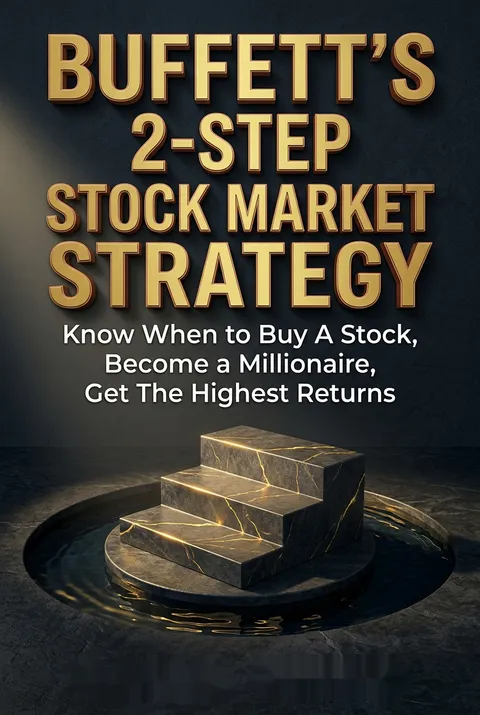
重點摘要
1. 擁抱巴菲特的兩步驟策略:優秀企業,合理價格
本書將提供你一個兩步驟的框架,幫助你挑選股票,讓你超越朋友和華爾街。
簡單勝出。 成功投資股市的核心歸結為兩個基本步驟:找出「優秀企業」並以「合理價格」買入。這個由沃倫·巴菲特倡導的框架,剔除複雜的金融術語,專注於價值投資的基本面。它不是追逐短暫潮流或憑直覺操作,而是理解企業的本質及其長期現金流的潛力。
質量勝於數量。 此策略強調選擇性。深入了解少數卓越企業,遠勝於淺嘗多家公司的表面分析。這種集中投資的方法讓投資者對持股建立強烈信心,減少受市場波動和情緒決策的影響。兩步驟框架是一道篩選器,幫助投資者聚焦於最具超越潛力的機會。
超越華爾街。 目標不只是參與股市,而是要擊敗它。專注於品質與價值,投資者能在受多元化限制和短期績效壓力束縛的共同基金經理和指數基金之上取得優勢。這個框架賦予個人投資者掌控財務命運、實現卓越回報的能力。
2. 自由現金流:終極投資指南針
你買入企業,是為了它一生中將產生的現金。
現金為王。 投資的終極原則是將股票視為對真實企業的部分所有權。企業的價值在於其一生中產生現金流的能力。忘掉市盈率和短期價格波動,專注於企業背後的現金引擎。
超越淨利。 淨利或盈餘可能因折舊等會計手法而誤導。自由現金流(FCF)代表企業扣除資本支出後產生的現金,更準確反映公司財務健康。自由現金流就像房地產出租後扣除費用的租金,是屬於所有者的現金。
像巴菲特一樣投資。 沃倫·巴菲特強調看企業產生的現金,而非僅僅股價。他將買股票比作買公寓大樓或農場——投資於能產生收入的資產。這種長期、價值導向的策略是股市致富的關鍵。
3. 護城河:守護你的投資城堡
每個企業都需要強大的護城河,因為它能讓企業更容易抵禦想要奪取利潤的競爭者。
保護利潤。 在商業世界中,「護城河」代表企業的競爭優勢——保護利潤不被競爭者侵蝕的屏障。就像護城河保護城堡一樣,強大的護城河保護企業的長期獲利能力。沒有護城河,企業容易被競爭擊垮,利潤岌岌可危。
護城河類型:
- 強大品牌: 客戶信任與忠誠(如蘋果、亞馬遜)
- 指定公司: 必要服務提供者,競爭有限(如廢物管理公司)
- 智慧財產權: 專利、版權、商業機密(如動視暴雪)
護城河強度重要。 企業不僅要有護城河,更要比競爭對手的護城河更強。弱護城河容易被突破,企業因此脆弱。應聚焦於擁有持久且強韌護城河的公司,能經得起時間考驗。
4. 可預測性勝過「下一個大熱門」
優秀的投資機會不在於快速變動的產業。
穩健勝出。 避免被「下一個大熱門」誘惑,專注於變化緩慢的產業。快速變動的產業本質上難以預測,難以評估企業長期前景。例如科技業常有快速創新與顛覆,對長期投資者而言風險較高。
可預測性是關鍵。 預測企業未來現金流的能力,是判斷其內在價值的關鍵。穩定產業中擁有強大護城河的公司,更可能產生可預測的現金流,是理想投資標的。想像星巴克這類公司,能在未來數十年持續提供咖啡,幾乎不需大幅創新。
持久護城河。 巴菲特尋找「持久」護城河。你要投資的是能在未來多年持續領先競爭對手的公司。這意味著避開技術迅速過時的產業,專注於擁有耐久競爭優勢的企業。
5. 財務健康:優秀企業的基石
你必須確保企業財務健康。
數字說話。 最終,企業的財務健康反映在數字上。分析財務報表——損益表、資產負債表和現金流量表——是判斷企業是否值得投資的關鍵。理想狀況是企業三年後產生的現金流比現在更多。
關鍵財務指標:
- 利潤率: 目標至少5%,確保足夠緩衝。
- 負債資產比率: 保持低於0.35,降低風險。
- 長期負債與自由現金流比率: 低於3,確保償債能力。
- 投資資本回報率(ROIC): 高於10%,顯示資本配置效率。
自由現金流是關鍵。 現金流量表揭示企業如何收支。重點關注自由現金流,即扣除營運費用和資本支出後的剩餘現金。自由現金流穩定且成長,代表企業財務健康且優秀。
6. 內在價值:解鎖合理價格
內在價值簡單定義為:企業剩餘生命期內可提取現金的折現價值。
理想價格。 股票的內在價值是購買該股以獲得良好投資回報的理想價格。它反映企業預期未來所有現金流的現值。這需要估算未來自由現金流並折現至現值。
貨幣時間價值。 錢有「時間價值」——今天的錢比未來的錢更值錢,因為它有複利增長潛力。因此,未來現金流必須折現以反映現值。預期越遠的現金流,其現值越低。
計算內在價值。 內在價值計算公式包括估算未來自由現金流、設定必要報酬率(通常為10%)及永續成長率。此計算提供合理買入價格的框架,確保投資回報。
7. 股息:正確打造被動收入
本章將介紹如何用折現現金流分析計算股息股的內在價值。
超越殖利率。 股息投資是產生被動收入的可行策略,但不能只看股息殖利率。許多投資者錯誤地僅根據殖利率、派息比率和股息歷史買股,卻忽略深入分析企業基本面。
股息的內在價值。 成功股息投資的關鍵是計算股票預期支付股息的內在價值。這涉及預測未來股息並折現至現值,類似於自由現金流的內在價值計算。
關鍵股息指標:
- 派息比率: 保持低於70%,確保股息可持續且有成長潛力。
- 盈餘成長率: 尋找預期年均盈餘成長至少4%的公司。
- 必要報酬率: 折現股息時使用6%的必要報酬率。
8. 分散投資:雙刃劍
對懂行的人來說,普遍的分散投資意義不大。
風險分散。 分散投資是將風險分散於多項投資的過程,常被讚揚能保護辛苦賺來的資金。持有多種股票能減少單一投資失利的影響,但分散也有代價。
機會成本。 每增加一檔股票,可能就減少了投入更優質股票的資金。過度分散會導致持有過多平庸公司,稀釋回報,難以超越市場。巴菲特說:「分散是無知的保護。」
尋找平衡。 理想持股數量取決於你的舒適度和投資知識。持有5至15家公司,能在分散與集中優質公司間取得良好平衡。避免單一公司佔投資組合超過20%。
9. 情緒:無聲的投資殺手
投資者最重要的品質是心態,而非智力。
理性為王。 投資股票時,情緒是最大敵人。恐懼、貪婪等情緒會模糊判斷,導致非理性決策。了解情緒如何破壞投資策略,並發展減少其影響的方法至關重要。
常見情緒陷阱:
- 錨定價格: 僅因股價下跌就認為股票便宜。
- 蒙地卡羅謬誤: 相信過去事件能預測未來股價。
- 攀比心理: 僅因他人持有而跟風買股。
減少情緒決策。 抵抗情緒投資的最佳方法之一是少關注市場。避免頻繁查看投資組合,因為這會引發焦慮並促使衝動決策。專注於投資的長期潛力,抗拒在市場低迷時賣出。
10. 市值:大小不一定重要
買股票就像買房子。了解並喜歡它,讓你即使沒有市場也願意持有。
超越分類。 市值指公司流通股總價值,常用來分類微型股、小型股、中型股、大型股或超大型股。雖然市值提供一些資訊,但投資決策不應僅依賴此指標。
各類市值皆有機會。 大型股通常較穩定且知名,小型股則可能有更大成長潛力。但關鍵是尋找優秀企業與合理價格,無論市值大小。
專注基本面。 最終,市值並不重要。重要的是企業品質與買入價格。優秀企業以合理價格買入,就是好投資,不論其規模大小。
評論摘要
巴菲特的兩步股市策略獲得了褒貶不一的評價,總評分為5分中的4.02分。許多讀者認為本書內容清晰、簡潔且易於理解,對其闡述基本面投資概念的方式讚譽有加。部分讀者認為這是一本適合初學者或中級投資者的優秀指南,但也有人覺得內容過於簡單。本書因其紮實的研究基礎和務實的長期投資方法而備受肯定。然而,少數批評者認為書中資訊過於基礎或有所重複。儘管存在一些不同意見,大多數評論者仍然讚賞本書對巴菲特投資策略的淺顯易懂的解說。
其他人也在讀








常見問題
What’s "Buffett’s 2-Step Stock Market Strategy" by Danial Jiwani about?
- Simple, Buffett-Inspired Framework: The book presents a straightforward, two-step investing strategy inspired by Warren Buffett, focusing on finding wonderful businesses and buying them at wonderful prices.
- Accessible to All Levels: Written by a 17-year-old, the book aims to make fundamental investing principles accessible to readers regardless of their financial background or education.
- Focus on Beating the Market: Jiwani emphasizes that individual investors can outperform mutual fund managers and index funds by applying this focused approach.
- Practical, Not Theoretical: The book avoids complex theories and technical analysis, instead providing actionable steps and real-world examples for stock selection and valuation.
Why should I read "Buffett’s 2-Step Stock Market Strategy" by Danial Jiwani?
- Demystifies Stock Investing: The book breaks down investing into two clear, actionable steps, making it less intimidating for beginners.
- Buffett’s Proven Methods: It distills the core principles used by Warren Buffett, one of the world’s most successful investors, into a replicable process.
- Focus on Outperformance: Jiwani encourages readers to aim higher than average returns, providing tools to potentially beat Wall Street professionals.
- Avoids Common Pitfalls: The book highlights common mistakes, such as over-diversification and emotional investing, and offers strategies to avoid them.
What are the key takeaways from "Buffett’s 2-Step Stock Market Strategy"?
- Invest in Wonderful Businesses: Focus on companies with strong moats, predictable cash flows, stable industries, and solid financials.
- Buy at a Wonderful Price: Use discounted cash flow analysis to determine the intrinsic value and only buy when the stock is undervalued.
- Emotions and Over-Diversification Hurt Returns: Avoid emotional decisions and excessive diversification, which can dilute your best ideas.
- Understand What You Own: Only invest in businesses you truly understand to avoid panic selling and poor decisions.
What is the 2-step investing strategy described in "Buffett’s 2-Step Stock Market Strategy"?
- Step 1: Find a Wonderful Business: Identify companies with a durable competitive advantage (moat), operating in a slowly changing industry, with predictable free cash flows and strong financial health.
- Step 2: Determine a Wonderful Price: Calculate the intrinsic value of the business using discounted cash flow analysis, and only invest if the stock is trading at or below this value.
- Emphasize Quality and Value: The strategy prioritizes quality businesses and buying them at prices that ensure a margin of safety and strong long-term returns.
- Repeat and Hold: Once invested, hold for the long term unless the business fundamentals change or a better opportunity arises.
How does Danial Jiwani define a "wonderful business" in his book?
- Strong Moat: The business must have a durable competitive advantage, such as a trusted brand, being a designated provider, or owning valuable intellectual property.
- Stable Industry: Operates in a slowly changing industry, avoiding sectors where rapid innovation can quickly erode advantages.
- Predictable Free Cash Flow: The company should have a history of consistent and growing free cash flows, not reliant on unpredictable factors like commodities or a few customers.
- Financial Health: Key metrics include a profit margin above 5%, ROIC above 10%, debt-to-asset ratio under 0.35, and long-term debt to free cash flow ratio under 3.
What is the "intrinsic value" and how do you calculate it according to "Buffett’s 2-Step Stock Market Strategy"?
- Present Value of Future Cash Flows: Intrinsic value is the sum of all future free cash flows the business will generate, discounted back to today at a required rate of return (typically 10%).
- Discounted Cash Flow (DCF) Formula: The book provides a step-by-step method to estimate future revenues, profit margins, net income, and free cash flows, then applies the DCF formula including a terminal value.
- Conservative Estimates: Jiwani recommends using conservative growth rates and rounding down to build a margin of safety into your calculations.
- Buy Below Intrinsic Value: Only invest when the market price is at or below your calculated intrinsic value to ensure a good return.
How does "Buffett’s 2-Step Stock Market Strategy" approach dividend investing?
- Dividend as Predictable Income: The book explains how to value dividend stocks by forecasting future dividend payments and discounting them at a required rate of return (typically 6% for dividends).
- Key Criteria for Dividend Stocks: Look for payout ratios under 70%, expected earnings growth of at least 4%, and a history of consistent dividend growth.
- Intrinsic Value of Dividends: Use a similar DCF approach, focusing on the present value of future dividends, to determine if a dividend stock is a good buy.
- Balance Yield and Growth: The best dividend investments combine a reasonable starting yield with strong, sustainable dividend growth.
What does Danial Jiwani say about diversification in "Buffett’s 2-Step Stock Market Strategy"?
- Diversification Can Hurt Returns: Over-diversifying by owning too many stocks can dilute your best ideas and lead to average, index-like returns.
- Focus on Best Opportunities: Concentrate your portfolio in 5-15 wonderful businesses that you understand and have high conviction in.
- Personalize Diversification: Adjust your level of diversification based on your risk tolerance and experience; more diversification is recommended for beginners.
- Index Funds as a Tool: If you prefer maximum diversification or lack confidence, allocate most of your portfolio to an S&P 500 index fund and a small portion to individual stocks.
How does "Buffett’s 2-Step Stock Market Strategy" address emotional investing and common psychological pitfalls?
- Emotions Are the Enemy: The book warns that emotions like fear, greed, and herd mentality can lead to poor investment decisions.
- Avoid Anchor Pricing: Don’t judge a stock as cheap just because its price has fallen from previous highs; focus on intrinsic value instead.
- Beware the Monte Carlo Fallacy: Past price patterns or streaks do not predict future outcomes; avoid relying on technical analysis or chart patterns.
- Limit Portfolio Checking: Reduce emotional reactions by checking your portfolio less frequently and focusing on long-term business fundamentals.
What role does market capitalization play in "Buffett’s 2-Step Stock Market Strategy"?
- Opportunities in All Sizes: Both large-cap and small-cap stocks can be wonderful investments if they meet the criteria of a wonderful business at a wonderful price.
- Small Caps May Offer More Discounts: Small-cap stocks can become more undervalued during market panics due to less investor confidence and more volatility.
- Understand What You Own: Only invest in companies you understand, regardless of their size, to avoid panic selling and poor decisions.
- Market Cap Is Not a Quality Indicator: The size of a company does not determine its investment potential; focus on business fundamentals and valuation.
What steps does Danial Jiwani recommend before starting to invest, according to "Buffett’s 2-Step Stock Market Strategy"?
- Build an Emergency Fund: Have 3-6 months of living expenses saved before investing to avoid forced selling during emergencies.
- Pay Off High-Interest Debt: Prioritize paying off debts like credit cards and payday loans before investing, as their interest rates often exceed expected investment returns.
- Invest Only Long-Term Money: Do not invest funds needed for short-term purchases or that you are emotionally attached to.
- Balance Debt and Investing: For low-interest, long-term debt, balance paying it down with investing to maximize compounding over time.
When should you sell a stock according to "Buffett’s 2-Step Stock Market Strategy"?
- Permanent Change in Fundamentals: Sell if a black swan event or industry disruption permanently reduces the company’s cash-generating ability.
- Better Investment Opportunity: Sell if you need cash to invest in a significantly more undervalued, high-quality business.
- Loss of Moat: Sell if the company loses its competitive advantage, making its future cash flows unpredictable or at risk.
- Otherwise, Hold Long-Term: The default approach is to hold wonderful businesses bought at wonderful prices for the long term, as compounding works best over time.
What are the best quotes from "Buffett’s 2-Step Stock Market Strategy" and what do they mean?
- “It’s far better to buy a wonderful company at a fair price than a fair company at a wonderful price.” – Warren Buffett. Focus on quality businesses, even if you pay a reasonable price, rather than chasing bargains in mediocre companies.
- “Diversification, as practiced generally, makes very little sense for anyone that knows what they are doing.” – Warren Buffett. Over-diversification can dilute your best ideas; concentrate on your highest conviction investments.
- “The most important quality for an investor is temperament, not intellect.” – Warren Buffett. Emotional discipline is more important than intelligence for long-term investing success.
- “Our favorite holding period is forever.” – Warren Buffett. The best returns come from holding great businesses for the long term, not frequent trading.
- “Buy a stock the way you would buy a house. Understand it and like it such that you’d be content to own it in the absence of a market.” – Warren Buffett. Only invest in businesses you truly understand and believe in, regardless of market fluctuations.
下載 PDF
下載 EPUB
.epub digital book format is ideal for reading ebooks on phones, tablets, and e-readers.








































