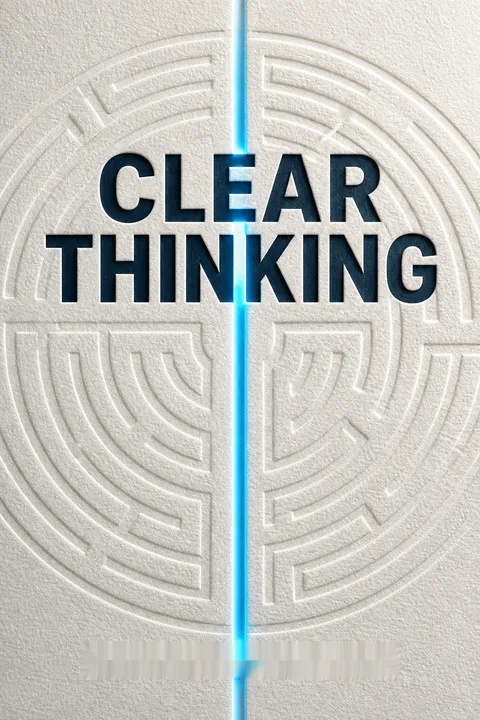

重點摘要
1. 清晰思考需要克服生物本能的預設反應
當我們在會議中對同事做出情緒化的反應時,我們必須事後彌補。當我們做決定是為了證明自己是對的,而不是為了獲得最佳結果時,最終只會留下一堆爛攤子等著收拾。
生物本能會劫持理性。 我們的大腦天生具有一些預設反應,這些反應往往會導致糟糕的決定和令人後悔的行為。其中包括:
- 情緒預設:基於感受而非事實做出反應
- 自我預設:將個人形象置於最佳結果之上
- 社交預設:順從群體規範而非獨立思考
- 慣性預設:抗拒改變並墨守成規
要清晰思考,我們必須識別這些預設反應,並採取策略來克服它們。這包括在刺激與回應之間創造空間、質疑自己的直覺反應,並刻意選擇更理性的行動方案。
2. 自我負責是個人成長的基石
沒有人會像你一樣在乎你的藉口。事實上,除了你之外,根本沒有人在乎你的藉口。
對結果承擔責任。 自我負責意味著坦然面對自己的能力、不足和行為,不找藉口,也不歸咎於外部因素。這種心態對於以下方面至關重要:
- 從錯誤中學習並改進
- 建立他人的信任與尊重
- 賦予自己解決問題的力量,而不是感到無能為力
透過以下方式培養自我負責的精神:
- 專注於你能控制的事情
- 承認錯誤並尋找解決方案
- 將挑戰視為成長的契機
3. 自我認知賦予更好的決策能力
清楚知道自己知道什麼,是你能擁有的最實用的技能之一。
了解你的優勢與局限。 自我認知包括:
- 識別你的能力及其邊界
- 承認自己的盲點和偏見
- 誠實面對自己已知和未知的事物
自我認知的好處:
- 讓你能夠發揮自己的優勢
- 幫助你避免在弱勢領域過度自信
- 能夠更準確地評估風險與機遇
透過以下方式培養自我認知:
- 尋求他人誠實的反饋
- 反思過去的成功與失敗
- 定期評估自己的技能和知識差距
4. 自我控制能實現對情緒和衝動的主宰
自我控制是為了給理性創造空間,而不是盲目地順從本能。
管理情緒以獲得更好的結果。 自我控制讓你能夠:
- 深思熟慮地回應,而不是衝動地做出反應
- 儘管面臨短期不適,仍能專注於長期目標
- 基於理性而非情緒做出決定
培養自我控制的策略:
- 練習正念和冥想
- 建立支持你目標的常規和習慣
- 在做出重大決定前設立「冷靜期」
- 想像你行為的長期後果
5. 自信激發韌性與適應力
自信在於相信自己的能力以及你對他人的價值。
相信自己有能力克服挑戰。 自信能夠:
- 賦予你承擔計算過風險的勇氣
- 幫助你從挫折中重新站起來
- 讓你能夠適應不斷變化的環境
建立自信的方法:
- 設定並達成漸進式的小目標
- 慶祝你的成功,無論多麼微小
- 讓自己身處支持你的人群之中
- 用基於事實的思考來挑戰消極的自我對話
請記住:真正的自信源於能力和自我意識,而非自大或虛張聲勢。
6. 高效決策遵循結構化的流程
決策 = 判斷某個選項是最佳選擇
遵循系統化的方法來做決定。 決策流程包括:
- 明確定義問題
- 探索可能的解決方案
- 根據相關標準評估選項
- 做出判斷並執行所選選項
每個階段的關鍵原則:
- 定義問題:找出根本原因,而不僅僅是症狀
- 探索方案:產生多個選項,避免二元對立思維
- 評估:使用清晰、有助於達成目標的標準
- 執行:建立保障措施以確保貫徹執行
記住在整個過程中要收集高質量的資訊,並警惕可能扭曲判斷的認知偏見。
7. 建立安全邊際以防範不確定性
當安全邊際能夠承受兩倍的最壞情況時,通常就足夠了。
為意料之外的事做好準備。 安全邊際是一種緩衝,它能夠:
- 防範不可預見的負面事件
- 提供適應變化環境的靈活性
- 減輕決策過程中的壓力和焦慮
創造安全邊際的方法:
- 在財務上:保持應急儲蓄,分散投資
- 在時間管理上:為任務和承諾預留額外時間
- 在人際關係上:建立強大的支持網絡
- 在職業生涯上:發展多項技能和收入來源
請記住:未來本質上是不確定的。安全邊際能幫助你以更大的信心和韌性應對這種不確定性。
8. 從決策中學習能改善未來的結果
單次決策的質量並非由結果的優劣來決定。
專注於過程,而不僅僅是結果。 為了有效地從決策中學習:
- 評估決策過程,而不僅僅是結果
- 讓你的思考過程透明化,並樂於接受檢視
- 記錄做出決定時的推導邏輯
- 反思成功與失敗,以找出規律
避免常見的陷阱:
- 以成敗論英雄(Resulting):僅憑結果來評判決策的好壞
- 事後諸葛亮偏見(Hindsight bias):在事情發生後,相信自己「早就知道了」
- 自利偏見(Self-serving bias):將成功歸功於自己,卻將失敗歸咎於外部因素
透過系統性地審視並從決策中學習,你可以磨練自己的判斷力,並改善未來的結果。
9. 優先考慮生命中真正重要的事情以獲得持久的滿足感
智慧需要我們談過的所有要素:克制預設反應的能力、為理性和反思創造空間、使用有助於高效決策的原則和保障措施。但擁有智慧還需要更多。這不僅僅是知道如何得到你想要的東西,還在於知道哪些東西值得去追求——哪些事情真正重要。
專注於有意義的目標。 真正的智慧包括:
- 區分短期享樂與長期滿足
- 讓你的行動與核心價值觀保持一致
- 將人際關係和個人成長置於物質成功之上
識別重要事物的策略:
- 定期進行「人生審視」以評估你的優先事項
- 想像未來的自己回顧你的一生
- 向年長、更有智慧的人尋求建議
- 練習感恩,珍惜你已經擁有的一切
請記住:沒有滿足感的成功是空虛的。努力建立一個充滿意義、連結和目標的人生。
評論摘要
《清晰思考》(Clear Thinking)獲得的大多是正面評價,被讚譽為在決策和思維框架方面提供了實用的智慧。讀者欣賞書中關於克服慣性、管理弱點和提升判斷力的見解。有些人認為這本書缺乏原創性或深度,但也有人認為它是自我提升的寶貴資源。這本書被拿來與《原子習慣》(Atomic Habits)等著作相提並論,並被認為對於擔任領導職務或面臨高風險決策的人士特別有用。許多評論者表示,他們打算在未來重讀或參考這本書。
其他人也在讀







常見問題
What's Clear Thinking about?
- Focus on Decision-Making: Clear Thinking by Shane Parrish emphasizes the importance of making effective decisions in everyday life, transforming ordinary moments into extraordinary results.
- Understanding Defaults: The book identifies various defaults—emotional, ego, social, and inertia—that hinder clear thinking and sound decision-making.
- Practical Frameworks: Parrish provides structured approaches to decision-making, including defining problems, exploring solutions, and evaluating options to improve judgment.
Why should I read Clear Thinking by Shane Parrish?
- Enhance Decision-Making Skills: The book offers a systematic approach to decision-making, crucial for both personal and professional growth.
- Real-World Applications: Insights from high-stakes environments make the lessons applicable to various life situations.
- Overcome Defaults: Strategies are provided to recognize and manage biological and psychological defaults that often lead to poor decisions.
What are the key takeaways of Clear Thinking by Shane Parrish?
- Identify Defaults: Recognizing the four main defaults—emotion, ego, social, and inertia—helps in understanding their influence on decisions.
- Create Space for Reasoning: Emphasizes the importance of pausing to think clearly before reacting, leading to better outcomes.
- Implement Safeguards: Suggests practical safeguards like setting automatic rules and creating supportive environments to manage weaknesses.
What are the best quotes from Clear Thinking by Shane Parrish and what do they mean?
- “Never forget that your unconscious is smarter than you.”: Highlights the power of instincts and biological defaults, urging awareness of their influence.
- “If you find yourself in a hole, the first thing you need to do is stop digging.”: Stresses recognizing worsening situations and reassessing rather than compounding problems.
- “Good judgment is expensive, but poor judgment will cost you a fortune.”: Underscores the value of informed decisions, saving from costly mistakes.
What are the enemies of clear thinking discussed in Clear Thinking by Shane Parrish?
- Emotion Default: Tendency to react based on feelings rather than rational thought, leading to impulsive decisions.
- Ego Default: Instinct to defend self-image, which can cloud judgment and lead to poor decision-making.
- Social Default: Pressure to conform to group norms, stifling independent thinking and creativity.
How does Clear Thinking by Shane Parrish suggest managing weaknesses?
- Build Strengths: Develop personal strengths like self-accountability and self-control to counteract weaknesses.
- Implement Safeguards: Create rules and structures to manage weaknesses, such as avoiding decision-making in unfavorable conditions.
- Recognize Biological Vulnerabilities: Understand how factors like hunger, fatigue, and stress can impair judgment.
What is the decision-making process outlined in Clear Thinking by Shane Parrish?
- Define the Problem: Clearly articulate the problem to ensure understanding before moving to solutions.
- Explore Possible Solutions: Brainstorm various ways to address the problem, considering different perspectives and outcomes.
- Evaluate Options: Assess the feasibility and potential impact of each option before making a decision.
What is the Second-Level Thinking Principle in Clear Thinking by Shane Parrish?
- Long-Term Focus: Encourages looking beyond immediate solutions to consider long-term implications of decisions.
- Example of Application: Illustrated through a case study of a job seeker evaluating options for long-term effects.
- Avoiding Bad Outcomes: Helps identify potential negative consequences not immediately apparent, allowing for informed decision-making.
What is the 3+ Principle mentioned in Clear Thinking by Shane Parrish?
- Explore Multiple Solutions: Suggests generating at least three possible solutions to encourage creativity and prevent binary thinking.
- Enhance Understanding: Forces deeper understanding of the problem, revealing alternatives aligning better with goals.
- Increase Satisfaction: Opens up more possibilities, reducing chances of regret and increasing decision satisfaction.
How does Clear Thinking by Shane Parrish address opportunity costs?
- Understanding Trade-Offs: Emphasizes recognizing opportunity costs—what is forgone when choosing one option over another.
- Three Lenses Framework: Evaluates opportunity costs through "Compared with what?", "And then what?", and "At the expense of what?".
- Real-World Examples: Provides practical examples illustrating how opportunity costs impact decision-making.
How does Clear Thinking by Shane Parrish address the concept of decision fatigue?
- Recognize Decision Fatigue: Discusses how making too many decisions can lead to mental exhaustion, impairing judgment.
- Implement Automatic Rules: Creating rules for common situations reduces decision-making load, conserving mental energy.
- Prioritize Important Decisions: Focus on high-stakes decisions, allowing more time and thought to mitigate decision fatigue effects.
What does Clear Thinking by Shane Parrish say about happiness and decision-making?
- Happiness as a Choice: Highlights that happiness is a conscious choice, empowering control over emotional well-being.
- Long-Term Fulfillment: Effective decision-making should prioritize long-term fulfillment over short-term gains.
- Avoiding Regret: Focus on meaningful relationships and experiences to minimize regrets and enhance overall happiness.
關於作者

下載 PDF
下載 EPUB
.epub digital book format is ideal for reading ebooks on phones, tablets, and e-readers.








































