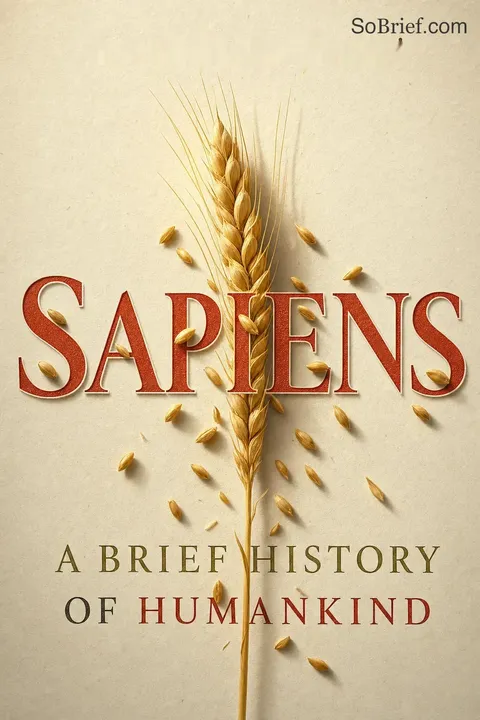

重點摘要
1. 認知革命使智人主宰世界
認知革命約在七萬年前開啟了歷史。約一萬二千年前的農業革命加速了這一進程。科學革命則始於五百年前,可能終結歷史並開啟全然不同的新篇章。
認知飛躍: 認知革命標誌著人類能力的重大轉變。它使智人能夠發展複雜語言、創造共享神話,並靈活地在大規模群體中合作。這種相信集體虛構的獨特能力促成了宗教、國家和經濟體系的誕生。
超越其他物種: 憑藉這些新認知能力,智人迅速遍布全球,競爭並常常取代了其他人類物種如尼安德塔人。他們適應多樣環境,成為地球上的主宰物種。
- 智人的主要優勢:
- 複雜的語言與溝通能力
- 創造並相信共享神話的能力
- 大規模靈活合作
- 快速適應新環境
2. 農業革命徹底改變人類社會,但未必提升個人生活品質
農業革命是歷史上最大的一場騙局。
社會轉型: 約一萬二千年前開始的農業革命,使人類能定居並自行耕種,促成城市、複雜社會結構及文明的發展。
利益存疑: 雖然農業增加了整體人口並推動技術進步,但可能降低了個人生活品質。農夫往往比狩獵採集者更辛苦,飲食也較單一,導致營養不良和新疾病的出現。
- 農業革命的後果:
- 人口密度增加
- 城市與複雜社會的發展
- 社會階層與不平等的出現
- 更易受饑荒與流行病影響
3. 人類的統一透過帝國、貨幣與宗教實現
人類的統一由三大推手促成:貨幣、帝國與傳教宗教。
全球連結: 隨著時間推移,孤立的人類文化開始融合成更大且互聯的社會。這一過程由帝國擴張、普世宗教傳播及貨幣促進的全球貿易網絡推動。
共享信仰: 宗教、民族認同與經濟體系等共享神話與信念,使來自不同背景的人們能大規模合作,促成全球帝國與經濟體系的建立。
- 統一因素:
- 帝國征服與治理
- 普世宗教的傳播(如基督教、伊斯蘭教)
- 標準化貨幣與貿易網絡的發展
- 共享文化與政治認同的創造
4. 科學革命開啟快速進步與全球探索時代
科學革命不是知識的革命,而是無知的革命。啟動科學革命的偉大發現是:人類並不知道最重要問題的答案。
擁抱無知: 科學革命標誌著人類思維的轉變,強調經驗觀察與實驗,取代傳統信仰。這種承認無知並追求新知的態度推動了各領域的快速進展。
全球探索: 科學思維結合技術創新,催生全球探索與殖民時代。歐洲列強憑藉新知識與技術開始主導世界大部分地區。
- 科學革命的關鍵面向:
- 強調實證與實驗
- 科學方法的發展
- 技術與知識的快速進步
- 歐洲的全球探索與殖民
5. 資本主義與信用推動前所未有的經濟成長
這是自由市場資本主義的隱憂:它無法確保利潤的公平獲取與分配。
經濟轉型: 資本主義與信用體系的興起帶來前所未有的經濟成長與技術創新。投資未來收益與承擔風險的能力推動了人類社會多方面的快速發展。
利益不均: 雖然資本主義提升了全球財富總量,但其利益分配不均,常導致剝削與不平等,利潤集中於少數人手中。
- 資本主義經濟特徵:
- 生產資料私有制
- 市場驅動經濟
- 信用體系促進投資與風險承擔
- 快速成長與創新潛力
- 財富集中與不平等傾向
6. 工業革命改變人類社會與全球生態系統
工業革命將時間表與流水線變成幾乎所有人類活動的範本。
社會動盪: 工業革命根本改變人類社會,人口從農村轉向城市,傳統社會結構被改造,催生新型工作、教育與社會組織形式。
環境影響: 伴隨工業化與人口增長,對全球生態系統產生重大影響。人類獲得前所未有的環境改造能力,卻常帶來意想不到的後果。
- 工業革命的影響:
- 城市化與人口結構變化
- 新型勞動與社會組織
- 技術快速進步
- 資源消耗與污染增加
- 全球生態系統顯著改變
7. 現代帶來進步與人類幸福的新挑戰
我們比中世紀祖先更快樂嗎?過去五百年積累的財富是否轉化為新的滿足感?
物質進步: 現代見證科技、醫療與物質財富的空前進步,帶來壽命延長、嬰兒死亡率降低,以及教育與資訊的普及。
心理挑戰: 儘管物質進步,現代人是否比祖先更快樂仍不明朗。新社會壓力、傳統社群瓦解與持續追求成長,帶來新的幸福挑戰。
- 影響現代幸福的因素:
- 健康與壽命改善
- 物質財富與舒適提升
- 傳統社會結構流失
- 新型壓力與心理健康問題
- 持續面對全球議題與衝突
8. 人類正站在透過科技重新定義自身存在的門檻
智人正超越這些限制,開始打破自然選擇法則,取而代之的是智慧設計法則。
科技潛力: 基因工程、人工智慧與奈米技術等領域的進展,賦予人類重塑自身生物與認知的能力。這可能創造新生命形式,或提升人類能力超越現有限度。
倫理考量: 隨著改造自身與世界的能力增強,我們面臨前所未有的倫理問題。巨大利益與災難性風險並存,需謹慎思考如何運用這些新力量。
- 潛在轉型領域:
- 基因工程與設計嬰兒
- 腦機介面與認知增強
- 壽命延長技術
- 人工智慧與自動化
- 環境工程與地球改造
人類歷史是一部不斷變革與適應的故事。從最初使智人與眾不同的認知革命,到重塑社會的農業與工業革命,再到可能重新定義我們本質的當代科技革命,我們持續推進人類意義的邊界。站在可能重塑自身生物與認知的門檻上,我們面臨前所未有的機遇與挑戰。未來數十年的選擇,或將決定不僅是我們物種的命運,更是地球乃至宇宙生命的未來。
評論摘要
人類大歷史:從動物到上帝 評價不一。許多人讚賞其引人入勝的寫作風格、廣泛的涵蓋範圍,以及對人類歷史與發展的深刻思考。讀者欣賞哈拉瑞對農業、宗教和科技等主題的獨特見解。然而,也有人批評本書過於簡化、存在偏見,且某些部分缺乏深度。儘管如此,許多人仍認為此書富有啟發性,並推薦作為了解人類歷史的入門讀物,激發對我們過去、現在與未來的討論。
其他人也在讀










常見問題
What's "Sapiens: A Brief History of Humankind" about?
- Comprehensive history: "Sapiens" by Yuval Noah Harari explores the history of humankind from the emergence of Homo sapiens in the Stone Age to the present day. It examines how our species came to dominate the planet and the impact of our actions on the world.
- Key revolutions: The book is structured around major revolutions: the Cognitive Revolution, the Agricultural Revolution, and the Scientific Revolution. Each revolution significantly altered the course of human history and shaped the modern world.
- Interdisciplinary approach: Harari combines insights from history, biology, anthropology, and economics to provide a broad understanding of human development and the forces that have shaped our societies.
Why should I read "Sapiens" by Yuval Noah Harari?
- Broad perspective: "Sapiens" offers a sweeping overview of human history, providing context for understanding current global issues and the trajectory of human development.
- Thought-provoking insights: The book challenges readers to reconsider commonly held beliefs about human progress, happiness, and the future of our species.
- Engaging narrative: Harari's writing is accessible and engaging, making complex historical and scientific concepts understandable and interesting to a wide audience.
What are the key takeaways of "Sapiens"?
- Human impact: Homo sapiens have had a profound impact on the planet, often at the expense of other species and ecosystems. Our ability to cooperate flexibly in large groups has been a key factor in our success.
- Role of fiction: The ability to create and believe in shared myths and stories has been crucial in uniting large groups of people and enabling complex societies to function.
- Future challenges: As we continue to advance technologically, we face ethical and existential questions about the future of our species and the planet.
How does "Sapiens" describe the Cognitive Revolution?
- Emergence of language: The Cognitive Revolution, occurring around 70,000 years ago, marked the development of complex language, allowing humans to share information and cooperate in unprecedented ways.
- Shared myths: This revolution enabled the creation of shared myths and beliefs, which became the foundation for large-scale social structures and cooperation.
- Cultural evolution: The Cognitive Revolution set the stage for cultural evolution, allowing humans to adapt and thrive in diverse environments through shared knowledge and innovation.
What role does the Agricultural Revolution play in "Sapiens"?
- Transition to farming: The Agricultural Revolution, beginning around 12,000 years ago, saw humans transition from foraging to farming, leading to the establishment of permanent settlements and the rise of civilizations.
- Impact on society: This shift allowed for population growth and the development of complex societies but also led to social hierarchies, increased labor, and a decline in individual well-being.
- Environmental consequences: The Agricultural Revolution had significant environmental impacts, including deforestation, soil depletion, and the domestication of plants and animals.
How does "Sapiens" view the Scientific Revolution?
- Knowledge and power: The Scientific Revolution, beginning around 500 years ago, marked a shift towards empirical observation and experimentation, leading to unprecedented advancements in knowledge and technology.
- Impact on society: This revolution transformed societies, enabling industrialization, globalization, and the rise of modern science and technology.
- Ongoing influence: Harari argues that the Scientific Revolution continues to shape our world, driving technological progress and raising new ethical and existential questions.
What role do imagined orders play in "Sapiens"?
- Foundation of societies: Imagined orders, such as religions, nations, and legal systems, are central to human cooperation and the formation of large societies. They are shared beliefs that exist only in the collective imagination.
- Stability and control: These orders provide stability and control by creating social hierarchies and norms that guide behavior. They enable strangers to cooperate and form complex social structures.
- Flexibility and change: While powerful, imagined orders are not fixed and can change over time. Harari emphasizes that understanding these constructs is key to understanding human history and potential future changes.
How does "Sapiens" address the concept of human happiness?
- Subjective well-being: Harari explores the idea that happiness is subjective and often influenced by expectations rather than objective conditions like wealth or health.
- Historical perspective: The book questions whether historical progress has led to increased happiness, suggesting that modern humans may not be significantly happier than their ancestors.
- Biological factors: Harari discusses the role of biology in happiness, noting that our biochemical systems may limit our capacity for sustained happiness.
What are some of the best quotes from "Sapiens" and what do they mean?
- "The Agricultural Revolution was history’s biggest fraud." This quote highlights Harari's argument that the shift to agriculture led to more work and less satisfaction for individuals, despite increasing the human population.
- "Ever since the Cognitive Revolution, Sapiens have been living in a dual reality." Harari refers to the coexistence of objective reality and imagined realities, such as religions and nations, which shape human societies.
- "There is no way out of the imagined order." This quote underscores the pervasive influence of shared myths and constructs in human societies, suggesting that they are essential for large-scale cooperation.
How does "Sapiens" explore the future of humankind?
- Technological advancements: Harari discusses the potential for genetic engineering, artificial intelligence, and other technologies to fundamentally alter human nature and society.
- Ethical dilemmas: The book raises questions about the ethical implications of these advancements, including issues of inequality, identity, and the definition of what it means to be human.
- Uncertain future: Harari emphasizes the uncertainty of the future, urging readers to consider the long-term consequences of our actions and the kind of world we want to create.
How does "Sapiens" challenge traditional narratives of history?
- Interdisciplinary approach: Harari combines insights from various disciplines to provide a more nuanced understanding of human history.
- Questioning progress: The book challenges the notion that human history is a linear progression towards improvement and highlights the complexities of societal change.
- Reevaluation of myths: Harari encourages readers to reevaluate the myths and narratives that have shaped human societies and consider their impact on the present and future.
關於作者
其他著作: 哈拉瑞






下載 PDF
下載 EPUB
.epub digital book format is ideal for reading ebooks on phones, tablets, and e-readers.








































