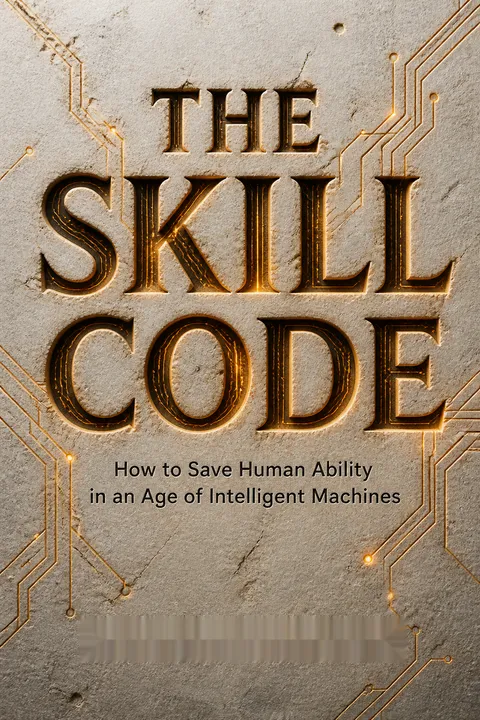

重點摘要
1. 專家與新手的連結對技能發展至關重要
歡迎來到專家與新手的連結——這種關係早於我們所認知的大多數文明。
古老起源。 專家與新手的連結至少已有16萬年的歷史,是人類技能傳承的基石。這種關係以學徒制為典範,對於跨世代傳遞技能與知識至關重要。從古代雕刻家到現代外科醫生,模式始終如一:新手透過與專家並肩工作,在指導下逐步承擔更複雜的任務。
普遍適用。 這種學習方法超越產業與文化界限。無論是木工、助產士,還是高能物理,觀察、實作與教學的過程構成了技能習得的核心。即使在正式教育與線上學習盛行的時代,這種連結仍是培養能在壓力下可靠運用的實務技能的關鍵。
2. 挑戰、複雜性與連結構成技能密碼
就像四種胺基酸是遺傳學的基礎,三個「C」是我們學習最珍貴技能的基本構成要素。
挑戰。 健康的挑戰包含推動學習者達到極限但不至於壓垮他們的任務。這需要一種平衡,使新手能夠完成任務但尚未達到最佳表現,允許小失誤與恢復。這個最佳挑戰點因人因任務而異,因此個別化指導至關重要。
複雜性。 面對複雜性意味著理解任務的更廣泛脈絡。這通常不依賴事先明確的學習,而是透過經驗中的隱性學習。專家扮演關鍵角色,引導注意力聚焦於複雜面向,避免過度解釋,讓新手自行形成理解。
連結。 健康的連結建立在專家與新手間的信任、尊重與關懷之上。這包含彼此的調適、關係的回饋,以及共同調整目標。這種連結不僅促進技能傳承,也提供工作動力與意義。
3. 科技威脅傳統技能培養方式
我們以提升專家生產力為名,將需要學習的工作者排除在外。
生產力與技能。 新科技雖提升生產力,卻常使專家與新手分離。這種分離破壞了傳統的專家-新手連結,限制了新手透過觀察與指導實踐學習的機會。例如,機器人手術讓專家外科醫生能獨立操作,減少了住院醫師的學習機會。
廣泛影響。 這種趨勢不僅限於高科技領域。從投資銀行到倉儲業,科技正重塑工作流程,常使新手遠離複雜任務與專家指導。結果是技能差距擴大,工作者難以發展全面技能,影響職涯晉升與適應力。
- 受影響領域包括:
- 醫療保健
- 金融
- 製造業
- 法律
- 教育
- 科技
4. 影子學習成為突破技能障礙的回應
影子學習者直覺掌握了技能密碼,並找到重新運用的方法,讓他們能在新障礙下持續成長。
非常規方法。 影子學習指在傳統途徑受阻時,透過創意且常帶有規則彈性的方式獲取技能。例子包括醫學住院醫師大量研究手術影片、倉庫工人在非工作時間試驗設備,或初級銀行家逆向解析複雜金融模型。
風險與回報。 雖然影子學習能帶來顯著技能提升,但常伴隨風險。實踐者可能面臨職業後果甚至倫理困境。然而,這些方法也提供了寶貴見解,說明技能發展如何適應不斷變化的科技環境。
- 常見影子學習策略:
- 過早專精
- 數位排練
- 低監督掙扎
- 顛倒的學徒制
5. 發現、發展與部署以重塑技能密碼
我們需要運用技能密碼,建立持久的組織結構系統,如政策、規範、規則、流程與角色,幫助每個人在工作中持續成長技能。
發現。 組織必須投入資源,了解技能密碼在其特定環境中的展現。這包括識別對健康挑戰、複雜性與連結的威脅,以及發掘現有的影子學習實踐。
發展。 根據發現,制定新規則與結構以促進技能培養。可能包括重新調整角色以重建專家與新手的連結、改寫績效指標以獎勵技能發展,以及利用一線員工的專業知識。
部署。 執行至關重要。這涉及積極運用新科技,強化而非阻礙技能發展。需要組織各層級承諾,將技能與生產力同等重視。
- 主要部署策略:
- 堅持尋求同時提升生產力與技能的解決方案
- 促使科技供應商開發以技能為中心的功能
- 培養重視並獎勵技能培養的文化
6. 人工智慧與人類能力融合的未來
為了在智能機器時代拯救人類能力,我們必須打造一個融合體。從現在開始。
數位學徒制。 技能發展的未來在於建立「數位學徒制」基礎設施。這包括利用AI、機器人及其他先進技術,強化而非取代專家與新手的連結。書中描述的SkillNet等平台,能提供個人化、AI輔助的學習體驗,同時保留人際連結。
增強學習。 在此願景中,AI系統與人類協作,提供量身訂做的挑戰,讓學習者接觸適當的複雜性,並促進全球專家與新手的連結。此方法有望普及高品質技能培養機會,跨越產業與地域。
- 數位學徒制系統潛在功能:
- AI驅動的專家與新手配對
- 虛擬實境訓練環境
- 任務執行中即時回饋與指導
- 全球知識分享與協作平台
7. 人人皆有責任守護與提升技能
無論你感覺自己擁有多少權力,你都在迎接這個未來中扮演關鍵角色。
個人責任。 無論你是新手、專家、經理、創業者或政策制定者,都應積極促進健康的技能發展。在工作與學習環境中,主動尋找或創造挑戰、複雜性與連結的機會。
集體行動。 解決技能發展的威脅需要社會各界協同努力。組織需將技能與生產力並重,科技開發者應將技能培養納入設計考量,政策制定者則應投資支持終身學習的基礎建設。
- 不同角色的行動建議:
- 新手:尋求具挑戰性的任務與導師機會
- 專家:積極參與教學與指導,即使非正式要求
- 經理:設計促進專家與新手互動的工作流程
- 創業者:開發強化而非取代人類技能的技術
- 政策制定者:投資技能發展的研究與基礎建設
其他人也在讀







常見問題
What's The Skill Code about?
- Focus on Skill Development: The Skill Code by Matt Beane examines how human skills are cultivated and transferred, especially in the era of intelligent machines.
- Three Key Components: The book highlights challenge, complexity, and connection as essential elements for effective skill development.
- Impact of Technology: It discusses how modern technologies can disrupt traditional skill acquisition pathways by isolating novices from experts.
Why should I read The Skill Code?
- Understanding Modern Work: The book provides insights into the changing dynamics of work due to intelligent technologies.
- Practical Framework: Beane offers a framework for enhancing skill development applicable across various industries.
- Awareness of Challenges: It raises awareness about the potential pitfalls of technology in the workplace and encourages critical engagement with new tools.
What are the key takeaways of The Skill Code?
- Expert-Novice Bond: The relationship between experts and novices is crucial for skill development and knowledge transfer.
- Three Cs of Skill Development: Challenge, complexity, and connection are vital for creating a conducive learning environment.
- Technological Threats: Intelligent technologies can disrupt traditional skill acquisition by separating novices from experts.
What is the expert-novice bond, and why is it important in The Skill Code?
- Foundation of Learning: This bond is a collaborative relationship where novices learn from experts through observation and practice.
- Mutual Benefit: Experts gain assistance, while novices acquire valuable skills and insights.
- Historical Context: Beane uses historical examples to illustrate the enduring significance of this relationship.
How does The Skill Code define the three Cs: challenge, complexity, and connection?
- Challenge: Involves engaging with tasks that push learners beyond their current capabilities, fostering growth.
- Complexity: Refers to understanding the broader context of tasks, enhancing problem-solving abilities.
- Connection: Emphasizes building trust and respect between experts and novices, facilitating effective learning.
How does technology threaten skill development according to The Skill Code?
- Isolation of Novices: Intelligent technologies can create barriers between novices and experts, reducing hands-on learning opportunities.
- Focus on Efficiency: Organizations may prioritize productivity over skill development, leading to a decline in training quality.
- Loss of Informal Learning: Technology can diminish spontaneous interactions crucial for relationship building and knowledge sharing.
What is shadow learning in The Skill Code?
- Definition of Shadow Learning: Refers to informal ways individuals develop skills outside traditional training methods.
- Examples of Shadow Learners: Individuals like Inés and Gerardo enhance their skills despite organizational barriers.
- Importance for Skill Development: Shadow learning allows individuals to adapt and thrive in rapidly changing environments.
What are the best quotes from The Skill Code and what do they mean?
- Adapting Work Practices: “If we want a world where working hard today offers a more skillful tomorrow, we need to do better.”
- Restoring Essential Elements: “Healthy challenge, complexity, and connection are on the ropes, and it’s all our own doing.”
- Resilience of Shadow Learners: “Shadow learners have intuitively worked out the skill code and found a way to rework it so they can keep building skill in spite of new barriers.”
How can organizations foster healthy challenge, complexity, and connection according to The Skill Code?
- Encourage Collaboration: Promote teamwork and mentorship between experts and novices through structured programs.
- Design for Complexity: Include complex tasks in work processes to enhance critical thinking and problem-solving.
- Support Risk-Taking: Cultivate a culture that encourages experimentation and innovative solutions.
What role does technology play in skill development according to The Skill Code?
- Potential for Enhancement: Technology can enhance skill development when used thoughtfully, providing support and resources.
- Risks of Over-Reliance: Over-reliance on technology can lead to deskilling and reduced human interaction.
- Chimeric Systems: Introduces the concept of humans and AI working together to enhance skill development.
How does The Skill Code suggest individuals can take charge of their skill development?
- Embrace Shadow Learning: Engage in informal learning practices to enhance skills outside traditional structures.
- Build Connections: Network and form relationships with mentors and peers for support and guidance.
- Seek Out Challenges: Take on challenging tasks to push limits and develop new skills.
What are some practical strategies for preserving the expert-novice bond in The Skill Code?
- Encourage Collaboration: Organizations should promote collaboration through mentorship programs and team-based projects.
- Foster Open Communication: Create an environment where feedback is encouraged to maintain healthy connections.
- Invest in Training: Emphasize the importance of the expert-novice bond through hands-on learning opportunities.
下載 PDF
下載 EPUB
.epub digital book format is ideal for reading ebooks on phones, tablets, and e-readers.








































