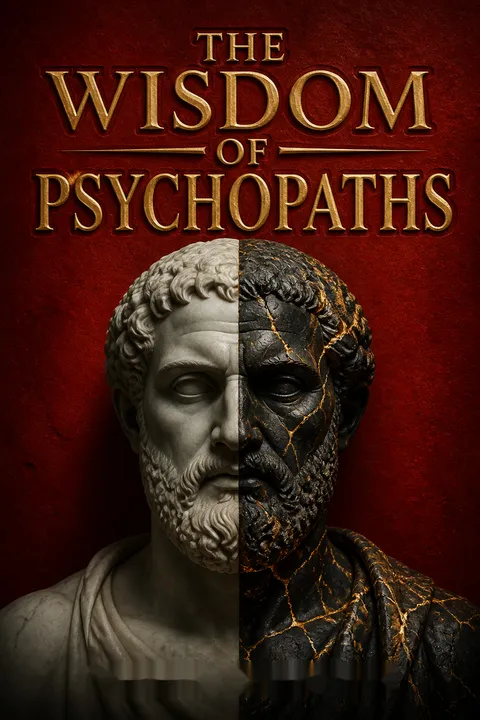
重點摘要
1. 精神病態存在於一個光譜上,兼具黑暗與光明面
「精神病態就像陽光。過度曝曬會以畸形且致癌的方式加速死亡,但在受控且最佳的程度下曝曬,則能對福祉與生活品質產生顯著正面影響。」
精神病態的連續體。 精神病態並非二元狀態,而是存在於一個光譜上。一端是危險的犯罪精神病患者,另一端則是擁有精神病態特質的高度成功人士。大多數人介於兩者之間。
光明與黑暗。 精神病態特質如無畏、魅力與專注,在適度時能帶來正面效益,使人在壓力下保持冷靜並做出大膽決策;但若走向極端,這些特質則會導致冷酷無情與犯罪行為。關鍵在於善用光明面,同時抑制黑暗面。
社會意涵。 隨著社會節奏加快、競爭加劇,適度的精神病態特質可能變得越來越適應環境,但也有使極端精神病態行為正常化的風險。理解精神病態的光譜對於最大化其益處並減少危害至關重要。
2. 精神病態特質在某些職業中能帶來優勢
「你會在任何一個職位與地位賦予你權力與控制他人、並有物質利益機會的組織中找到他們(精神病患者)。」
高風險職業。 精神病態特質如在壓力下的冷靜、魅力與無情的專注,在以下領域是資產:
- 商業/金融
- 法律
- 政治
- 外科手術
- 軍事/執法
企業精神病患者。 研究發現,商業領袖中精神病態特質的比例高於一般人口。他們的魅力、自信與冒險意願能推動他們登上組織頂端。
雙面刃。 雖然精神病態特質能促成成功,但也可能導致不道德行為與傷害他人。挑戰在於培養這些特質的正面面向,同時透過強有力的倫理框架與監督抑制負面衝動。
3. 無畏與專注是精神病態關鍵且具正面潛力的特質
「當情況需要時,他們能像雷射般專注,『不擇手段』完成任務。」
壓力下的泰然自若。 精神病患者在高壓情境中展現出驚人的無畏與專注,使他們能保持冷靜並做出明確決策,而他人可能會驚慌失措。
表現提升。 研究顯示,具精神病態特質者在需要壓力下專注的任務中常優於他人,例如:
- 財務決策
- 危機管理
- 高風險談判
- 戰鬥情境
培養功能性無畏。 雖然精神病患者天生具備此特質,但透過軍事、緊急服務與高階運動等訓練,也能培養部分無畏。關鍵是將無畏與倫理約束及對他人的關懷結合。
4. 精神病患者擅長讀懂並操控他人情緒
「即使是色盲也知道何時該在紅燈前停下。你會驚訝的,我有隱藏的淺灘。」
無同理心的情緒智商。 精神病患者常展現出敏銳的讀懂他人情緒與弱點的能力,但他們用此技巧來操控,而非同理。
魅力操控。 這種情緒敏銳度結合魅力與無焦慮,使精神病患者極具說服力。他們能迅速識別並利用他人的情感需求與不安全感。
潛在應用。 雖常被用於不良目的,但這些技能在以下領域有正面應用:
- 談判
- 銷售
- 治療
- 領導
挑戰在於將情緒智商與真誠關懷他人福祉結合。
5. 缺乏同理心使精神病患者能在壓力下做出無情決策
「我在大手術前會緊張嗎?不,我不會這麼說。但我想這就像任何表演,你得讓自己振作起來。」
情感疏離。 精神病患者缺乏同理心,使他們能在做出艱難決策時不被情緒干擾。這在需要快速且理性選擇的高風險情況中非常有價值。
功利主義式問題解決。 研究顯示,精神病患者較傾向做出功利主義的道德選擇,優先考量整體利益而非個別痛苦,這有時能帶來更有效率但偶爾冷酷的解決方案。
受益於情感疏離的職業:
- 外科手術
- 軍事指揮
- 危機管理
- 分流救治
關鍵在於平衡這種疏離與倫理考量,並在適當時重新喚起同理心。
6. 精神病患者活在當下,不受焦慮或悔恨所累
「一切都很簡單。沒有緊張,沒有戲劇性。只有……空白。」
永恆的當下。 精神病患者展現出驚人的能力,專注於當下,不受過去悔恨或未來焦慮所困擾,能全神貫注於眼前任務。
與正念的相似性。 這種精神病態特質與佛教及現代心理學中的正念練習相似,兩者都強調對當下的非評判性覺察。
優缺點:
- 提升專注與表現
- 降低壓力與焦慮
- 能迅速從挫折中恢復
- 但也可能缺乏長期規劃與從錯誤中學習
培養健康的當下專注。 雖然精神病患者天生如此,其他人也可透過正念練習發展此能力,從而獲得好處而避免缺點。
7. 適度的精神病態特質可能是成功的最佳狀態
「精神病態過高或過低皆可能不適應,介於中間的程度最為適合。」
黃金區域。 研究指出,適度的精神病態特質最為有利。太少會導致過度焦慮與風險迴避,太多則可能引發犯罪與社會功能障礙。
適度的最佳特質:
- 無畏
- 魅力
- 專注
- 抗壓性
- 行動導向
平衡之道。 挑戰在於將這些特質培養到功能性程度,同時保持同理心、倫理與長遠思考。這需要自我覺察與外部的制衡。
選拔的啟示。 商業、執法與軍事等領域或許可從選拔適度精神病態特質者中受益,同時篩除極端精神病態者。
8. 精神病態與靈性覺悟有一些令人驚訝的相似之處
「有證據顯示,在大腦深處,精神病態與聖潔共享秘密的神經辦公空間。」
共同特質。 精神病患者與高度覺悟者如佛教僧侶都展現:
- 當下專注
- 情感疏離
- 無畏
- 非傳統思維
神經學相似性。 研究發現精神病患者與冥想僧侶在大腦活動模式上有相似之處,特別是在情緒處理與自我覺察相關區域。
動機差異。 雖然外在行為相似,但內在動機大相逕庭。精神病患者出於自我利益行動,靈性覺悟者則出於普世慈悲。
啟示。 此連結暗示,某些精神病態特質若結合倫理發展與慈悲,可能促進靈性成長;反之,靈性修行也能引導精神病態傾向走向更正向的方向。
評論摘要
心理變態的智慧一書獲得的評價褒貶不一。部分讀者認為本書頗具洞見,探討了心理變態特質如何在某些職業中發揮正面作用。另一些讀者則批評其結構鬆散,缺乏實用建議。書中討論了心理變態可能帶來的優勢,將心理變態者與成功的專業人士(如企業執行長和外科醫生)進行比較。有些讀者欣賞書中的科學資訊和引人入勝的軼事,但也有人認為作者有美化心理變態之嫌。批評意見包括:用語重複、缺乏女性代表性,以及部分結論值得商榷。整體而言,讀者認為本書發人深省,但建議將其視為趣味讀物,而非自我提升的指南。
其他人也在讀


常見問題
What's The Wisdom of Psychopaths about?
- Exploration of Psychopathy: The book examines the nature of psychopathy, highlighting how traits often associated with psychopaths can be advantageous in fields like business, medicine, and law enforcement.
- Dual Nature: It presents psychopathy as not solely a disorder but as a spectrum where certain traits can be beneficial, suggesting that these traits can be harnessed for success.
- Personal and Societal Insights: Author Kevin Dutton uses personal anecdotes and societal examples to illustrate the complexities of psychopathy in everyday life and its implications for success.
Why should I read The Wisdom of Psychopaths?
- Unique Perspective: The book challenges conventional views by highlighting the potential advantages of psychopathic traits, offering a fresh perspective on human behavior.
- Scientific and Practical Insights: It combines scientific research with practical advice, making complex psychological concepts accessible and applicable to personal and professional life.
- Engaging Narratives: Dutton's storytelling makes the exploration of psychopathy engaging, providing readers with both entertainment and education.
What are the key takeaways of The Wisdom of Psychopaths?
- Spectrum of Traits: Psychopathy exists on a spectrum, with traits that can be either beneficial or harmful depending on the context.
- Functional Psychopathy: Certain psychopathic traits can lead to success in high-pressure environments, such as corporate settings or emergency situations.
- Emotional Detachment: Psychopaths can recognize emotions in others but may lack emotional responses, allowing for decision-making without guilt or fear.
How does The Wisdom of Psychopaths define psychopathy?
- Personality Disorder: Psychopathy is characterized by traits such as superficial charm, lack of empathy, and manipulativeness.
- Emotional Processing Deficits: Psychopaths often have deficits in emotional processing, particularly in areas of the brain like the amygdala, affecting their ability to feel fear and guilt.
- Adaptive Traits: Some psychopathic traits can be adaptive, allowing individuals to thrive in high-stress situations where others might falter.
What is the concept of "functional psychopathy" in The Wisdom of Psychopaths?
- Adaptive Advantage: Functional psychopathy refers to the idea that certain psychopathic traits can be beneficial in specific contexts, such as business or emergency response.
- Risk-Taking Behavior: Individuals with functional psychopathy are often more willing to take risks, which can lead to greater rewards in competitive environments.
- Emotional Detachment: This detachment allows them to make decisions without the emotional weight that might hinder others, enabling clearer, more rational thinking in high-pressure situations.
How does The Wisdom of Psychopaths relate psychopathy to success in business?
- Corporate Psychopaths: Dutton discusses how traits like charm and ruthlessness can lead to success in corporate environments, where competition is fierce.
- Study Findings: Research shows that CEOs often exhibit higher levels of psychopathic traits compared to the general population, suggesting a correlation with leadership effectiveness.
- Risk and Reward: The ability to take calculated risks without fear of failure can give psychopathic individuals an edge in business negotiations and decision-making.
What is the "Seven Deadly Wins" framework in The Wisdom of Psychopaths?
- Core Principles for Success: The framework includes traits like ruthlessness, charm, focus, mental toughness, fearlessness, mindfulness, and action, which can be beneficial when applied in moderation.
- Strategic Application: It encourages readers to assess which traits to amplify or diminish based on their goals, leading to improved decision-making and outcomes.
- Balance is Key: Dutton emphasizes the importance of dialing these traits up or down as needed, avoiding the pitfalls of becoming overly psychopathic or losing one's moral compass.
What role does emotional recognition play in psychopathy according to The Wisdom of Psychopaths?
- Enhanced Recognition: Psychopaths may be better at recognizing emotions in others than non-psychopaths, despite their lack of emotional response.
- Cognitive vs. Affective Empathy: Dutton differentiates between cognitive empathy (understanding emotions) and affective empathy (feeling emotions), noting that psychopaths excel in the former but lack the latter.
- Manipulation Skills: This ability to read emotions can enhance their manipulation skills, allowing them to exploit social situations to their advantage.
How does Dutton connect psychopathy to historical figures and cultural narratives?
- Historical Examples: Dutton references figures like Saint Paul to illustrate how psychopathic traits can lead to significant achievements and societal impact.
- Cultural Narratives: The book discusses how society's perception of psychopathy has evolved, with some traits once viewed negatively now being celebrated in certain contexts.
- Literary Parallels: Dutton draws parallels between psychopathic characters in literature and real-life figures, reflecting deeper truths about human nature and societal values.
What research methods does Dutton use in The Wisdom of Psychopaths?
- Interviews and Case Studies: Dutton incorporates interviews with experts in psychology, law enforcement, and business to provide real-world insights.
- Psychological Assessments: The book references assessments like the Hare Psychopathy Checklist to evaluate psychopathic traits in various contexts.
- Empirical Studies: Dutton discusses findings from empirical research on the relationship between psychopathy, decision-making, and emotional responses.
How does The Wisdom of Psychopaths address the ethical implications of psychopathy?
- Moral Ambiguity: Dutton navigates the complex ethical landscape, suggesting that while certain traits can be beneficial, they can also lead to harmful behavior if unchecked.
- Contextual Ethics: The author emphasizes the importance of context in evaluating the morality of actions taken by individuals with psychopathic traits.
- Call for Balance: Dutton encourages incorporating beneficial traits while maintaining ethical standards, promoting a balanced approach to development.
What are the best quotes from The Wisdom of Psychopaths and what do they mean?
- Perception Shapes Reality: “The mind is its own place, and in itself can make a heav’n of hell, a hell of heav’n.” This underscores how our perceptions shape our reality, central to understanding psychopathy.
- Emotional Detachment: “Just because I don’t care doesn’t mean I don’t understand.” This highlights psychopaths' ability to comprehend emotions without feeling them.
- Strategic Advantage: “To subdue the enemy without fighting is the highest skill.” This reflects the strategic advantage of psychopathic traits in competitive environments.
關於作者
下載 PDF
下載 EPUB
.epub digital book format is ideal for reading ebooks on phones, tablets, and e-readers.








































