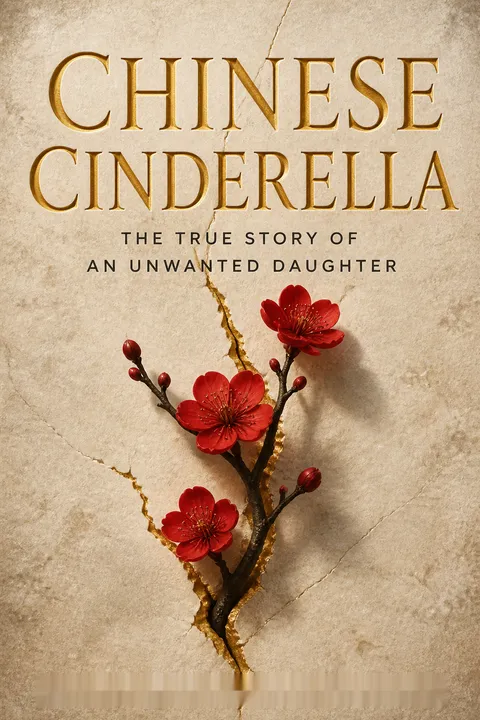

核心要点
1. 被视为不受欢迎的沉重负担
颜阿姨的家人认为她是不祥之人,因为她的母亲在生她时去世。
终生的诅咒。 从出生起,颜阿姨便被家人,尤其是她的兄姐们,贴上了“不祥之人”的标签,缘由是母亲在她出生时去世。这种看法使她的童年充满了严重的歧视与情感忽视,让她始终感到自己不被需要。继母娘更是加剧了这种待遇,使颜阿姨在家中如同局外人般孤立无援。
持续的拒绝。 颜阿姨的存在成了家人怨恨的根源,他们将不幸归咎于她。深层的敌意以各种形式表现出来,从言语辱骂到身体惩罚。缺乏家庭的爱与接纳,成为她早年生活的主旋律,塑造了她对自我的认知和对认可的渴望。
隐形的孩子。 尽管生活在一个庞大且富裕的家庭中,拥有众多亲人和仆人,颜阿姨却感受到深刻的孤独。她常被忽视,需求被无视,父亲和继母几乎不曾正视她的存在。这种情感的空白加剧了她内心的挣扎和对外界认可的执着追求。
2. 残酷与精心算计的控制
你不仅是骗子和小偷,还是个心机深沉的人。你永远不会有出息。
娘的统治。 继母娘对整个家族及五个继子女实行绝对控制。她的残忍是有计划、有目的的,旨在贬低并孤立颜阿姨。娘自己的孩子——四哥和小妹则享受着特权,鲜明地凸显出家庭内部的巨大不平等。
身心双重虐待。 娘的虐待不仅限于心理,还包括身体上的打骂,甚至命令父亲用狗鞭鞭打颜阿姨。她掌控颜阿姨生活的方方面面,从衣着打扮到社交往来,甚至连信件都不放过。这种持续的压迫营造出一种恐惧和焦虑的氛围。
父亲的纵容。 颜阿姨的父亲虽在场,却大多消极被动,默许娘的虐待。他更在意自己的安宁和娘的意愿,常常忘记颜阿姨的名字和生日。他的无作为强化了娘的权力,让颜阿姨感到完全无助和被遗弃。
3. 学业卓越中的避风港
成为班级第一只是对这一点的确认。
寻求认可的道路。 颜阿姨发现,学业成功是她获得认可和短暂自我价值感的唯一途径,尤其是来自疏远的父亲。赢得奖项、名列前茅成了她的“秘密武器”,用以证明自己在这个不断贬低她的家庭中的价值。这种追求卓越赋予了她超越痛苦家庭生活的意义。
通过学习逃离。 学校成为颜阿姨的避难所,一个她感到归属并受到师生尊重的地方。与家中不同,课堂提供了一个结构化的环境,她的聪明才智在这里被赞赏而非嘲笑。这种智力的投入让她暂时逃离了“日常生活的恐怖”。
塑造不同的身份。 通过学习,颜阿姨培养出与“不受欢迎的女儿”标签截然不同的身份。同学们称她为“天才”和“学霸”,与家人的看法形成鲜明对比。这种外界的认可虽脆弱,却对她的自尊和对未来的信念至关重要。
4. 逆境中的盟友
只要我活着,我都会在你身边。你一定知道吧?但你绝不能忘记梦想。
无条件的爱。 颜阿姨的姑妈巴巴和爷爷爷爷是她唯一真正的爱与支持来源。尤其是姑妈巴巴,给予她急需的情感温暖和鼓励,珍视她的成绩单如同珍宝。他们的情谊成为颜阿姨在荒凉生活中的生命线。
指引与信念。 尽管健康日渐衰退、在家中地位下降,爷爷爷爷始终鼓励颜阿姨追求教育,“创造自己的命运”。他灌输她“珍贵且特别”的信念,敦促她“战胜内心的魔鬼”,认清自我价值。他关于中文语言和文化的智慧,赋予她更深的身份认同感。
共同的梦想。 巴巴和爷爷爷爷培育颜阿姨对美好未来的梦想,承诺她独立后与她同住。这一共同愿景给予颜阿姨希望和动力,即使面临被送往孤儿院的威胁。他们对她潜力的坚定信念,是对娘不断贬低的有力反击。
5. 社会孤立的痛苦
我无法告诉任何人真相:娘让我大部分时间感到多么无价值和丑陋;我被责怪为所有不幸的根源,仅仅因为存在而被怨恨;我的心灵被焦虑折磨,时刻承受着末日将至的沉重负担。
隐秘的生活。 颜阿姨被迫在学校维持正常的假象,从不谈及家事,也不接受朋友的邀请。她害怕暴露家中“可悲的真相”,害怕被贴上“不被需要、不被爱的”耻辱标签。这种持续的伪装加重了她的情感负担。
害怕暴露。 生日派对事件中,朋友们跟随她回家,目睹了娘当众羞辱颜阿姨,这打破了她精心构筑的幻象。这一暴露极具创伤性,证实了她对家丑外扬的最深恐惧,凸显了她学校生活与家庭生活之间的巨大鸿沟。
永恒的孤独。 尽管学业优异,赢得同学尊重,颜阿姨却背负着“可怕的孤独”,无处诉说。这种内心的孤立,加上外界对她社交的限制,使她的童年成为孤独的旅程。她渴望连接,却不断被环境阻隔。
6. 兄弟姐妹的背叛与坚韧不拔
我为何哭泣?难道我已对他们的恶意麻木?真正困扰我的是何?他们的背叛和信任的破裂?不完全如此,事情更复杂。
破碎的家庭。 颜阿姨与兄姐的关系充满敌意和背叛,源于他们共同认为她害死了母亲。他们常常联合欺凌她,嘲笑甚至施以身体暴力,尤其是大姐和二哥。这种持续的折磨让她的亲兄弟姐妹更像敌人而非盟友。
恶毒的恶作剧。 一次极其残忍的事件中,兄弟们骗她喝下掺有尿液的橙汁,深深伤害了颜阿姨。这件事以及三哥的纵容,暴露了他们的恶意程度,也凸显了她甚至被最亲近的亲人孤立。令她最难过的是“失去了三哥最善良的部分”。
残酷中的坚韧。 尽管遭受反复的残酷和背叛,颜阿姨的心灵虽受创,却未曾破碎。她依然寻求与施虐者的联系,努力应对痛苦。她的忍耐力和对美好未来的梦想,彰显了她非凡的内在力量和坚韧。
7. 文字的力量与自我发现
对我来说,写作是纯粹的快乐。能以如此简单的方式逃离日常生活的恐怖,让我兴奋不已。
创造的出口。 颜阿姨发现写作是逃避现实和表达自我的强大工具。通过作文和短篇故事,她创造了一个个虚构世界,在那里她强大、被爱且自由,不受现实束缚。这一创作成为她的避风港,帮助她梳理情感,憧憬不同的人生。
寻找自我声音。 在故事中,颜阿姨倾诉了“现实生活中不敢大声说出的所有心声”。她将痛苦与渴望化为故事,成为自己渴望成为的女主角。写作不仅是爱好,更是自我发现的重要途径,帮助她理解内心的感受与愿望。
影响他人。 她的故事引起同学们的共鸣,大家热切阅读并讨论,进一步肯定了她的才华。来自同龄人的积极反馈强化了她对自身能力和文字力量的信心,与家中不断的批评形成鲜明对比。写作成为她价值的有形证明。
8. 希望的曙光与自我决心
你内心深处有珍贵且独特的东西,绝不能被浪费。我一直都知道。你必须证明他们错了!答应我?
爷爷的最后恳求。 爷爷去世后,颜阿姨陷入绝望,但他的遗言深深触动了她。他敦促她“创造自己的命运”,强调她的独特价值和教育的重要性。这最后的激励成为她追梦的强大动力,尤其是参加剧本写作比赛。
意外的胜利。 颜阿姨赢得国际剧本写作比赛,成为转折点,这一公开的认可超越了家人的轻视。父亲宣布她的胜利,终于为她争取到逃离压迫家庭、赴英深造的机会,实现了她最深切的愿望。
开辟新路。 去英国学习不仅是学业机会,更是获得真正自由的契机。这是她自身努力和才华的成果,证明了娘和父亲对她无价值的判断是错误的。这一刻标志着颜阿姨走向自我决定的开始,终于摆脱“不受欢迎女儿”的标签,迈向属于自己的未来。
读者评价
《中国灰姑娘》是一部令人动容的回忆录,激发读者强烈的情感反应。许多人赞赏严马的坚韧不拔,认为她的故事充满激励意义;但也有人批评她显得有些特权意识或抱怨过多。书中细腻描绘了情感虐待与忽视,常被形容为令人心碎的叙述。读者们对书中展现的中国文化与历史背景表示认可,然而部分人觉得其写作风格略显生硬或简单。总体而言,这本书被视为一部关于克服逆境的有力见证,尽管对其质量和主题的评价存在分歧。

常见问题
1. What is "Chinese Cinderella: The True Story of an Unwanted Daughter" by Adeline Yen Mah about?
- Autobiographical account of childhood: The book is an autobiography detailing Adeline Yen Mah’s difficult childhood in China, where she was considered bad luck after her mother died giving birth to her.
- Themes of rejection and resilience: It explores her experiences of neglect, emotional abuse, and discrimination by her family, especially her stepmother, Niang.
- Historical and cultural context: The story is set against the backdrop of significant events in 20th-century China, including the Japanese occupation, World War II, and the Communist revolution.
- Journey to self-worth: Despite adversity, Adeline’s intelligence, academic achievements, and the support of her Aunt Baba help her persevere and eventually find her own path.
2. Why should I read "Chinese Cinderella" by Adeline Yen Mah?
- Inspiring story of resilience: The book offers a powerful message about overcoming adversity, making it relatable and uplifting for anyone who has felt unwanted or marginalized.
- Insight into Chinese culture: Readers gain a deeper understanding of Chinese family dynamics, traditions, and the impact of historical events on personal lives.
- Universal themes: The narrative addresses universal issues such as family, identity, self-worth, and the importance of hope and dreams.
- Emotional and literary impact: Adeline’s storytelling is poignant and evocative, making the book both moving and memorable.
3. What are the key takeaways from "Chinese Cinderella" by Adeline Yen Mah?
- Persistence in adversity: No matter how hopeless circumstances seem, perseverance and belief in oneself can lead to eventual triumph.
- Value of education: Academic achievement and a love of learning can provide a sense of purpose and a means of escape from difficult situations.
- Importance of positive support: Even one supportive figure, like Aunt Baba, can make a significant difference in a child’s life.
- Transforming trauma into strength: Adeline’s story demonstrates how personal suffering can be transformed into creativity, compassion, and courage.
4. Who are the main characters in "Chinese Cinderella" and how do they influence Adeline Yen Mah’s life?
- Adeline Yen Mah (Jun-ling): The protagonist, whose intelligence and determination drive the narrative.
- Niang (Stepmother): The main antagonist, whose cruelty and favoritism create much of Adeline’s suffering.
- Father: Distant and often indifferent, he fails to protect Adeline from mistreatment.
- Aunt Baba: Adeline’s loving aunt, who provides emotional support and encouragement.
- Siblings: Her brothers and Big Sister often join in the neglect or bullying, while her half-siblings are favored by Niang.
5. How does Adeline Yen Mah portray Chinese family structure and culture in "Chinese Cinderella"?
- Patriarchal hierarchy: The family is structured with clear hierarchies, with the father and stepmother at the top and stepchildren at the bottom.
- Preference for sons: The book highlights the traditional preference for male children and the resulting discrimination against daughters.
- Role of tradition and superstition: Customs such as foot-binding, arranged marriages, and beliefs about luck and fate are explored.
- Impact of historical events: The family’s fortunes and dynamics are shaped by war, political upheaval, and changing social norms in China.
6. What are the most significant events in Adeline Yen Mah’s childhood as described in "Chinese Cinderella"?
- Mother’s death and being labeled ‘bad luck’: Adeline’s life is marked from birth by the loss of her mother and the resulting stigma.
- Niang’s arrival and favoritism: The stepmother’s entry into the family brings increased neglect and cruelty toward Adeline and her full siblings.
- Academic achievements: Adeline’s consistent academic success is both a source of pride and resentment within the family.
- Boarding school isolation: She is sent away to boarding schools, often left alone and feeling abandoned, especially during the Communist takeover.
- Winning the playwriting competition: This achievement finally earns her father’s recognition and the opportunity to study in England.
7. How does Adeline Yen Mah use the motif of "Cinderella" in her autobiography?
- Parallels to the fairy tale: Adeline’s life mirrors the Cinderella story, with a cruel stepmother, neglect, and eventual recognition.
- Chinese version of Cinderella: The book includes the story of Ye Xian, the original Chinese Cinderella, drawing cultural connections.
- Symbol of hope: The Cinderella motif represents the possibility of transformation and triumph despite adversity.
- Dedication to unwanted children: Adeline dedicates her story to all unwanted children, reinforcing the universal relevance of the Cinderella archetype.
8. What role does education and academic success play in "Chinese Cinderella" by Adeline Yen Mah?
- Means of validation: Academic achievements are Adeline’s primary way of gaining recognition and self-worth in a hostile family environment.
- Source of hope: Success at school provides her with hope for a better future and a sense of belonging among peers.
- Catalyst for change: Her academic accomplishments ultimately lead to life-changing opportunities, such as studying abroad.
- Contrast with family values: The family’s lack of appreciation for her talents highlights the emotional neglect she endures.
9. How does Adeline Yen Mah depict the impact of historical and political events on her family in "Chinese Cinderella"?
- Japanese occupation and World War II: The family’s movements and fortunes are directly affected by the war and foreign occupation.
- Civil war and Communist revolution: The rise of the Communists leads to upheaval, fear, and the family’s eventual flight to Hong Kong.
- Loss of status and security: Political instability results in financial uncertainty and changes in the family’s social standing.
- Personal isolation: The chaos of the times exacerbates Adeline’s sense of abandonment, especially when left alone in Tianjin.
10. What are the most memorable quotes from "Chinese Cinderella" and what do they mean?
- “Please believe that one single positive dream is more important than a thousand negative realities.” – This quote, from the preface, encapsulates the book’s message of hope and perseverance.
- “To those who were neglected and unloved as children, I have a particular message… each of you has within you something precious and unique.” – Adeline’s dedication to unwanted children emphasizes self-worth despite adversity.
- “Family ugliness should never be revealed in public.” – This reflects the cultural pressure to maintain appearances, even at the cost of personal suffering.
- “Chinese Cinderella is dedicated to you with the fervent wish that you will persist in trying to do your best in the face of hopelessness.” – The author’s encouragement to readers facing similar struggles.
11. How does Adeline Yen Mah’s relationship with Aunt Baba shape her development in "Chinese Cinderella"?
- Source of unconditional love: Aunt Baba is the only adult who consistently supports and believes in Adeline.
- Emotional refuge: Their shared room becomes a sanctuary from the rest of the family’s hostility.
- Encouragement and validation: Aunt Baba celebrates Adeline’s achievements, preserving her report cards as treasures.
- Lasting influence: Aunt Baba’s faith in Adeline’s potential helps her develop resilience and self-confidence.
12. What is the significance of the story of Ye Xian (the original Chinese Cinderella) in Adeline Yen Mah’s autobiography?
- Cultural connection: The inclusion of Ye Xian’s story links Adeline’s personal narrative to a broader Chinese tradition.
- Symbol of hope and agency: Ye Xian’s triumph through her own talents mirrors Adeline’s journey and reinforces the theme of self-empowerment.
- Message from Aunt Baba: The story is shared in a letter from Aunt Baba, serving as a talisman against despair for Adeline.
- Universal resonance: By connecting her life to the Cinderella archetype, Adeline underscores the universality of her experiences and the possibility of transformation for all unwanted children.
下载 PDF
下载 EPUB
.epub digital book format is ideal for reading ebooks on phones, tablets, and e-readers.








































