
情节概要
韦尔顿学院的四大支柱
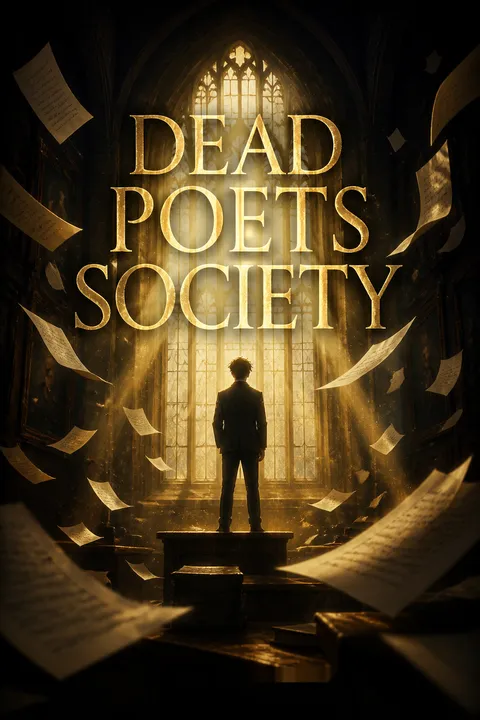
1959年,享有盛誉的男校韦尔顿学院迎来了新学年。学校以四大支柱自豪:传统、荣誉、纪律与卓越。新生托德·安德森深感压力,尤其是在成功哥哥的阴影下。校长盖尔·诺兰强调这四大支柱的重要性,为学校严苛的氛围定下基调。学生中有尼尔·佩里、诺克斯·奥弗斯特里特和查理·道尔顿,他们代表着学校对常春藤盟校的憧憬。新来的英语老师约翰·基廷的到来,预示着学校传统教学方式的转变。
基廷的非传统教学法
新任英语教师约翰·基廷引导学生以不同的思维方式看待世界。他鼓励学生“及时行乐”,让生活变得非凡,激励男孩们独立思考,欣赏诗歌之美。基廷的教学方法别出心裁,比如让学生站在课桌上以获得新视角,这些举措激发了学生们的好奇心和热情。他的教导促使学生质疑韦尔顿的僵化体制,探索自我热情与身份。
死亡诗社
受基廷启发,尼尔·佩里发现了一个名为“死亡诗社”的旧社团。基廷曾是该社成员,社团成员在山洞中聚会,朗诵诗歌,庆祝生命的真谛。尼尔和朋友们,包括托德、诺克斯、查理等,决定重振该社。他们在山洞中诵读诗歌,分享梦想,远离韦尔顿的压力,感受自由与友情。死亡诗社成为男孩们的避风港,让他们表达自我,探索内心真实渴望。
诺克斯的浪漫追求
诺克斯·奥弗斯特里特在一次家庭朋友的晚宴上遇见了克里斯·诺尔,深深被她吸引。尽管克里斯与咄咄逼人的切特·丹伯里交往,诺克斯仍决心赢得她的心。他为克里斯写诗,勇敢表达感情,甚至不惜与切特对峙。诺克斯的追求成为一段勇气与自我发现的旅程,基于基廷“及时行乐”的教诲,追随内心的声音。
尼尔对表演的热情
尼尔·佩里发现自己对表演的热爱,并报名参加邻近亨利厅学校的戏剧试镜。尽管父亲严厉要求他走医学道路,尼尔坚持追随梦想。他获得了《仲夏夜之梦》中的主角,但父亲的反对如影随形。尼尔为争取独立自主、追求热情的斗争成为故事的核心冲突,凸显个人愿望与父母期望之间的张力。
悲剧降临
尼尔的父亲发现他参与戏剧,强令他退出,并威胁送他去军校。尼尔感到无路可走,无法调和梦想与父亲的要求,最终选择结束生命。他的死震惊了韦尔顿,令朋友们痛心疾首,也让人质疑那些导致他绝望的僵化体制。此悲剧警示压抑真实自我和生活在高压期待下的危险后果。
后果与顺从
尼尔自杀后,韦尔顿校方急于寻找替罪羊。死亡诗社被揭露,学生们被迫签署文件,指责基廷对尼尔之死负有责任。查理·道尔顿因拒绝顺从被开除,托德等人则在内疚与背叛老师的压力中挣扎。校方的做法凸显了学校将声誉置于真相与个性之上的倾向。
为基廷挺身而出
基廷被迫离开韦尔顿,托德和同学们面临抉择。在一场充满力量的团结时刻,托德站上课桌,向基廷致敬:“哦,船长!我的船长!”随后,其他学生纷纷加入,挑战诺兰的权威,表达对基廷影响的敬意。这一反抗象征着男孩们接受基廷教诲,决心真实生活,尽管韦尔顿环境压抑。
角色介绍
托德·安德森
托德是韦尔顿的新生,常被哥哥的光环掩盖。起初他内向缺乏自信,但深受基廷教诲影响。通过死亡诗社,托德逐渐找到自我声音和勇气,最终为基廷挺身而出。他的成长历程体现了克服自我怀疑与导师力量的重要性。
尼尔·佩里
尼尔富有魅力且充满激情,热爱表演,却在梦想与父亲的严苛期望间挣扎。参与死亡诗社和戏剧是他追求自由与自我表达的象征。他的悲剧结局揭示了压抑性父母控制的破坏力,以及追随真我之路的重要性。
约翰·基廷
基廷是挑战韦尔顿传统教学的新任英语老师。他鼓励学生独立思考,通过诗歌欣赏生命之美。基廷的非传统方法激励学生探索热情,质疑权威。尽管学校试图压制他,他对学生的影响深远且持久。
诺克斯·奥弗斯特里特
诺克斯是韦尔顿学生,迷恋克里斯·诺尔。受基廷启发,他用诗歌和勇敢行动追求她,克服重重阻碍。诺克斯的经历是一段勇气与自我发现的旅程,体现了“及时行乐”和追随内心的主题。
查理·道尔顿
查理,又名努万达,是个富有魅力且叛逆的学生。他热情拥抱基廷的教导,常挑战权威。查理因发表支持女生入学的文章被开除,体现了反抗精神及挑战现状的代价。
理查德·卡梅伦
卡梅伦重视顺从和学校传统价值,最终向校方告发死亡诗社成员。他的行为反映了个性与顺从的冲突,以及为自保而屈从权威的压力。
盖尔·诺兰校长
诺兰是韦尔顿校长,代表学校僵化价值观。他抵制变革,视基廷教学为威胁。尼尔之死后,诺兰更加强调纪律与顺从,忽视个性与真相。
佩里先生
尼尔的父亲,严厉专制,将自己的抱负强加于儿子。坚持尼尔必须成为医生,忽视其表演热情。佩里先生的不理解和不支持是尼尔悲剧的重要原因,揭示了父母控制的破坏性。
叙事手法
及时行乐(Carpe Diem)
“Carpe Diem”意为“及时行乐”,是故事的核心主题。基廷引入这一理念,鼓励学生充实生活,追求热情。此哲学挑战学校的僵化价值,激励学生挣脱束缚,带来成长与冲突。
死亡诗社
死亡诗社是学生们的秘密社团,成为他们探索诗歌和自我身份的避风港。它象征着对韦尔顿压抑环境的突破,是自我表达与友情的空间。社团的复兴推动了学生的转变,挑战了学校权威。
诗歌
诗歌贯穿全剧,作为探索情感、思想和身份的工具。基廷强调诗歌的重要性,鼓励学生深入思考,真实表达。诗歌成为个人成长的助力,也挑战现状,彰显语言与艺术塑造人生的力量。
分析
《死亡诗社》揭示了韦尔顿学院僵化体制中个性与顺从的矛盾。通过基廷的教导,学生学会质疑权威,追求热情,挑战传统价值。故事强调自我表达的重要性及压抑真实自我的危险。尼尔的悲剧凸显了生活在高压期待下的后果,而学生们最终为基廷挺身而出的反抗,象征其教诲的持久影响。小说提醒我们导师的力量、追梦的重要性,以及为信念勇敢站立的勇气。
其他人还在读




常见问题
Synopsis & Basic Details
What is Dead Poets Society about?
- Challenging Welton's Pillars: At Welton Academy in 1959, new English teacher John Keating inspires his students to challenge the school's rigid traditions of "Tradition, Honor, Discipline, and Excellence."
- Reviving Dead Poets Society: Keating encourages students to think for themselves and appreciate poetry, leading them to revive a secret club, the Dead Poets Society, where they explore their passions.
- Balancing Dreams and Expectations: The students grapple with parental expectations and societal pressures as they strive to "seize the day" and live authentically, leading to both personal growth and tragic consequences.
Why should I read Dead Poets Society?
- Inspiration for Self-Discovery: The novel encourages readers to question societal norms and pursue their passions, promoting self-expression and individuality.
- Exploration of Complex Themes: It delves into themes of conformity, rebellion, the importance of art, and the impact of societal and parental pressures on personal fulfillment.
- Emotional and Thought-Provoking Narrative: The story evokes a range of emotions, from joy and inspiration to sadness and reflection, prompting readers to contemplate their own lives and values.
What is the background of Dead Poets Society?
- 1950s Conformity: The story is set against the backdrop of the late 1950s, a period marked by social conformity and traditional values, particularly in institutions like Welton Academy.
- Emphasis on Academic Excellence: The pressure to succeed academically and gain admission to Ivy League schools reflects the intense competition and high expectations placed on young men during this era.
- Emergence of Counterculture: The seeds of the counterculture movement, which would challenge traditional norms in the 1960s, are subtly present in the students' desire for self-expression and rebellion against authority.
What are the most memorable quotes in Dead Poets Society?
- "Carpe Diem. Seize the day, boys. Make your lives extraordinary.": This quote encapsulates Keating's core philosophy, urging students to live in the present and pursue their passions fearlessly.
- "We don't read and write poetry because it's cute. We read and write poetry because we are members of the human race.": This quote emphasizes the importance of art and self-expression in enriching human existence, beyond practical considerations.
- "O Captain! My Captain!": This quote, a reference to Walt Whitman's poem about Abraham Lincoln, becomes a symbol of respect and admiration for Keating, representing his role as a guiding figure in the boys' lives.
What writing style, narrative choices, and literary techniques does N.H. Kleinbaum use?
- Third-Person Limited Perspective: The narrative primarily follows the experiences and perspectives of the main student characters, allowing readers to empathize with their struggles and triumphs.
- Dialogue-Driven Storytelling: Kleinbaum uses dialogue extensively to reveal character relationships, explore thematic conflicts, and advance the plot, creating a sense of immediacy and realism.
- Symbolism and Imagery: The novel employs recurring symbols, such as the cave, poetry, and the four pillars, to represent broader themes of freedom, self-expression, and societal constraints, enriching the story's meaning.
Hidden Details & Subtle Connections
What are some minor details that add significant meaning?
- Todd's Desk Set: The repeated gift of the desk set symbolizes Todd's feeling of being overlooked and not truly seen by his parents, highlighting his struggle for individual recognition.
- The Achievement Pins on Neil's Blazer: These pins, meticulously arranged by his father, represent the external pressures and expectations placed upon Neil, contrasting with his internal desires.
- The Lighting of Candles Ceremony: The initial ceremony where the "light of knowledge" is passed from old to young foreshadows Keating's role as a catalyst for enlightenment and change within the students.
What are some subtle foreshadowing and callbacks?
- McAllister's Cynicism: McAllister's early warning to Keating about the dangers of encouraging artistic dreams foreshadows the tragic consequences that unfold, highlighting the risks of challenging societal norms.
- Neil's Summer School Chemistry: Neil's mention of attending summer school for chemistry foreshadows his father's rigid control over his academic pursuits and his limited freedom to explore his interests.
- Todd's Initial Reluctance to Speak Up: Todd's initial shyness and difficulty expressing himself foreshadows his eventual powerful outburst and act of defiance at the end of the novel, showcasing his character development.
What are some unexpected character connections?
- Ginny Danburry's Connection to Both Knox and Neil: Ginny's role as Chris's sister and Neil's co-star creates a subtle link between Knox's romantic pursuit and Neil's artistic passion, highlighting the interconnectedness of the boys' lives.
- Mr. Nolan's Past as an English Teacher: The revelation that Nolan was once an English teacher adds a layer of complexity to his character, suggesting a potential disillusionment with the power of literature and self-expression.
- Keating and McAllister's Shared History: The subtle hints of a past connection between Keating and McAllister suggest a shared understanding of Welton's traditions and the challenges of teaching there, despite their differing approaches.
Who are the most significant supporting characters?
- Mr. McAllister: As a voice of caution and realism, McAllister provides a counterpoint to Keating's idealism, highlighting the potential risks and consequences of challenging societal norms.
- Ginny Danburry: Her presence as both a romantic interest and a fellow performer adds depth to the boys' experiences, showcasing the importance of female perspectives and artistic collaboration.
- Neil's Parents: Though not always physically present, Neil's parents, particularly his father, exert a powerful influence on his life, representing the oppressive forces of societal and parental expectations.
Psychological, Emotional, & Relational Analysis
What are some unspoken motivations of the characters?
- Todd's Need for Validation: Beneath his shyness, Todd craves recognition and validation, particularly from his parents, driving his desire to find his voice and express himself.
- Keating's Desire for Redemption: Keating may be seeking to atone for past regrets or missed opportunities by inspiring his students to live authentically, suggesting a personal connection to his teachings.
- Nolan's Fear of Losing Control: Nolan's rigid adherence to tradition stems from a deep-seated fear of losing control and jeopardizing Welton's reputation, motivating his actions against Keating and the Dead Poets Society.
What psychological complexities do the characters exhibit?
- Neil's Internal Conflict: Neil's struggle to reconcile his passion for acting with his father's expectations leads to a deep internal conflict, ultimately contributing to his tragic suicide.
- Todd's Imposter Syndrome: Todd's initial belief that he is not good enough or worthy of attention reflects imposter syndrome, which he gradually overcomes through Keating's encouragement and his own self-discovery.
- Charlie's Need for Attention: Charlie's rebellious antics and adoption of the "Nuwanda" persona may stem from a need for attention and a desire to stand out from the crowd, highlighting his complex relationship with authority.
What are the major emotional turning points?
- Neil's Father Forbidding Him to Act: This moment marks a critical turning point, shattering Neil's hopes and pushing him to despair, ultimately leading to his tragic decision.
- Todd's Yawp Exercise: This exercise represents a breakthrough for Todd, allowing him to overcome his shyness and express his emotions, marking a significant step in his personal growth.
- The Expulsion of Charlie: This event signifies the consequences of challenging authority and the loss of freedom, creating a sense of fear and uncertainty among the remaining Dead Poets.
How do relationship dynamics evolve?
- Keating and Todd: Their relationship evolves from teacher and student to mentor and confidant, with Keating providing Todd with the guidance and encouragement he needs to find his voice.
- Neil and His Father: Their relationship deteriorates as Neil asserts his independence, highlighting the destructive impact of parental control and the lack of communication between them.
- The Dead Poets Society Members: The bonds between the members strengthen as they share their dreams and support each other, but are tested by external pressures and the fear of consequences, leading to betrayal and disillusionment.
Interpretation & Debate
Which parts of the story remain ambiguous or open-ended?
- Keating's True Motives: The extent to which Keating is aware of the potential consequences of his teachings and whether he bears some responsibility for Neil's death remains open to interpretation.
- The Future of the Remaining Dead Poets: The novel leaves the future of the remaining Dead Poets ambiguous, leaving readers to wonder whether they will continue to embrace individuality or succumb to societal pressures.
- The Effectiveness of Keating's Teaching: Whether Keating's methods ultimately benefit his students or cause more harm than good is a subject of debate, as his influence leads to both personal growth and tragedy.
What are some debatable, controversial scenes or moments in Dead Poets Society?
- The Ripping Out of Textbook Pages: This scene can be interpreted as either a liberating act of rebellion against conformity or a reckless disregard for established knowledge and authority.
- Keating's Encouragement of Neil's Acting: Some may argue that Keating's encouragement of Neil's acting is irresponsible, given his knowledge of Neil's father's strict expectations, while others may see it as supporting Neil's right to pursue his passion.
- Cameron's Betrayal: Cameron's decision to inform on the Dead Poets Society is a controversial moment, sparking debate about the ethics of self-preservation versus loyalty to one's friends.
Dead Poets Society Ending Explained: How It Ends & What It Means
- Todd's Initial Hesitation: Todd's initial reluctance to stand on his desk reflects his ongoing struggle with self-doubt and fear of authority, highlighting the lasting impact of societal pressures.
- The "O Captain! My Captain!" Salute: This act of defiance symbolizes the boys' embrace of Keating's teachings and their commitment to living authentically, despite the oppressive environment of Welton.
- Keating's Departure: Keating's departure signifies the loss of a guiding figure and the challenges the boys will face in continuing to live by his teachings in a world that often values conformity over individuality.
下载 PDF
下载 EPUB
.epub digital book format is ideal for reading ebooks on phones, tablets, and e-readers.








































