
核心要点
1. 受欢迎不仅仅是孩子的事,它深刻影响着成年人的生活。
我们的受欢迎程度贯穿一生,常常以我们未曾察觉的方式影响着我们。
超越校园。 虽然我们可能认为受欢迎的巅峰期是在高中,但这种社会动态在职场、社区和社交圈中依然存在。相同的社会等级和被接纳或影响的渴望持续影响着我们的日常互动和人生轨迹。
持久影响。 研究表明,童年的受欢迎程度能预测成年后的重要结果,甚至比智力或家庭背景更具影响力。早期受欢迎与后来的学业成功、更稳固的人际关系和更高收入相关,而不受欢迎则与药物滥用、抑郁和健康问题的风险增加有关。
情感余波。 我们过去受欢迎的情感印记依然伴随我们。回忆起年轻时的社会地位,至今仍能激起强烈情绪,说明我们与受欢迎的关系深深植根于内心,持续影响着自尊、不安全感和整体幸福感。
2. 忘掉“酷”:受欢迎有两种截然不同的类型——地位与受喜爱。
因为实际上,受欢迎并非只有一种形式。
地位与受喜爱。 社会科学将受欢迎分为两大类。地位关乎可见度、影响力、支配力以及被广泛知晓或模仿——这往往是我们高中时所理解的“酷”。而受喜爱则是被真心喜欢、信任,并让他人在你身边感到愉快。
独立维度。 这两种受欢迎在很大程度上是独立的;一个人可能地位很高但不受喜爱(“受欢迎的刻薄孩子”),反之亦然。未能区分这两者,可能导致人们追求错误的受欢迎方式,无法获得真正的满足感。
不同起源。 受喜爱从四岁儿童起就能被理解和重视,纯粹基于谁更受喜欢。而地位则在青春期变得显著,常与支配和权力动态相关,反映了该发展阶段的特征。
3. 追求地位是生物本能,但常带来不幸与问题。
渴望外在目标——名声、权力、过度财富和美貌——往往伴随着不满、焦虑和抑郁。
生来追求地位。 我们的大脑,尤其是腹侧纹状体,天生渴望社会奖励和地位,这种驱动力在青春期尤为强烈。生物学上的这种倾向使我们渴望关注、认可和影响力,将这些外在目标与愉悦感联系起来。
动机磁石。 这种渴望不仅限于直接的社会奖励,还扩展到与高地位相关的财富或美貌,成为“动机磁石”。这种皮层下的驱动力可能让我们在无意识中追求地位相关目标,有时即使这些目标对我们不利。
地位的阴暗面。 尽管地位诱人,但对高地位的无休止追求和获得往往带来负面后果。对成功人士(名人、CEO)的研究显示,他们经历初期的兴奋后,常感到压力巨大、怨恨、对快感上瘾、身份分裂,最终陷入孤独和抑郁。
4. 受喜爱才是真正预测长期幸福、健康与成功的关键。
大量证据表明,受喜爱能预测我们在生活诸多领域的命运。
被喜欢的力量。 与地位不同,受喜爱始终与积极的长期结果相关。研究显示,受喜爱的儿童长大后自尊更高,收入更多,享有更优质的人际关系,身体健康状况也优于不受欢迎的同龄人。
超越其他因素。 即使控制了智力、社会经济地位、心理健康和促成受喜爱的具体行为,受喜爱的益处依然显著。这表明被他人真心接受和信任对我们的生活有直接且积极的影响。
不同的世界。 受喜爱的人生活在一个被善待的世界中,形成积极的反馈循环。他们的正面互动带来更多发展社交技能的机会,进而获得更充实的人际关系和更广泛的成功。
5. 不受欢迎实实在在地伤害我们:社会排斥影响大脑、身体和健康。
最新证据显示,不受欢迎可能危害健康。
社会痛是真实的。 我们的大脑在处理社会痛苦(如排斥或孤立)时,激活的区域(前扣带皮层和前岛叶)与处理身体痛苦的区域相同。这种“社会痛”是强大的警报系统,促使我们避免被排斥,反映了人类进化中对群体归属的生存需求。
生物学后果。 社会孤立或不受欢迎是重大健康风险。研究表明,它预测更高的死亡率,风险与吸烟相当,并增加心脏病和炎症性疾病等多种身体疾病的风险,即使控制了其他健康因素。
细胞层面影响。 社会排斥甚至能改变我们的基因表达,激活与炎症相关的基因(有助于古代伤口愈合),抑制与病毒防护相关的基因。长期不受欢迎可能导致身体的“分子重塑”,使个体更易患与慢性炎症相关的现代疾病。
6. 受欢迎是“回旋镖”:我们的社交行为塑造我们的社交现实。
受喜爱的人生活在与不受欢迎者截然不同的世界。
交易性关系。 我们的社交互动是不断的付出与回报。我们对他人的行为影响他们的反应,进而影响我们后续的行为和感受,形成持续的反馈循环或“交易模型”。
积极连锁反应。 受喜爱的人发起积极的互动——他们合作、乐于助人、友善。这引发他人的积极回应,强化他们的受喜爱程度,提供更多练习和提升社交技能的机会,带来一连串积极体验和成长。
负面循环。 相反,不受欢迎的行为(攻击性、自私、社交尴尬)引发回避或排斥等负面反应,限制了积极社交学习的机会,导致社交技能欠缺,强化对世界的负面看法,使个体陷入不受欢迎和劣势的恶性循环。
7. 高中时期的受欢迎留下持久遗产,塑造成年偏见。
可以说,那些关于受欢迎的旧时冲突正是你成年性格的根基。
青春期蓝图。 青春期大脑发育的关键阶段,尤其是受欢迎的经历,奠定了基础记忆和神经通路。这些早期经历成为模板,影响我们的自动反应,塑造成年性格。
偏见加工。 我们的大脑不断参考这些青春期记忆,以高效处理当下的社交信息。这导致了:
- 线索编码偏差: 我们注意到的社交信息不同(受欢迎者关注积极线索,不受欢迎者关注消极线索)。
- 线索解释偏差: 对模糊社交情境的解读不同(如敌意归因偏差、排斥敏感性)。
- 反应选择偏差: 本能选择的行为不同(如攻击性、被动或亲社会反应)。
无意识影响。 这些偏见自动运作,毫秒间完成,无需意识思考。虽然高效,但若根植于负面经历,可能导致误解和不适应行为,使我们无意中重复青春期的社交模式。
8. 社交媒体放大了对地位的追求,往往以牺牲受喜爱为代价。
归根结底,我们对线上生活的关注,更多应关注其对文化的整体影响,而非仅仅对个体的影响。
“点赞”经济。 社交媒体平台建立在追求可见度和社会奖励(“点赞”、粉丝、病毒式传播)之上,直接激发我们对地位的生物驱动。这营造了一个被众人看到和认可极具强化作用的环境。
地位胜于实质。 对粉丝和点赞的追求促进了地位导向的行为。它鼓励展示理想化的自我,寻求关注,优先考虑可见度而非真实连接,可能模糊了文化中地位与受喜爱的界限。
价值观受损。 网络上对受欢迎的强调可能影响我们的判断,使得挑衅或有争议的内容因受欢迎而显得更可接受。这表明追求地位可能削弱我们区分善恶的能力,使受欢迎成为衡量价值的主要标准。
9. 父母影响受欢迎,但安全依恋与社交指导更为关键。
父母能通过多种方式影响孩子的受欢迎程度。
超越基因。 虽然基因(如外貌或气质)有影响,父母通过营造的社交环境和养育方式显著影响孩子的受喜爱程度。亲子关系是社交技能的主要训练场。
依恋重要。 婴儿期安全的亲子依恋预示着未来更高的受欢迎度和社交成功。敏感、回应及时且能安抚孩子的父母,提供了促进健康社交探索和互动的安全基地。
指导与示范。 父母是关键的社交教练,教导孩子如何互动、分享、合作和解决冲突。通过示范积极社交行为和讨论社交情境,帮助孩子发展情商和成为受欢迎的同伴。然而,过度干预或过度保护可能阻碍孩子的社交发展。
10. 我们可以选择真正重要的受欢迎类型:优先受喜爱。
事实证明,我们一直知道的答案是:让我们最幸福的,是被人喜欢。
有意识的选择。 尽管有生物驱动和过往经历,我们有能力选择优先追求哪种受欢迎。地位或许带来短暂的社会奖励,但数十年研究证实,真正的幸福和满足源于受喜爱。
转变焦点。 优先受喜爱意味着关注促进连接和信任的行为:合作、助人、真诚关心、促进和谐,让他人感到被重视。它是通过善意融入群体,而非通过支配脱颖而出。
重写过去。 通过有意识地选择受喜爱的行为,我们启动积极的交易循环。这些新互动创造积极的社交记忆,逐步覆盖青春期的负面偏见,构建基于相互尊重和真诚连接的社交现实,带来更幸福、更充实的人生。
读者评价
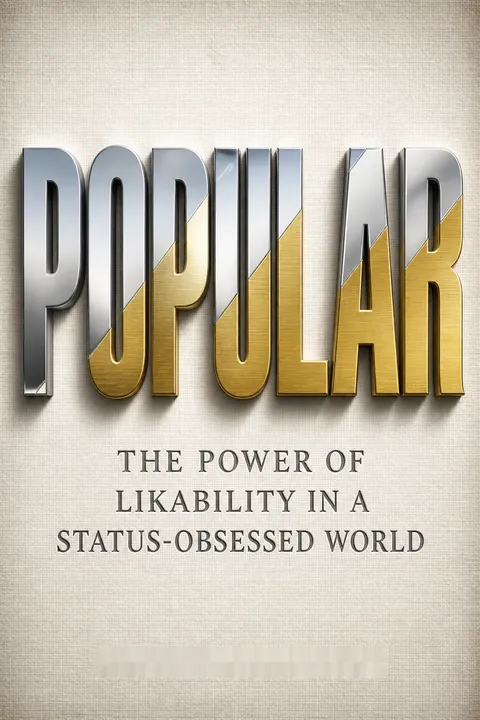
《受欢迎》一书探讨了受欢迎的心理学,区分了基于地位的受欢迎与基于喜爱的受欢迎。读者普遍认为本书内容丰富,结合了有趣的研究和轶事,尽管部分读者觉得内容有些重复,缺乏具体可行的建议。作者关于童年时期受欢迎程度如何影响成年生活的论述,引起了许多人的共鸣。一些读者赞赏其通俗易懂的写作风格和育儿见解,另一些则批评书中带有浓厚的美国视角,且结论过于简单。总体来看,读者认可本书对社会动态的独到见解,但对其深度和实用性评价不一。
常见问题
What’s Popular: The Power of Likability in a Status-Obsessed World by Mitch Prinstein about?
- Explores popularity’s impact: The book investigates how popularity shapes our lives from childhood through adulthood, affecting self-esteem, relationships, careers, and health.
- Distinguishes two popularity types: It explains the difference between status-based popularity (visibility, dominance) and likability-based popularity (being trusted and liked).
- Scientific and personal insights: Drawing on psychology and neuroscience, Prinstein reveals why popularity matters and how it influences our social world.
- Long-term consequences: The book shows that popularity’s effects extend far beyond adolescence, shaping adult behaviors and well-being.
Why should I read Popular: The Power of Likability in a Status-Obsessed World by Mitch Prinstein?
- Understand lifelong social dynamics: The book reveals how popularity continues to influence happiness, health, and success throughout life.
- Clarifies misconceptions: Prinstein helps readers distinguish between the fleeting rewards of status and the lasting benefits of likability.
- Practical relevance: The book offers actionable advice for parents, educators, and professionals to foster healthier social environments.
- Grounded in research: Written by a leading psychologist, it provides credible, research-backed insights into social behavior.
What are the two types of popularity in Popular by Mitch Prinstein, and how do they differ?
- Status-based popularity: Linked to dominance, visibility, and influence, this type often emerges in adolescence and can involve aggression or risky behaviors.
- Likability-based popularity: Rooted in being genuinely liked, trusted, and accepted, this form is associated with cooperation, empathy, and long-term well-being.
- Distinct but overlapping: Only about 35% of high-status individuals are also highly likable, highlighting the importance of distinguishing between the two.
- Long-term outcomes: Likability predicts happiness and success, while status can lead to loneliness and dissatisfaction.
How does adolescent popularity shape adult life, according to Popular by Mitch Prinstein?
- Lasting brain impact: Adolescent social experiences influence brain development, especially in areas processing social information.
- Automatic social biases: Early popularity or rejection creates unconscious biases in how adults interpret and respond to social cues.
- Predicts adult outcomes: Childhood and teen popularity or rejection can forecast adult mental health, career success, and social functioning.
- Enduring social patterns: The social roles and behaviors established in adolescence often persist into adulthood.
What is the “transactional model” of popularity in Popular by Mitch Prinstein?
- Reciprocal social exchange: The model describes how our behavior shapes how others treat us, which in turn influences our future actions and social experiences.
- Self-fulfilling cycles: Positive behaviors can create upward spirals of acceptance, while negative behaviors can reinforce rejection and unpopularity.
- Early onset: These patterns begin in childhood and adolescence, affecting long-term social outcomes.
- Potential for change: Small, conscious changes in behavior can initiate new, positive social cycles.
How does popularity affect health and well-being in Popular by Mitch Prinstein?
- Social connection boosts survival: Larger social networks are linked to a 50% increased chance of survival, rivaling or exceeding other health factors.
- Stress and cortisol regulation: Social rejection disrupts the body’s stress response, leading to health problems, while supportive relationships help regulate it.
- Social pain and biology: Rejection activates brain regions tied to physical pain and alters gene expression related to inflammation and immunity.
- Long-term health impact: The quality of our social connections has profound effects on both mental and physical health.
What are the main problems with pursuing status-based popularity in Popular by Mitch Prinstein?
- Aggression and bullying: Status is often maintained through proactive aggression, which harms others and perpetuates unhealthy social hierarchies.
- Celebrity overvaluation: Society’s focus on status leads to irrational behaviors, such as following celebrity opinions over experts.
- Mental health risks: High-status individuals often experience loneliness, addiction, and dissatisfaction despite their visibility.
- Cultural amplification: Media and social media intensify the desire for status, sometimes at the expense of genuine connection and well-being.
How does the brain drive our desire for popularity, according to Popular by Mitch Prinstein?
- Reward system activation: The ventral striatum, a key brain region, becomes highly sensitive to social rewards like status and approval, especially in adolescence.
- Motivational networks: Brain circuits translate social rewards into motivation, driving us to seek popularity even unconsciously.
- Reflected appraisal: Adolescents and adults build self-esteem based on perceived social approval, making popularity central to identity.
- Neuroscience of social behavior: The book explains how our brains are wired to seek social acceptance and avoid rejection.
What role does social media play in popularity, as discussed in Popular by Mitch Prinstein?
- Amplifies status seeking: Platforms like Instagram and Facebook provide instant feedback, activating the brain’s reward systems.
- Risks of comparison: Excessive use for social comparison and feedback-seeking is linked to depression and reduced social skills, especially among those already unpopular.
- Superficial connections: Social media often promotes status over genuine likability, encouraging shallow interactions.
- Cultural shift: The book warns that social media can distort values, making status more important than meaningful relationships.
How can parents and educators foster likability-based popularity, according to Popular by Mitch Prinstein?
- Focus on likability: Encourage children to develop social skills that foster genuine likability, such as empathy and cooperation, rather than chasing status.
- Prevent bullying: Recognize and intervene in proactive aggression used to gain status, promoting healthier peer dynamics.
- Teach social skills: Provide coaching and opportunities for children to practice communication, emotional regulation, and conflict resolution.
- Supportive environment: Secure attachments and warm, responsive interactions at home lay the foundation for likability.
What are common social information processing biases related to popularity in Popular by Mitch Prinstein?
- Cue encoding bias: People focus on social cues that match their past experiences—popular individuals notice positive cues, while unpopular ones focus on negative or exclusionary signals.
- Cue interpretation bias: Ambiguous social information is interpreted differently based on social history, with unpopular people more likely to perceive hostility or rejection.
- Response bias: These biases shape how people react, with popular individuals seeking harmony and unpopular individuals more prone to aggression or withdrawal.
- Self-reinforcing patterns: These biases can perpetuate cycles of popularity or unpopularity over time.
What are the key takeaways and best quotes from Popular: The Power of Likability in a Status-Obsessed World by Mitch Prinstein?
- Popularity’s dual nature: Likability, not status, is the key to long-term happiness and success.
- Adolescent legacy: Early social experiences shape adult brain function, perceptions, and behaviors, often unconsciously.
- Active change is possible: Understanding these dynamics empowers individuals to break negative patterns and prioritize likability.
- Memorable quotes: “Anyone who is popular is bound to be disliked.” (Yogi Berra) and “Popularity is an intrinsically untrustworthy dance partner—it could leave you at any time.” These highlight the paradoxes and instability of status-based popularity.
- Social media caution: The book urges mindful use of social media to avoid prioritizing status over genuine connection.
下载 PDF
下载 EPUB
.epub digital book format is ideal for reading ebooks on phones, tablets, and e-readers.








































