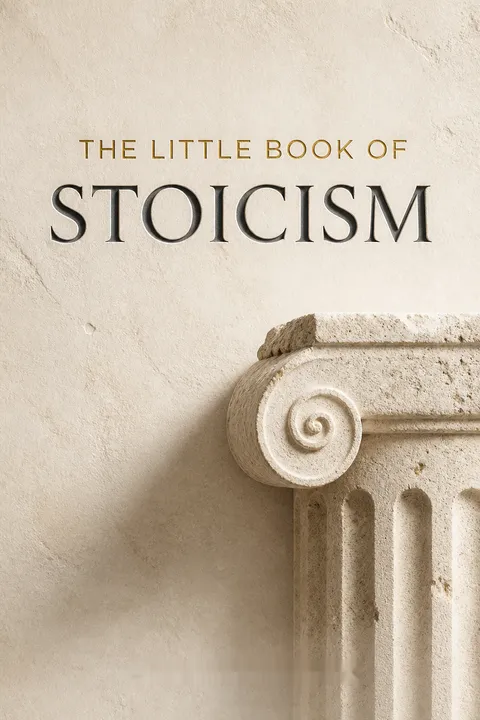
核心要点
1. 拥抱斯多葛主义:坚韧与幸福的哲学
“斯多葛主义让我们承担责任,剥夺了我们不活出最好人生的任何借口。”
核心原则。 斯多葛主义是一种古老哲学,教导我们即使面对逆境,也能活出极致幸福与顺畅的人生。它强调培养情绪韧性、修养美德与保持内心宁静。斯多葛幸福三角揭示了核心原则:以arete(展现最高自我)生活,专注于可控之事,并为自身的成长承担责任。
实践应用。 斯多葛主义不仅是理论,更是日常生活中的实用哲学。它提供工具与方法,帮助我们勇敢面对挑战,理性决策,保持内心平和。通过践行斯多葛哲学,我们能以更平衡的视角看待人生起伏,获得更深的满足与成长。
2. 专注于你能掌控的事
“有些事在我们掌控之中,有些则不在。”
控制的二分法。 斯多葛学派强调区分可控与不可控之事的重要性。我们的思想、判断与行为在掌控之中,而外部事件、他人看法及物质财富则不然。专注于可影响的事,避免浪费精力于徒劳无功,减少不必要的压力与焦虑。
接受与行动。 这一原则鼓励我们接受外界环境的本来面貌,同时对自身的反应负责。与其抱怨不可控的境遇,不如将精力投入于善用现有条件。此心态转变使我们能采取建设性行动,保持内心平静,无论外界如何变迁。
3. 修养美德,视其为最高善
“品格胜于美貌。”
四大基本道德。 斯多葛主义提出四大美德:智慧、公正、勇气与自律。它们是决策与美好生活的指导原则。努力体现这些品质,我们能塑造坚强品格,获得独立于外界环境的内心满足。
以arete生活。 arete意指卓越,鼓励我们在每一刻展现最好的自己。这意味着行动与价值观一致,不断自我提升。专注于培养美德与追求卓越,我们能找到不依赖外在回报的目标感与满足感。
4. 练习负面想象
“我们常被恐惧所扰,受伤却少;想象的痛苦胜过现实。”
为逆境做准备。 负面想象是提前设想可能的挑战或失落。这一练习帮助我们珍惜现有,心理上为潜在挫折做好准备。经常思考最坏情形,能减轻对未来的焦虑,增强面对困难时的韧性。
感恩与视角。 此法亦促使我们感恩,提醒我们珍惜常被忽视的事物。它帮助我们以更平衡的视角看待当前问题,使其不再显得难以承受。负面想象的常规练习能带来更深的满足感与对人生挑战的理性态度。
5. 接受并热爱所发生的一切
“不要期望事情如你所愿,而要愿事情如其所是,如此人生方能顺遂。”
爱命运(Amor fati)。 斯多葛理念“爱命运”鼓励我们不仅接受所发生的事,更要全心拥抱。采纳此心态,我们能在最艰难的境遇中发现成长与学习的机会。此态度减少对现实的抗拒,而抗拒常是痛苦的根源。
重新诠释挑战。 不将困难视为不公或负担,而看作品格的考验或美德的练习机会。此视角转变能改变我们对逆境的体验,使我们在顺境与逆境中皆能保持内心平和。
6. 将障碍转化为机遇
“阻碍行动的正是推动行动的力量。阻碍之物即是道路。”
成长心态。 斯多葛对障碍的态度是将其视为成长与提升的机会。面对挑战不气馁,而是将其看作锻炼美德、培养韧性、变得更强的契机。此心态让我们在最艰难的境况中也能发现价值。
创造性解决问题。 通过将障碍视为机遇,我们打开了创造性解决方案的大门。此方法鼓励寻找替代路径与创新方式克服难题。它改变了我们与困难的关系,使其从挫折源转变为个人与职业发展的催化剂。
7. 克服负面情绪
“扰乱我们的不是发生的事,而是对事的看法。”
认知重构。 斯多葛教导我们情绪主要由对事件的判断决定,而非事件本身。通过审视并质疑初始反应,我们能更好地掌控情绪。这包括质疑解读的合理性,考虑其他可能的视角。
实用技巧。
- 在强烈情绪反应前暂停
- 客观分析情境
- 判断事件是否在掌控范围内
- 选择符合价值观与美德的回应
通过练习这些技巧,我们能减轻负面情绪的影响,保持更平衡理性的心态。
8. 专注当下
“脱下参议员的袍子,穿上粗布衣,扮演那个角色。”
活在当下。 斯多葛强调活在当下的重要性。专注于此时此刻,避免对未来的忧虑或对过去的沉思。此练习使我们全身心投入当前任务与人际关系,提升效率与满足感。
实用正念。
- 定期觉察感官体验
- 关注呼吸或身体感受
- 不带评判地观察思绪
- 全情投入当前活动
这些练习帮助培养对当下的觉知,减轻压力,提升应对生活挑战的能力。
9. 以善意与理解对待他人
“只要有人存在,善意的机会便存在。”
普遍人类情谊。 斯多葛提倡所有人皆为更大共同体的一部分,应受到尊重与善待。这种观点鼓励我们对他人怀有同理心与理解,即使对方曾伤害我们。以善意待人,不仅促进社会和谐,也提升自身美德。
宽恕与慈悲。 斯多葛认为不公正行为源于无知而非恶意。此理解使我们以慈悲而非愤怒回应不义。通过宽恕与理解他人动机,我们能保持内心平和,甚至积极影响他人。
10. 定期反思与检视进步
“我每日利用此机会,在自己的法庭上陈述案情。当光明消逝,妻子沉默,因她已习惯,我便审视整日所为所言。”
自我审视。 斯多葛强调定期自我反思的重要性。此习惯包括每日结束时回顾思想与行为,检视何处践行原则,何处有所不足。诚实的自我评估是个人成长与道德提升的关键。
持续改进。
- 庆祝成功与进步
- 识别改进空间
- 设定未来行为目标
- 适时调整策略
将自我反思作为日常习惯,我们能不断完善品格,从经验中学习,稳步迈向更好的自己。
其他人还在读





常见问题
What's "The Little Book of Stoicism" about?
- Overview of Stoicism: "The Little Book of Stoicism" by Jonas Salzgeber provides a comprehensive introduction to Stoic philosophy, focusing on its practical application in modern life.
- Core Principles: The book outlines the core principles of Stoicism, such as living with virtue, focusing on what you can control, and taking responsibility for your own happiness.
- Practical Guidance: It offers 55 Stoic practices to help readers apply Stoic principles in everyday situations, enhancing resilience, confidence, and calmness.
- Historical Context: The book also includes a brief history of Stoicism and profiles of key Stoic philosophers like Seneca, Epictetus, and Marcus Aurelius.
Why should I read "The Little Book of Stoicism"?
- Practical Philosophy: The book provides practical advice on how to live a fulfilling life by applying Stoic principles to everyday challenges.
- Emotional Resilience: It teaches how to build emotional resilience, helping you remain calm and composed in the face of adversity.
- Self-Improvement: By focusing on self-improvement and personal growth, the book encourages readers to become the best version of themselves.
- Timeless Wisdom: The Stoic philosophy offers timeless wisdom that is still relevant and applicable in today's fast-paced world.
What are the key takeaways of "The Little Book of Stoicism"?
- Eudaimonia: The ultimate goal of life is to achieve eudaimonia, a state of flourishing and happiness through living in harmony with your highest self.
- Focus on Control: Concentrate on what you can control—your thoughts and actions—and accept what you cannot control with equanimity.
- Virtue as a Guide: Live with areté, or virtue, by expressing your highest self in every moment and aligning your actions with deep values.
- Responsibility for Happiness: You are responsible for your own happiness, and external circumstances should not dictate your well-being.
What is the Stoic Happiness Triangle?
- Core Concept: The Stoic Happiness Triangle is a framework introduced by Salzgeber to simplify the core principles of Stoicism.
- Three Corners: It consists of living with areté (virtue), focusing on what you control, and taking responsibility for your own happiness.
- Eudaimonia at the Center: At the center of the triangle is eudaimonia, representing the ultimate goal of a happy and smoothly flowing life.
- Practical Application: The triangle serves as a visual guide to help readers understand and apply Stoic principles in their daily lives.
How does "The Little Book of Stoicism" define eudaimonia?
- Ultimate Goal: Eudaimonia is defined as the ultimate goal of life, representing a state of flourishing and happiness.
- Harmony with Self: It involves living in harmony with your inner daimon, or highest self, by expressing your full potential.
- Moment-to-Moment Actions: Achieving eudaimonia requires aligning your moment-to-moment actions with your ideal self.
- Beyond Temporary Happiness: Unlike fleeting emotions, eudaimonia refers to the overall quality of life and a continuous state of thriving.
What are some practical Stoic practices from the book?
- Negative Visualization: Practice foreseeing potential challenges to prepare yourself emotionally and reduce the impact of unexpected events.
- Voluntary Discomfort: Occasionally put yourself in uncomfortable situations to build resilience and appreciate what you have.
- Morning and Evening Routines: Start your day with a Stoic morning routine to prepare for challenges and end with an evening review to reflect on your actions.
- Role Models: Keep a role model in mind, like the Stoic Sage, to guide your actions and decisions.
How does "The Little Book of Stoicism" suggest handling negative emotions?
- Acknowledge Emotions: Recognize and acknowledge your emotions rather than suppressing them, understanding their causes.
- Tame Emotions: Learn to tame and redirect emotions for your own good, rather than letting them dictate your actions.
- Freedom of Choice: Use the freedom of choice to decide how to respond to emotions, maintaining control over your reactions.
- Tranquility as a By-Product: Practicing Stoicism leads to tranquility, a calm confidence that arises from living in harmony with your values.
What is the Stoic view on control and acceptance?
- Dichotomy of Control: Stoicism emphasizes focusing on what you can control—your thoughts and actions—and accepting what you cannot control.
- Acceptance of Reality: Accept external events as they are, without resistance, and make the best of the given circumstances.
- Process Focus: Concentrate on the process and effort rather than the outcome, which is often beyond your control.
- Equanimity: Cultivate equanimity by maintaining a balanced mind and not being disturbed by external events.
How does "The Little Book of Stoicism" address the concept of virtue?
- Definition of Areté: Virtue, or areté, is defined as expressing the highest version of yourself in every moment.
- Four Cardinal Virtues: The book highlights wisdom, justice, courage, and self-discipline as the four cardinal virtues to strive for.
- Character Development: Virtue is about developing a strong character and taking honorable and praiseworthy actions.
- Virtue as the Highest Good: In Stoicism, virtue is the highest good and is sufficient for achieving a happy and fulfilling life.
What are the best quotes from "The Little Book of Stoicism" and what do they mean?
- "The impediment to action advances action. What stands in the way becomes the way." - Marcus Aurelius: This quote emphasizes turning obstacles into opportunities for growth.
- "If you want anything good, you must get it from yourself." - Epictetus: It highlights the Stoic belief in self-reliance and personal responsibility for happiness.
- "Waste no more time arguing about what a good man should be. Be one." - Marcus Aurelius: This quote encourages taking action and embodying virtue rather than just discussing it.
- "Men are disturbed not by the things which happen, but by the opinions about the things." - Epictetus: It underscores the importance of perception and judgment in determining emotional responses.
How does "The Little Book of Stoicism" suggest dealing with challenging people?
- View as Relatives: Treat others as relatives and work together for the common good, recognizing our interconnectedness.
- Forgive and Understand: Understand that people do not err on purpose and forgive their mistakes, showing compassion.
- Lead by Example: Demonstrate virtuous behavior and lead by example, rather than reacting with anger or judgment.
- Pity Rather than Blame: Pity those who do wrong, recognizing their lack of wisdom, and respond with kindness and patience.
What historical context does "The Little Book of Stoicism" provide about Stoicism?
- Origins of Stoicism: The book traces the origins of Stoicism to Zeno of Citium, who founded the philosophy in Athens around 301 BCE.
- Influential Philosophers: It profiles key Stoic philosophers like Seneca, Musonius Rufus, Epictetus, and Marcus Aurelius, whose writings form the foundation of Stoicism.
- Roman Influence: Stoicism became popular in Rome, influencing both the rich and the poor, and was practiced by notable figures like the Roman Emperor Marcus Aurelius.
- Decline and Revival: The book discusses the decline of Stoicism after the rise of Christianity and its modern revival through authors like Ryan Holiday and Donald Robertson.
下载 PDF
下载 EPUB
.epub digital book format is ideal for reading ebooks on phones, tablets, and e-readers.








































