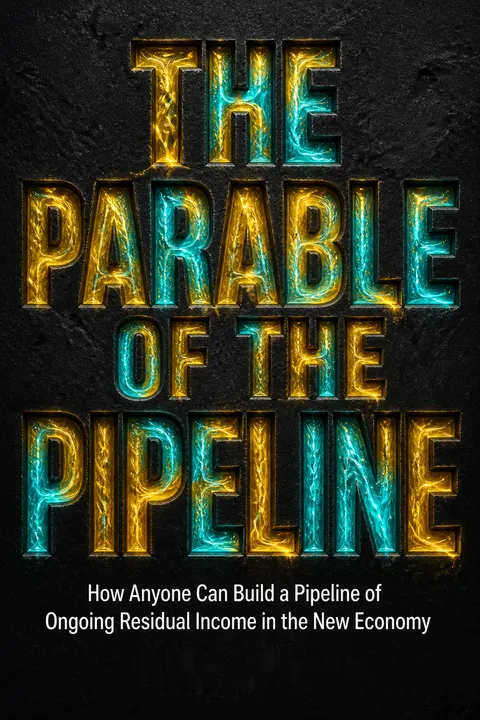
核心要点
1. 水桶搬运工与管道建设者:选择通往财务自由的道路
“巴勃罗计划在全球建造管道!”
水桶搬运工用时间换取金钱,追求即时回报,却缺乏长期保障。他们包括:
- 按小时计酬的工人
- 固定薪资的员工
- 自营职业者
管道建设者则打造能持续产生收入的系统,即使不亲自工作也能赚钱。比如:
- 企业主
- 投资者
- 知识产权创造者
两者的关键区别在于心态:水桶搬运工关注短期收益,管道建设者则重视长期、可持续的收入来源。只有从搬运水桶的思维转变为建设管道的思维,才能实现持久的财务自由与安全。
2. 时间换钱的陷阱:传统工作为何难保财务安全
“搬水的毛病在于,一旦停止搬水,收入也随之停止。”
**收入潜力有限:**传统工作通常提供固定工资或时薪,无论付出多少努力或创造多少价值,收入都有上限。
易受外部因素影响:
- 经济衰退
- 公司重组
- 健康问题
- 技术进步
即使是医生、律师等高薪职业,也难逃时间换钱的陷阱。虽然他们每小时收入较高,但依然用时间换取金钱,面临同样的限制和风险。要实现真正的财务安全,必须跳出这一陷阱,创造不依赖时间和精力的收入来源。
3. 杠杆时间与金钱:成功管道背后的力量
“杠杆让人们更聪明地工作,而非更辛苦,这正是每条管道的力量所在。”
时间杠杆是指放大努力的影响力:
- 雇佣员工
- 建立系统和流程
- 利用科技手段
金钱杠杆则专注于最大化投资回报:
- 复利效应
- 房地产投资
- 股票市场投资
成功的管道建设者懂得运用这两种杠杆。通过有效杠杆时间和金钱,个人能实现收入和财富的指数增长,打造多个持续产生收益的收入管道,远超单纯依靠时间换钱的局限。
4. 棕榈滩管道:富人如何实现财富复利
“复利的魔力让成千上万的肯尼迪、杜邦、费尔斯通、福特、洛克菲勒和盖蒂继承人得以持续享受奢华生活,而财富永不枯竭。”
**72法则:**一个简单公式,用来计算投资翻倍所需时间。
- 用72除以年回报率
- 例如:年回报率10%,投资约7.2年翻倍
棕榈滩管道的核心原则:
- 持续投资
- 回报再投资
- 多元资产配置
虽然棕榈滩管道通常需要较大初始资本,但复利理念适用于任何愿意从小做起并坚持不懈的人。理解并应用这些原则,即使收入有限,也能随着时间积累可观财富。
5. 大众管道:用时间杠杆实现财务独立
“时间让富人和平凡收入者站在同一起跑线上。”
**人人拥有同样的24小时:**时间不像金钱那样不均等分配,因而是创造财富的强大工具。
利用时间的策略:
- 培养高价值技能
- 创造可扩展的产品或服务
- 建立人脉或受众群体
大众管道理念强调,只要善用时间,任何人都能实现财务独立。专注于创造长期价值和持续收入的活动,打造无需持续亲自参与的收入管道。
6. 电子复利:数字时代的终极管道
“电子复利是新升级的电子商务!”
电子复利的关键组成:
- 基于互联网的业务
- 联盟营销
- 网络营销
电子复利的优势:
- 启动成本低
- 全球覆盖
- 可扩展性强
- 自动化潜力大
电子复利结合了传统复利的力量与互联网的速度和广度,使个人能快速高效地构建收入管道。通过数字平台建立关系、提供价值,任何人都能打造持续产生剩余收入的繁荣在线业务。
7. 多管齐下:平衡短期与长期财务目标
“活在当下,规划未来。”
短期管道(5年计划):
- 电子商务
- 联盟营销
- 高收益投资
长期管道(50年计划):
- 退休账户(401k、IRA)
- 指数基金投资
- 房地产
理想策略是结合短期与长期管道,既能尽早享受努力成果,又能保障长远财务安全。通过多元化管道布局,构建稳健的财务基础,实现即时收入与持久财富的双重目标。
读者评价
《管道的寓言》总体评价较好,平均评分为4.09分(满分5分)。读者们称赞其简洁而有力的信息,强调建立被动收入渠道的重要性。许多人认为这本书令人豁然开朗,特别适合个人理财初学者。帕布罗与布鲁诺的寓言生动地诠释了创造长期财富的理念。尽管有部分读者批评其内容过于简单,缺乏实用建议,但也有人欣赏其通俗易懂的风格。少数评论指出书中与其他理财书籍存在相似之处,且对多层次传销策略的引用略显过时。
其他人还在读







常见问题
What's "The Parable of the Pipeline" about?
- Overview: "The Parable of the Pipeline" by Burke Hedges is a guide on building ongoing residual income in the new economy. It uses a parable to illustrate the difference between earning money through traditional jobs and creating wealth through pipelines.
- Parable Explanation: The book tells the story of two cousins, Pablo and Bruno, who are hired to carry water. While Bruno focuses on carrying buckets, Pablo builds a pipeline, which eventually provides him with ongoing income.
- Main Message: The book emphasizes the importance of creating systems that generate income continuously, even when you're not actively working, as opposed to trading time for money.
Why should I read "The Parable of the Pipeline"?
- Financial Freedom: The book provides insights into achieving financial independence by building income-generating systems.
- Practical Strategies: It offers practical strategies and proven methods for creating residual income, making it valuable for anyone looking to improve their financial situation.
- Mindset Shift: Reading this book can help shift your mindset from being a bucket carrier to a pipeline builder, encouraging long-term wealth creation.
What are the key takeaways of "The Parable of the Pipeline"?
- Residual Income: The book highlights the importance of building pipelines that generate ongoing income, rather than relying solely on active work.
- Leverage and Compounding: It explains how leveraging time and money can exponentially increase wealth through the power of compounding.
- Mindset and Consistency: The book stresses the need for a mindset shift towards long-term planning and the importance of consistency in building wealth.
What is the parable of Pablo and Bruno in "The Parable of the Pipeline"?
- Pablo's Vision: Pablo decides to build a pipeline to transport water, which eventually provides him with continuous income without the need for manual labor.
- Bruno's Approach: Bruno chooses to carry buckets, earning money only when he works, illustrating the limitations of trading time for money.
- Lesson Learned: The parable teaches the value of creating systems (pipelines) that work for you, providing financial security and freedom.
How does "The Parable of the Pipeline" define a pipeline?
- Pipeline Definition: A pipeline is a system or process that generates ongoing residual income, allowing you to earn money even when you're not actively working.
- Contrast with Bucket Carrying: Unlike bucket carrying, where income stops when work stops, pipelines continue to produce income over time.
- Examples: The book provides examples of pipelines, such as investments, businesses, and other income-generating systems.
What strategies does Burke Hedges suggest for building pipelines?
- Understand Wealth Creation: The first step is understanding how wealth is created and accumulated over time.
- Copy Proven Systems: Hedges advises copying proven systems of wealth creation that have worked for others.
- Consistency Over Time: Being consistent in your efforts is crucial for building a successful pipeline that generates ongoing income.
What is the role of leverage in "The Parable of the Pipeline"?
- Leverage Definition: Leverage involves using resources like time and money to multiply your efforts and results.
- Time and Money Leverage: The book explains how leveraging time and money can significantly increase productivity and income.
- Example of Leverage: The printing press is used as an example of how leverage can transform efforts into massive results.
How does "The Parable of the Pipeline" explain the concept of e-compounding?
- E-compounding Definition: E-compounding combines the exponential growth of compounding with the reach and speed of the Internet.
- Ultimate Pipeline: It is described as the ultimate pipeline, allowing individuals to build significant income streams through online networks.
- Potential for Growth: E-compounding leverages relationships and technology to create pipelines that can grow rapidly and provide substantial income.
What is the "50-Year Plan" vs. the "5-Year Plan" in "The Parable of the Pipeline"?
- 50-Year Plan: This plan involves long-term investing and compounding over decades to build wealth gradually.
- 5-Year Plan: The 5-year plan focuses on building pipelines quickly, using strategies like e-compounding to achieve financial freedom in a shorter time.
- Comparison: The book suggests that while long-term plans are essential, shorter-term pipelines can provide immediate benefits and financial security.
What are some of the best quotes from "The Parable of the Pipeline" and what do they mean?
- "Pipelines are your lifelines." This quote emphasizes the importance of creating systems that provide ongoing income and financial security.
- "Tomorrow's dreams are built on today's sacrifices." It highlights the need for short-term sacrifices to achieve long-term financial goals.
- "The only security is the security of a pipeline." This quote underscores the idea that true financial security comes from having income-generating systems in place.
How does "The Parable of the Pipeline" address the concept of financial security?
- Security Through Pipelines: The book argues that true financial security comes from building pipelines that generate income continuously.
- Vulnerability of Bucket Carriers: It highlights the vulnerability of relying solely on active work for income, as it stops when you stop working.
- Building Lifelines: By building pipelines, individuals can create lifelines that provide financial stability and freedom.
What is the significance of the Internet in "The Parable of the Pipeline"?
- Internet as a Tool: The Internet is presented as a powerful tool for building pipelines, offering unprecedented opportunities for income generation.
- E-commerce and Relationships: The book discusses how e-commerce and relationship-building can create loyal customers and ongoing income.
- Global Reach: The Internet's global reach allows individuals to build pipelines that can extend worldwide, providing significant financial potential.

下载 PDF
下载 EPUB
.epub digital book format is ideal for reading ebooks on phones, tablets, and e-readers.








































