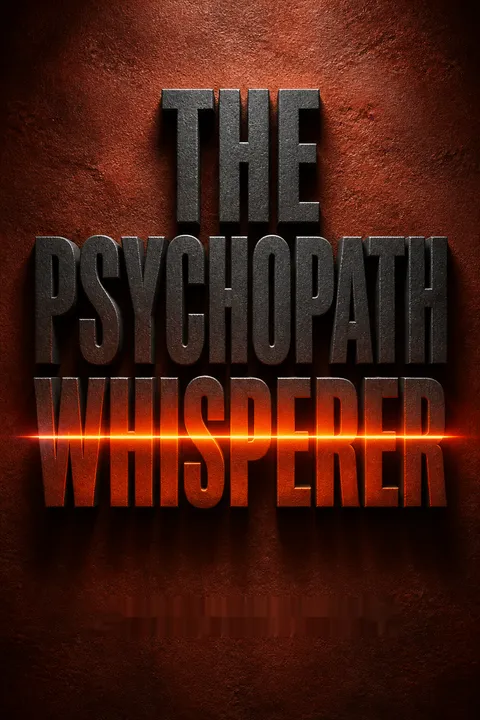

核心要点
1. 在最高安全级别监狱的最初几天揭示了精神病患者的独特本质
监狱从不乏味。
火线考验。 作者最初在最高安全级别监狱采访暴力罪犯的经历,立刻凸显了精神病患者的独特性。与其他囚犯不同,像戈登和格兰特这样的精神病患者常常表现得迷人、健谈,似乎对自己的罪行或被监禁毫不在意。他们将生活和人际关系视为交易,缺乏真正的情感联系和悔意。
不可预测的互动。 诸如“格兰特”策划与性犯罪者“加里”对峙的事件,展示了精神病患者操控和试探界限的倾向,甚至利用保密规则为己所用。这强调了必须时刻保持警惕,依赖多方信息而非仅凭访谈内容。
不同的视角。 像连环银行抢劫犯戈登和连环杀手格兰特这样的精神病患者,展现出以个人利益和刺激为中心的世界观,且对传统生活方式(“白色栅栏”式生活)缺乏理解。他们对惩罚或未来后果毫无焦虑感,立刻将其与非精神病犯人区分开来。
2. 精神病的定义:超越简单犯罪的历史与临床视角
简而言之,精神病患者缺乏良知和同理心。
历史渊源。 精神病的概念,或称“受苦的灵魂”,自古以来便被认识,在文学和早期精神病学中描述为智力正常但缺乏道德感和情感联系的人。早期术语如“道德精神错乱”强调了其行为和道德上的深刻缺失。
与其他障碍的区别。 必须区分精神病与:
- 精神病性障碍(Psychosis): 思维破碎,伴有幻觉或妄想(如精神分裂症)。精神病患者通常理性。
- 社会病态(Sociopathy): 更广泛的术语,常与社会或环境因素导致的反社会行为相关。精神病则根植于生物学和遗传。
- 反社会人格障碍(ASPD): DSM诊断,主要关注可观察的反社会行为。ASPD标准仅覆盖精神病特征的一半左右,忽略了关键的情感和人际缺陷。
评估标准。 现代精神病评估依赖哈雷精神病检查表修订版(PCL-R),包含20项,满分40分,通过详尽访谈和档案审查评分。得分30分及以上即为临床精神病,表现为口齿伶俐、自大、无悔意/无同理心、冲动和不负责任,且这些特质贯穿多个生活领域。
3. 精神病患者的大脑:边缘系统的独特神经连接
精神病患者在我们预测的脑区表现出缺陷。
异常脑电波。 早期利用Oddball任务的脑电图研究发现精神病患者呈现独特脑波模式(“奇怪的P3”),与非精神病患者及其他精神疾病不同。后来发现这种脑波类似于颞叶受损患者的脑波。
边缘系统功能障碍。 随后的功能性磁共振成像(fMRI)研究证实,精神病患者在边缘系统关键区域表现出活动减少和灰质密度降低,包括:
- 杏仁核: 处理情绪、恐惧学习及增强显著信息。
- 海马体: 负责记忆巩固,尤其是情绪记忆。
- 颞极: 整合感官信息,处理隐喻和情绪语言等抽象概念。
- 眶额皮质(OFC): 调节冲动控制、决策和从惩罚中学习。
- 扣带皮质(前/后部): 参与对情绪刺激的注意和冲突监控。
发育起源。 对比成年精神病患者与具冷漠无情特质的被监禁青少年的脑部扫描,显示边缘系统灰质减少模式惊人相似,表明这些脑部差异可能自幼存在,而非成年生活方式导致的萎缩。
4. 早期迹象:冷漠无情特质标志高风险青少年
我接触过的每位成年精神病患者,从很小的时候起就与正常儿童不同。
质的差异。 家长常报告,未来成为精神病患者的儿童从很小就表现出“不同”或“不对劲”,这与普通儿童的调皮或环境反应截然不同。这些孩子情感联系缺失、缺乏同理心,对纪律无反应。
冷漠无情(CU)特质。 研究者用CU特质描述青少年精神病的情感和人际缺陷,评估工具包括青少年精神病检查表(YPC-R)和冷漠无情特质量表(ICU)。这些特质包括:
- 缺乏内疚或悔意
- 冷酷无情/缺乏同理心
- 情感浅薄
- 对表现缺乏关心
预测力。 与涵盖许多会随年龄改善的反社会行为的广泛诊断“品行障碍”(CD)不同,儿童和青少年时期评估的CU特质相对稳定,且强烈预测未来暴力和犯罪行为,包括成年精神病评分,凸显CU特质是识别高风险青少年的关键标志。
5. 与精神病患者共事需保持警惕,洞察其操控游戏
与精神病患者共事时,谨慎和准备从不多余。
操控高手。 精神病患者常表现出表面魅力,擅长欺骗以谋取私利。他们可能病态地撒谎,即使被轻易识破,也毫无悔意或对他人后果的关心。这使得仅凭其自述极不可靠。
试探界限。 精神病患者频繁试探规则和人际关系的极限,如“震惊里奇”按紧急按钮,“格兰特”策划对峙。他们可能利用对方的弱点或既定程序(如保密规则)为己所用。
缺乏洞察与动机。 精神病患者往往缺乏对自身行为及其对他人影响的真实洞察。他们难以清晰说明为何实施有害行为,有时描述为冲动或动机不足,反映出对情感和社会后果理解的根本缺陷。
6. 研究革命:移动脑成像技术大规模揭示精神病患者大脑
第一年的末尾,移动fMRI已扫描了五百多名囚犯的大脑。
突破限制。 传统脑成像研究受限于将囚犯从监狱运送至大学实验室的困难和高昂成本,限制了样本量和研究范围。
移动MRI方案。 作者领导开发并部署了全球首个可在监狱内进行高级脑扫描的移动功能性磁共振成像系统,实现了对大量被监禁个体的前所未有访问。
大规模数据收集。 移动MRI收集了全球最大规模的法医人群脑扫描数据库,包括数百名成年精神病患者和具CU特质的青少年。大样本量提供了坚实证据,显示精神病患者边缘系统灰质密度降低,这一发现已在成人和青少年群体中重复验证。
7. 改变的希望:高风险青少年的强化治疗项目展现成效
这是历史上首次一群心理学家专门设计针对高精神病特质青少年的强化一对一认知行为疗法项目,且取得了成功。
传统失败。 依赖惩罚和威慑的传统矫正方法对高CU特质青少年效果甚微,他们对负面后果的学习抵抗导致反抗和暴力不断升级。
减压模式。 威斯康星州门多塔青少年治疗中心(MJTC)开发了一种激进的临床-矫正混合项目,基于“减压”理念,旨在打破反抗循环,通过强化积极行为建立亲社会纽带。
显著成果。 研究显示,MJTC项目显著降低了再犯率,尤其是暴力犯罪。接受MJTC治疗的青少年暴力重罪发生率降低超过50%,释放后凶杀案大幅减少,证明即使是高风险、严重CU特质的青少年,在正确干预下也具备改变的可能。
8. 精神病与精神病性障碍及其他精神疾病根本不同
大多数大规模杀戮由精神病性障碍患者实施,而非精神病患者。
症状区别。 精神病是一种人格障碍,表现为情感和人际缺陷(缺乏同理心、悔意,情感浅薄)及行为特征(冲动、不负责任、犯罪性),并非现实感丧失。
精神病性障碍与精神病的区别。 精神病性障碍表现为思维破碎,伴有幻觉(如指令性声音)和妄想(固定错误信念)。两者均可导致暴力,但机制不同。
- 精神病性障碍: 常见于精神分裂症等疾病,暴力多因幻觉或妄想驱动,可通过药物和治疗缓解。
- 精神病: 稳定的人格结构,暴力多为工具性、冲动或动机不足,源于情感和人际缺陷及行为控制差。历史上被认为难以治疗,但新方法显示希望。
大规模杀戮者。 大规模杀戮多由精神病性障碍患者实施,受妄想或幻觉驱使,而非精神病患者。此区别对理解动机及制定有效预防和干预策略至关重要。
9. 精神病神经科学对法律体系具有重要影响
最高法院的立场是,不同行为特征及脑部特征的人群,在死刑责任上可能低于健康正常人群。
法庭中的脑科学证据。 神经科学发现,如脑部结构或功能异常的扫描,越来越多地被引入法律程序,尤其是死刑判决阶段。欣克利案即为早期典范,利用脑扫描支持精神错乱辩护。
责任与减轻。 法律体系考虑可能减轻罪责的因素,如年龄(未成年人)、智力障碍(低智商)或极端精神/情绪障碍。最高法院已裁定未成年人和低智商者不得判处死刑,理由是其行为和脑部差异。
精神病作为减轻因素? 新兴神经科学显示精神病患者在情绪和冲动控制脑区存在独特且可能发育性异常,引发是否应将精神病视为判刑减轻因素的讨论。争论焦点在于这些脑部差异是否构成“极端精神或情绪障碍”,影响罪责,呼应历史上关于“道德精神错乱”的辩论。
其他人还在读






常见问题
What is "The Psychopath Whisperer: The Science of Those Without Conscience" by Kent A. Kiehl about?
- Scientific exploration of psychopathy: The book investigates the science behind psychopathy, focusing on individuals who lack conscience and how their brains and behaviors differ from the general population.
- Personal research journey: Author Kent A. Kiehl shares his experiences conducting brain imaging studies and interviews with violent offenders in maximum-security prisons.
- Historical and clinical context: The narrative covers the history, clinical assessment, and neurological underpinnings of psychopathy, blending scientific research with real-life stories.
Why should I read "The Psychopath Whisperer" by Kent A. Kiehl?
- Unique expert perspective: Kiehl is a leading neuroscientist with rare access to high-security prisons, offering firsthand insights into the minds of psychopaths.
- Bridging science and storytelling: The book makes complex neuroscience accessible through compelling stories and case studies.
- Practical and societal relevance: Readers interested in psychology, neuroscience, or criminal justice will gain valuable knowledge about risk assessment, rehabilitation, and the legal implications of psychopathy.
What are the key takeaways from "The Psychopath Whisperer" by Kent A. Kiehl?
- Psychopathy is measurable and biological: The disorder is characterized by specific traits and brain abnormalities, and can be reliably assessed using standardized tools.
- Early intervention is crucial: Callous and unemotional traits in youth can predict adult psychopathy, highlighting the importance of early identification and treatment.
- Legal and ethical challenges: The intersection of neuroscience and law raises complex questions about responsibility, punishment, and the use of brain imaging in court.
What are the core characteristics of psychopathy according to Kent A. Kiehl?
- Affective and interpersonal deficits: Psychopaths lack empathy, guilt, and remorse, and often display superficial charm and manipulativeness.
- Behavioral patterns: They exhibit impulsivity, irresponsibility, poor behavioral controls, and a parasitic lifestyle.
- Assessment with the PCL-R: The Hare Psychopathy Checklist-Revised is used to diagnose psychopathy, scoring individuals on 20 traits across emotional, interpersonal, and behavioral domains.
How does Kent A. Kiehl assess psychopathy in adults and youth in "The Psychopath Whisperer"?
- Adults: The Hare Psychopathy Checklist-Revised (PCL-R) is the gold standard, involving interviews and collateral file reviews to score psychopathic traits.
- Youth: The Hare Psychopathy Checklist-Youth Version (PCL-YV) adapts the adult tool for adolescents, focusing on callous and unemotional traits to avoid stigmatization.
- Multi-informant approach: Assessments combine self-reports, parent/teacher questionnaires, and expert ratings to improve accuracy and reduce bias.
What are callous and unemotional (CU) traits in youth, and why are they important in Kiehl’s research?
- Definition and significance: CU traits include lack of empathy, shallow affect, and callousness, and are considered early indicators of potential adult psychopathy.
- Assessment challenges: Diagnosing CU traits in children is complex due to self-report limitations and parental biases, requiring multiple assessment tools.
- Predictive value: CU traits are relatively stable over time and strongly predict future criminal behavior, making early identification critical for intervention.
How does "The Psychopath Whisperer" explain the neurological basis of psychopathy?
- Brain imaging findings: Psychopaths show abnormalities in the paralimbic system, including the amygdala, orbital frontal cortex, hippocampus, and temporal pole.
- Paralimbic dysfunction model: Kiehl proposes that dysfunction in these brain regions underlies the emotional and behavioral deficits seen in psychopathy.
- Developmental evidence: Both youth and adults with psychopathic traits exhibit similar brain abnormalities, suggesting a neurobiological basis present from an early age.
What is the Hare Psychopathy Checklist-Revised (PCL-R) and how is it used in Kiehl’s research?
- Diagnostic tool: The PCL-R is a 20-item clinical rating scale used to assess psychopathy based on interviews and file reviews.
- Scoring system: Each item is scored 0, 1, or 2, with a total score of 30 or above indicating psychopathy.
- Research foundation: Kiehl uses the PCL-R extensively to identify psychopaths and correlate their traits with brain imaging results.
What is the paralimbic dysfunction model of psychopathy described by Kent A. Kiehl?
- Core concept: The model posits that psychopathy results from dysfunction in the paralimbic system, which governs emotion, motivation, and social behavior.
- Supporting evidence: Brain imaging and injury case studies show that damage or underdevelopment in these regions correlates with psychopathic traits.
- Implications for treatment and law: Understanding psychopathy as a brain-based disorder informs both intervention strategies and legal considerations.
How does "The Psychopath Whisperer" address the treatment and rehabilitation of psychopathic youth?
- Mendota Juvenile Treatment Center (MJTC): The book highlights MJTC’s Decompression Model, which uses positive reinforcement and gradual behavioral improvement for high-risk youth.
- Effectiveness: MJTC significantly reduces recidivism and violent crime compared to standard juvenile programs, with substantial cost savings for the state.
- Treatment challenges: Early intervention is key, but ethical concerns about labeling and stigmatization remain.
How does Kent A. Kiehl’s research in "The Psychopath Whisperer" impact legal and ethical considerations?
- Neuroscience in the courtroom: Brain imaging evidence is increasingly used in trials to support diagnoses, mitigation arguments, and risk assessments.
- Responsibility and punishment: The book discusses how understanding the neurobiological basis of psychopathy challenges traditional legal concepts of free will and culpability.
- Ongoing debate: Kiehl emphasizes the need for informed dialogue among scientists, lawyers, and judges to ensure justice while acknowledging biological influences on behavior.
What are the most memorable case studies and historical examples in "The Psychopath Whisperer," and what do they illustrate?
- Presidential assassins: The book analyzes figures like John Wilkes Booth and Charles Guiteau, scoring them on the Psychopathy Checklist to highlight differences in psychopathic traits.
- Brian Dugan case: Kiehl’s interviews and brain imaging of serial killer Brian Dugan demonstrate the neurological deficits typical of psychopathy and their legal implications.
- Educational value: These cases illustrate how psychopathy is assessed, its lifelong patterns, and the real-world impact of scientific findings on justice and rehabilitation.
下载 PDF
下载 EPUB
.epub digital book format is ideal for reading ebooks on phones, tablets, and e-readers.








































