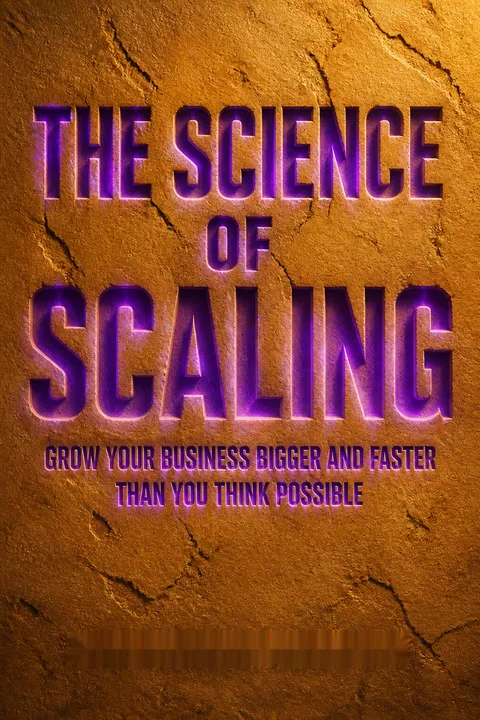

核心要点
1. 设定不可能的目标,重塑你的现实。
“大胆愿景”和“不可能的目标”之间有着根本区别。
转换思维框架。 大多数企业失败,源于设定了可达成的目标,却期望“登月级别的成果”。这种做法存在根本缺陷,因为可达成的目标不会促使你彻底重新审视现有运营,反而为维持那些往往无效的体系和信念提供了借口。相比之下,不可能的目标是你起初不知道如何实现的,它要求你采用全新的方法,彻底重塑组织的能力边界。
筛选创新。 当你承诺一个看似不可能的目标——无论规模还是时间上——它就像一把锋利的筛刀,立刻揭示出你当前大部分工作其实是在“优化那些本不该存在的东西”,正如埃隆·马斯克所言。这种严苛的筛选迫使你正视因沉没成本偏见或缺乏责任感而产生的干扰,同时强力挖掘出那些你原本看不到的创新“瞬移”路径和合作伙伴。
艾丽西亚·奥尔特的转变。 以艾丽西亚·奥尔特为例,她最初为软件LevelUp Score设定了90天内获得100名客户的目标,结果只是让她更忙碌。只有当她承诺实现“不可能”的1000名客户时,才意识到现有方法行不通。这迫使她寻找截然不同的路径:与已经服务数千家信用修复企业的大型软件公司合作,最终在一次对话中实现客户数增长8000倍。
2. 利用时间作为工具,设定激进的截止期限。
“时间线越长,越是错误。”
时间即工具。 从心理学角度看,时间并非线性外在现实,而是影响当下决策的强大工具。未来,尤其是被极度压缩的未来,对塑造当前行动的影响远大于过去。漫长且随意的期限(如十年愿景)是“懒惰”的表现,因为它们无法强制进行快速扩张所需的即时、关键筛选。
强制准备与聚焦。 帕金森定律指出,“工作会膨胀以填满可用时间”。如果给自己太多时间,你会优化不必要的步骤,拖延关键决策。而不可能的截止期限则迫使你剔除虚假需求,识别“关键瓶颈”,加速学习与执行周期。它提升了对后果的敏感度,促使立即行动,消除干扰。
泽维尔·马丁的加速。 律师泽维尔·马丁最初设定了10年内实现1亿美元的目标。当他将期限压缩到3年时,立刻被迫严肃审视律所低效问题,进而:
- 发现并修正英语团队与西班牙语团队销售转化率3倍的差距;
- 剔除无利可图的“小案子”,专注高价值案件;
- 招聘出色的总经理,引入高绩效销售团队及关键岗位人员。
90天内,收入增长30%,利润率提升近50%,彰显激进时间表的威力。
3. 通过无情剔除不可扩展的部分,提高你的底线。
“要卓越,绝不能做平庸之事。”
责任即命运。 你的“底线”定义了你不做的事——最低可接受的绩效、纪律和承诺标准。大多数人和企业无法扩张,正因他们保持低底线,不断自欺欺人,合理化与目标背道而驰的行为。这种“杂乱无章”阻碍了他们发挥最大潜能。
揭露并提升。 提高底线本质上令人不适,因为它暴露了现有不足,迫使你放弃那些已不合适的东西,即使它们曾经成功。这意味着你必须做出艰难且有时不受欢迎的决定,涉及:
- 不认同新标准的团队成员;
- 利润或战略价值低于新门槛的客户或项目;
- 导致不稳定或分散注意力的习惯与流程。
一旦你承诺诚实与责任,维持低底线的紧张感便会消散,随之而来的是即时的解脱与能量激增。
布莱克·埃里克森的使命。 本书合著者布莱克设定了两年内完成100次洗礼(是平均水平的10倍)的不可能目标。一年后仅完成4次,他通过实施严格的筛选问题提升了底线。若潜在信徒不符合条件(如愿意参加教会、同居者已婚等),他会在30秒内放弃。这种无情剔除“坏牌”的做法让他专注于真正准备好承诺的人,最终实现了118次洗礼。
4. 简化系统:复杂性扼杀扩张。
“简单成就变革。”
复杂性的“巨象”。 无论是国家经济还是企业,系统自然趋向复杂。这只由积累的流程、产品和冲突优先级组成的“巨象”,成为未来增长的最大障碍。乔布斯重返苹果时,将350款产品砍至10款,迅速扭转局面。他深知“创新就是对1000件事说不”。
选择优化重点。 若试图同时优化多项,实则一项也未优化。缺乏清晰定义导致系统复杂,难以实现有意义的扩张。沃伦·巴菲特曾言:“多元化是无知的保护。如果你知道自己在做什么,多元化毫无意义。”真正的战略是做出艰难选择,舍弃其他。
斯蒂芬妮的家族企业。 斯蒂芬妮领导的3000万美元家族企业,深知父亲专利产品扩张潜力有限。她设定一年7000万美元的“不可能”目标,迫使她认真发展服务业务。她收购了关键行业合作伙伴,进一步深入思考后,决定完全剥离传统产品,专注服务,目标数亿美元收入。尽管情感上艰难,这种激进简化释放了巨大的增长潜力。
5. 识别并解决关键瓶颈,而非外围问题。
“没人能解决自己无法理解并牢记于心的问题。”
聚焦核心约束。 “关键瓶颈”是最难解决的问题,一旦攻克,便能打开通往不可能目标的全路径。人们常在外围问题上浪费大量时间和资源,优化那些“本不该存在”的环节,而非识别并直击关键瓶颈。压缩的时间线迫使你更快锁定这一关键障碍。
NASA的非最优路径。 虽然NASA实现了登月壮举,但其七年多的时间线并非最优。时间过长导致过多非关键测试飞行(如水星和双子座任务)及无关紧要的宇航员训练。若期限更短,他们将:
- 更早识别关键瓶颈(月球着陆与返回);
- 精简或跳过不必要的中间步骤和火箭原型;
- 资源集中于最关键的工程挑战。
这说明即使是伟大成就,若无严苛时间压力,也可能效率低下。
截止期限逼迫现实。 截止期限是强有力的反馈回路,通过提升变革准备度强制产生成果。未面对紧迫期限的残酷事实,个人或组织往往停滞不前,合理化进展缓慢,满足于努力而非结果。这也是快速增长常与长期成功相关,缓慢增长则反映缺乏聚焦和系统性低效。
6. 设计聚焦路径与可扩展商业模式。
“交付清晰,方能扩张。”
交付的清晰度。 即使是最卓越的解决方案,若交付复杂或令人困惑,也难以扩张。扩张要求产品、服务和商业模式的简单与聚焦,即将本质复杂的事物提炼成清晰、易懂且可复制的系统。
Divvy的革命模式。 布莱克·默里和亚历克斯·宾发现企业缺乏实时财务数据这一普遍问题。他们的解决方案Divvy,免费提供尖端软件,通过信用卡交易手续费获利。2016年,这一“无脑”提议颠覆市场,使他们能够:
- 直接与大型银行和信用卡公司竞争;
- 依靠免费高价值软件迅速渗透市场;
- 三年内从700万美元扩张至1.5亿美元,最终以25亿美元被收购。
他们对单一产品和创新收入模式的专注,是爆炸性增长的关键。
CellCore的“方案”。 健康补充品公司CellCore起初产品繁多,令客户困惑。CEO瑞安·赖利将复杂产品简化为“方案”——一个为期六个月的肠道健康系统。由多产品转向单一可扩展系统,配合强化营销,推动收入从50万美元跃升至590万美元,最终以2亿美元出售。产品简化直接促成了快速扩张。
7. 超越自我,吸引超级人才。
“我若离去,国家学会前行;我走后,它依然长存。”
领导者即瓶颈。 乔治·华盛顿尽管极受欢迎,仍决定卸任总统,这对美国的可扩展性至关重要。他明白,围绕单一人物(即使是远见者)构建的系统,终将限制长期增长和自主权。要有效扩张,企业不能是君主制,而应是共和国,吸引并赋能众多聪明且投入的人才。
超级人才的杠杆效应。 顶尖人才(“超级谁”)不仅仅是稍好,而是比普通人高出10倍甚至100倍的生产力。比尔·盖茨指出微软的成功依赖于其20名顶尖员工。Netflix CEO里德·黑斯廷斯宁愿聘请一位“摇滚明星”,也不愿要十几个平庸员工,因最佳人才带来指数级创新与产出。超级人才提升期望,抬高底线,为系统创造“缓冲”空间。
埃隆·马斯克的战略合作。 马斯克实现人类登陆火星的“不可能”目标,走上了意想不到且具争议的道路:涉足美国政治。他收购推特(现X)并公开支持特朗普竞选,旨在争取政府支持和资金。这表明,实现不可能目标往往需要与拥有独特杠杆力的“超级谁”(如总统)合作,即使这意味着冒着声誉或财富风险。
8. 拥抱责任文化:文化即命运。
“个人以品格定命,组织以文化定命。”
文化是底线。 组织文化是其达成的透明度与责任感水平。要扩张,必须提升这一底线,剔除抵制更高标准的个人和流程。这往往涉及艰难抉择,因为不愿承担责任或透明的人会被暴露,甚至被淘汰。没有高绩效与责任文化,再大潜力也难以兑现。
金·克劳福德·古德曼对Smarsh的转型。 金接任Smarsh(4000万美元SaaS公司)CEO后,立志实现数十亿美元估值。她立即提升底线:
- 裁员近20%,随后又裁数百人,尽管内部反对;
- 剔除低效云服务商,关闭表现不佳的分支机构;
- 重新谈判大客户条款,拒绝免费服务。
这些由清晰愿景和无情责任驱动的举措,使Smarsh在2.5年内从接近盈亏平衡跃升至年利润超1亿美元,估值数十亿美元。
底线就是底线。 地板覆盖国际(FCI)CEO汤姆·伍德设定三年内实现10亿美元的“不可能”目标,要求加盟商平均收入从70万美元提升至200万美元。起初,责任感“轻微”。当收入停滞,他开始解雇容忍低绩效加盟商的领导,淘汰30多家不达标加盟商。坚持“底线就是底线”令FCI在逆市中增长31%,许多加盟商收入已超200万美元,证明唯有标准不可妥协,方能实现真正增长。
读者评价
《规模化的科学》总体评价积极,读者普遍赞赏其关于企业增长的实用见解。许多人认可哈迪提出的设定宏大目标、压缩时间表以及简化系统的框架。评论者认为本书富有启发性,且适用于多种领导角色。然而,也有部分批评声音指出其缺乏原创性或具体策略,另有读者提及书中带有一定的宣传色彩。总体来看,读者重视本书对思维模式转变和现实案例的关注,但对于其深度及在不同商业环境中的实用性,评价则存在分歧。
其他人还在读








常见问题
1. What is "The Science of Scaling" by Dr. Benjamin Hardy about?
- Paradigm Shift in Scaling: The book introduces a new, evidence-based framework for scaling businesses rapidly and effectively, challenging traditional incremental growth models.
- Three-Part Framework: It centers on the "Scaling Framework," which consists of Frame (goal-setting), Floor (eliminating distractions and raising standards), and Focus (engineering a scalable, simple system).
- Psychology Meets Strategy: Hardy combines insights from organizational psychology and business strategy to show how leaders can achieve seemingly impossible growth.
- Case Studies and Application: The book is filled with real-world examples and case studies of businesses and individuals who have applied the framework to achieve exponential results.
2. Why should I read "The Science of Scaling" by Dr. Benjamin Hardy?
- For Leaders Ready to Scale: The book is designed for entrepreneurs, founders, and leaders who want to grow their businesses 10x or more within a few years.
- Actionable, Not Theoretical: It provides a clear, actionable blueprint rather than abstract theory, making it practical for immediate implementation.
- Addresses Common Pitfalls: Hardy explains why most businesses fail to scale—due to complexity, lack of focus, and self-deception—and offers solutions.
- Mindset and Tools: Readers gain both the mindset and the tools needed to set impossible goals, filter out distractions, and build organizations that can scale beyond themselves.
3. What are the key takeaways from "The Science of Scaling" by Dr. Benjamin Hardy?
- Set Impossible Goals: Scaling starts with setting a goal so big and a timeline so short that it seems impossible, forcing innovation and focus.
- Raise Your Floor: Success depends on eliminating everything below a new, higher standard—this means quitting the wrong stuff faster and being brutally honest about what’s holding you back.
- Simplify to Scale: Complex systems can’t scale; only simple, focused systems can. This requires making tough decisions and letting go of legacy products, clients, or processes.
- Accelerate with Focus and Team: Building a scalable model and bringing in “Super Whos” (top talent and partners) is essential for exponential growth.
4. What is the "Scaling Framework" in "The Science of Scaling" and how does it work?
- Frame: This is your perspective, shaped by your goals. Setting a seemingly impossible goal changes what you see as possible and filters out distractions.
- Floor: The floor is what you refuse to tolerate or do. Raising your floor means eliminating all activities, clients, or products that don’t align with your impossible goal.
- Focus: With a high frame and floor, you can focus on the most scalable, high-leverage paths and partners, engineering a simple system that can grow rapidly.
- Iterative Process: The framework is cyclical—raising your frame leads to a higher floor, which sharpens your focus, leading to further scaling.
5. How does "The Science of Scaling" by Dr. Benjamin Hardy define and use "impossible goals"?
- Definition: An impossible goal is one that seems unattainable given your current resources, knowledge, and capabilities.
- Purpose: Such goals force you to abandon incremental thinking and find radically new approaches, partners, and pathways.
- Filtering Tool: Impossible goals act as a psychological and strategic filter, helping you separate signal from noise and focus only on what truly matters.
- Case Studies: The book provides examples (e.g., Alicia Ault’s LevelUp Score) where setting an impossible goal led to breakthroughs that would have been impossible with linear goals.
6. Why is setting a short, "impossible" timeline important in "The Science of Scaling"?
- Time as a Tool: Hardy argues that time is a psychological tool, not a fixed reality. Short deadlines force you to act urgently and creatively.
- Eliminates False Requirements: Aggressive timelines help you strip away unnecessary steps and focus on the crux of the problem.
- Accelerates Learning and Progress: Short timelines create fast feedback loops, enabling rapid iteration and growth.
- Prevents Stagnation: Long-term goals often justify bad decisions and slow progress; short, impossible deadlines prevent complacency and force decisive action.
7. What does "raising your floor" mean in "The Science of Scaling" and why is it crucial?
- Higher Standards: Raising your floor means increasing your minimum acceptable standard for clients, products, team members, and processes.
- Eliminating Distractions: It involves quitting the wrong stuff faster—letting go of legacy offerings, underperformers, or anything that doesn’t align with your impossible goal.
- Culture and Accountability: A high floor creates a culture of accountability and excellence, where only the best remain.
- Enables Scaling: Without raising your floor, you remain mired in complexity and mediocrity, making true scaling impossible.
8. How does "The Science of Scaling" by Dr. Benjamin Hardy advise simplifying your system to scale?
- Focus on One Thing: The book advocates for radical simplification—doing one thing exceptionally well rather than many things poorly.
- Remove Complexity: Complexity is the enemy of agility and growth; simplifying your offerings, processes, and team structure is essential.
- Strategic Choice: Good strategy is as much about what you don’t do as what you do; choose a singular path and eliminate conflicting goals.
- Real-World Examples: Case studies (e.g., Steve Jobs at Apple, CellCore’s product simplification) illustrate how simplification leads to explosive growth.
9. What role does honesty and self-awareness play in "The Science of Scaling" by Dr. Benjamin Hardy?
- Brutal Self-Honesty: Scaling requires leaders to be brutally honest about what’s working, what’s not, and where they’re lying to themselves.
- Accountability: Admitting weaknesses, mistakes, and sunk costs is necessary to raise your floor and make tough decisions.
- Cultural Impact: Organizations with high transparency and accountability scale faster and more sustainably.
- Personal Growth: The process of scaling is as much about personal character and maturity as it is about business tactics.
10. How does "The Science of Scaling" by Dr. Benjamin Hardy recommend building a team and partnerships for scaling?
- Super Whos: The book emphasizes hiring and partnering with “Super Whos”—top talent who can deliver 10x or 100x results compared to average performers.
- Elevate Expectations: Bringing in high performers raises the floor and expectations for everyone, creating a culture of excellence.
- Letting Go: Leaders must be willing to let go of average team members and even their own centrality in the business to allow for true scaling.
- Strategic Partnerships: Sometimes, a single key partner or hire can unlock exponential growth, as shown in multiple case studies.
11. What are some of the best quotes from "The Science of Scaling" by Dr. Benjamin Hardy and what do they mean?
- “A goal properly set is halfway reached.” (John Doerr): The right goal immediately filters out distractions and clarifies the path forward.
- “You never change things by fighting the existing reality. To change something, build a new model that makes the existing model obsolete.” (Buckminster Fuller): True scaling requires a paradigm shift, not incremental improvement.
- “The difference between successful people and really successful people is that really successful people say no to almost everything.” (Warren Buffett): Focus and the discipline to say no are essential for scaling.
- “If you can’t say, ‘We do this,’ then you’re undefined, diluted, and cannot scale.” (Dr. Benjamin Hardy): Clarity of purpose and offering is non-negotiable for exponential growth.
12. How can I apply the lessons from "The Science of Scaling" by Dr. Benjamin Hardy to my own business?
- Set an Impossible Goal: Define a goal so big and a timeline so short that it forces you to rethink your entire approach.
- Audit and Raise Your Floor: Identify everything in your business that doesn’t align with your new goal and eliminate it, even if it’s painful.
- Simplify Relentlessly: Streamline your offerings, processes, and team to focus only on what can scale.
- Build a World-Class Team: Seek out and empower top talent and partners who can help you achieve your impossible goal, and be willing to let go of those who can’t.
- Continuous Application: Use the Scaling Framework as an ongoing process—constantly raising your frame, floor, and focus as your business grows.
下载 PDF
下载 EPUB
.epub digital book format is ideal for reading ebooks on phones, tablets, and e-readers.








































