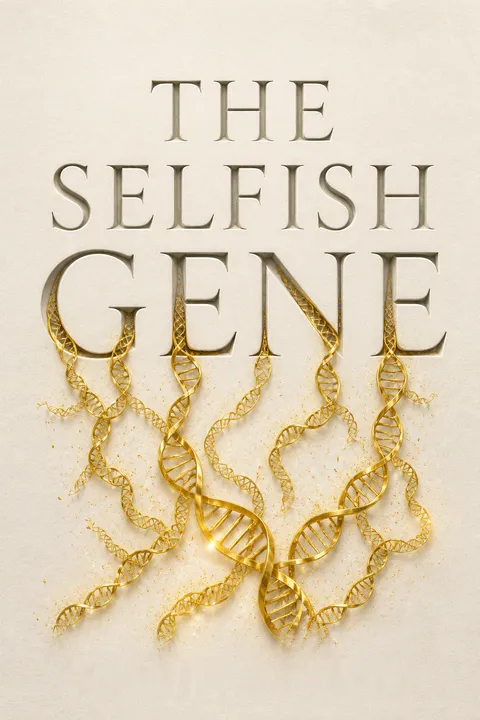

核心要点
1. 基因是自然选择的基本单位
“基因是自私的基本单位。”
复制子革命。 基因,而非个体生物或物种,是自然选择的主要单位。作为复制子,基因努力复制自身并传递给后代。从以生物体为中心转向以基因为中心的进化视角,解释了许多生物学中的难解之谜。
适者生存的是基因。 自然选择偏好那些更善于复制自身的基因,而不论其对个体生物的影响如何。这可能导致看似矛盾的现象:基因推动的行为对生物体不利,却有利于基因的传播。
- 成功基因的关键特征:
- 长寿性:能够长时间存在
- 繁殖力:能够制造大量复制品
- 复制准确性:复制过程中的高保真度
2. 生物体是基因的生存机器
“我们是生存机器——盲目执行保存自私分子基因的机器人载体。”
生命载体。 包括人类在内的生物体,本质上是基因构建的载体,旨在确保基因自身的生存和复制。我们的身体、行为,甚至意识,都是基因进化利益的体现。
基因的操纵者。 基因通过复杂的发育过程影响生物体,塑造出最大化其传递机会的身体和行为。这并非意味着基因有意识或目的,而是自然选择偏好那些能构建高效生存机器的基因。
- 生物体作为基因载体的例子:
- 河狸筑坝作为河狸基因的扩展表现型
- 寄生虫操控宿主行为以传播自身基因
- 人类文化习俗受基因倾向影响
3. 利他与自私是基因层面的策略
“好人先赢。”
为自私目的的合作。 看似利他的行为可以在有利于相关基因时进化。亲缘选择解释了促进对亲属利他的基因如何传播,因为亲属共享大量基因。
进化博弈论。 合作与利他的进化可通过囚徒困境等模型及进化稳定策略(ESS)理解。诸如“以牙还牙”的策略能在竞争环境中促进合作。
- 基因层面利他的形式:
- 父母照顾
- 鸟类的警报鸣叫
- 社会性昆虫中工蚁的不育
4. 基因能跨物种影响行为
“大致来说,所有物种都是昆虫。”
寄生虫操控。 基因的影响力超越自身生物,操纵其他物种的行为以利于自身传播。寄生虫改变宿主行为的现象尤为明显。
协同进化军备竞赛。 物种间如寄生虫与宿主、捕食者与猎物的互动,推动复杂的进化动态,形成精细的适应与反适应。
- 跨物种基因影响的例子:
- 杜鹃操控寄主鸟类行为
- 寄生真菌改变蚂蚁行为
- 病毒诱发有助传播的症状
5. 扩展表现型:基因影响超越身体
“基因的长臂效应。”
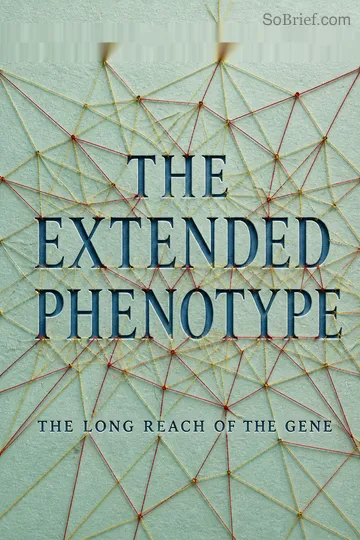
超越身体界限。 扩展表现型概念拓展了我们对基因影响力的理解。基因的作用不仅限于其所在的身体,还能延伸至环境和其他生物。
重新思考适应。 这一视角促使我们重新定义适应。河狸坝或鸟巢等结构可视为影响其建造的基因的扩展表现型。
- 扩展表现型的例子:
- 毛翅目幼虫的外壳
- 蜘蛛网
- 人类的技术制品
6. 基因与生物体关系中的合作与冲突
“即使在本质自私的世界中,合作与互助也能蓬勃发展。”
基因利益。 虽然同一生物体内的基因通常合作,但也存在利益冲突。一些基因可能以牺牲其他基因或生物体整体利益为代价获益,导致如减数驱动等现象。
共生与寄生。 基因与生物体的关系延伸至不同物种间的互动。当不同物种的基因利益一致时,共生关系得以进化;利益分歧则导致寄生关系。
- 影响基因与生物体合作的因素:
- 共同传播途径
- 生殖利益的一致性
- 遗传亲缘程度
7. 文化进化与模因:新型复制子
“什么是自私基因?它不仅仅是单一的DNA片段……正如原始汤中,世界各地分布着某一DNA片段的所有复制品。”
文化复制子。 模因,作为文化信息单位,可视为类似基因的新型复制子。模因通过变异、选择和传承经历一种进化过程。
基因与文化的协同进化。 文化进化与基因进化相互作用,形成复杂动态。模因影响基因的选择压力,反之亦然,促成独特的人类适应。
- 成功模因的特征:
- 易于理解和记忆
- 激励个体传播
- 适应不断变化的文化环境
8. 自然界与人类社会中互惠利他的力量
“盲目信仰的模因通过无意识地阻止理性探究,确保自身延续。”
超越亲缘的合作。 互惠利他解释了非亲属间合作的进化。通过帮助他人并期待未来回报,生物体获得长期利益。
人类的启示。 理解互惠利他有助于洞察人类行为、伦理和社会制度,解释复杂社会行为和道德体系的进化。
- 互惠利他进化的关键因素:
- 重复互动
- 识别个体的能力
- 记忆过去行为
- 条件性策略的运用
9. 性选择与择偶作为进化策略
“基因是自私的基本单位。”
超越自然选择。 性选择由争夺配偶和择偶驱动,促使某些看似不利于生存的特征进化,但能提升生殖成功率。
基因视角。 从基因角度理解性选择,解释了如华丽装饰或冒险行为等看似矛盾的特征。这些特征因增加基因传递概率而得以进化。
- 性选择的形式:
- 雄性间竞争(如鹿角)
- 雌性选择(如孔雀尾羽)
- 性冲突(如不同的最佳交配频率)
本摘要浓缩了道金斯《自私的基因》的核心思想与启示,以简明易懂的形式呈现,保留了该书对进化革命性视角的精髓。
读者评价
《自私的基因》被广泛赞誉为一本具有深远影响且通俗易懂的进化生物学著作。读者们欣赏道金斯对复杂概念的清晰阐释,他通过生动的实例加深理解,并提出了基因作为自然选择基本单位的发人深省的观点。许多人认为本书启发性强,颠覆了传统认知,尤其是关于模因和博弈论的章节备受推崇。尽管有人批评道金斯的还原主义方法或其对宗教的某种忽视,但大多数评论者仍认为,这本书是任何对遗传学和进化感兴趣者的必读之作。
其他人还在读






常见问题
What's The Selfish Gene about?
- Gene-Centric View: The Selfish Gene by Richard Dawkins posits that genes are the primary unit of natural selection, driving evolution and behavior.
- Selfishness and Altruism: It explores how genes, while inherently selfish, can lead to altruistic behaviors, especially towards relatives.
- Cultural Evolution: The book introduces memes as cultural replicators, suggesting that cultural ideas evolve similarly to genes.
Why should I read The Selfish Gene?
- Understanding Evolution: The book offers a clear explanation of evolutionary theory, making complex ideas accessible to a general audience.
- Influential Concepts: It introduces key ideas like "selfish genes" and "memes," which have impacted both scientific thought and popular culture.
- Provocative Insights: Dawkins challenges traditional views on altruism and cooperation, encouraging readers to rethink human and animal behavior.
What are the key takeaways of The Selfish Gene?
- Genes as Replicators: Genes are the fundamental units of selection, striving to replicate through the survival of their host organisms.
- Kin Selection: Altruistic behaviors often arise among relatives, as helping kin can increase the chances of shared genes surviving.
- Memes as Cultural Replicators: Cultural ideas and behaviors can replicate and evolve similarly to biological genes.
What are the best quotes from The Selfish Gene and what do they mean?
- "We are survival machines": This quote emphasizes that organisms exist primarily to propagate their genes, highlighting a gene-centric view of evolution.
- "Let us try to teach generosity": Dawkins acknowledges the inherent selfishness of genes while advocating for the cultivation of altruistic behaviors in society.
- "The gene is the basic unit of selfishness": This statement reinforces the idea that genes operate under a selfish imperative, influencing behaviors that enhance their own survival.
What is the concept of the "selfish gene" in The Selfish Gene?
- Definition: The "selfish gene" refers to the idea that genes act to maximize their own replication and survival, often at the expense of the organism.
- Behavioral Implications: Behaviors perceived as altruistic may actually be strategies to enhance the survival of shared genes among relatives.
- Gene-Centered Evolution: Understanding evolution through gene selfishness provides a clearer explanation for complex behaviors in animals and humans.
How does Richard Dawkins explain altruism in The Selfish Gene?
- Kin Selection Theory: Dawkins discusses how individuals are more likely to exhibit altruistic behaviors towards close relatives, sharing significant genetic material.
- Gene Survival: Altruistic acts can benefit gene survival, as saving a relative can ensure shared genes continue in the gene pool.
- Examples in Nature: The book provides examples of altruistic behaviors in various species, illustrating genetic relationships' role.
What role do memes play in The Selfish Gene?
- Definition of Memes: Memes are cultural replicators, akin to genes, spreading ideas, behaviors, and practices through imitation and social learning.
- Cultural Evolution: Memes evolve through variation, competition, and inheritance, similar to biological evolution.
- Impact on Society: Memes highlight how cultural phenomena can replicate and influence human behavior, paralleling genetic mechanisms.
How does The Selfish Gene address the nature vs. nurture debate?
- Genetic Influence: Dawkins acknowledges genes' significant role in shaping behavior but also emphasizes environmental factors and learning.
- Complex Interactions: While genes provide a framework for behavior, individual experiences and cultural influences can modify genetic predispositions.
- No Absolute Determinism: Dawkins argues against a strict nature vs. nurture dichotomy, proposing that both genetic and environmental factors interact to shape behavior.
What is the significance of the "gene pool" in The Selfish Gene?
- Definition of Gene Pool: The gene pool is the total collection of genes within a population, representing genetic diversity for natural selection.
- Evolutionary Stability: The gene pool changes as genes compete for survival, leading to shifts in allele frequencies over generations.
- Implications for Species: Understanding the gene pool helps explain how populations adapt to environments and how traits become prevalent or diminish.
How does Richard Dawkins use examples from nature to illustrate his points in The Selfish Gene?
- Diverse Species: The book includes examples from species like honeybees and black-headed gulls to demonstrate concepts like kin selection and altruism.
- Behavioral Observations: Dawkins analyzes behaviors such as parental care and social interactions to show how they can be explained through gene selfishness.
- Real-World Applications: These examples ground theoretical concepts in observable phenomena, making arguments more relatable and understandable.
What is the extended phenotype concept in The Selfish Gene?
- Definition: The extended phenotype refers to the idea that genes' influence extends beyond the organism to affect the environment and other organisms.
- Examples in Nature: Dawkins uses examples like beaver dams and spider webs to illustrate how genes manifest in structures and behaviors impacting ecosystems.
- Implications for Evolution: This concept challenges traditional views of genes as solely responsible for individual traits, emphasizing their role in shaping the broader environment.
How does The Selfish Gene address the concept of group selection?
- Critique of Group Selection: Dawkins argues against natural selection operating primarily at the group level, emphasizing genes as the true drivers of evolutionary change.
- Kin Selection as an Alternative: Instead of group selection, Dawkins highlights kin selection as a more viable explanation for altruistic behaviors.
- Evolutionary Stability: The book discusses how group selection theories often fail to account for genetic interactions' complexities within populations.
关于作者
其他作品,作者: 理查德·道金斯






下载 PDF
下载 EPUB
.epub digital book format is ideal for reading ebooks on phones, tablets, and e-readers.








































